
Hair Loss in Women: Why It Happens and How to Treat It
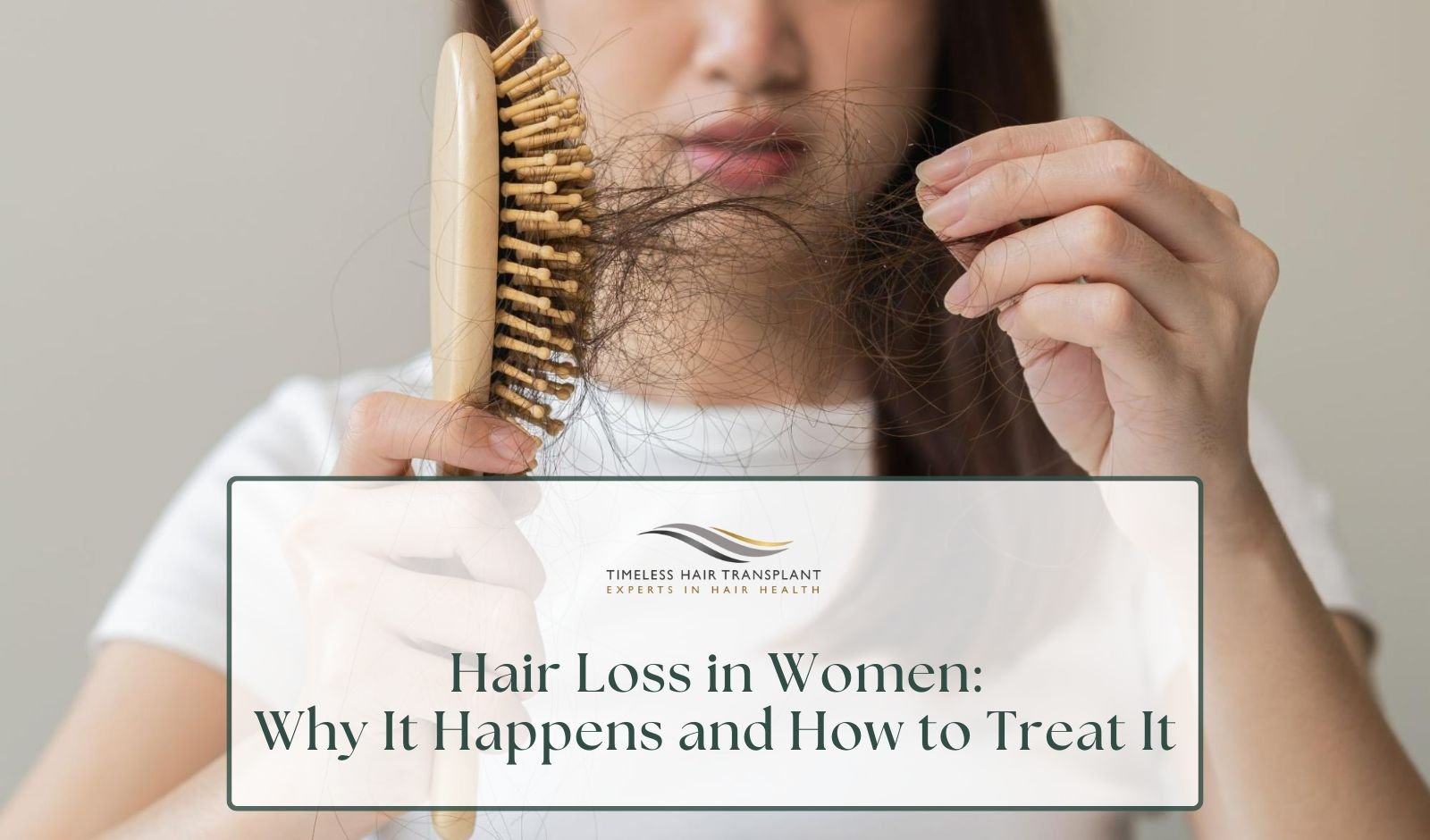
Hair loss doesn’t just affect men, it’s a growing concern among women of all ages. From early thinning to noticeable hair loss, it can affect confidence, emotional well-being, and even day-to-day comfort.
The good news? Understanding the type of hair loss you’re experiencing is the first step toward finding the right treatment options. Modern solutions, including medical therapies and hair transplantation, can help women restore not just their hair but their confidence, too.
Why Women Experience Hair Loss
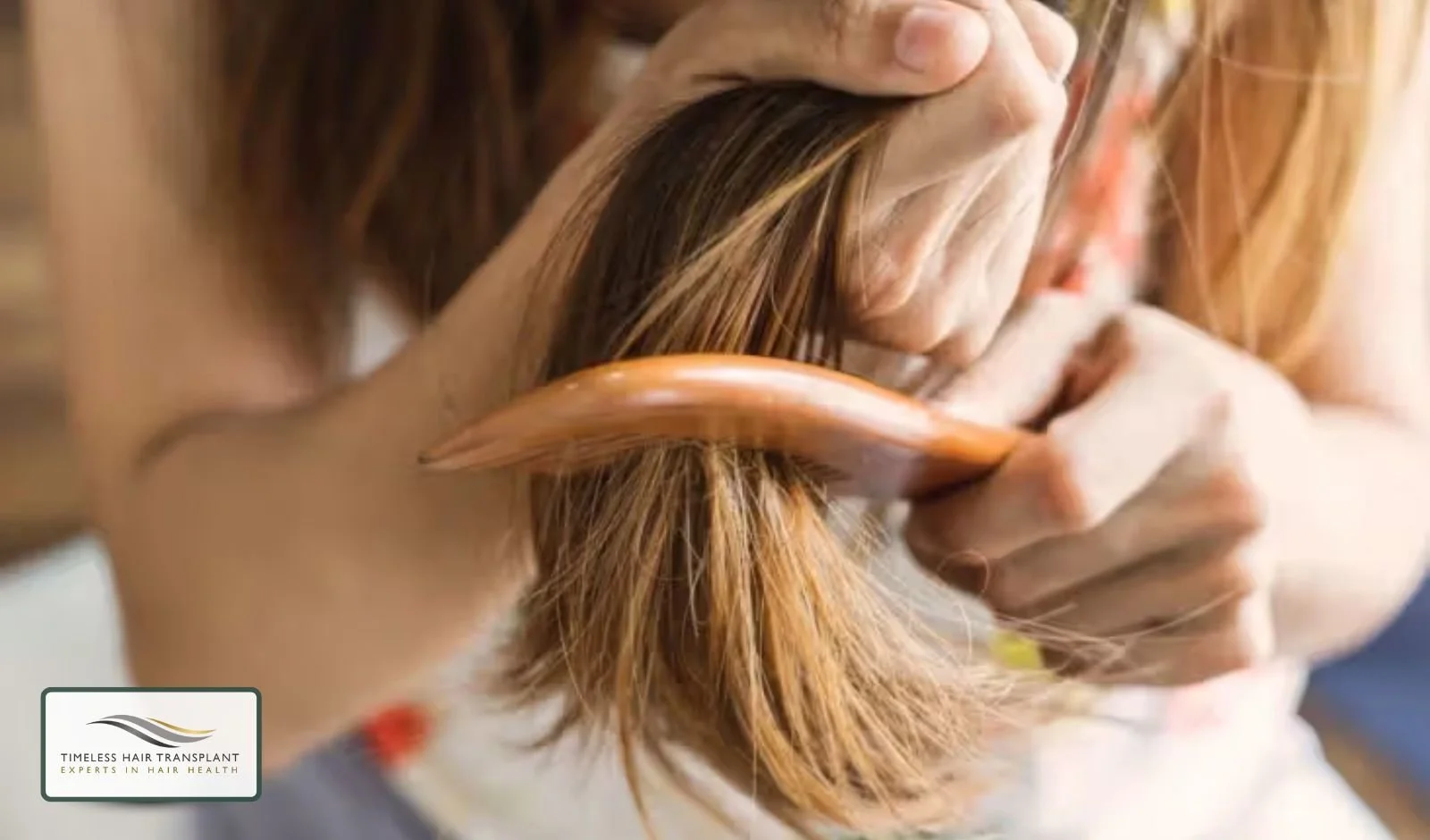
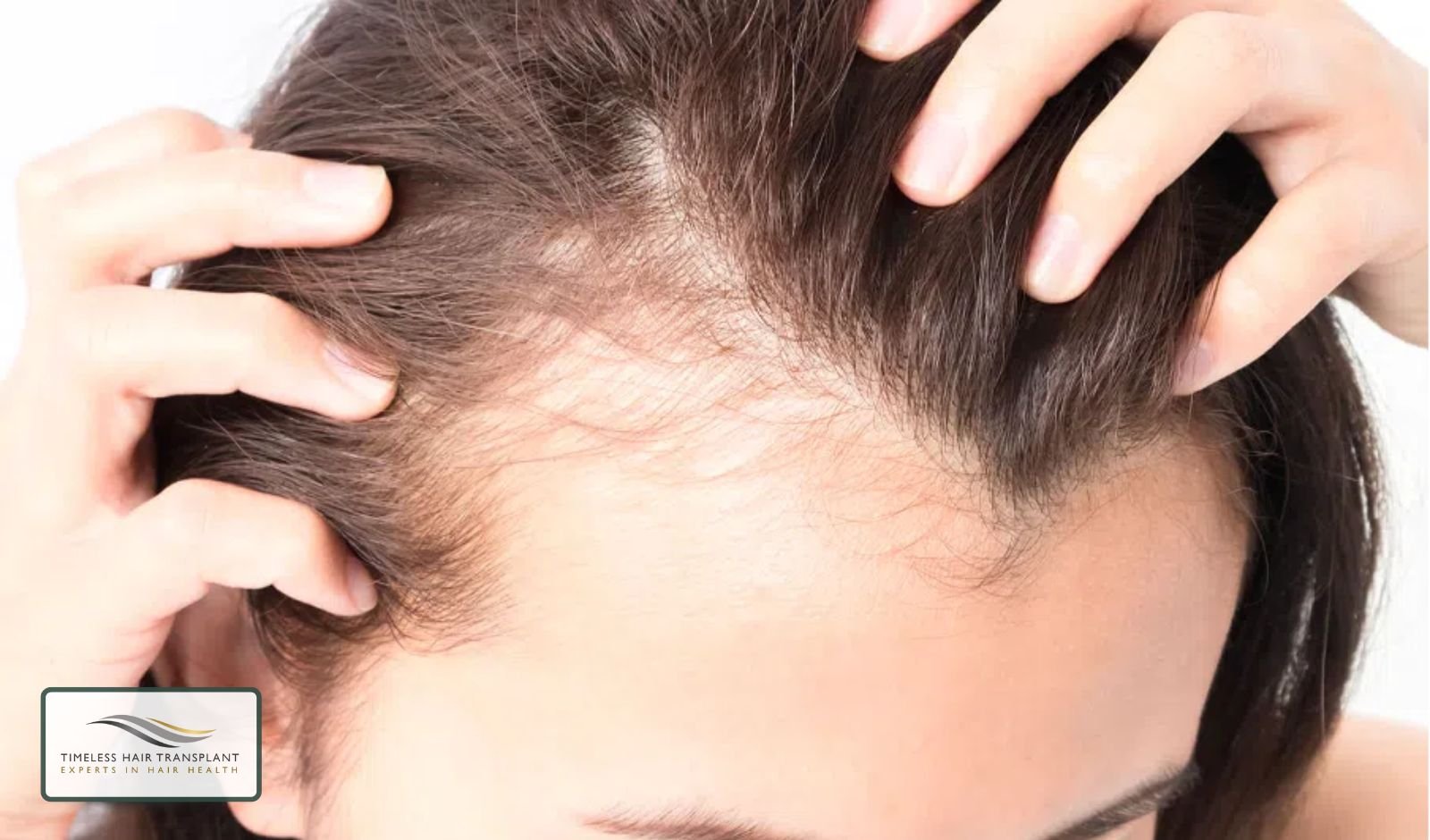
Unlike male pattern baldness, which often leads to complete baldness, hair loss in women tends to cause diffuse thinning or a widening part across the scalp. The most common type of hair loss among women is female pattern hair loss, also known as androgenetic alopecia.
This condition is often inherited, meaning family history plays a significant role. However, many other factors can cause women to lose hair, including hormonal changes, stress, nutritional deficiencies, and certain medical conditions.
Common triggers include:
Hormonal changes: Pregnancy, menopause, and thyroid imbalances can disrupt normal growth cycles.
Stress and poor nutrition: Excessive stress and lack of essential vitamins can lead to hair shedding.
Health conditions: Disorders such as polycystic ovary syndrome (PCOS) or autoimmune diseases can cause or worsen thinning.
Tight hairstyles or harsh treatments: Repeated tension or heat can weaken the follicles and cause breakage.
Understanding Female Hair Loss Patterns
Women experience hair loss differently from men. While men may develop receding hairlines or bald crowns, female pattern baldness usually appears as overall thinning on the top of the head.
This thinning may start gradually, you might notice more hair on your brush, widening parts, or less volume around the crown. In some cases, bald patches can appear, but complete baldness is rare.
Dermatologists and specialists often use the Ludwig Scale to categorise female pattern hair loss and identify hair loss patterns in women:
Stage 1: Mild thinning on the crown or part line.
Stage 2: Noticeable reduction in density across the top of the head.
Stage 3: Extensive thinning, making the scalp more visible.
Recognising these stages early allows women to seek professional help before the condition progresses.
When to Seek Professional Advice
Occasional hair shedding is normal, the average person loses 50 to 100 strands a day. But if you’re noticing persistent thinning, reduced volume, or noticeable hair loss, it’s time to consult an expert.
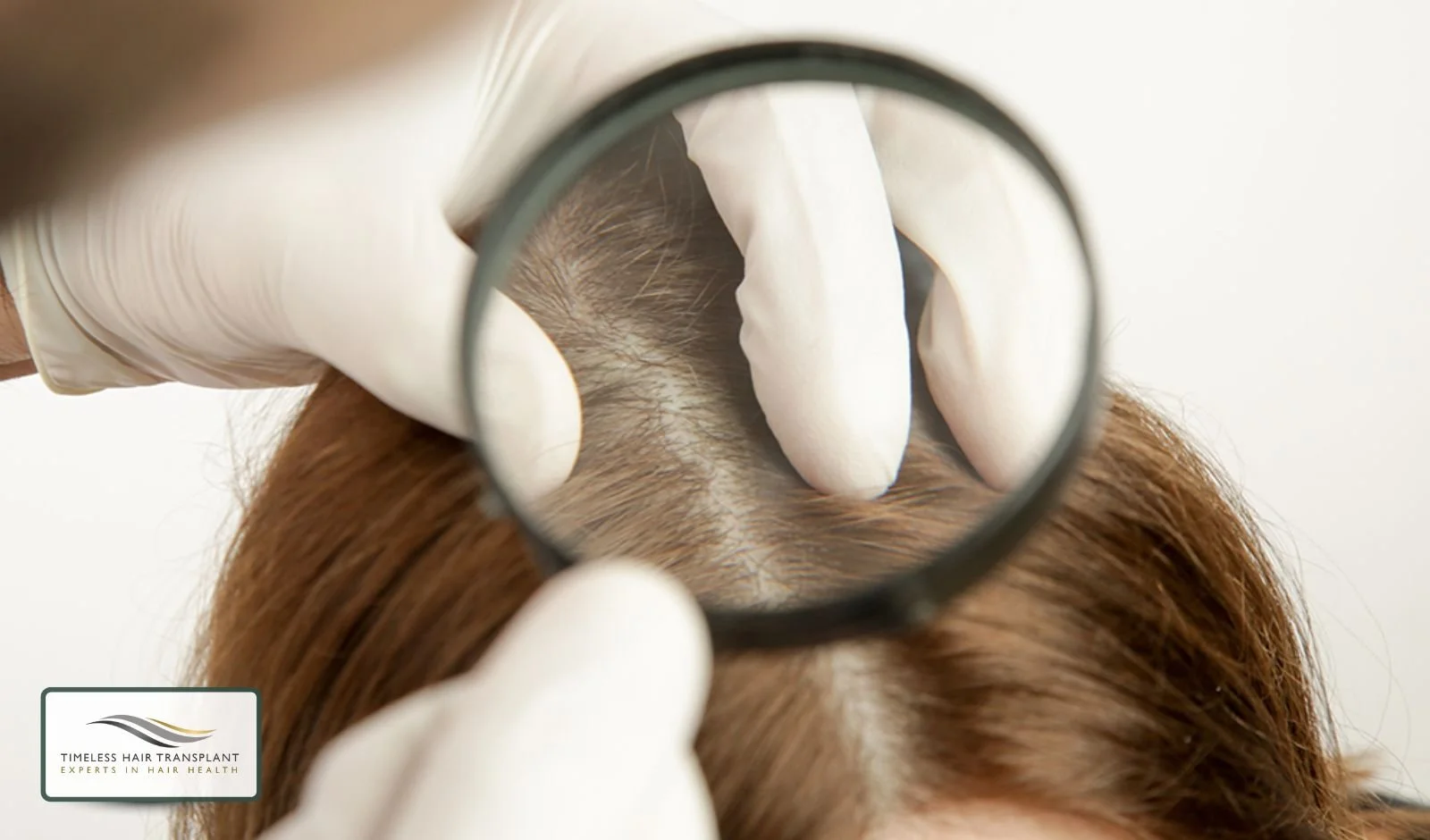
A qualified specialist can determine the cause of hair loss in women through a detailed assessment, which may include:
Reviewing medical history and hormonal levels.
Examining scalp health and density.
Analysing underlying medical conditions or medications that might contribute to thinning.
Early diagnosis makes it easier to treat hair loss effectively and preserve existing follicles.
Effective Treatment Options for Hair Loss in Women
Every woman’s hair restoration journey is unique. The right treatment for hair loss depends on the cause, severity, and pattern of thinning.
1. Hair Transplantation: A Lasting Solution
Among all treatment options, hair transplantation stands out as the most effective and long-term solution for women with advanced thinning or permanent hair loss.
At Timeless Hair Transplant, advanced Follicular Unit Extraction (FUE) techniques are used to move healthy donor hairs from denser areas of the scalp to thinning or recipient areas. This hair restoration procedure ensures natural placement, proper direction, and minimal scarring.
Each hair follicle is transplanted with precision under the guidance of an experienced surgeon, achieving a result that blends seamlessly with your natural hair growth.
Because the procedure is minimally invasive and performed under local anaesthetic, most women experience only minor redness or sensitivity that quickly subsides, with long-term results that last for years.
2. Non-Surgical Treatments: Gentle Yet Effective
Not all hair restoration requires surgery. For women experiencing mild to moderate hair loss, non-surgical treatments can effectively encourage regrowth and strengthen existing hair.
Platelet-Rich Plasma (PRP) Therapy - This treatment uses your body’s own platelets to stimulate dormant follicles and promote new hair growth. It helps improve hair density, texture, and overall scalp health.
Mesotherapy - A series of microinjections deliver vitamins, minerals, and growth-stimulating ingredients directly into the scalp to nourish hair follicles and enhance circulation.
These options are ideal for those who want visible improvement without undergoing a surgical procedure.
3. Medications and Topical Treatments
Medications like Minoxidil remain popular for slowing hair loss and promoting regrowth. For women whose hair loss is linked to hormonal imbalance, doctors may recommend prescription treatments to stabilise hormone levels and strengthen follicles.
4. Lifestyle and Scalp Care
Healthy hair begins with a healthy lifestyle. A balanced diet, proper sleep, and stress management can improve circulation and hair strength. Gentle scalp massages and avoiding tight hairstyles or harsh products can also reduce shedding and maintain results.
Managing Expectations and Preventing Future Hair Loss
After treatment, patience is key. New scalp hairs transplanted or regrown through PRP will appear gradually over several months.
Temporary side effects, such as mild redness or swelling, are common but short-lived. Over time, your results become more defined as the follicles adapt and strengthen.
To prevent future hair loss including genetic or hormonal thinning:
Maintain a balanced diet rich in protein, iron, and vitamins.
Avoid tight hairstyles and excessive heat.
Manage stress through mindfulness or regular activity.
Follow professional aftercare and medical advice consistently.
Trusted Expertise. Natural Results. Lasting Confidence.
At Timeless Hair Transplant, we believe restoring hair is about more than appearance, it’s about self-assurance and comfort in your own skin.
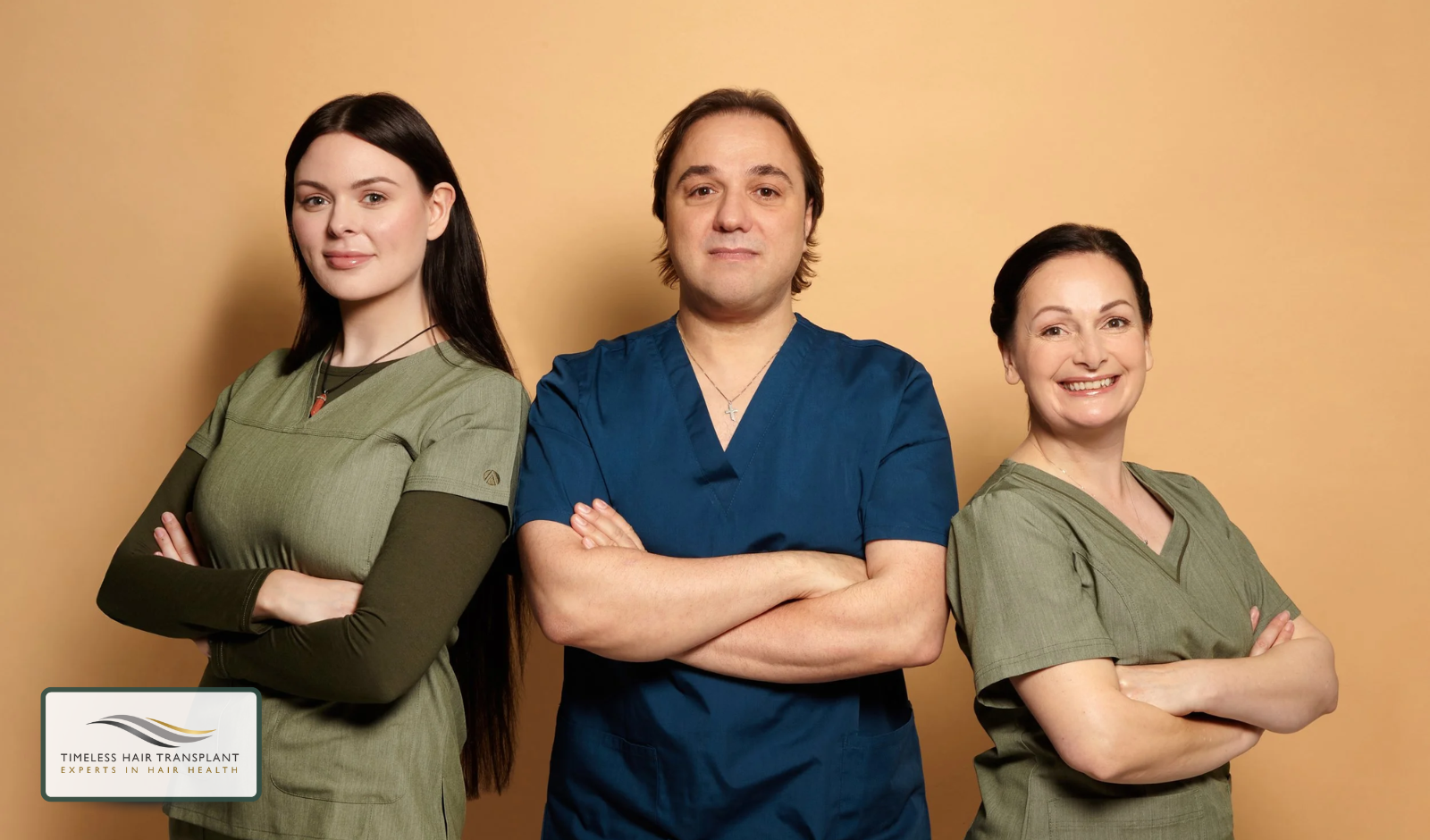
Under the expertise of Dr. Luciano Sciacca, every hair transplantation is performed with precision, artistry, and a deep understanding of how women’s hair differs from men’s. From restoring density to enhancing balance across the scalp, each plan is customised for natural, feminine results.
Our advanced FUE hair transplant techniques, combined with platelet-rich plasma therapy, deliver long-term results that blend science with care. We focus on your safety, comfort, and recovery, every step of the way.
Call +44 (0) 7516294471 or visit Timeless Hair Transplant to book your FREE consultation and explore the best solution for your hair restoration journey.
Because confidence isn’t just about having more hair, it’s about loving what you see in the mirror.
Frequently Asked Questions
-
Hair loss in women can happen because of genetics, stress, hormonal changes, or health issues like thyroid problems or PCOS. Some hairstyles and harsh treatments can also cause hair to fall out over time.
-
Not exactly. Men often lose hair in patches or at the hairline, while hair loss in women usually appears as thinning on top of the head or a wider part.
-
Most women notice thinning on the crown or top of the scalp. This pattern, called female pattern baldness, rarely causes complete baldness but makes hair look less full.
-
Yes. High stress can push more hairs into the shedding phase, leading to temporary thinning. Once stress levels go down, hair usually grows back naturally.
-
Temporary hair loss in women can happen after stress, illness, or pregnancy. If thinning continues for months or gets worse over time, it could be female pattern hair loss, which may need professional treatment.
