

Quick Answer
Is FUE hair transplant painful?
Most patients report that FUE hair transplants involve little to no pain during the procedure. Because the treatment is minimally invasive and performed under local anaesthetic, discomfort is usually mild and manageable during recovery.
Key Takeaways
- FUE hair transplants are generally not painful due to local anaesthetic.
- Most patients feel only mild discomfort or pressure during the procedure.
- Pain after FUE hair transplant is usually temporary and improves within days.
- Discomfort in donor sites is common but manageable with pain relievers.
- The healing process is smoother compared to other hair transplant surgeries.
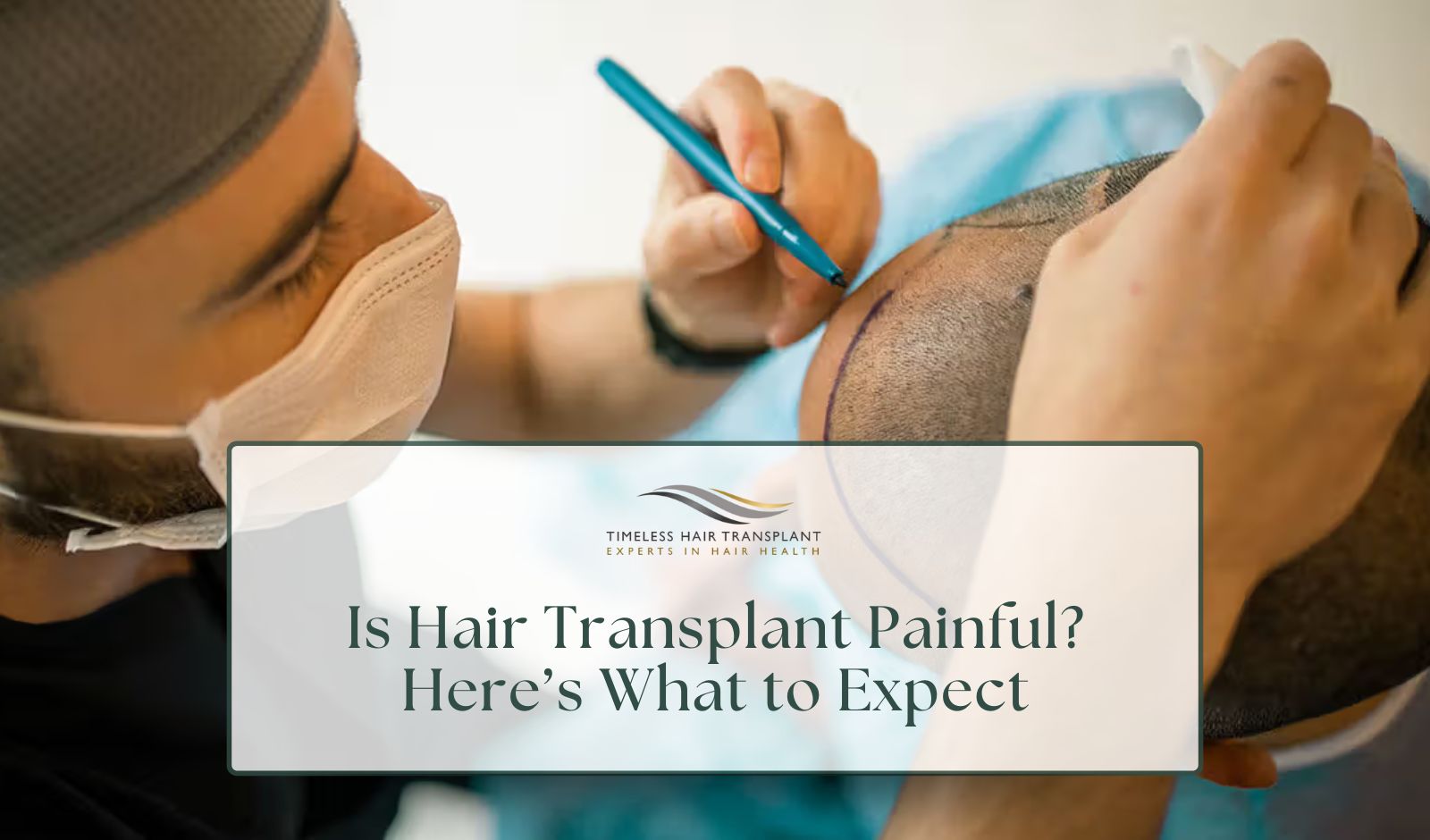
Hair transplant pain is one of the most common concerns for people considering hair restoration. Questions like how painful is FUE hair transplant or does a hair transplant hurt often come up during consultations.
FUE hair transplants have become widely used because they are designed to minimise pain and shorten recovery time. Understanding what causes discomfort, when it may occur, and how it is managed helps patients feel more confident before treatment.
Why FUE Hair Transplants Are Considered Minimally Painful
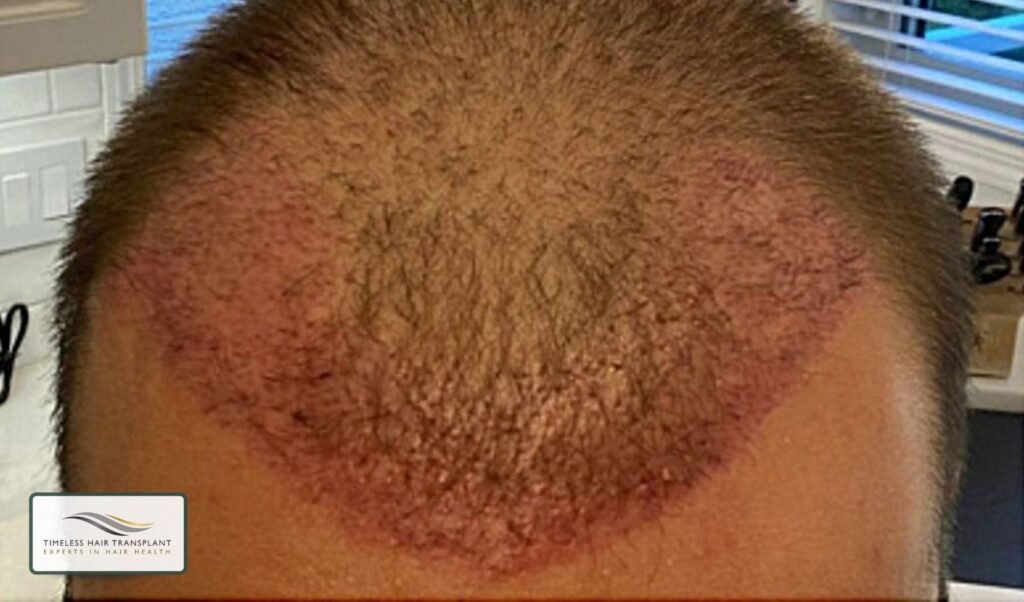
Follicular Unit Extraction, commonly known as FUE, is a modern approach used in many hair transplant procedures. Unlike older hair transplant surgeries that involve removing a strip of scalp, FUE extracts individual hair follicles from donor sites.
Because the procedure is minimally invasive:
- There are no large incisions
- No stitches are required
- Trauma to the scalp is reduced
This significantly lowers hair transplant pain and allows for a more comfortable recovery for most patients.
Is There Pain During the FUE Hair Transplant Procedure?
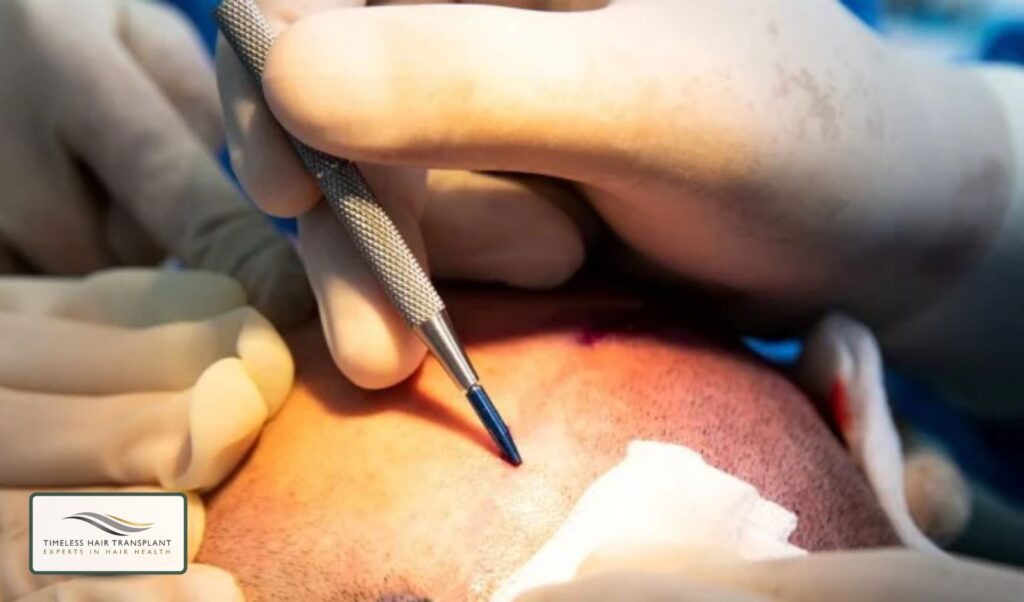
During an FUE hair transplant, local anaesthetic is applied to both the donor area and the transplanted area. This numbs the scalp and prevents pain during the procedure.
Patients report that they may feel:
- A brief pinching sensation during anaesthetic application
- Pressure or movement during extraction and placement
- No sharp pain once the scalp is numb
If you are wondering whether you will feel any pain during the procedure, most patients say the experience is far more comfortable than expected.
Pain After FUE Hair Transplant: What Happens Next?
Once the anaesthetic wears off, some mild discomfort may occur during the post op period. This is a normal side effect and part of the healing process.
Common experiences include:
- Mild soreness
- Tenderness around donor sites
- Sensitivity in the transplanted area
This pain or discomfort is usually short lived and improves within a few days.
Pain in the Donor Area After Hair Transplant FUE
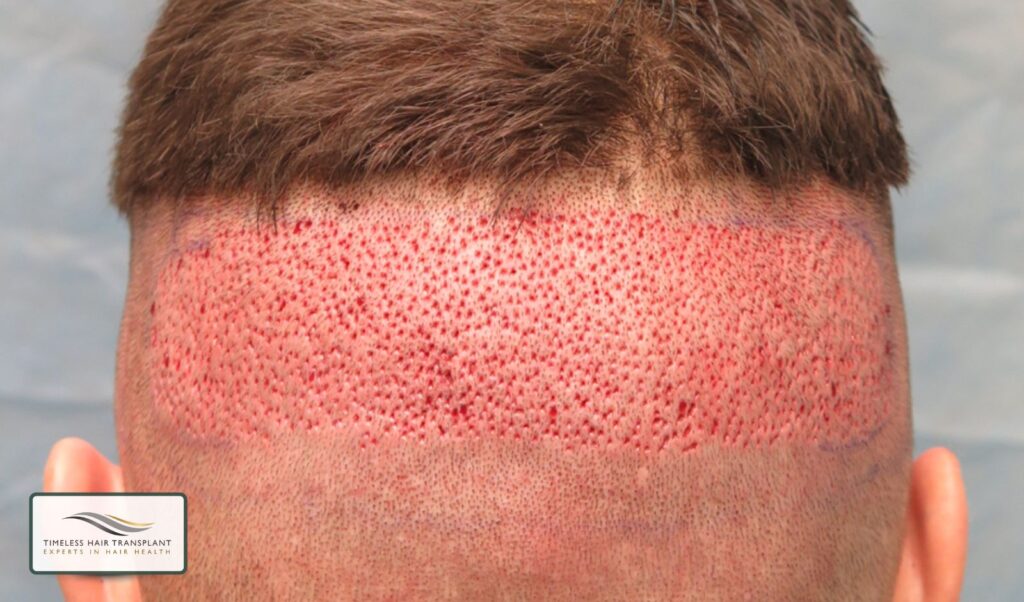
Pain in the donor area after hair transplant FUE is one of the most commonly reported sensations.
Because hair follicles are removed individually, donor sites may feel:
- Sore
- Slightly swollen
- Sensitive to touch
Patients report that donor area discomfort is usually more noticeable than discomfort in the transplanted hair area, but it responds well to simple pain relievers.
How Long Does Pain and Discomfort Last?
For most people:
- Mild discomfort lasts one to three days
- Sensitivity continues to reduce over the first week
- Normal comfort returns as healing progresses
Pain after FUE hair transplant rarely interferes with daily activities, and many patients resume light routines quickly.
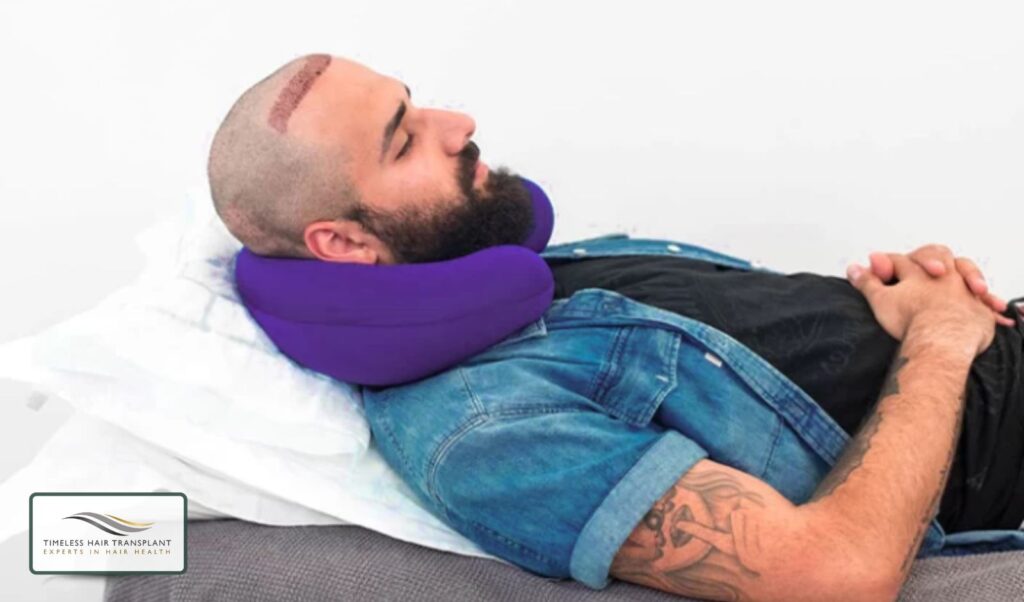
Managing Hair Transplant Pain After FUE
Managing pain after FUE hair transplants is straightforward.
Helpful steps include:
- Taking recommended pain relievers
- Avoiding touching or scratching the scalp
- Following post op care instructions
- Keeping the head elevated during early recovery
Good aftercare helps minimise side effects and supports healthy transplanted hair growth.
Does Everyone Experience Pain the Same Way?
Pain tolerance varies between individuals. Some patients report only mild discomfort, while others notice slightly more sensitivity.
Factors that influence pain levels include:
- Individual pain threshold
- Number of hair follicles transplanted
- Size of the donor and transplanted areas
- How closely post op instructions are followed
Even so, most patients agree that FUE hair transplant pain is much less than expected.
Is FUE Less Painful Than Other Hair Transplant Procedures?
Compared to other hair transplant procedures, FUE is widely considered the more comfortable option.
FUE hair transplants typically result in:
- Less pain after surgery
- Faster healing
- Reduced long term discomfort
This makes FUE a popular choice for people looking to address hair loss with minimal disruption.
Final Thoughts on FUE Hair Transplant Pain
So, is FUE hair transplant painful? For most patients, the answer is no. While mild pain or discomfort may occur after the procedure, it is usually temporary and easy to manage.
With modern techniques, local anaesthetic, and proper aftercare, FUE hair transplants offer a comfortable experience and reliable results. Understanding what to expect helps reduce anxiety and allows patients to focus on recovery and hair restoration success.
Start Your Hair Restoration Journey Today
If you are considering an FUE hair transplant and want clear guidance on pain, recovery, and what to expect, Timeless Hair Transplant is here to support you. Our team provides personalised care and expert advice from consultation through recovery.
Call us today +44 18 9524 8415 to book your free consultation.
Frequently Asked Questions
Will I feel pain during an FUE hair transplant?
Most patients do not feel pain during the procedure because the local anaesthetic numbs the scalp. You may feel light pressure, but not sharp pain.
Should I expect pain after an FUE hair transplant?
You may experience mild discomfort or soreness after the procedure, especially in the donor area. This usually improves within a few days.
Do I need strong pain medication after FUE?
Most patients manage pain with basic pain relievers. Strong medication is rarely needed.
Will pain affect my hair transplant results?
No. Mild pain or discomfort does not affect transplanted hair growth or final results when aftercare instructions are followed.
Is it normal if I feel more pain in the donor area?
Yes. The donor area is often more sensitive after FUE hair transplants, but this is temporary and part of normal healing.