
Is FUE Hair Transplant Permanent? What You Need to Know
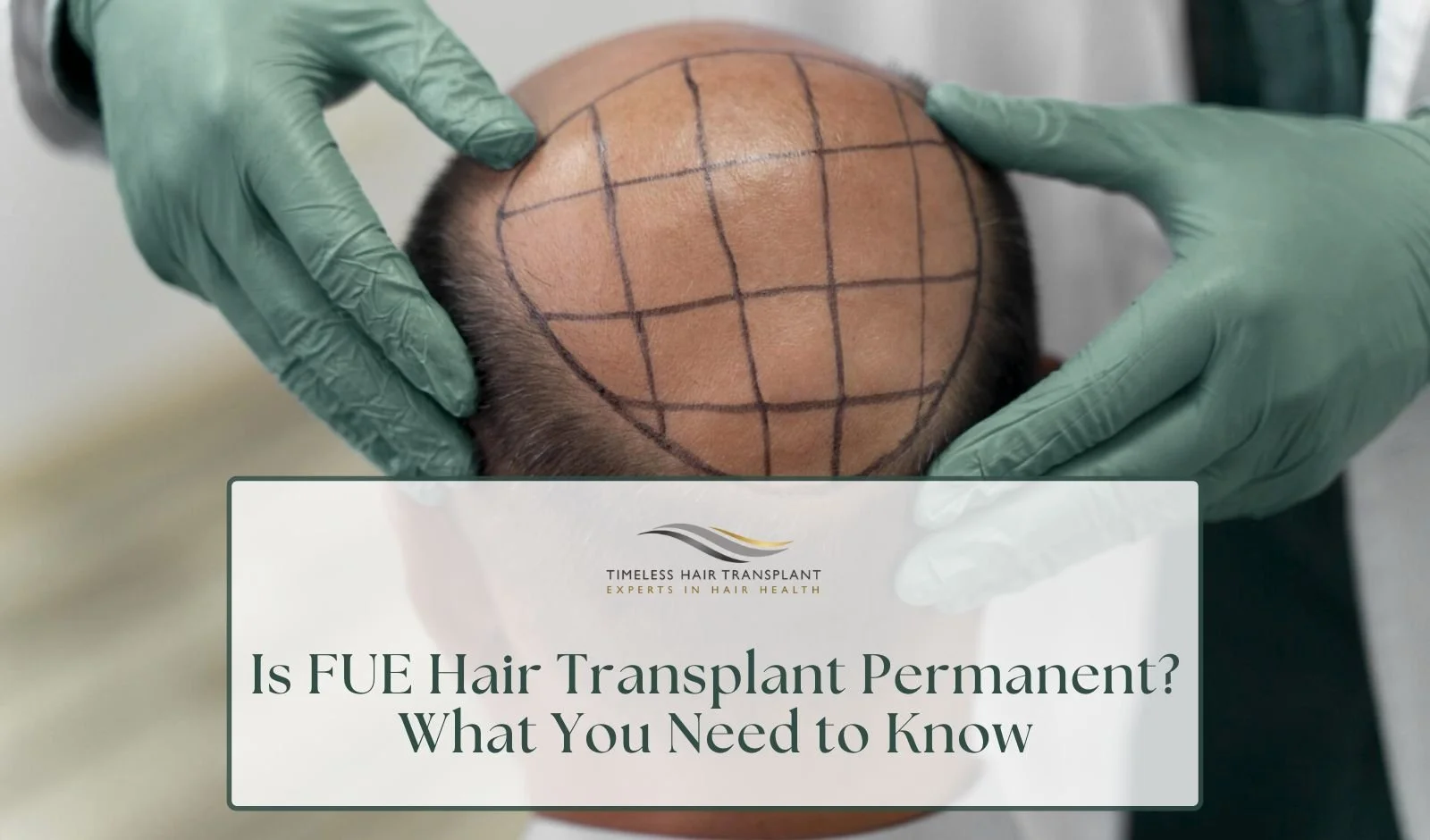
Hair loss affects millions of men and women, especially those experiencing male pattern baldness, thinning hair, or progressive recession. As concerns grow, many people begin asking the same essential question: Is FUE hair transplant permanent? With the rising popularity of modern hair restoration, understanding how long the results last can help you decide whether the procedure is right for you.
The short answer is yes. An FUE hair transplant permanent result is one of the strongest benefits of this technique. Still, it helps to understand how it works, why it lasts, and what influences the long term outcome. This guide breaks down the details so you can confidently determine whether FUE is the solution you are looking for.
Why an FUE Hair Transplant Is Permanent
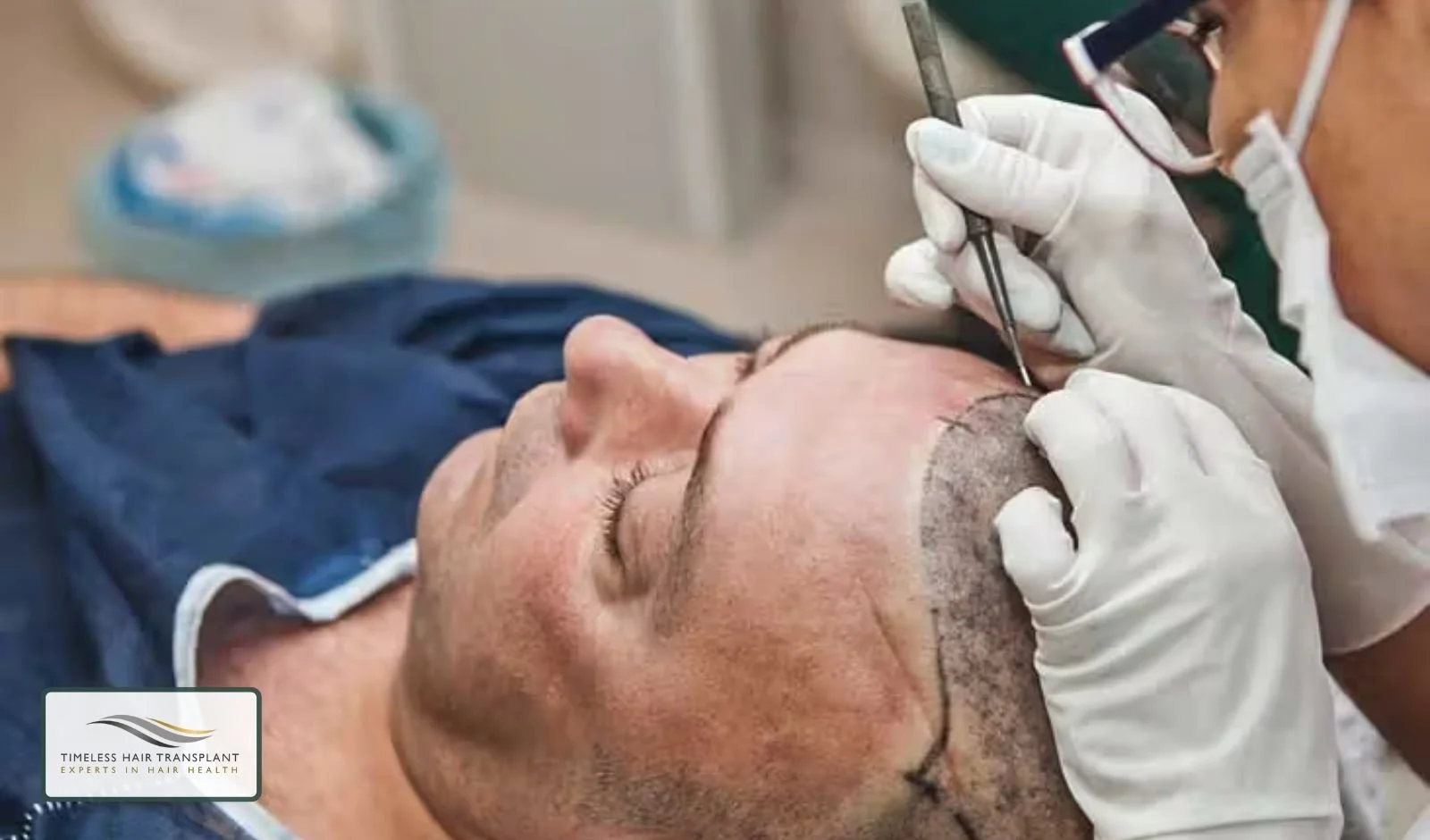
When people ask if FUE permanent or are FUE transplants permanent, the explanation always comes down to the donor hairs. The follicles used in the procedure are taken from areas that are genetically resistant to balding. These zones, found at the back and sides of the scalp, are not affected by dihydrotestosterone (DHT), the main hormone responsible for hereditary hair loss.
Once these transplanted hair follicles are placed into thinning or bald areas, they retain this resistance. They behave just as they did in the donor area, continuing to grow naturally for life. This is why an FUE hair transplant permanent result is possible when performed properly and supported by good donor supply.
After healing, the transplanted hairs look and feel like your natural hair, giving you stable density without ongoing loss from the implanted grafts.
Understanding the FUE Procedure
The Follicular Unit Extraction (FUE) method is a modern and minimally invasive approach. It focuses on precision, natural growth, and minimal downtime. Understanding the procedure helps you see why it leads to long term and lasting results.
1. Hair Assessment and Planning
A hair transplant surgeon evaluates your pattern of loss, examines the donor area, and determines the number of grafts needed. Strong donor zones are key for an FUE hair transplant permanent outcome.
2. Removing Donor Hairs
Individual hair graft units are extracted using micro-punch tools. Each graft contains one to three hairs. This technique avoids a long scar and preserves an even appearance at the back of the scalp.
3. Preparing the Recipient Sites
Small micro-incisions are made in the thinning or bald regions. These guide the angle and direction of future hair growth, ensuring that transplanted hairs blend smoothly with your existing hair.
4. Implanting the Grafts
The extracted grafts are placed into the prepared sites. Proper placement is essential, as it affects density, realism, and long term growth. This step is a major factor in achieving a fue hair transplant permanent result.
5. Early Recovery Phase
Small scabs appear and fall off naturally. Some transplanted hairs may shed in the early weeks, which is expected and does not affect the successful outcome.
6. Permanent Growth Phase
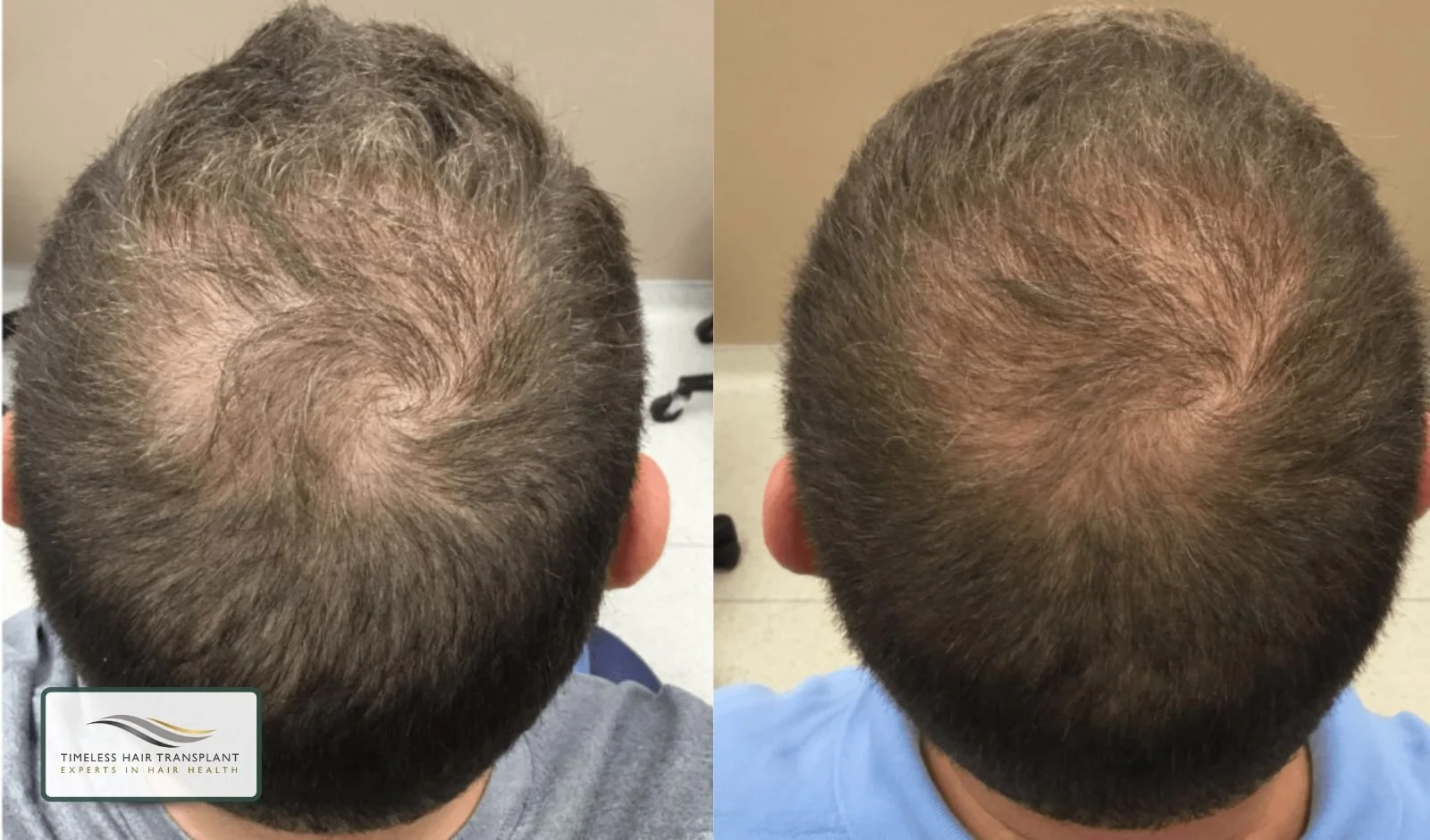
New hair growth typically begins around three months. Density increases over time, with the full result becoming visible between nine and twelve months.
FUE vs FUT: Are Both Permanent?
Both FUE and Follicular Unit Transplantation (FUT) offer permanent results, but they differ in technique.
FUE
Minimally invasive
No linear scar
Faster healing
Ideal for short hairstyles
Highly precise placement
FUT
Uses a strip of scalp from the donor area
Leaves a linear scar
Allows more grafts in one session
Both fall under hair restoration surgery, but FUE remains the most popular due to comfort and natural appearance.
Long Term Expectations After an FUE Transplant
Knowing what permanent means helps shape realistic expectations. Many people searching for FUE hair transplant permanent want to know what happens years after the procedure.
Permanent Means:
Transplanted hair will not fall out due to DHT
The hair continues to grow naturally long term
The growth cycle behaves like natural scalp hair
You can cut, style, and wash it as usual
Permanent Does Not Mean:
Instant density
No temporary shedding
That native hair around the transplant will not thin
No need for proper scalp care
Your transplanted hairs stay permanent, but your existing hair may continue to thin naturally over time.
Possible Side Effects
FUE is safe, but minor temporary side effects are possible:
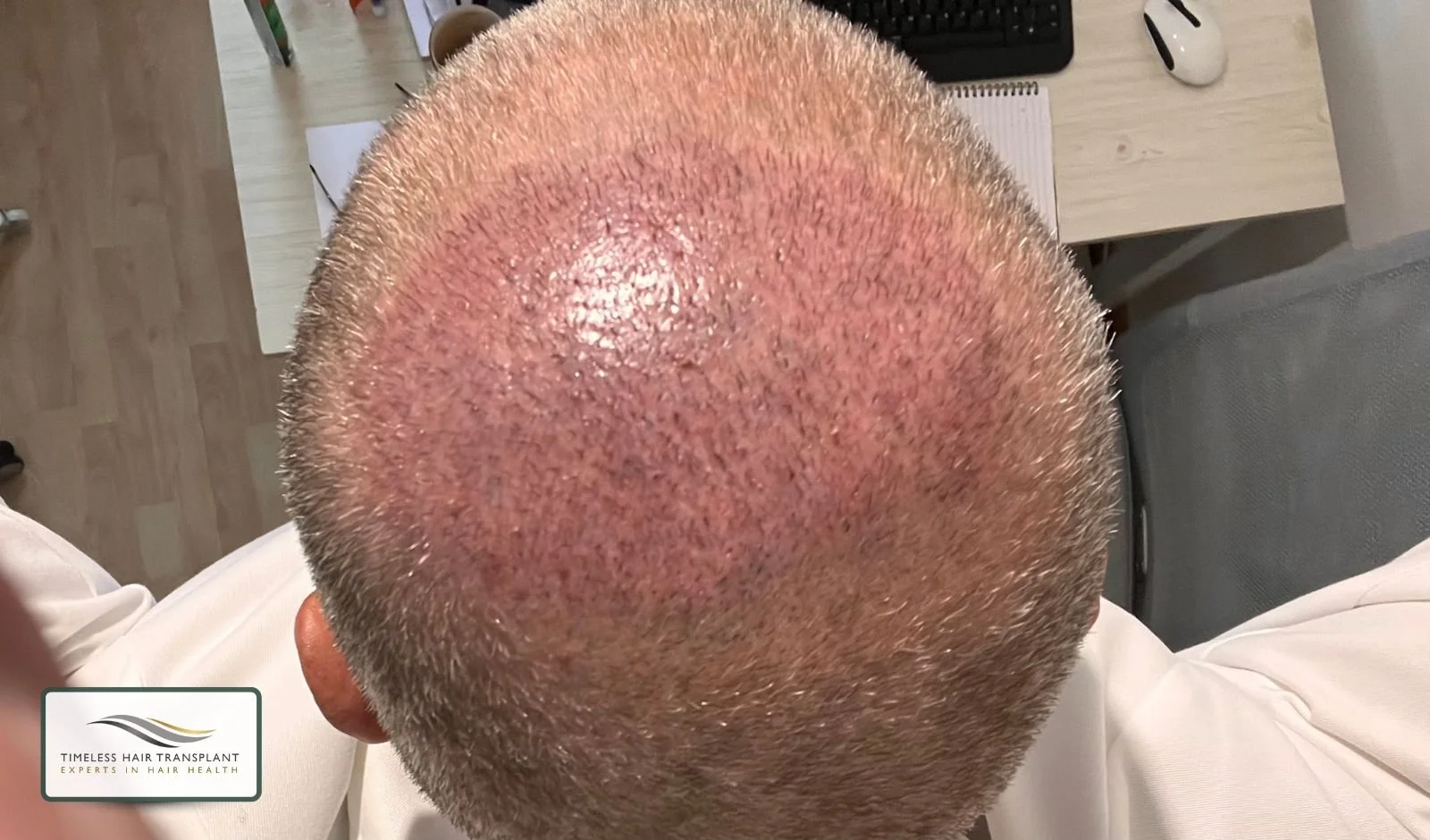
Mild swelling
Redness in the treated areas
Tiny scabs
Donor area sensitivity
Temporary shedding
These effects fade with proper care and time.
Your Trusted Experts for Permanent FUE Hair Restoration
Choosing the right team matters when you want results that last a lifetime. Many patients search for guidance using questions like is FUE permanent, is FUE hair transplant permanent, or are FUE transplants permanent. At Timeless Hair Transplant, achieving a true FUE hair transplant permanent result depends not only on advanced technique, but on accurate planning, careful donor area assessment, and precise graft placement.
Our approach prioritises natural growth patterns, strategic density, and long term stability. By ensuring that the donor area is used correctly and each graft is placed with precision, we help maximise the success and longevity of your transplanted hair. From consultation to aftercare, we provide personalised guidance designed to support permanent, natural-looking results.
If you are ready to restore your hair with confidence and achieve long term improvement, we are here to support your journey. Call us today +44 (0) 7516294471 to book your free consultation.
Frequently Asked Questions
-
Yes. FUE uses donor follicles that are genetically resistant to DHT, allowing them to grow permanently once transplanted.
-
Yes. The transplanted hairs remain permanent, although your surrounding natural hair may continue to thin due to genetics.
-
Both FUE and FUT provide permanent results, but FUE is often preferred due to its minimally invasive nature and natural-looking outcomes.
-
Their genetics. Donor hairs are taken from DHT-resistant zones and maintain that resistance after being transplanted.
-
Most people see early growth around three months. The full result appears between nine and twelve months.
-
Yes, initial shedding is normal. After this phase, permanent growth begins.
-
Yes. It is one of the most effective long term solutions for areas affected by male pattern baldness.
-
Side effects are usually mild and temporary, including redness, swelling, or slight sensitivity.
