
Beard Transplant Aftercare: What to Expect and Do
Quick Answer
What is a beard transplant after-care?
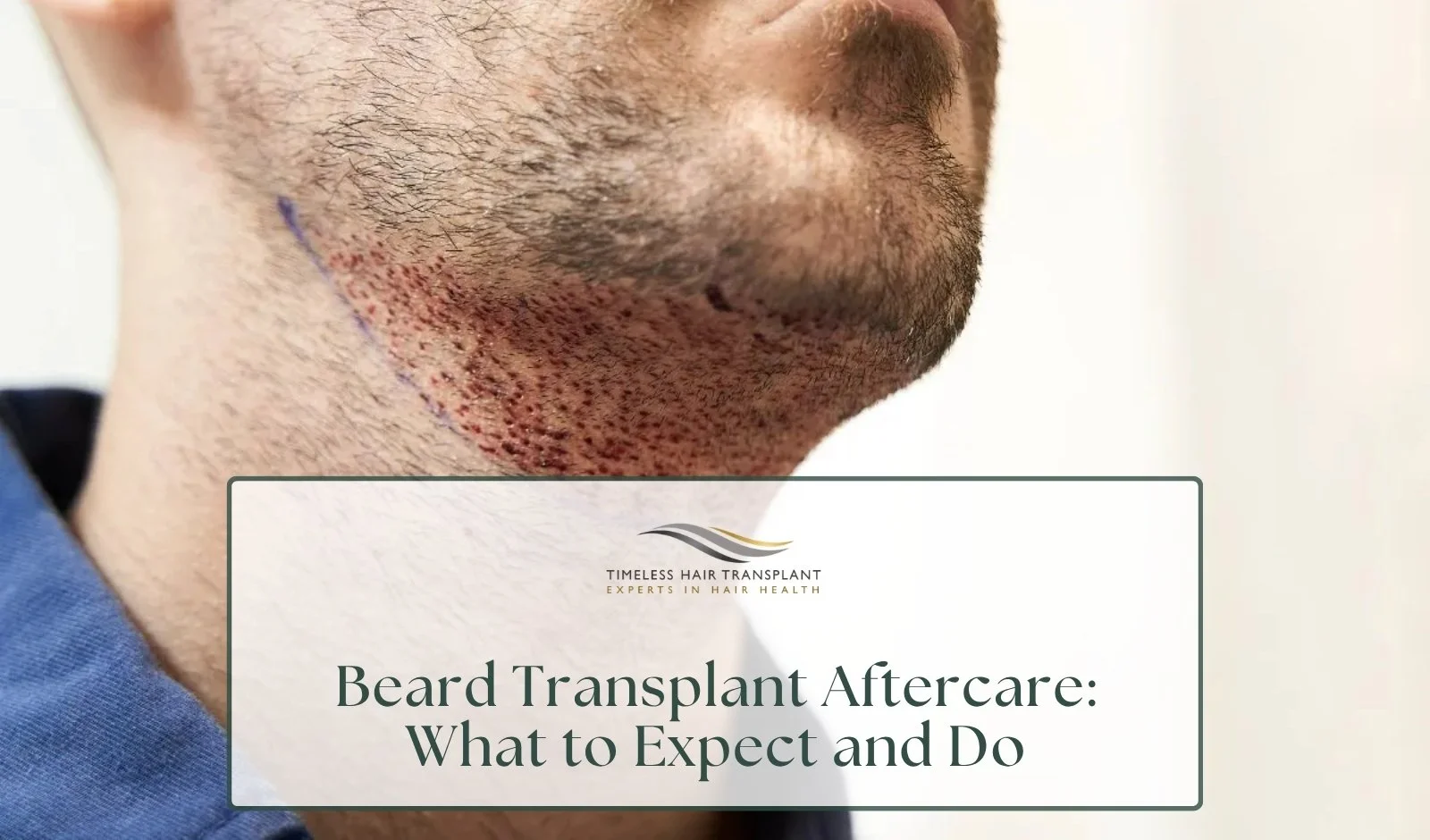
Beard transplant aftercare involves protecting the transplanted area, keeping the skin clean, and following post surgery instructions to support proper healing and hair growth. During beard transplant recovery, it is important to avoid touching the recipient area, limit strenuous activities, and care for both the donor area and beard area. Proper transplant aftercare helps ensure strong beard growth and long-term hair restoration results.
Key Takeaway
Keep the transplanted area clean and protected
Avoid touching or rubbing the beard area
Follow all post-transplant instructions carefully
Limit strenuous activities during early healing
Expect temporary shedding known as shock loss
Proper aftercare supports long-term beard growth
A beard transplant can help restore facial hair and create a fuller, more defined appearance. Whether you are looking to address patchy beard growth or hair loss in specific areas, the procedure offers a reliable, long-term solution.
However, successful results depend on more than the procedure itself. Proper aftercare is essential, as newly transplanted follicles need time to settle and enter the natural growth cycle. Following the correct post-operative guidance will help protect your results and support healthy, natural-looking beard growth.
The First Few Days After Surgery
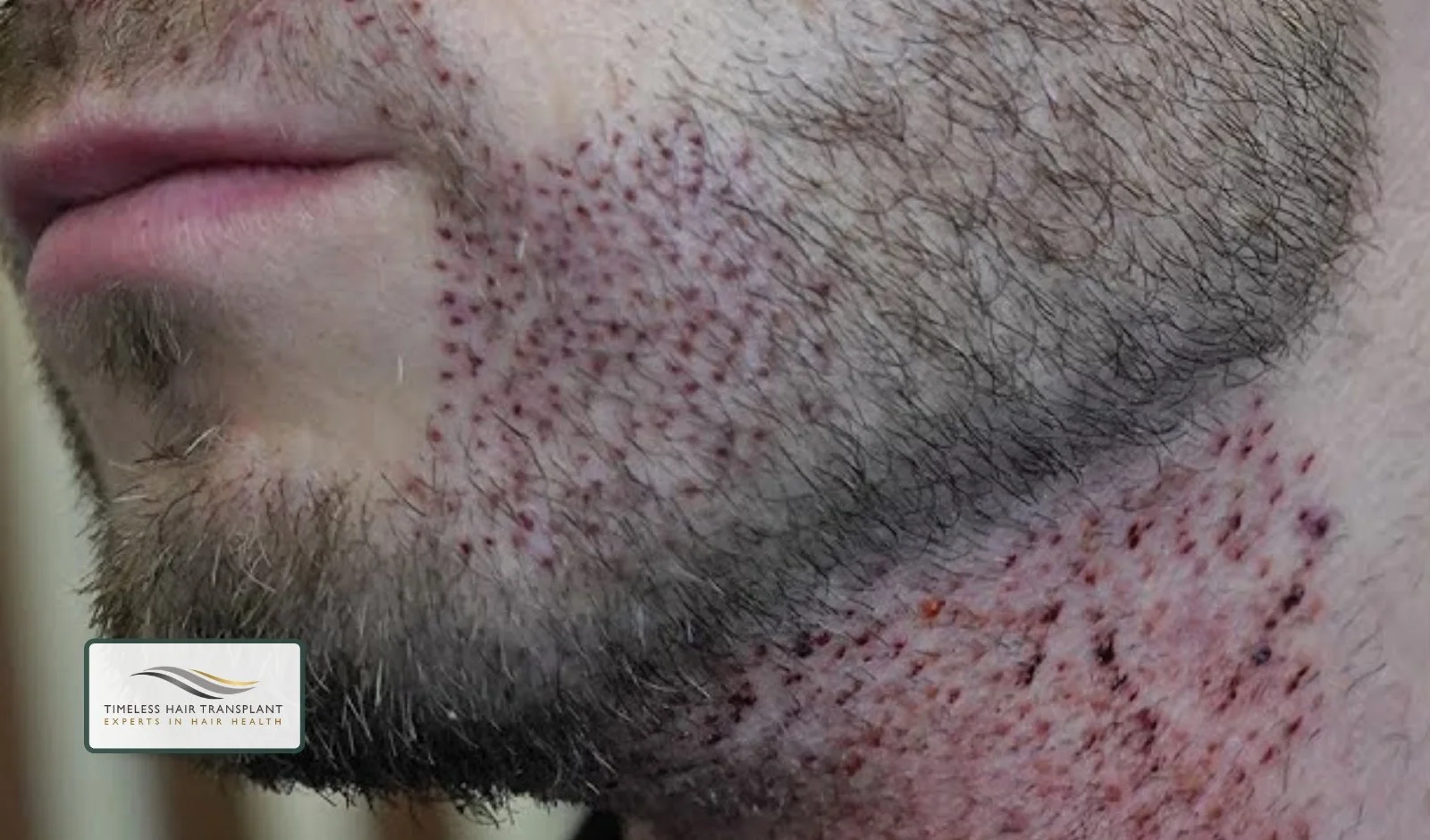
The first few days following your procedure are crucial for healing. During this time, the transplanted area will be sensitive, and the newly placed follicles are still settling into position. It is common to notice some redness, mild swelling, or small scabs in the recipient area; these are all normal parts of the healing process.
It is important to avoid touching or scratching the beard area, as even light contact can dislodge the grafts. Sleeping with your head slightly elevated can help reduce swelling and protect the treated area while it begins to heal.
Caring for the Donor Area
The donor area, typically located at the back of the scalp, also requires careful attention during recovery. You may experience mild soreness, tightness, or sensitivity in this area in the days following the procedure.
Keeping the donor area clean and following your surgeon’s aftercare advice will help minimise the risk of infection and support proper healing. In most cases, the donor site heals within one to two weeks.
Cleaning and Washing
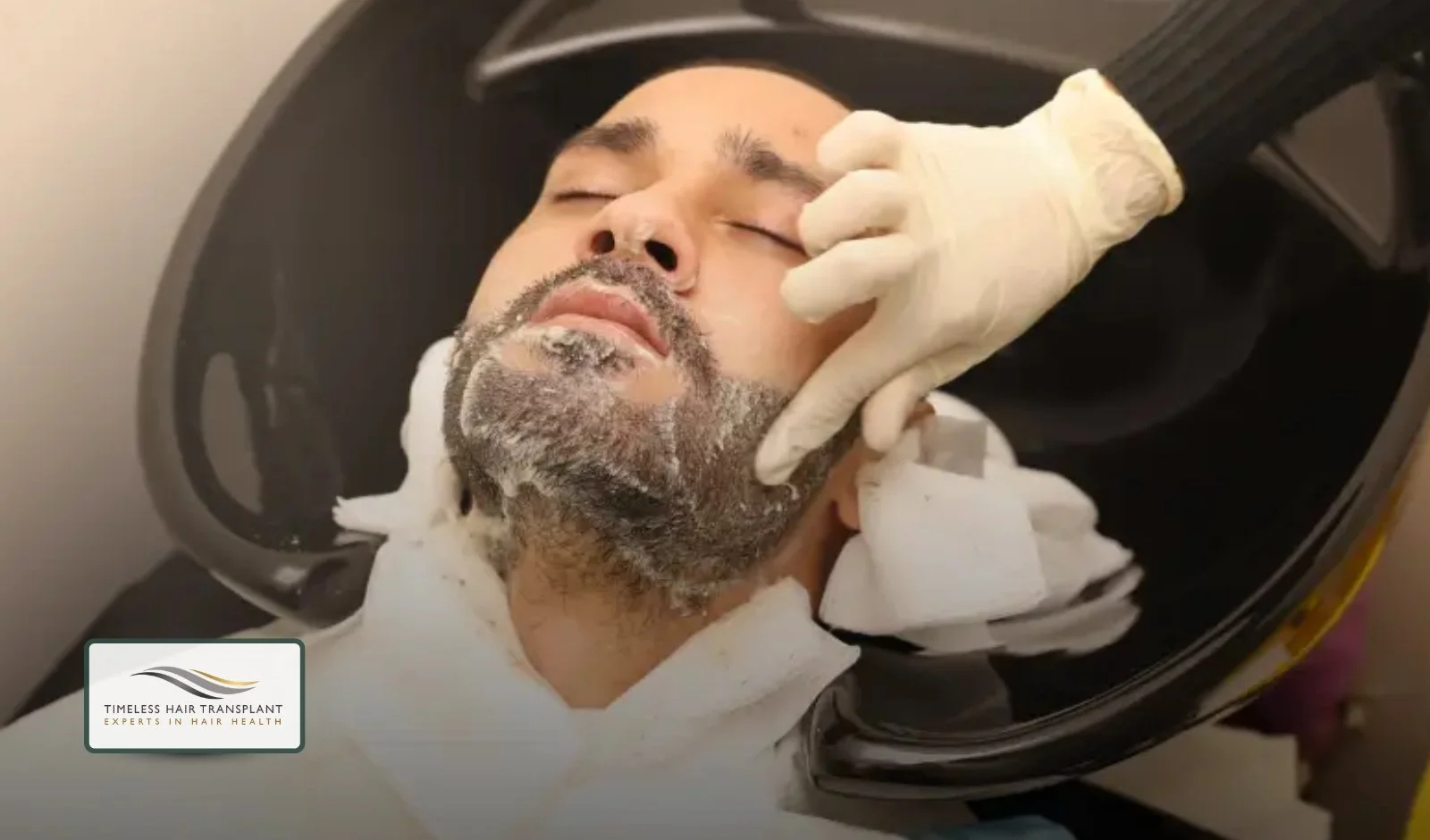
Proper cleaning is an essential part of beard hair transplant aftercare. Your clinic will advise you on when and how to begin washing the treated area to ensure the best possible results.
In the early stages, it is important to be gentle. Avoid direct water pressure on the beard area, and use only recommended, mild products. Careful washing helps remove any build-up while protecting the newly implanted grafts.
Avoiding Strenuous Activities
Strenuous activity should be avoided during the early stages of recovery. Exercise and physically demanding tasks can increase blood flow to the face and scalp, which may interfere with the healing process.
As a general guideline, it is best to avoid intense physical activity for at least one to two weeks following the procedure. Your surgeon will provide personalised advice based on your progress.
Shock Loss and Shedding
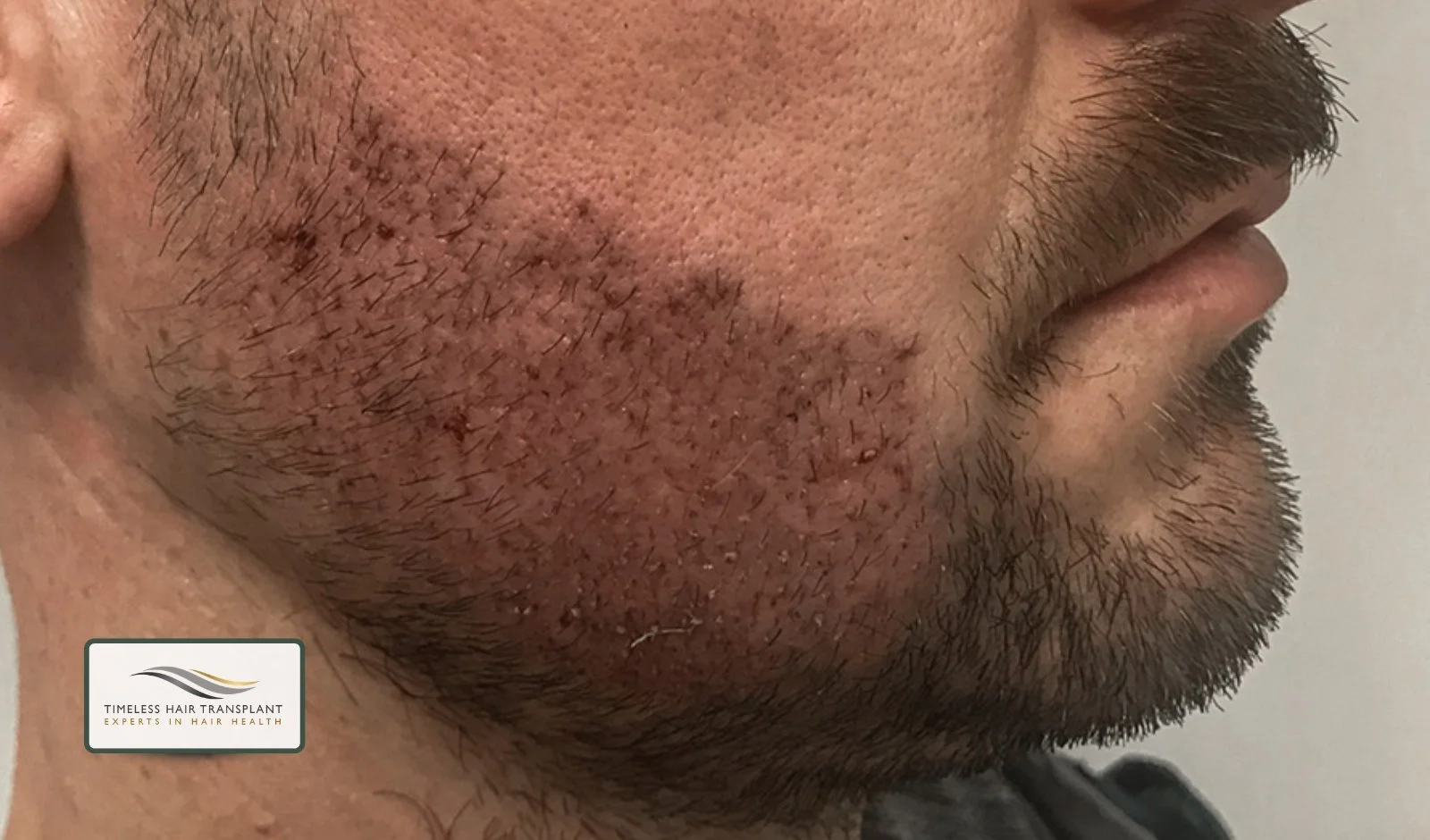
Shock loss is a common and temporary part of the beard transplant process. This refers to the shedding of transplanted hairs, which usually occurs a few weeks after the procedure.
While this can be concerning, it is entirely normal. The hair follicles remain healthy beneath the skin and will begin producing new hair in the next growth phase.
The Hair Growth Timeline
Following the initial shedding phase, the follicles enter a resting period before new growth begins. This is a natural part of the hair growth cycle.
New hair growth typically starts around three to four months after the transplant, with gradual improvements over time. Full results are usually visible within nine to twelve months, depending on individual healing and growth patterns.
Post Op Care Tips
To support successful beard transplant recovery, follow these key post op tips:
Avoid touching or scratching the recipient area
Follow cleaning instructions carefully
Avoid direct sun exposure on the beard area
Refrain from shaving until advised by your surgeon
Attend follow-up appointments
These steps help protect the transplanted area and support healthy beard growth.
Managing Expectations
It is important to have realistic expectations throughout the healing process. Hair restoration is gradual, and visible results take time to develop.
In the early months, the beard may appear uneven or patchy, but this typically improves as new hair growth progresses. With patience and proper aftercare, most patients achieve a fuller, natural-looking result.
Long-Term Beard Care
Once healing is complete, transplanted facial hair will grow and behave like your natural beard. This means you can shave, trim, and style it as you normally would.
Maintaining a consistent grooming routine, along with good skincare, will help preserve the overall appearance. Supporting your general health and following good hair care practices can also contribute to long-term results.
Final Thoughts
Beard transplant aftercare plays a vital role in achieving successful outcomes. By following post-operative guidance, protecting the treated areas, and allowing time for recovery, you give your new beard the best chance to grow strong and healthy.
Temporary changes such as shedding are a normal part of the process and should not be a cause for concern. Over time, the new hair will grow naturally and blend seamlessly with your existing facial hair, resulting in a fuller and more confident appearance.
Start Your Beard Restoration Journey
If you are considering a beard transplant or would like to learn more about aftercare, professional guidance can make all the difference to your results.
At Timeless Hair Transplant, we provide detailed aftercare advice and personalised support throughout your recovery. Call +44 (0) 7516 294471 or book a free consultation to discuss your goals and explore your hair restoration options.
Frequently Asked Questions
-
Initial healing usually takes one to two weeks, during which redness, swelling, and small scabs begin to settle. However, beard transplant recovery is a longer process overall. After the early healing phase, the transplanted hair enters a resting stage before new growth begins. Most patients see noticeable beard growth after a few months, with fuller and more defined results developing over 9 to 12 months.
-
Shock loss is a temporary shedding of transplanted hair that typically occurs a few weeks after the procedure. This happens as part of the natural hair growth cycle and does not mean the transplant has failed. The hair follicles remain intact beneath the skin and will begin producing new hair after a short resting phase. It is an expected part of beard transplant recovery.
-
Hair growth typically begins around three to four months after the procedure. In the early stages, the new hair may appear thin or uneven, but it gradually becomes thicker over time. Continued growth and improvement can be seen over several months, with most patients achieving fuller beard results within 9 to 12 months.
-
Shaving should be avoided during the early healing period to prevent irritation or damage to the transplanted area. Most surgeons recommend waiting at least 10 to 14 days before lightly trimming, and longer before using a razor directly on the skin. It is important to follow your surgeon’s specific guidance to ensure the hair follicles are fully secured before shaving.
-
Yes, mild redness and swelling are common after a beard transplant. These are normal signs of the healing process and usually improve within a few days to a couple of weeks. The level of redness may vary depending on your skin type and sensitivity. If redness persists for an extended period or worsens, it is best to consult your clinic.
-
Yes, once the transplanted hair follicles are established, the beard grows naturally just like your existing facial hair. The transplanted hair behaves like scalp hair, which means it may grow longer and require regular trimming. Over time, it blends with your natural beard and contributes to a fuller appearance.
-
With proper care and time, most patients achieve a fuller and natural-looking beard. However, results can vary depending on factors such as the number of grafts, hair density, and individual hair growth patterns. Setting realistic expectations and following aftercare guidelines can help maximise your final outcome.
