
How Much Hairfall Is Normal for Women? A Daily Guide

Quick Answer
How much hair fall is normal for women?
It is normal for women to lose around 50 to 100 hairs each day. This is part of the natural hair growth cycle, where old hairs shed to make room for new ones. However, if you notice large amounts of hair falling out, thinning hair, or bald patches, it may be a sign of excessive hair loss that needs attention.
Key Takeaway
Losing 50 to 100 hairs daily is normal
Hair shedding is part of the natural growth phase cycle
Excessive hair may indicate an underlying issue
Bald spots or thinning hair should not be ignored
Early diagnosis helps guide treatment options
Both men and women can experience abnormal hair loss
Hair fall is something most people experience daily, but it can become a concern when the amount noticeably increases. Many women begin to worry when they see more strands on their pillow, hairbrush, or in the shower drain.
If you are wondering how much hairfall in a day is normal, it is important to understand that some shedding is part of a healthy hair cycle. Each strand naturally moves through phases of growth, rest, and shedding. Knowing what is typical and what may signal an underlying issue can help you take the right steps early on.
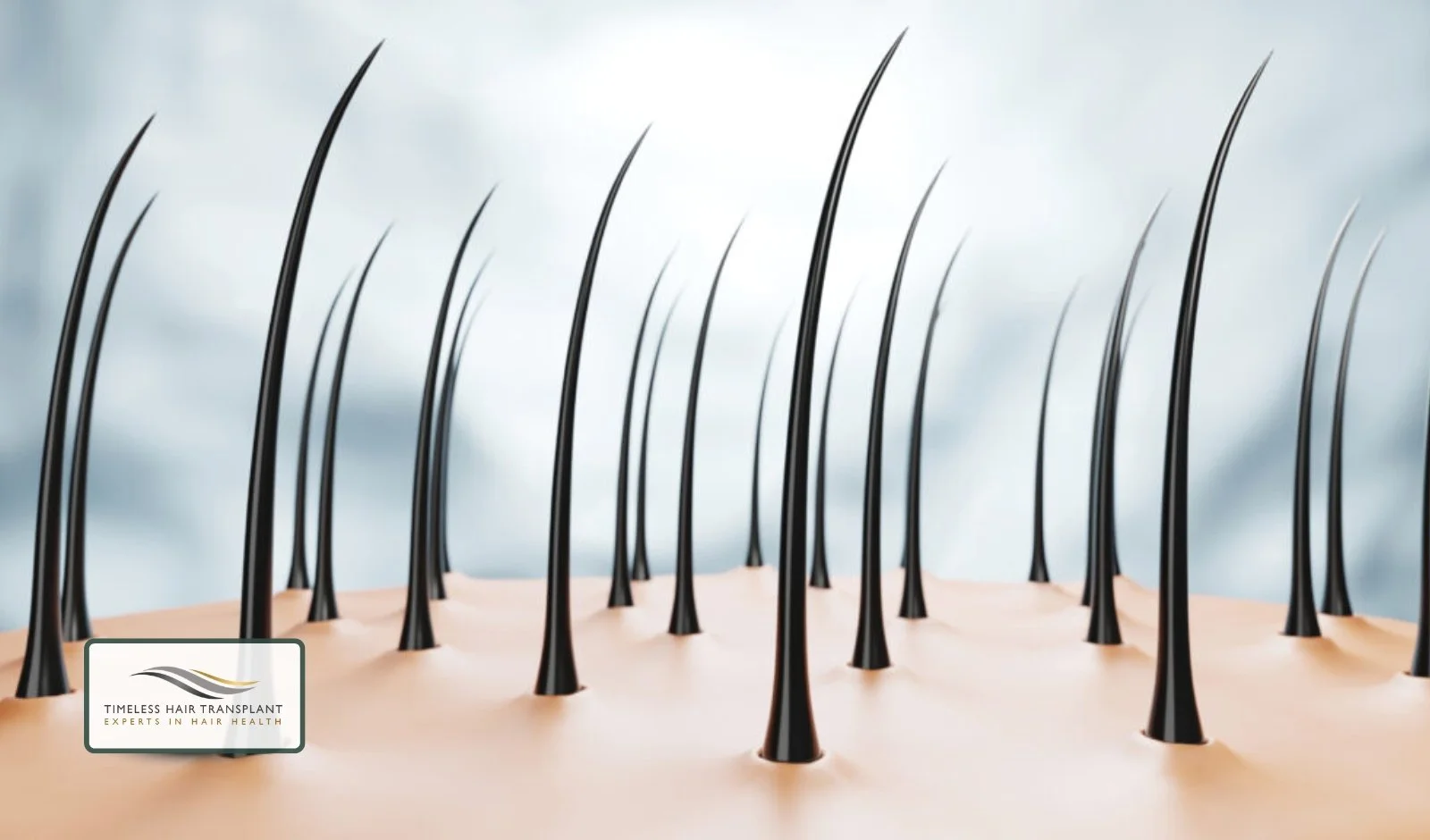
Understanding the Hair Growth Cycle
Hair growth happens in cycles, and each hair on your head goes through several phases.
These include:
Anagen phase (growth phase): This is when hair actively grows
Transition phase: Hair begins to stop growing
Resting phase: Hair prepares to shed
At any given time, a portion of your hairs shed naturally as part of this cycle. This is why losing hair every day is normal.
How Much Hairfall Is Normal for Men and Women?
On average, it is normal to lose between 50 and 100 hairs per day as part of the natural hair cycle.
With thousands of hairs on the scalp, this level of shedding does not usually affect overall volume, as new growth continuously replaces what is lost. However, if you begin to notice excessive shedding or hair falling out in larger clumps, it may indicate that the loss is beyond the normal range.

Signs of Excessive Hairfall
Excessive hair loss may be a concern if you notice:
Thinning hair across the scalp
Visible bald patches or bald spots
Hair that seems to stop growing
These signs may indicate that the hair growth cycle is disrupted or that hair follicles are not producing new strands properly.
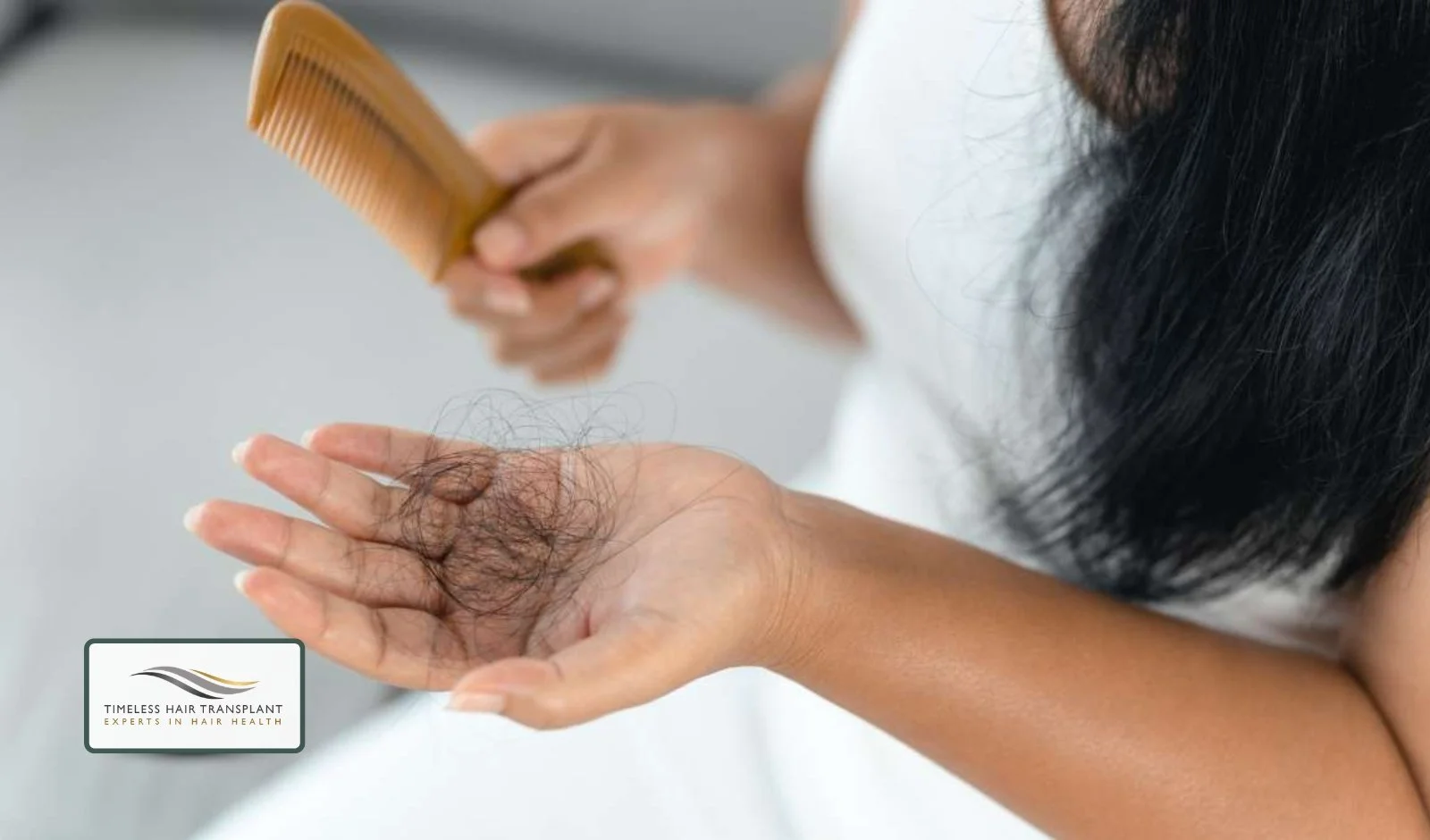
Common Causes of Increased Hairfall
There are many reasons why hair loss may increase beyond normal levels.
Some common causes include:
Hormonal changes
Stress and lifestyle factors
Poor nutrition
Frequent heat or chemical treatments
Medical conditions
A common cause of hair loss in men is male pattern baldness, while women may experience different patterns of thinning.
Hairfall in Men vs Women
Although both men and women experience daily hair shedding, the pattern of hair loss can differ significantly between the two.
Women’s Hair Loss are more likely to notice general thinning across the scalp, while men often develop a receding hairline or distinct bald patches associated with male pattern baldness. Understanding these differences can help identify the type of hair loss and guide the most appropriate hair loss treatment approach.
When Should You Be Concerned?
If you are noticing hair shedding that seems excessive or continues for several weeks, it may be time to seek professional advice.
Other warning signs include:
Sudden increase in hairfall
Bald patches appearing
Noticeable thinning of hair
Early diagnosis helps identify the cause and explore treatment options.
Treatment Options for Hair Loss
If hair loss goes beyond the normal range, several treatment options may be available depending on the cause. In many cases, simple changes such as improving diet, reducing stress, and supporting overall health can make a difference.
Medical treatments and more advanced options, such as platelet-rich plasma (PRP) therapy, may also be recommended. PRP is designed to support hair growth by improving the condition of the hair follicles. The most appropriate approach will depend on individual factors, including lifestyle, health, and the type of hair loss experienced.
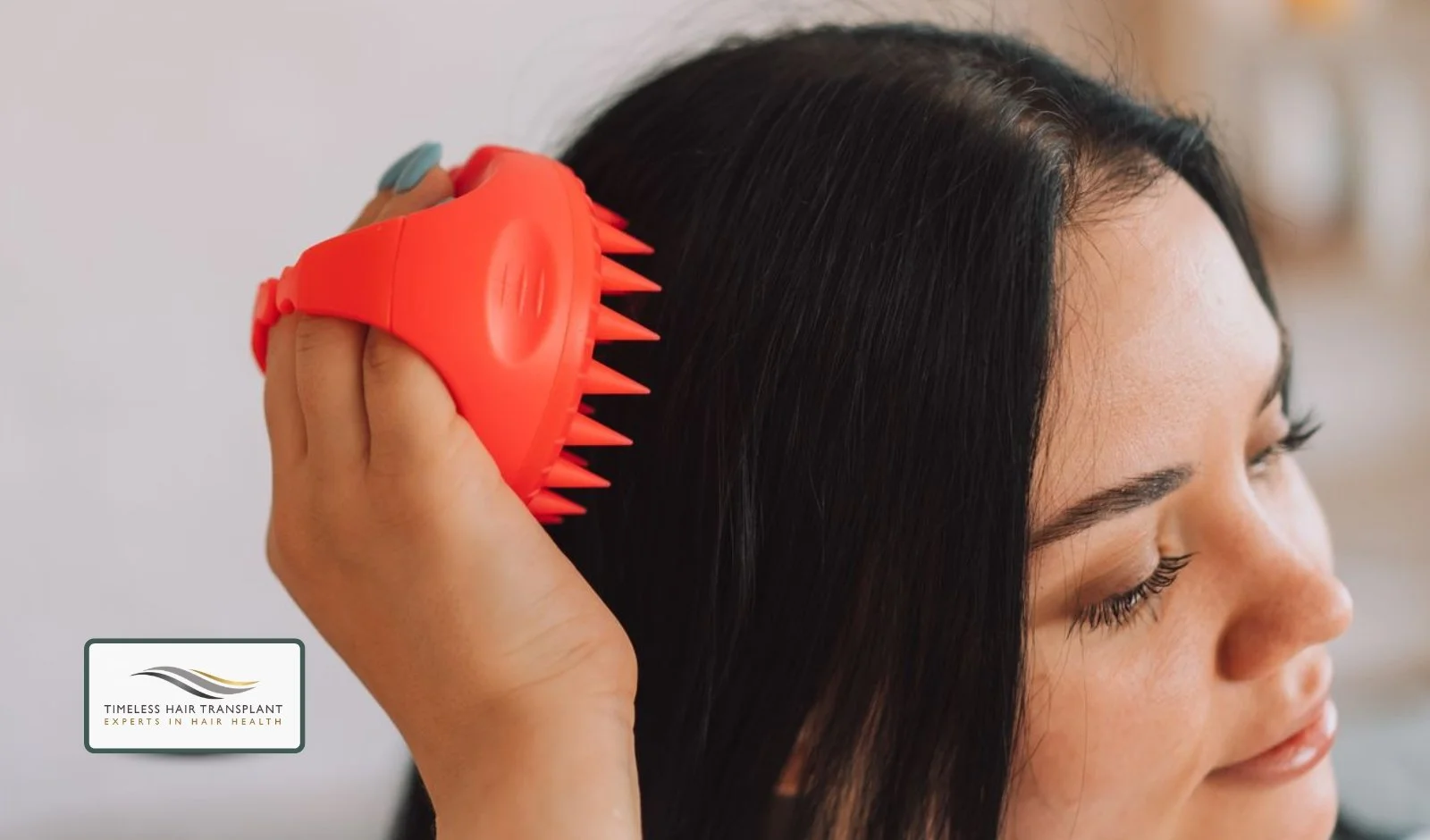
How to Support Healthy Hair Growth
Maintaining healthy habits can help reduce hair fall and support stronger hair growth.
Consider the following:
Avoid excessive heat styling and harsh treatments
Eat a balanced diet
Manage stress levels
Follow a proper hair care routine
These steps help protect the hair follicles and maintain the natural growth cycle.
Final Thoughts
Understanding how much hair fall is normal for women can help ease unnecessary concern. Losing around 50 to 100 hairs per day is a natural part of the hair growth cycle and is usually nothing to worry about.
However, excessive shedding, bald patches, or noticeable thinning may indicate an underlying issue. By recognising these changes early and seeking professional advice, you can take steps to protect your hair health and explore appropriate treatment options.
Get Expert Advice for Hair Loss Concerns
If you are experiencing hair fall beyond the normal range, professional guidance can help identify the cause and determine the most effective solution.
At Timeless Hair Transplant, we assess your hair condition, explore potential causes, and provide personalised treatment recommendations. Call +44 (0) 7516 294471 or book a free consultation to take the first step towards healthier, stronger hair.
Frequently Asked Questions
-
It is normal to lose between 50 and 100 hairs per day.
-
Yes, daily hair shedding is part of the natural growth cycle.
-
If you notice excessive hair, bald patches, or thinning hair, it may need attention.
-
Options include medications, lifestyle changes, and advanced treatments like platelet-rich plasma. It is advised to talk to your doctor about your options.
-
Yes, how often you wash your hair can influence how much hair you see shedding. Washing does not cause hair loss, but it may release hairs that are already in the resting phase. Gentle washing and proper hair care can help maintain scalp health and support hair growth.
-
Noticeable hair loss may include thinning at the top of the scalp or widening of the part. Female pattern baldness often develops gradually and may be linked to genetics.
-
A doctor may perform a pull test to check how easily hairs come out, which helps assess the severity of shedding. Conditions like alopecia areata can also cause sudden hair loss, so proper diagnosis is important to determine the right treatment approach.
