
Can I Scratch My Head After a Hair Transplant? What to Know

Quick Answer
Can I scratch my head after a hair transplant?
No, you should avoid scratching your head during the early recovery period after hair transplant surgery. Scratching can damage transplanted grafts and affect the healing process. Most patients are advised to wait at least 14 days before lightly touching the scalp, but always follow your hair transplant surgeon’s specific guidance for safe recovery.
Key Takeaway
Avoid scratching during the early recovery period
Transplanted grafts are fragile in the first 14 days
Scratching can damage hair follicles and affect results
Gentle washing helps reduce itching safely
Proper care supports long-term hair growth
Always follow your hair transplant surgeon’s advice
After a hair transplant, it is common to experience itching as the scalp begins to heal. Many patients feel the urge to scratch, particularly in the early days of recovery.
This often leads to an important question: can you scratch your head after a hair transplant? While itching is a normal part of the healing process, scratching too soon can disrupt the newly implanted grafts and affect your results. Understanding when it is safe to touch your scalp and how to manage discomfort properly can help protect your transplant and support optimal hair growth.
Why Your Scalp Itches After a Hair Transplant
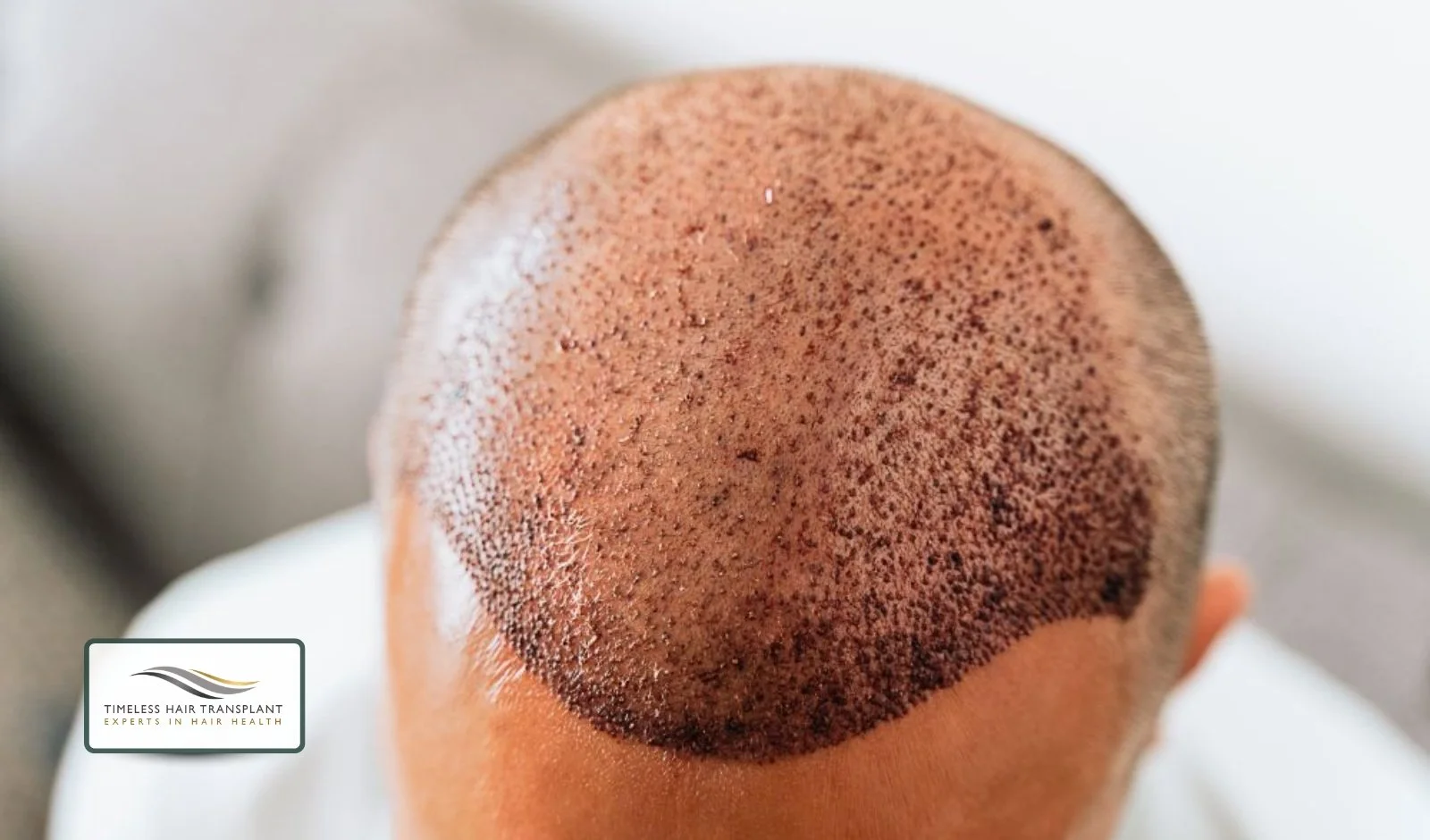
Itching is a normal response during the healing process. After hair transplant surgery, the scalp undergoes repair as hair follicles settle into the transplanted area.
Several factors can cause itching, including:
Formation of small scabs in the recipient area
Dryness of the scalp
Healing of the donor area
Increased blood flow to support hair growth
This sensation is temporary and usually improves as the scalp heals.
Why You Should Avoid Scratching
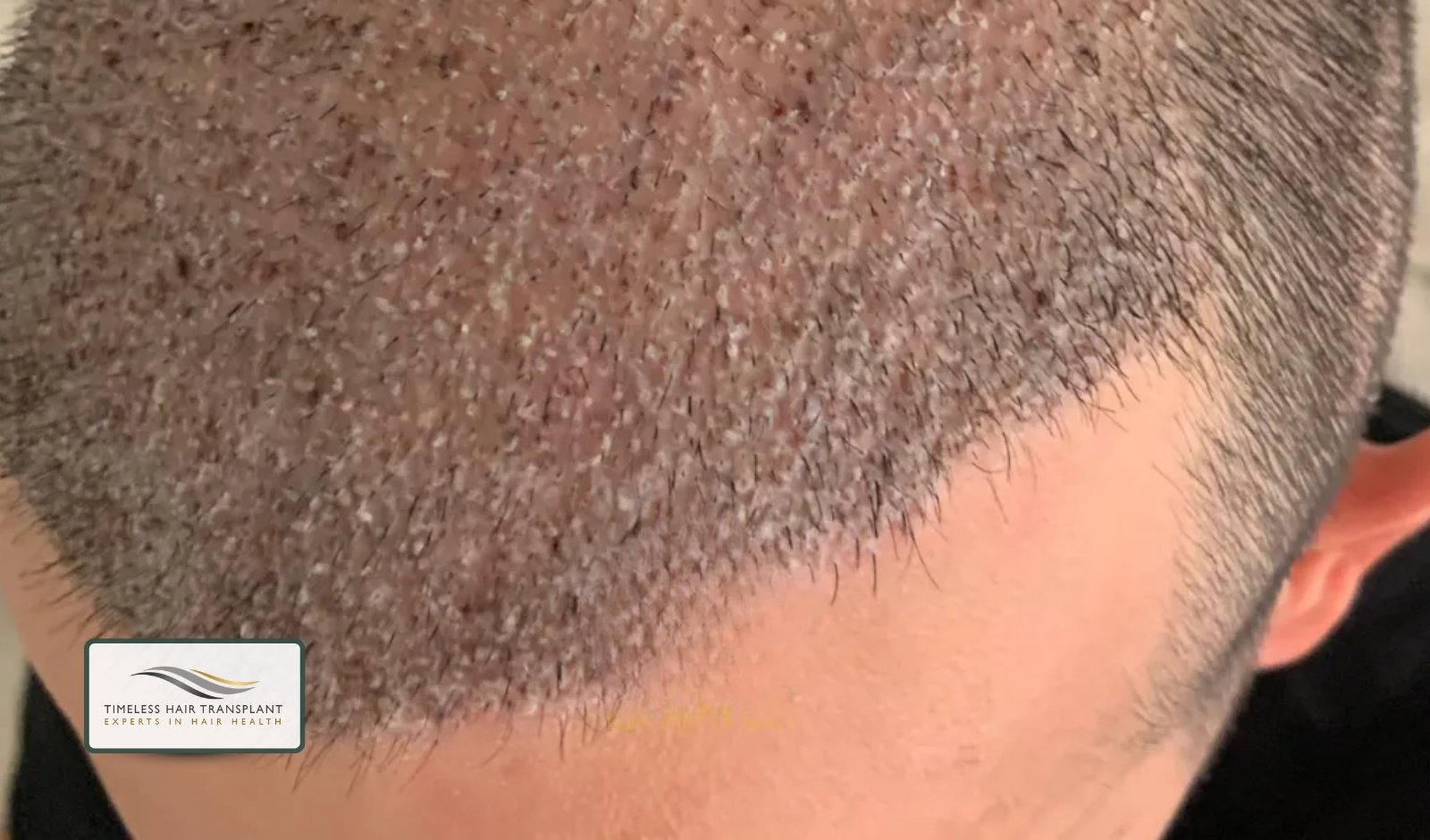
Scratching your scalp too soon after a hair transplant can damage the newly placed grafts and affect your final results. During the early recovery period, each graft is still settling into position, and even light pressure or friction can dislodge it before it fully anchors.
Scratching can also increase the risk of infection, particularly if bacteria from your hands come into contact with the healing skin. Protecting the treated area during this stage is essential to support healthy growth and ensure the best possible outcome.
When Can You Scratch Your Head After a Hair Transplant?
Most patients are advised to avoid scratching their scalp for at least 14 days following the procedure. By this stage, the grafts are generally more secure, and the risk of dislodging them is significantly reduced.
Even after this period, it is important to be cautious. If contact is unavoidable, it should be very gentle. Your surgeon’s aftercare advice should always be followed, as recovery timelines can vary from person to person.
What About One Month After a Hair Transplant?
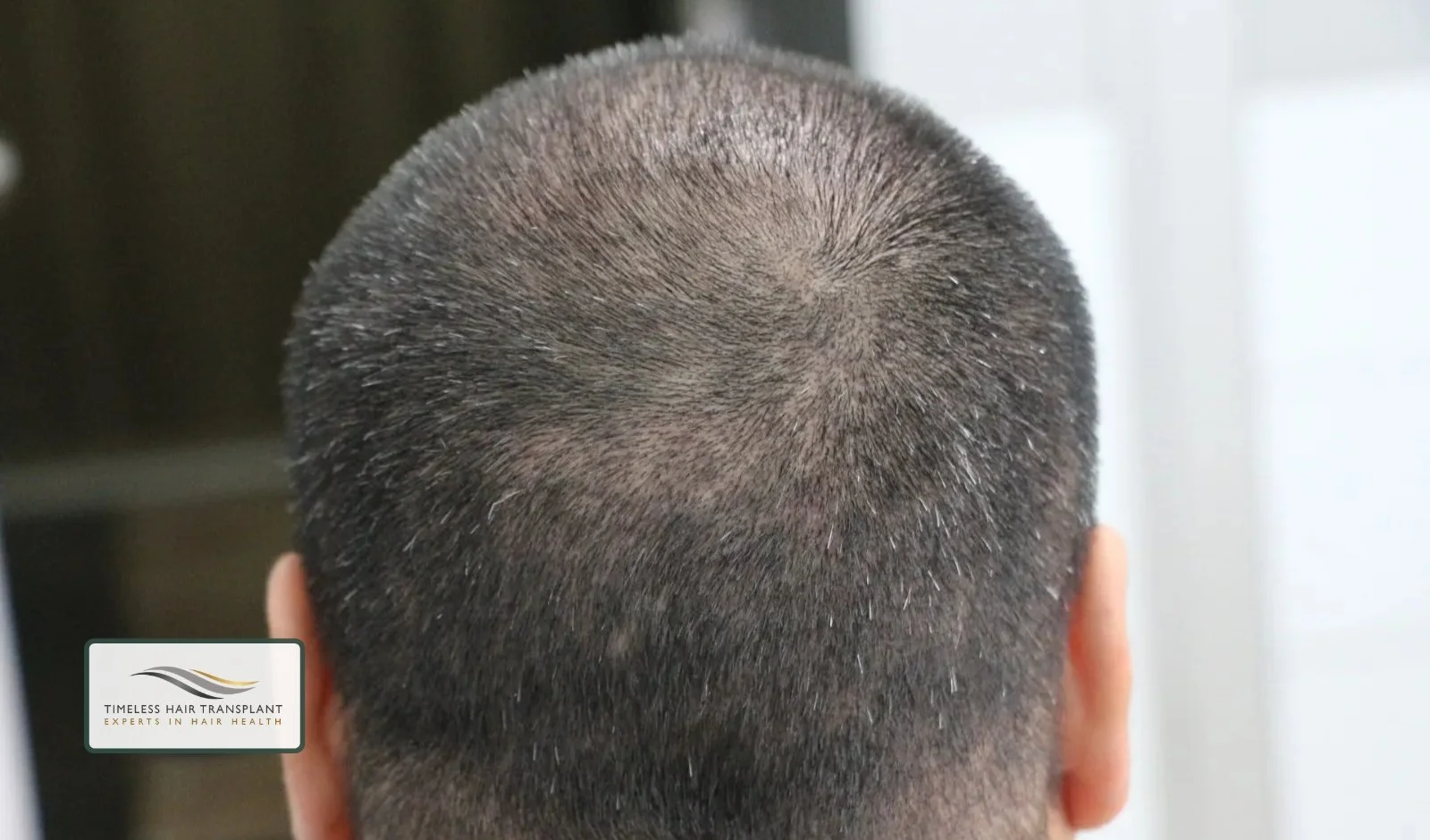
A common question is whether it is safe to scratch your head one month after a hair transplant. At this stage, the transplanted follicles are usually well established, and the scalp is more stable.
However, excessive or aggressive scratching should still be avoided, as it can irritate the scalp and disrupt the healing environment. Treating the area with care will continue to support healthy hair growth and long-term results.
Safe Ways to Relieve Itching
Instead of scratching, there are safer ways to manage itching during the recovery period.
These include:
Using medicated shampoos recommended by your clinic
Practising gentle washing with lukewarm water
Keeping the scalp clean and hydrated
Following post hair transplant care instructions
Gentle washing helps remove scabs and reduce irritation without damaging the hair follicles.
The Role of Proper Hair Washing
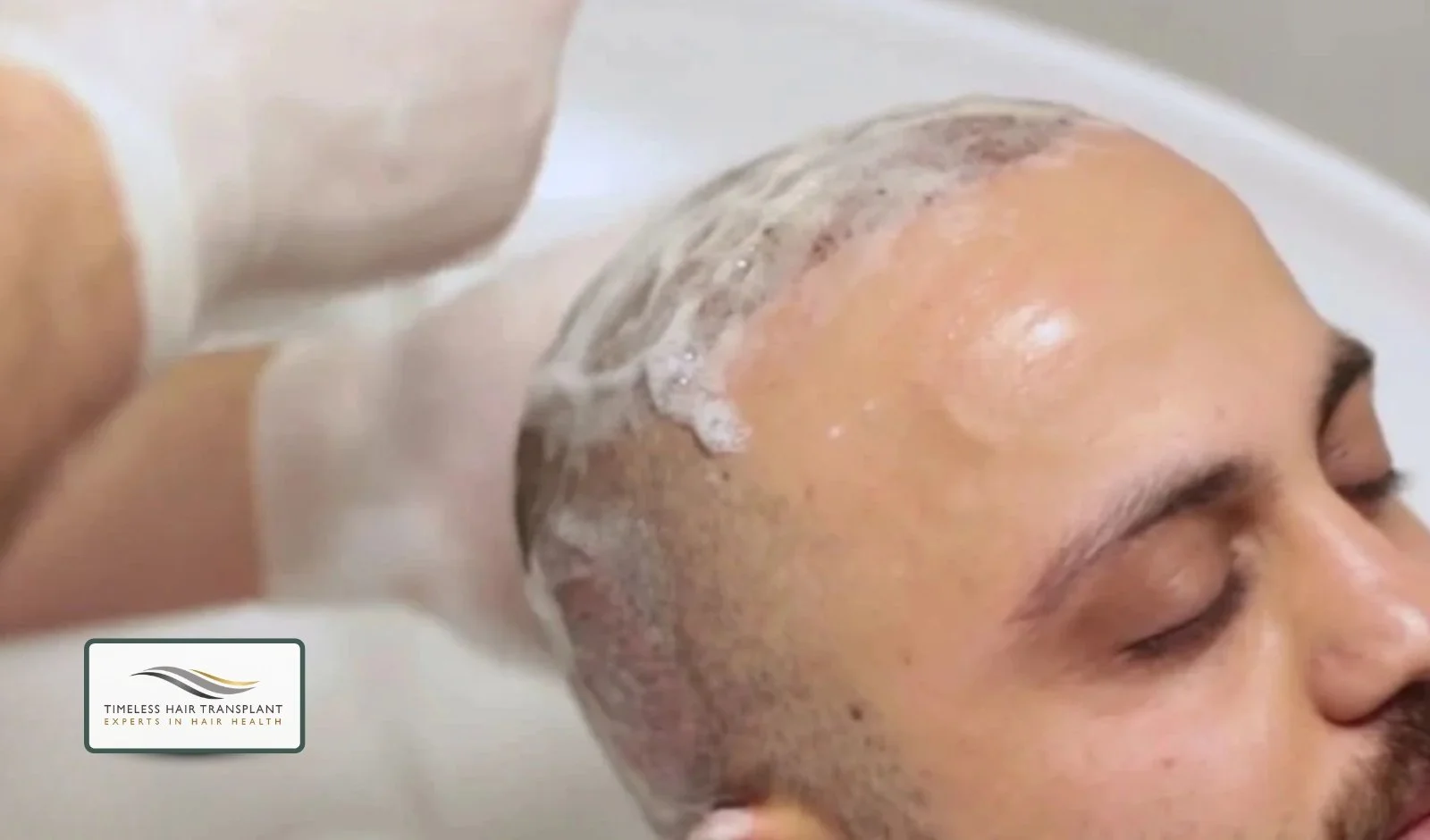
Washing your hair correctly is an important part of managing discomfort after a hair transplant. Using lukewarm water and gentle techniques helps to keep the scalp clean without disturbing the newly implanted grafts.
It is important to avoid strong water pressure and vigorous rubbing in the early stages. Your clinic may also recommend medicated shampoos to help soothe the scalp and support healing. Good hygiene not only reduces irritation but also helps maintain a healthy environment for hair growth.
What Happens If You Accidentally Scratch?
Light or accidental contact with the scalp may not always cause damage, particularly after the initial healing phase. However, repeated or forceful scratching can dislodge grafts and interfere with recovery.
If you do accidentally scratch your scalp and notice bleeding, increased discomfort, or any changes in the treated area, it is best to contact your clinic for advice. Prompt guidance can help prevent complications and protect your results.
Understanding the Healing Timeline
The recovery period after a FUE hair transplant follows a gradual timeline:
First few days: Scalp is sensitive; avoid all contact
First 7 days: Scabs begin to form, and healing continues
Around 14 days: Grafts become more secure
One month: Scalp is more stable, but still sensitive
Following this timeline helps protect transplanted hair and supports the healing process.
Long-Term Care and Hair Growth
Once the healing process is complete, the transplanted hair follicles will begin to grow naturally. New hair growth typically starts within a few months, with fuller results becoming more noticeable over time.
Maintaining good scalp care and avoiding unnecessary irritation can support long-term success. Even after recovery, treating your scalp gently will help protect your results and maintain healthy hair growth.
Final Thoughts
So, can you scratch your head after a hair transplant? During the early recovery period, particularly within the first 14 days, it is important to avoid scratching completely. This is the most critical stage for allowing the grafts to settle securely.
After this period, light contact may be acceptable, but care should still be taken. Managing itching through proper aftercare, gentle washing, and recommended products is the safest approach. Following your surgeon’s advice and allowing time for recovery will help ensure the best possible outcome.
Get Expert Support for Your Recovery
If you have concerns about aftercare or how to manage itching safely, professional guidance can make a significant difference to your results.
At Timeless Hair Transplant, we provide detailed aftercare instructions and personalised support throughout your recovery. Call +44 (0) 7516 294471 or book a free consultation to help you achieve the best possible outcome from your hair transplant.
Frequently Asked Questions
-
No, scratching should be avoided during the early recovery period to protect transplanted grafts. In the first days after hair transplant surgery, the hair follicles are still settling into the scalp. Scratching can dislodge these grafts, damage the transplanted area, and increase the risk of infection. It is important to let the healing process progress naturally and follow your surgeon’s aftercare advice.
-
Most patients should wait at least 14 days before lightly touching the scalp. By this time, the transplanted grafts are more secure, and the risk of dislodging them is lower. However, even after 14 days, you should avoid aggressive scratching and treat the scalp gently to protect ongoing healing and hair growth.
-
After one month, the transplanted hair follicles are generally well established, and light contact may be safe. However, scratching should still be done carefully to avoid irritation or damage to the scalp. Even at this stage, the skin may still be sensitive, so gentle care is recommended to support continued hair growth.
-
Itching is part of the natural healing process as the scalp recovers and hair follicles settle into the transplanted area. It can be caused by scab formation, dryness, and increased blood flow to the scalp. While it may feel uncomfortable, itching is usually temporary and improves as the healing process progresses.
-
Instead of scratching, you can relieve itching through safer methods such as gentle washing with lukewarm water, using medicated shampoos recommended by your clinic, and keeping the scalp clean. Following proper aftercare instructions helps reduce irritation and protects the transplanted hair follicles during recovery.
-
Yes, scratching can dislodge hair grafts, damage hair follicles, and interfere with the healing process. This may affect hair growth and potentially impact the final results of the transplant. Avoiding scratching, especially in the early recovery period, is essential for protecting your investment.
-
Yes, mild itching is a normal part of the healing process. It usually indicates that the scalp is recovering and that the skin is repairing itself. However, excessive itching or discomfort should be discussed with your clinic to ensure proper care.
-
The scalp becomes more stable after a few weeks, but full healing continues over time. While the surface may appear healed within 2 to 3 weeks, deeper healing and hair growth progress over several months. Following proper aftercare throughout this period helps ensure the best long-term results.
-
If you accidentally scratch your scalp, try not to panic. A light touch may not cause damage, especially if you are past the early healing stage. However, if you notice bleeding, increased redness, pain, or any signs of irritation in the transplanted area, it is important to contact your clinic for advice. Your hair transplant surgeon can assess whether the hair grafts were affected and guide you on the next steps to protect the healing process.
-
To achieve the best final results, it is essential to follow all aftercare instructions provided by your clinic. This includes avoiding irritation, not scratching the transplanted area, and practising gentle washing techniques. Maintaining proper scalp hygiene, using recommended products, and attending follow-up appointments all support healthy hair growth. Consistency and patience during the recovery period play a key role in achieving strong, natural-looking results over time.
