
Best Time to Get a Hair Transplant: What You Should Know
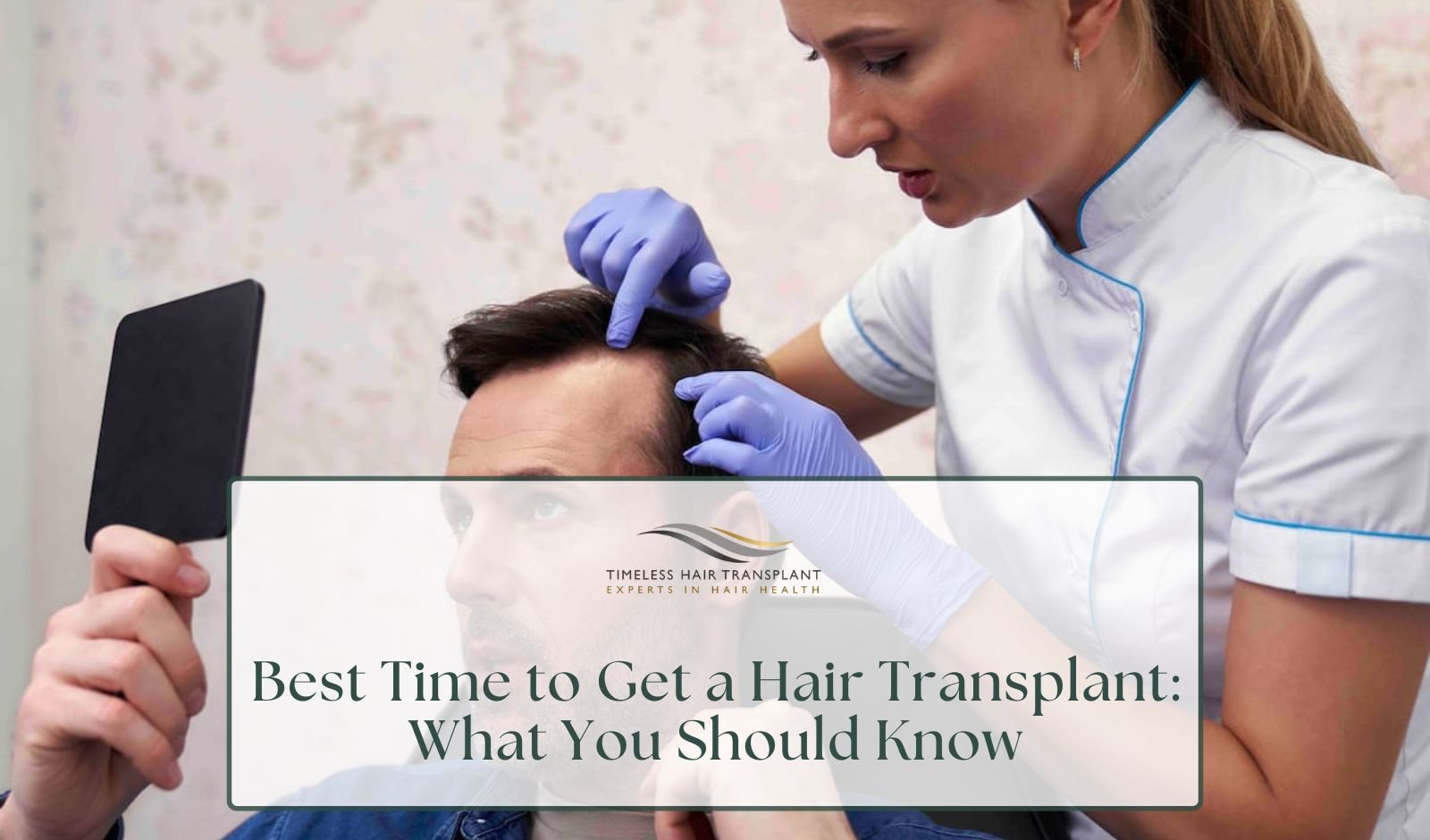
Hair loss affects many people at different stages of life, often leading them to consider hair transplant surgery as a long-term solution. One of the most common questions patients ask is about timing. More specifically, when is the best time to get a hair transplant, and does the time of year really matter?
The truth is that choosing the right time plays an important role in recovery, comfort, and overall results. This guide explains what factors influence timing, how seasons affect healing, and how to decide the best time for a hair transplant based on your lifestyle and goals.
Why Timing Matters for a Hair Transplant
A hair transplant is not just about the procedure itself. The weeks and months after surgery are just as important. During this period, hair follicles heal, settle, and begin new hair growth.
The best time to get hair transplant treatment is often when you can:
Follow proper post-operative care
Limit sun exposure
Take time off work if needed
Allow the scalp to heal without pressure
Planning helps ensure a smoother recovery and better long-term hair restoration results.
Considering Hair Loss and Its Progression
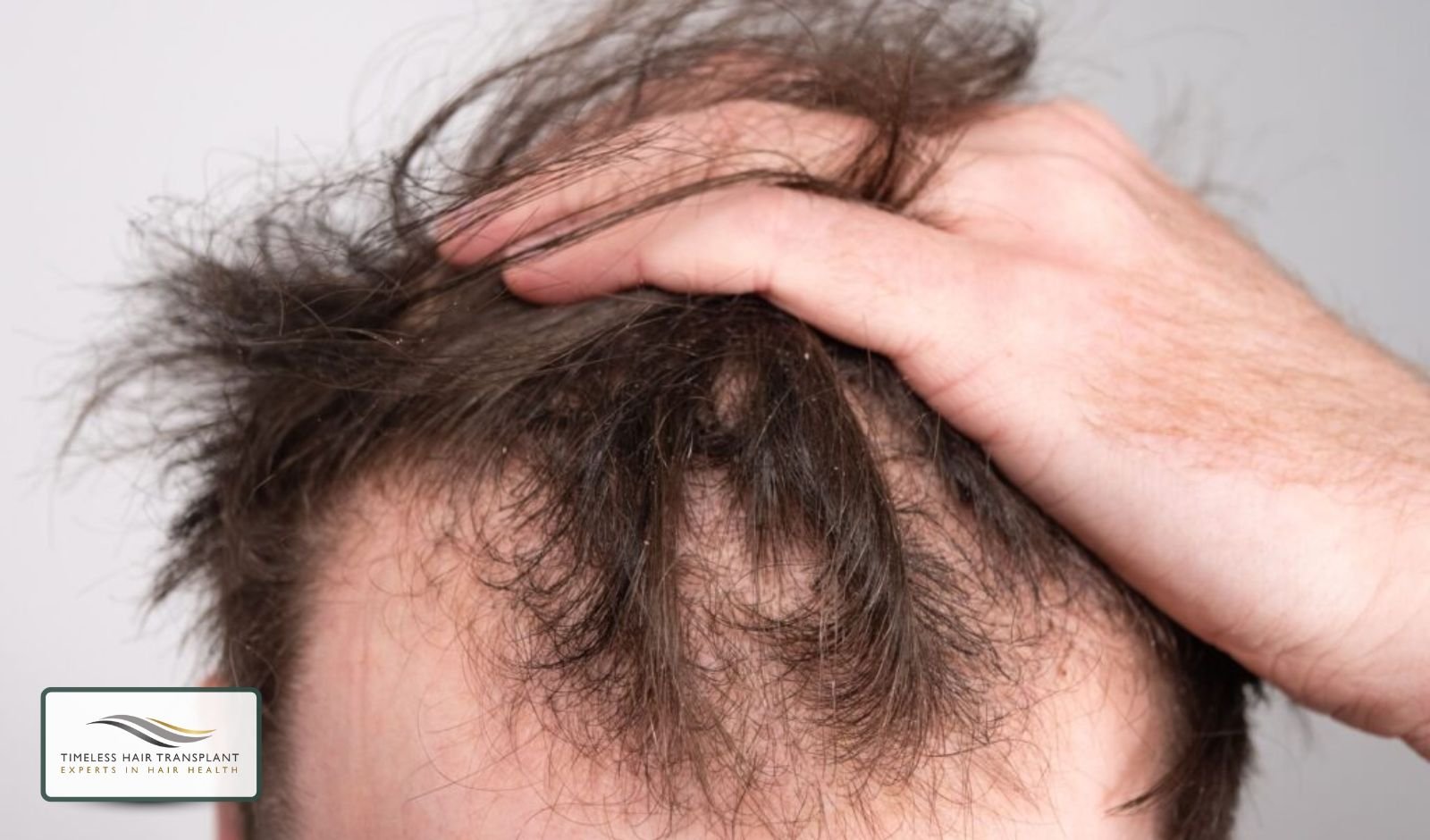
Before deciding when is the best time to get a hair transplant, it is important to understand your hair loss pattern and what causes hair loss in your case.
Many patients experience male pattern baldness, which progresses gradually due to genetic and hormonal factors. A consultation helps determine whether hair loss has stabilised enough for surgery. Transplanting too early may require future procedures if hair loss continues.
Choosing the right time also means selecting a point when hair loss patterns are clear and predictable, allowing for better long-term planning and more natural results.
Does the Time of Year Matter?
The time of year can influence comfort during recovery, but there is no single “perfect” season for everyone.
Winter and Cooler Months
Many patients prefer winter because:
Less sun exposure reduces irritation
Cooler weather limits sweating
Wearing hats is more comfortable
Healing is often easier to manage
Summer Hair Transplant Considerations
A summer hair transplant is possible, but it requires extra care. Heat, sweat, and sun exposure can make recovery slightly more challenging.
If you choose summer, you must be mindful of:
Protecting the scalp from sunlight
Avoiding excessive sweating
Following strict post-operative care
So, when is the best time to get hair transplant surgery? Often, cooler months offer more comfort, but good planning makes any season workable.
Choosing the Right Time Based on Your Schedule
Beyond the time of year, your personal schedule matters just as much.
Time Off Work:
Most patients take several days to a week off work. Swelling, redness, and scabbing are common in the first days post surgery.
Choosing a time when you can rest and recover without pressure makes the experience smoother.
Social and Travel Plans:
It is best to avoid major events, holidays, or travel immediately after surgery. Allowing enough time for healing helps reduce stress during recovery.
Hair Transplant Techniques and Timing
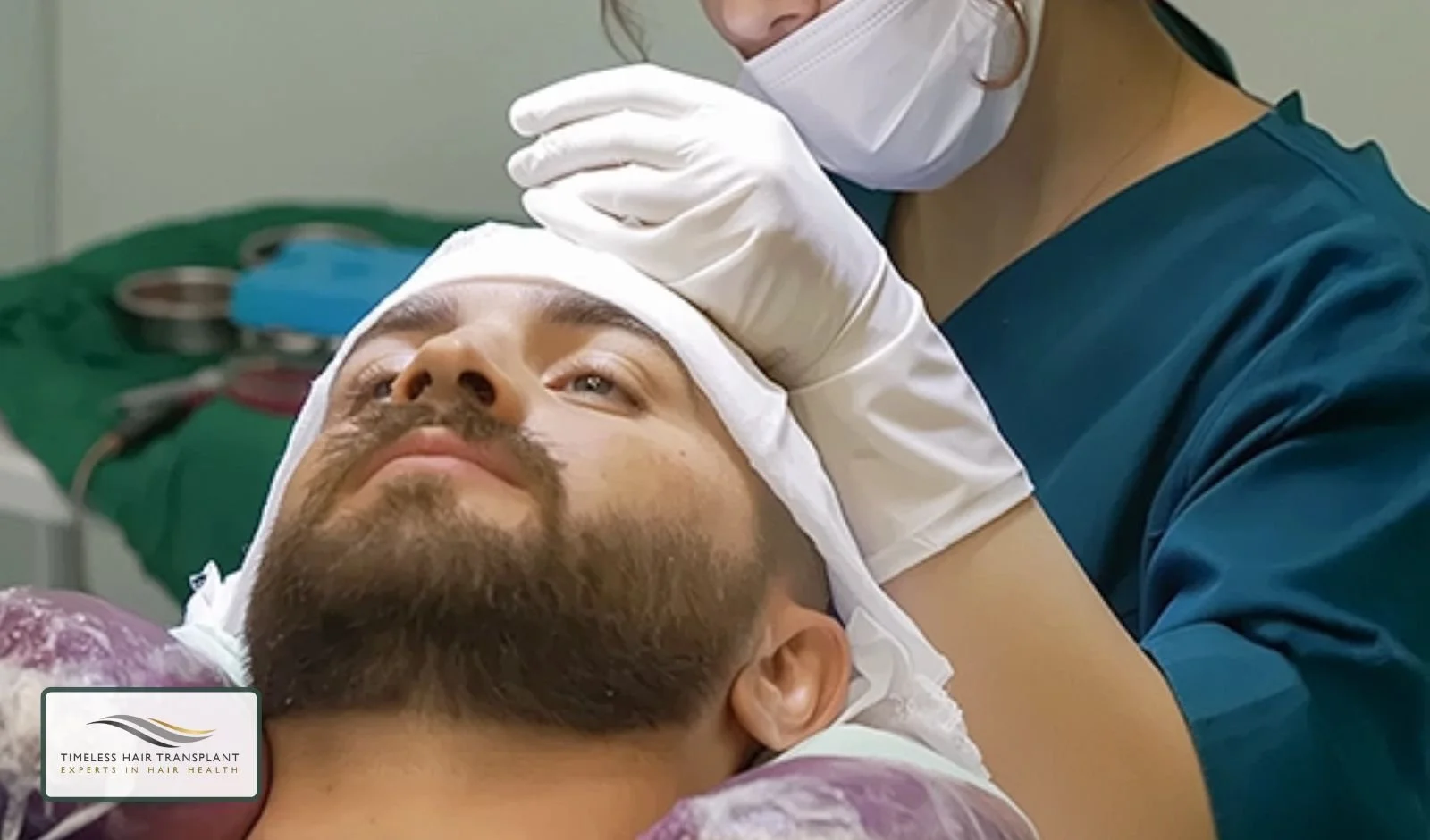
The type of hair transplant surgery you choose can also affect timing.
FUE is a popular hair restoration method because it is minimally invasive and has a faster recovery. Many patients return to normal routines sooner.
Strip Method
Also known as Follicular Unit Transplantation (FUT), the strip method may require a slightly longer recovery time. Planning extra days post surgery is important when choosing this technique.
Understanding the method helps you choose the best time for a hair transplant that fits your lifestyle.
Post Operative Care and Healing
Post-operative care is critical, no matter when you schedule surgery. The first days post-treatment involve:
Keeping the scalp clean
Avoiding sun exposure
Limiting physical activity
Following your surgeon’s instructions
Hair growth begins slowly. New hair usually starts to appear around three to four months, with full results developing over the following months.
Choosing the right time ensures you can focus on healing without unnecessary interruptions.

Is There a “Best Age” or Best Time in Life?
There is no universal age that defines the best time to get hair transplant treatment. Instead, the right time depends on:
Hair loss stability
Overall health
Realistic expectations
Commitment to long-term hair restoration
A consultation helps determine whether now is the right time for a hair transplant based on your individual situation.
Final Thoughts
So, when is the best time to get a hair transplant? The answer depends on a combination of factors, including hair loss progression, time of year, lifestyle, and recovery availability.
Choosing the right time allows you to manage healing properly, reduce stress, and support healthy hair growth. With the right planning, hair transplant surgery can deliver reliable, long-term results at any time of year.
Start Your Hair Restoration Journey Today
If you are considering hair restoration and want help choosing the right time for a hair transplant, Timeless Hair Transplant is here to guide you. A personalised consultation helps you understand timing, technique options, and recovery expectations.
Call us today +44 (0) 7516294471 to book your free consultation.
