

Quick Answer
What is a hair transplant and how does it work?
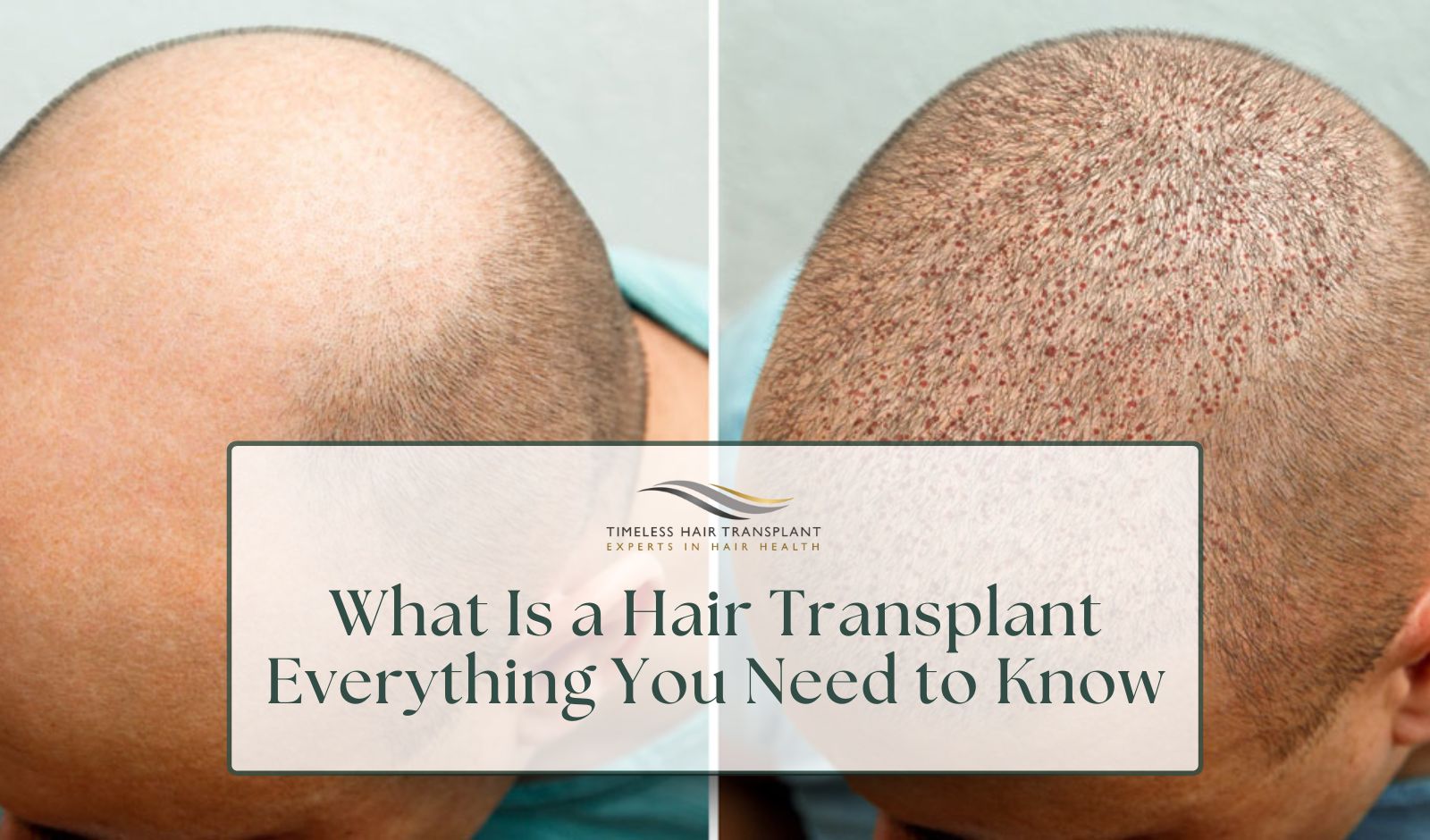
A hair transplant is a procedure that moves healthy hair follicles from a donor area to areas where hair is thinning or missing. The transplanted follicles can continue to grow hair naturally over time.
Key Takeaways
- A hair transplant uses your own healthy hair follicles to restore thinning or bald areas.
- FUE and FUT are two common hair transplant techniques.
- FUE removes individual follicular units, while FUT uses a strip of donor scalp.
- New hair growth often starts around three to four months after treatment.
- Results develop gradually as the transplanted hair grows and thickens.
- A consultation can determine whether you are a suitable candidate.
Hair loss can affect your confidence, self-esteem, and even the way you feel in everyday life. The good news is that modern hair transplant procedures offer an effective way to restore a fuller, more natural look.
If you’ve ever wondered, “What is a hair transplant, and how does it work?” this guide will walk you through the essentials. We’ll cover the different types of procedures, what results you can expect, and how to know if you’re a good candidate, giving you the knowledge and confidence to take the next step in your hair restoration journey.
Understanding the Procedure
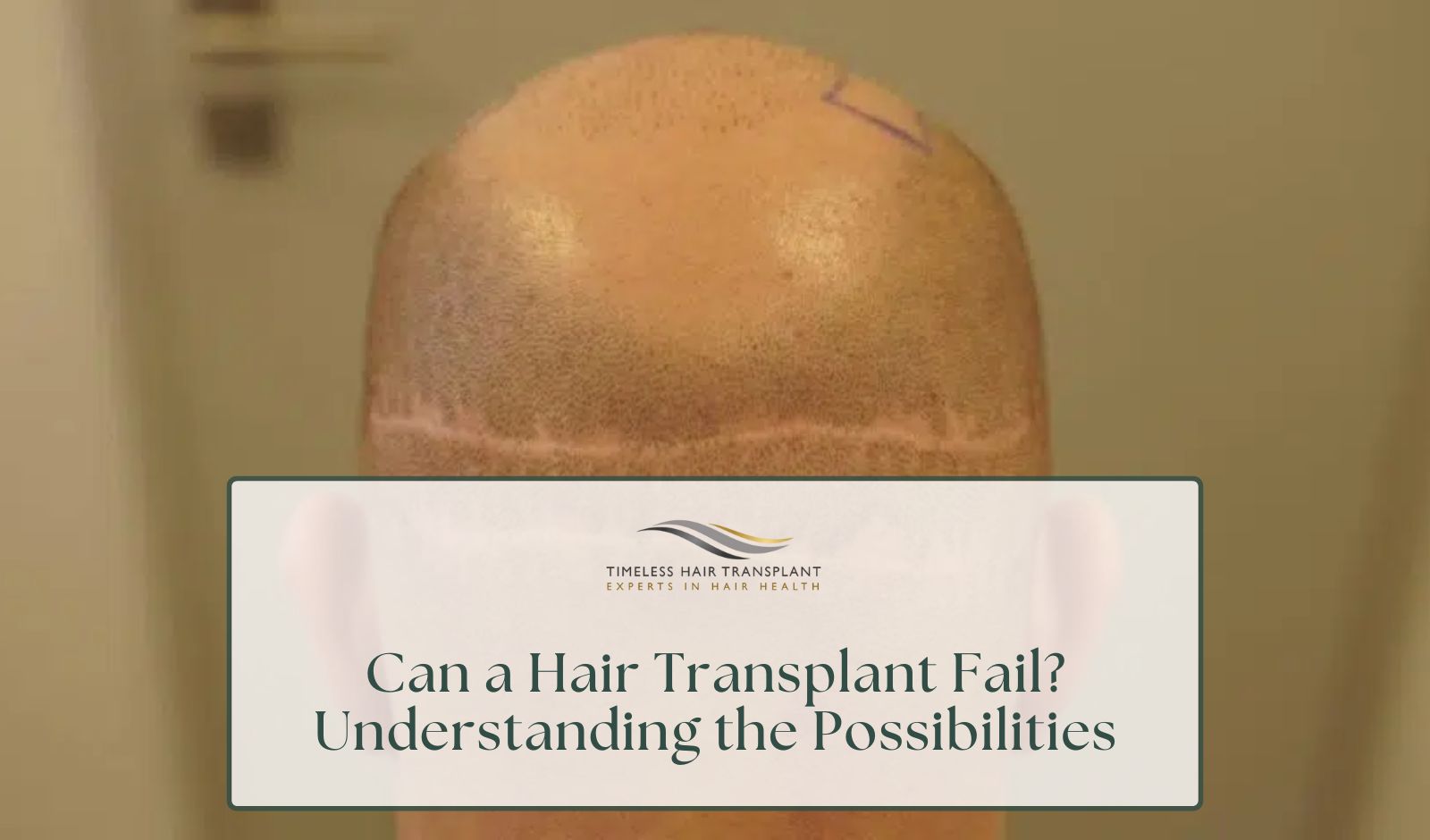
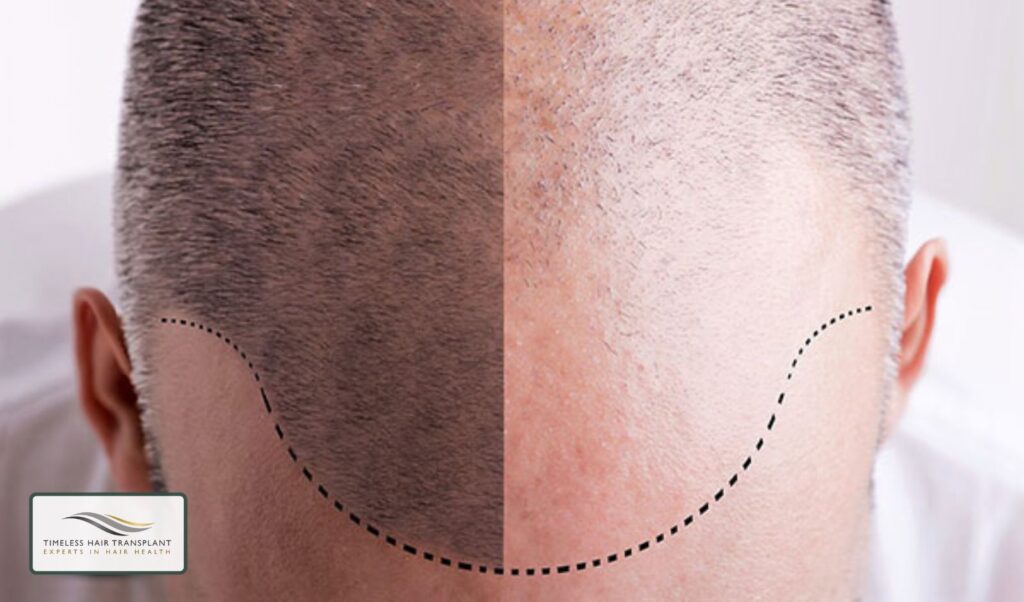
Hair restoration involves moving healthy hair follicles from one part of your head, usually the donor area at the back or sides, to areas where hair is thinning or bald (known as the recipient area).
These donor hairs are carefully relocated in small groups called follicular units, which contain one to four individual hairs. Once implanted, they continue to grow just like your natural strands.
In simple terms, a hair transplant procedure restores your hair using your own healthy growth. No artificial systems are required. This is essentially what a hair transplant surgery does. It encourages natural, long-term hair regrowth using your own follicles.
Why Do People Choose Hair Restoration?
This treatment is popular among both men and women who experience:
- Male pattern baldness
- Hair thinning due to aging or genetics
- Hair loss from injury or medical conditions
- A receding hairline or thinning crown
- A desire for a full head of hair
Hair loss on men and women is a common concern, but it doesn’t have to be permanent. With modern techniques like hair grafting, natural and long-lasting results are now possible, helping restore not just your hair, but also your confidence.
Types of Hair Restoration Techniques
There are two main approaches to hair grafting:
1. Follicular Unit Extraction (FUE)
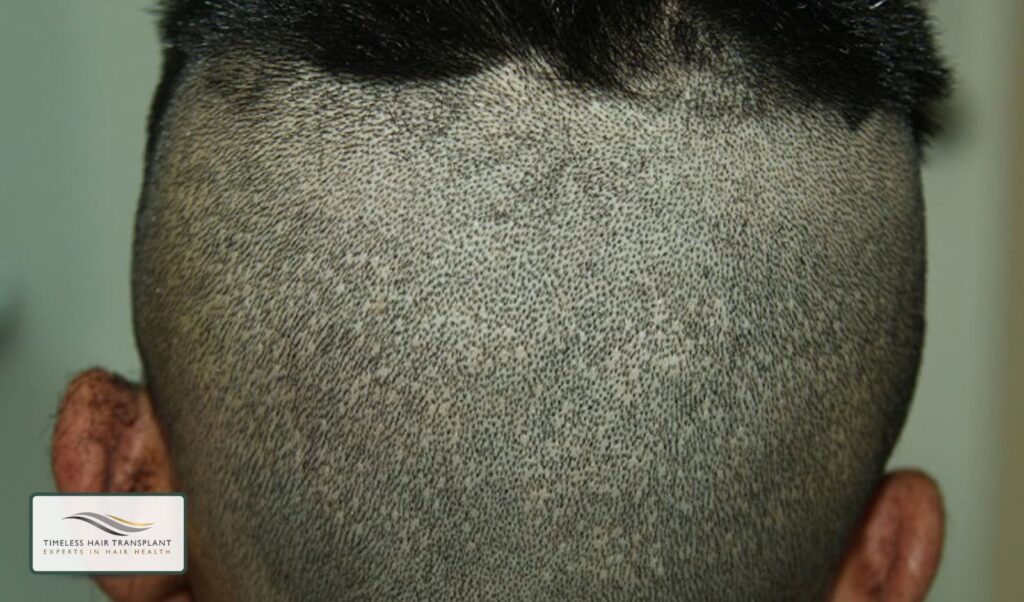
In a follicular unit extraction FUE procedure, individual follicular units are harvested from the donor area using micro punches. These grafts are then inserted into thinning or bald areas of the scalp.
Why many patients choose FUE hair transplant:
- Minimal visible scarring (tiny dot marks)
- Shorter recovery period
- Less invasive than traditional methods
- Ideal for individuals who prefer short hairstyles
The FUE hair transplant technique is widely preferred for its natural-looking results and smoother healing experience.
2. Follicular Unit Transplantation (FUT)
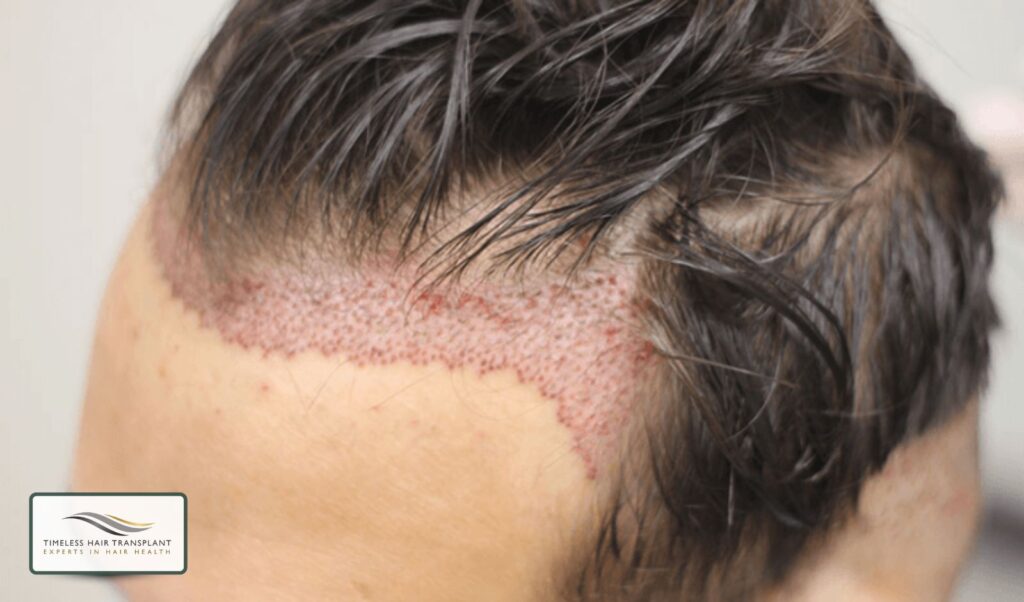
Also known as the strip method, follicular unit transplantation FUT involves removing a thin strip of skin from the donor region. That strip is then divided into individual follicular units for implantation.
Benefits of FUT include:
- More grafts transplanted in one session
- Often more cost-effective than FUE
- Suitable for individuals with extensive hair loss
FUT is a great option if you’re looking for full coverage and are working with a tighter budget.
Is It a Permanent Solution?
Yes. One of the major benefits of both FUE and FUT techniques is permanence. The donor follicles used during the hair transplant procedure are resistant to balding. Once implanted, they continue to grow naturally for many years.
With proper care, the results can last a lifetime. As the hair grows and thickens over time, it integrates seamlessly with your existing hair, offering a completely natural appearance.
What to Expect During the Process
Here’s a quick overview of the typical steps:
- Initial Consultation – A hair transplant expert examines your scalp and discusses your goals.
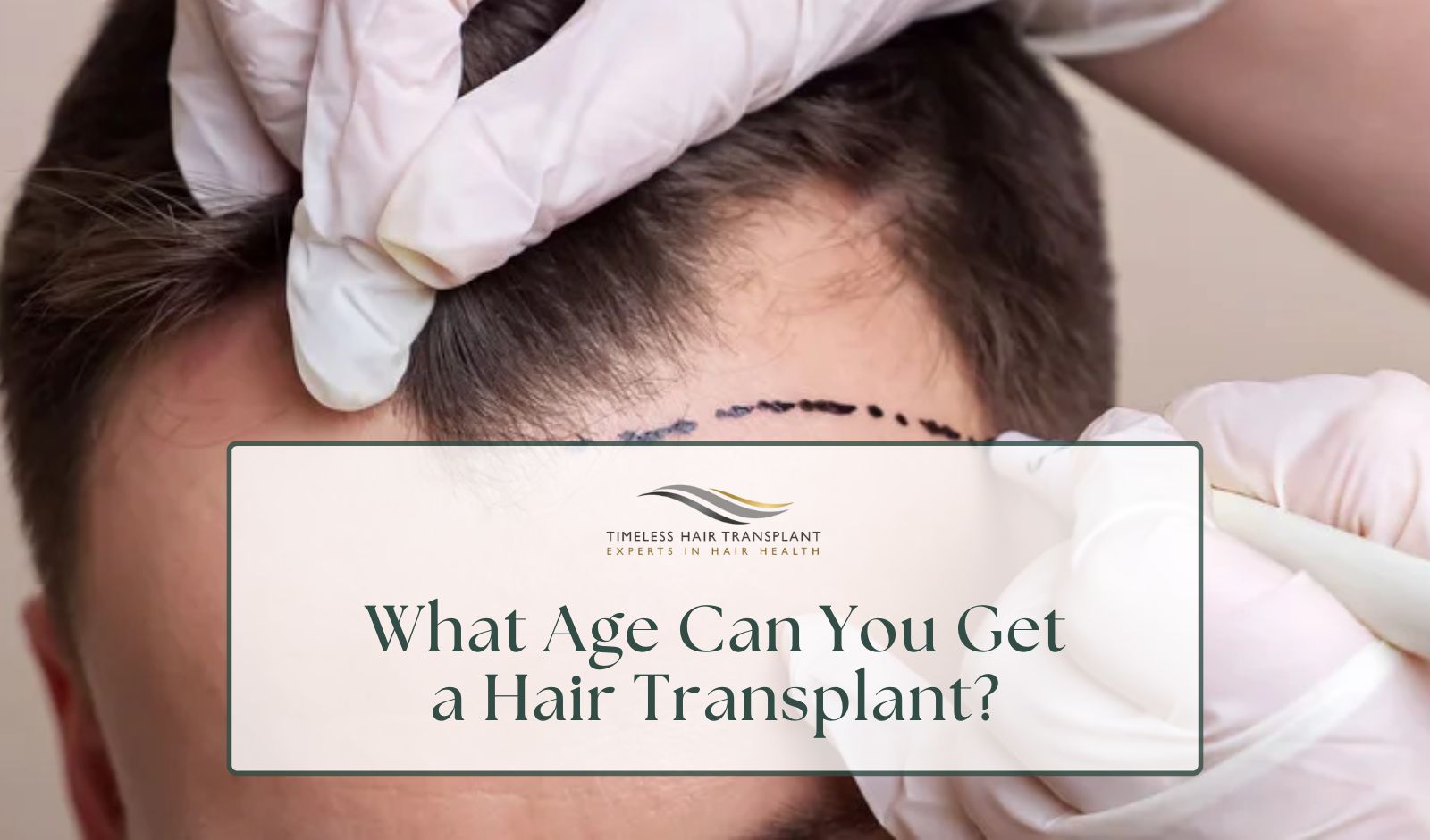
- Treatment Planning – A personalized plan is created, including your new hairline or coverage area.
- Extraction Phase – Hair follicles are harvested using FUE or FUT.
- Implantation – The grafts are placed into thinning or bald areas.
- Healing & Recovery – Most patients resume daily activities within just a few days.
The entire hair transplant procedure is done under local anesthesia for a comfortable, stress-free experience.
Does a Hair Transplant Hurt?
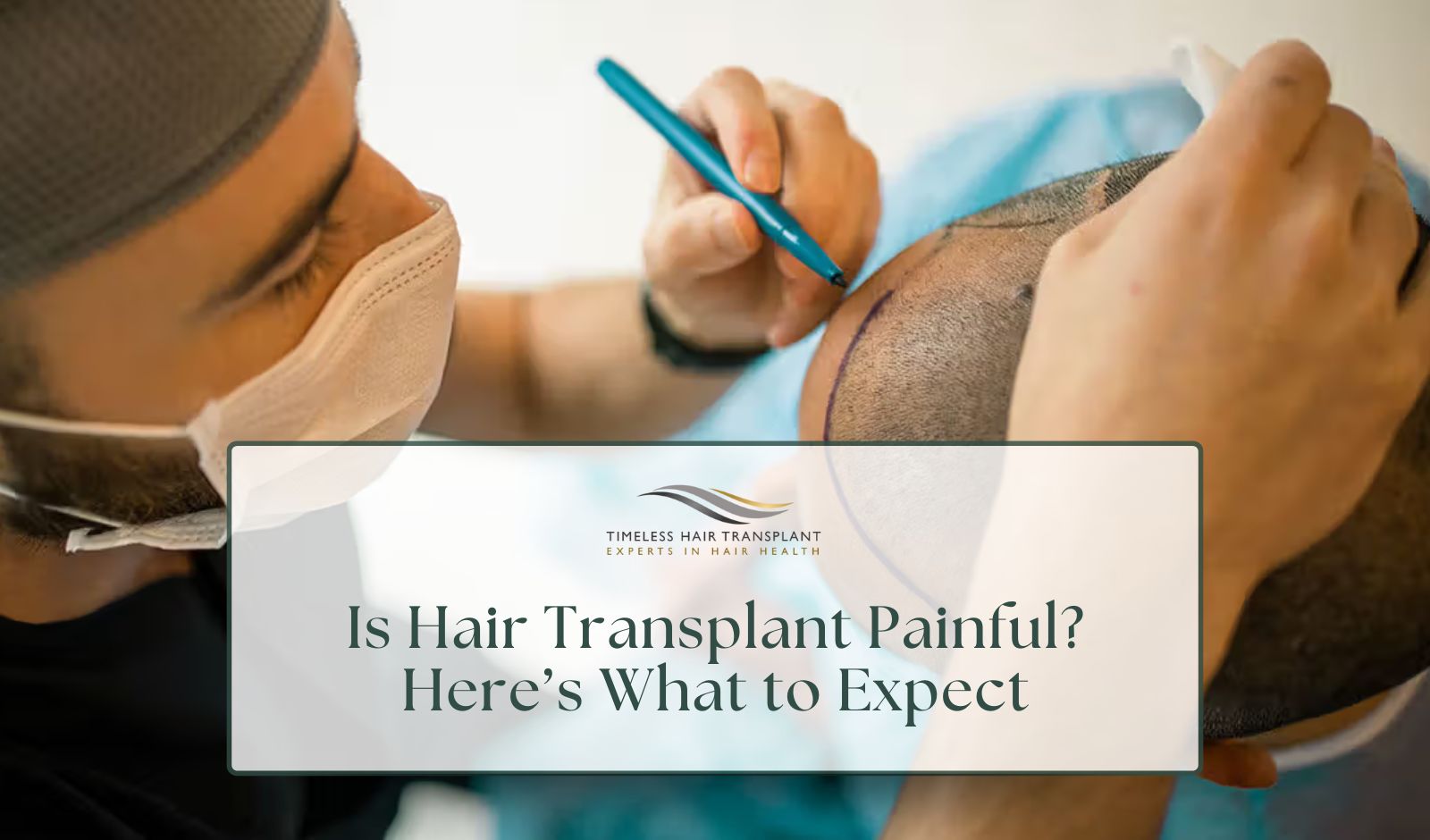
Most people find it mildly uncomfortable but not painful. Local anesthesia is used to minimize any sensation during the process.
One common side effect is slight swelling or redness in the treated areas, which typically resolves within a few days. Some clients also report mild itching or tenderness during early healing, which is entirely normal and short-lived.
When Will I See New Growth?
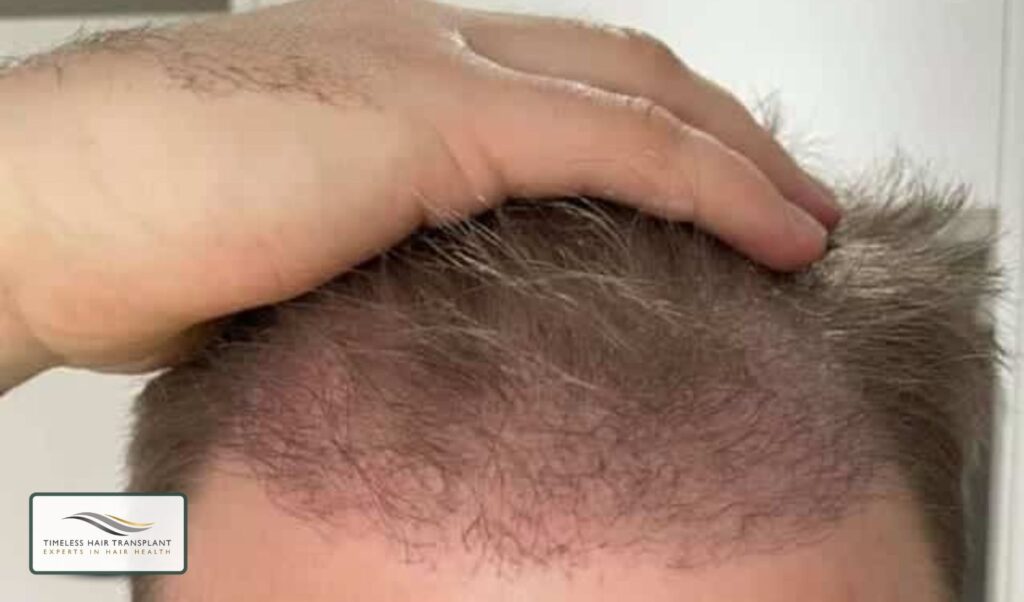
Hair growth takes time. Most patients begin noticing early signs of regrowth around 3 to 4 months after surgery. Full results usually develop between 6 and 12 months.
As your hair grows through each stage, it gradually thickens and blends with surrounding strands, resulting in a fuller, natural look.
Benefits of Hair Grafting and Restoration
- Long-term, natural-looking results
- Improved confidence and self-image
- Minimal maintenance once healing is complete
- No need for wigs, sprays, or temporary solutions
- Uses your own hair follicles, ensuring safe, effective outcomes
For many, the most rewarding result is simply being able to style and enjoy their hair again without concern.
Who Is a Good Candidate?
You may be a strong candidate for hair grafting if:
- You have a healthy donor area with enough hair
- You’re in good general health
- You’re looking for a permanent, long-term solution
- You’re committed to proper aftercare and results
Still unsure if it’s right for you? The team at Timeless Hair Transplant offers professional consultations to assess your hair type and treatment goals.
How Much Does It Cost?
Several factors can affect the cost of a hair transplant procedure, including:
- The number of grafts needed
- Choice between FUE or FUT
- Your surgeon’s experience
- Clinic facilities and location
While FUE may cost more due to its precision and time investment, both techniques offer excellent, lasting value.
Why Choose Timeless Hair Transplant?
At Timeless Hair Transplant, we specialise in both FUE and FUT procedures, delivering natural, long-lasting results tailored to your unique needs. Our experienced surgeon provide personalised treatment plans, honest pricing with no hidden fees, and dedicated aftercare in a warm, supportive environment. Whether you’re just beginning to notice thinning or need full restoration, we’re here to guide you every step of the way.
Call +44 18 9524 8415 today to book your free consultation and take the first step toward restoring your hair, your confidence, and your timeless look.
Frequently Asked Questions
What is a hair transplant?
A hair transplant moves healthy hair follicles from a donor area to areas with thinning or missing hair. The goal is to restore natural hair growth.
How does a hair transplant work?
Hair follicles are taken from the back or sides of the scalp and placed into thinning or bald areas. These transplanted follicles can then grow new hair.
Is a hair transplant permanent?
Transplanted hair is typically resistant to the pattern of hair loss affecting other areas of the scalp. However, existing non-transplanted hair may continue to thin over time.
When will I see hair transplant results?
New hair growth often begins around three to four months after treatment. Results continue to develop as the transplanted hair grows and thickens.
How long does it take to recover from a hair transplant?
Recovery depends on whether you have FUE or FUT and how your scalp heals. Many patients can gradually return to normal activities within the first several days.
How much does a hair transplant cost?
Hair transplant cost depends on factors such as the number of grafts needed, the technique used, and your treatment plan. A consultation provides a more accurate estimate.