

Quick Answer
Can a hair transplant increase hair density?
Yes, a hair transplant can be performed to increase hair density in areas affected by thinning hair or hair loss. By strategically placing healthy hair follicles from the donor area into areas with reduced coverage, a surgeon can improve density and create a fuller appearance. The outcome depends on factors such as the number of grafts available, the quality of the donor hair, and the natural hair growth patterns of the patient.
Key Takeaway
- Hair transplants can improve density in thinning areas
- Results depend on donor hair availability
- Strategic graft placement creates the illusion of fuller hair
- Hair transplant density varies from patient to patient
- Follicular unit extraction is commonly used for density enhancement
- The number of grafts affects the final result
- Natural hair growth patterns influence overall appearance
- A consultation helps determine realistic expectations
Hair thinning does not always lead to complete baldness. Many people still have hair coverage, but notice reduced volume and decreased overall density. In these situations, patients often ask whether a hair transplant can be performed specifically to make their hair appear thicker.
The answer is often yes. Modern hair restoration techniques allow surgeons to add density to thinning areas by carefully placing grafts among existing hair. Whether the goal is restoring your hair after hair loss or improving density in naturally thin areas, understanding how hair transplant density works can help set realistic expectations.
What Does Hair Density Mean?
Hair density refers to the number of hair follicles growing within a specific area of the scalp. It is often measured by the number of hairs per square centimetre.
People naturally have different density levels. Some individuals are born with high-density hair, while others naturally have finer or thinner coverage. Hair loss can further reduce density and make the scalp more visible.
Can Hair Transplants Increase Density?
Yes, hair transplants can be used to improve density in areas where hair has become thinner.
During the procedure, healthy follicles are removed from the donor area and placed into areas with lower coverage. This increases the number of growing hairs and improves the overall appearance of fullness. However, the amount of density achieved will depend on several factors.
How Hair Transplants Create Fuller Hair
One of the most important aspects of hair transplantation is strategic placement. An experienced surgeon understands how natural hair growth patterns work and uses advanced skills and techniques to place grafts at specific angles and directions.
This careful placement often creates the illusion of greater fullness even when the exact original density cannot be restored.
The Role of the Donor Area
The donor area plays a major role in determining results.
The donor area contains healthy follicles that are resistant to hair loss. These follicles are used to create additional coverage in thinning areas. The quality and quantity of donor hair directly affect how much density can be achieved.
How Many Grafts Are Needed?
The number of grafts required depends on:
- The size of the thinning area
- Existing hair coverage
- Hair characteristics
- Desired density
A patient seeking moderate density improvement may require fewer grafts than someone seeking high density restoration. Each hair graft may contain one to four hairs, which helps contribute to the final appearance.
Follicular Unit Extraction for Density
Follicular unit extraction is one of the most popular methods used today. During follicular unit extraction, individual follicular units are carefully removed from the donor area and transplanted into thinning regions.
Benefits include:
- Minimal scarring
- Natural-looking results
- Precise placement
- Faster healing
This technique is commonly used when the goal is to improve density while preserving a natural appearance.
Factors That Affect Hair Transplant Density
Several factors influence the outcome.
- Hair Characteristics – Thicker hair strands often create more visual coverage than finer hair.
- Hair Colour and Contrast – Patients with less contrast between hair and scalp colour may appear to have greater density.
- Curl Pattern – Curly or wavy hair often provides more coverage than straight hair.
- Existing Hair – The amount of existing hair can affect how transplanted grafts blend with surrounding follicles.
Can Original Density Be Restored?
Many patients ask whether a transplant can restore the exact density they had before hair loss.
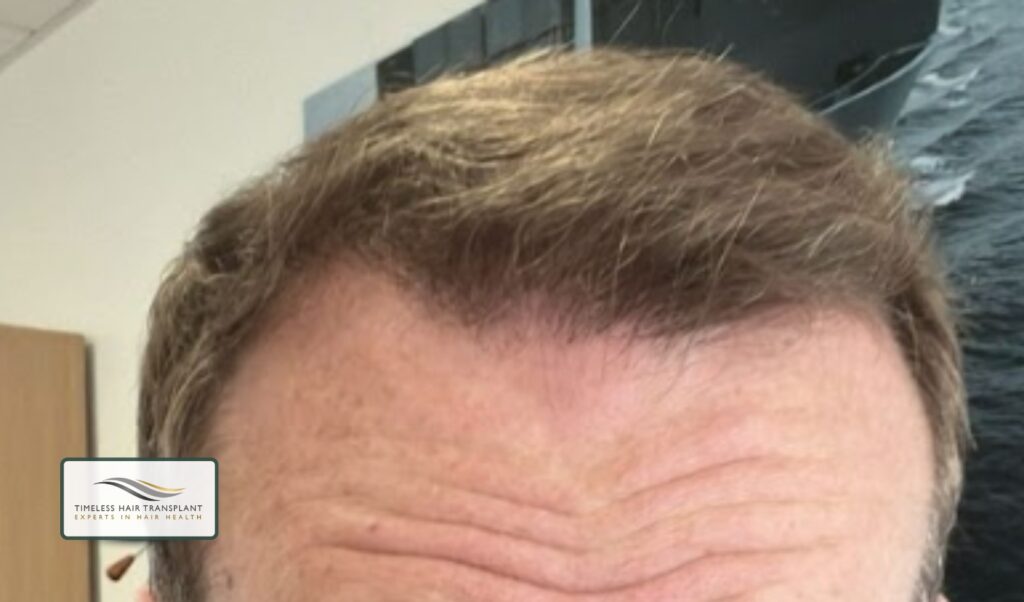
In most cases, complete restoration of original density is not possible because the donor supply is limited. However, modern techniques often achieve excellent cosmetic improvements that significantly improve density and create a natural appearance.
Combining Treatments for Better Results
Some patients may benefit from combining transplantation with additional therapies.
Options may include:
- Platelet-rich plasma treatments
- Medical therapies
- Hair care programmes
These approaches may help support existing follicles and improve overall density.
Setting Realistic Expectations
Hair transplant results vary from person to person.
Factors that influence outcomes include:
- Severity of hair loss
- Donor hair quality
- Number of grafts available
- Individual healing response
A hair transplant depends on these factors, which is why personalised treatment planning is important.
When Will Density Improvements Become Visible?
Hair growth occurs gradually after transplantation.
Typical timeline:
- First few weeks: shedding of transplanted hair
- Months 3 to 4: early growth begins
- Months 6 to 9: noticeable improvement
- Months 12+: mature results develop
Patience is important because density improvements take time.
Is a Hair Transplant Right for Density Enhancement?
Many people experiencing thinning hair are good candidates for density-focused procedures.
A consultation allows the surgeon to evaluate:
- Hair loss pattern
- Donor area quality
- Goals and expectations
This assessment helps determine the most suitable treatment approach.
Final Thoughts
A hair transplant can often be an effective solution for increasing density in thinning areas. By carefully placing healthy hair follicles into areas with reduced coverage, surgeons can improve density and create a fuller, more natural appearance.
The final result depends on factors such as donor hair quality, the number of grafts available, and natural hair growth patterns. With realistic expectations and proper planning, many patients achieve significant improvements in overall density and confidence.
Improve Hair Density with Expert Guidance
If you are concerned about thinning hair or want to explore options for restoring your hair, professional advice can help you understand what is possible.
At Timeless Hair Transplant, we use advanced skills and techniques to create natural-looking results tailored to your goals. Call +44 18 9524 8415 today or book a free consultation to learn how a personalised treatment plan can help improve density and restore confidence.
Frequently Asked Questions
Can a hair transplant be done to increase density?
Yes. Hair transplants are commonly used to improve density in thinning areas by adding healthy follicles from the donor area.
What is hair transplant density?
Hair transplant density refers to the number of transplanted hairs placed within a specific area to create fuller coverage.
oes follicular unit extraction work for density improvement?
Yes. Follicular unit extraction is frequently used to improve density while maintaining natural-looking results.
How many grafts are needed to increase density?
The number depends on the treatment area and desired result. A consultation helps determine the appropriate graft count.
Can a transplant restore original hair density?
Complete restoration is not always possible, but substantial cosmetic improvements can often be achieved.
Does hair thickness affect density results?
Yes. Thicker hair generally provides greater visual coverage and can make the hair appear denser.
How do I know if I am a candidate?
A consultation with a specialist can evaluate your hair loss pattern, donor area, and goals to determine suitability.