
Causes for Hairfall in Women: What You Should Know
Quick Answer
What causes hair fall in women?
Hairfall in women can be caused by hormonal changes, stress, genetics, nutritional deficiencies, or an underlying medical condition. While it is normal to lose between 50 and 100 hairs daily, excessive hairfall may indicate a disruption in the hair growth cycle. Identifying the cause helps guide the right hair loss treatment and improve long-term hair health.
Key Takeaway
Losing 50 to 100 hairs daily is normal
Hair fall in women can have multiple causes
Hormonal changes are a common factor
Female pattern hair loss leads to gradual thinning
Some types of hair loss may require medical care
Early diagnosis improves treatment options
Hair loss in women can happen at any age and for many different reasons. While some hair shedding is part of the natural cycle, noticeable thinning hair or bald patches can be concerning. Many women experience hair loss due to changes in hormones, stress, or underlying health conditions.
Understanding the causes of hairfall in women is important when choosing the right treatment options. By identifying the type of hair loss and its cause, it becomes easier to manage the condition and support healthy hair growth over time.
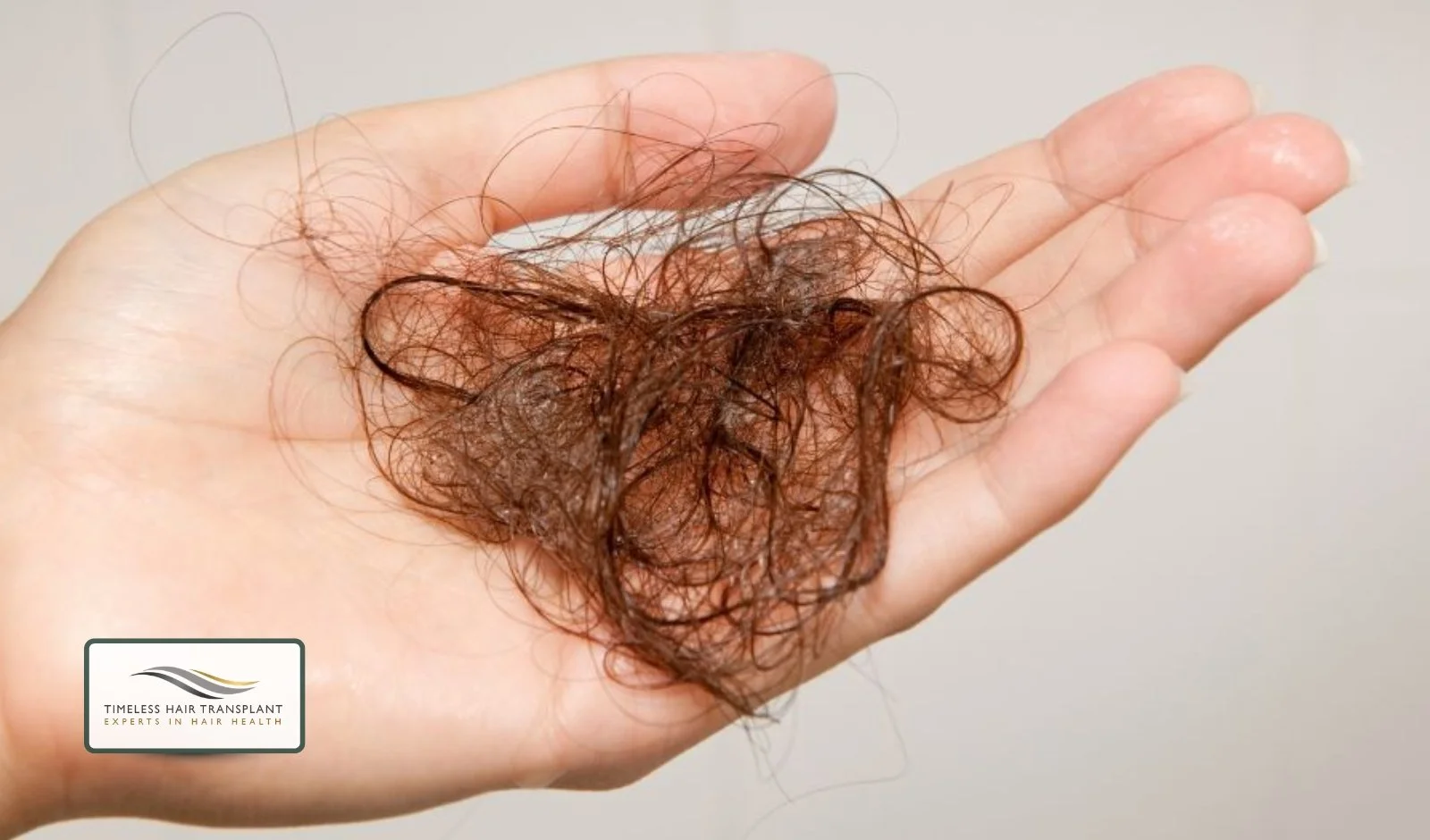
Normal Hair Shedding
It is important to understand that some hair loss is normal. Most people lose between 50 and 100 hairs each day as part of the natural hair growth cycle, which helps maintain healthy hair.
Each hair follicle goes through phases of growth, rest, and shedding. However, when hair shedding increases beyond this range, it may lead to thinning hair and visible changes in hair density.
Hormonal Changes
Hormonal imbalance is one of the most common causes of hair loss in women. Changes in hormone levels can affect how hair follicles function and disrupt the normal hair growth cycle.
Common triggers include:
Pregnancy
Thyroid disorders
Female pattern hair loss, also known as androgenetic hair loss, is often linked to hormones and genetics and usually causes gradual thinning on the top of the scalp.
Polycystic Ovary Syndrome (PCOS)
Syndrome PCOS is another possible cause of hair loss in women. This condition affects hormone levels and can interfere with normal hair growth.
Women with PCOS may notice thinning hair on the scalp along with other symptoms. Proper diagnosis and treatment options can help manage the condition and reduce hair loss.
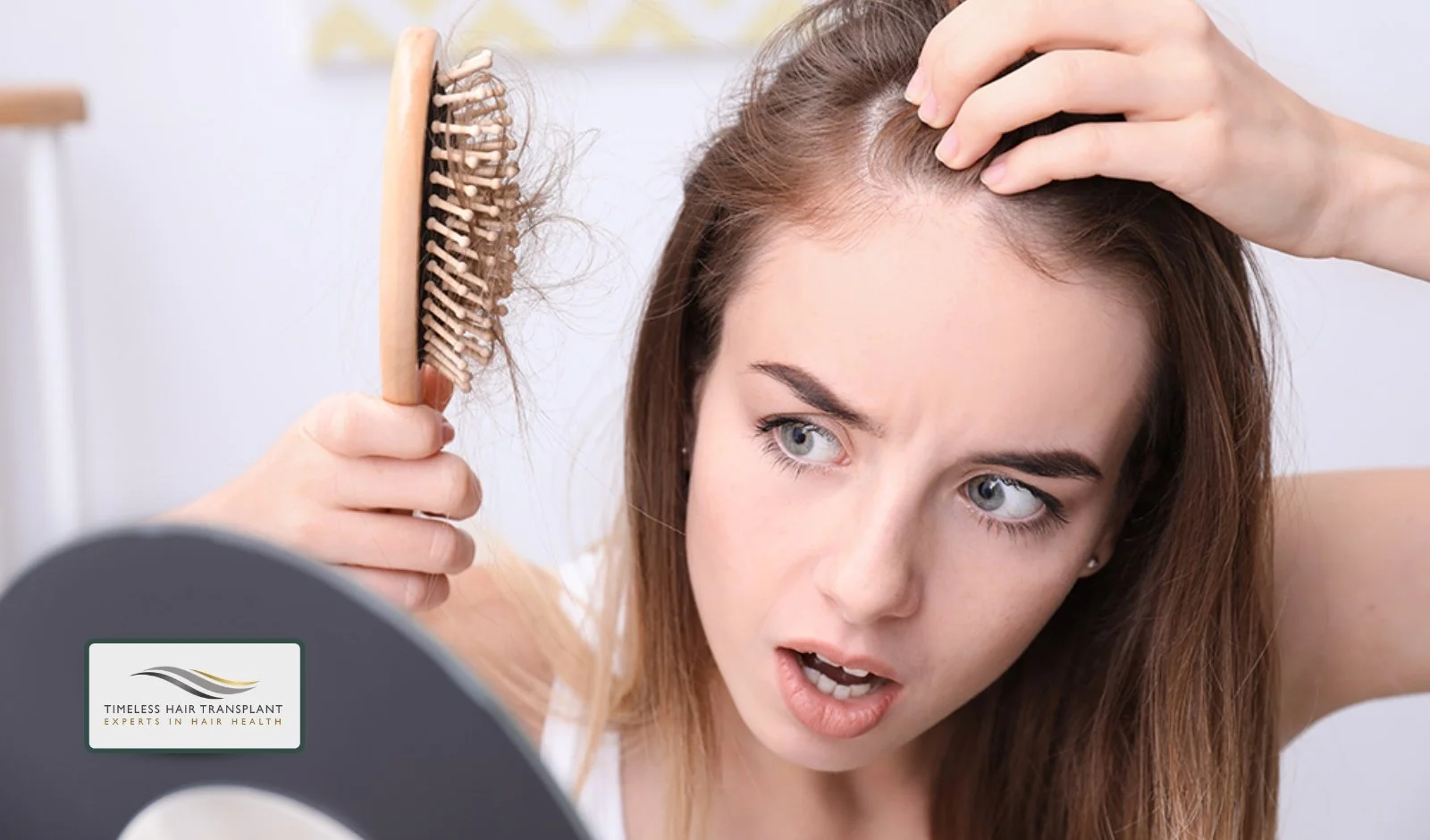
Stress and Lifestyle Factors
Stress can directly impact hair follicles by pushing more hair into the shedding phase. This may lead to temporary hair loss, often appearing a few months after a stressful event.
Lifestyle habits can also contribute to thinning hair, including:
Poor sleep
Lack of exercise
Unhealthy diet
Managing stress and improving daily habits can support better hair growth.
Nutritional Deficiencies
Hair health depends on proper nutrition. A lack of essential nutrients such as iron, protein, and vitamins can weaken the hair follicle.
When the body does not receive enough nutrients, hair growth may slow down, and hair becomes more prone to breakage and shedding. Improving diet and addressing deficiencies can help support healthier hair.
Medical Conditions
Certain medical conditions can cause hair loss in women. These conditions may affect the scalp, immune system, or overall health.
For example:
Alopecia areata can lead to sudden bald patches
Other conditions may disrupt normal hair growth
In some cases, hair loss may be permanent if hair follicles are severely damaged. A medical evaluation helps identify the cause and guide treatment.
Genetic Factors
Genetics can play a major role in hair loss. Female pattern hair loss is often inherited and may become more noticeable with age.
This condition is similar to male and female pattern baldness, but women usually experience overall thinning rather than a receding hairline. Understanding family history can help predict the risk and guide early care.
When to Seek Help
If hairfall continues for an extended period or worsens over time, it is important to seek professional advice.
A specialist can assess your scalp, review your medical condition, and recommend suitable treatment options. Early intervention can improve outcomes and support hair regrowth.
Final Thoughts
The causes for hairfall in women can vary widely, from hormonal changes and stress to genetics and medical conditions. While losing 50 to 100 hairs daily is normal, persistent or excessive hairfall should not be ignored.
Identifying the underlying cause is key to choosing the right hair loss treatment. With proper care and professional guidance, many women can manage hair loss and support healthy hair growth over time.
Find the Right Solution for Hair Loss
If you are experiencing hair loss in women and want to understand the cause, professional support can help.
At Timeless Hair Transplant, we assess your hair condition, type of hair loss, and overall health to recommend personalised treatment options. Call +44 (0) 7516294471 today or book a free consultation to explore effective solutions for thinning hair and hairfall.
Frequently Asked Questions
-
Hormonal changes and genetics are among the most common causes of hair loss in women.
-
Yes. Stress can disrupt the hair growth cycle and lead to temporary hair shedding.
-
It is a common type of hair loss that causes gradual thinning on the scalp.
-
Yes. Syndrome PCOS can affect hormones and lead to thinning hair.
-
No. Some types of hair loss are temporary, while others may be long-lasting.
-
If hairfall becomes excessive or continues for several months, seek medical advice.
