
How to Stop Hairfall in Women: Practical Solutions That Help
Quick Answer
How to stop hairfall in women?
Stopping hairfall in women starts with identifying the cause. Common steps include improving nutrition, managing stress, and using the right hair loss treatments. Depending on the type of hair loss, treatment for hair loss may involve medications, lifestyle changes, or advanced options like hair transplantation. Early care helps protect hair follicles and support healthy hair growth.
Key Takeaway
Hairfall in women can have different causes and types of hair loss
Early action helps reduce hair shedding and improve hair growth
Healthy habits support stronger hair follicles
Female pattern hair loss may need medical treatment
Hair loss treatments vary depending on the condition
Professional guidance helps create the right treatment plan
Hair loss in women can feel overwhelming, especially when you notice more hair falling than usual. While it is normal to lose some hair daily, excessive hair shedding can lead to visible thinning and affect confidence. Many women begin to look for answers when hair loss becomes more noticeable over time.
If you are wondering how to stop hairfall for women, the first step is understanding what is causing the issue. Hair loss can be linked to genetics, stress, hormonal changes, or medical conditions such as alopecia areata. Because different types of hair loss require different approaches, identifying the root cause can help you choose the most effective treatment for hair loss and support long-term hair growth.

Identify the Type of Hair Loss
Understanding the types of hair loss is important when trying to stop hair fall. One common type is female pattern baldness, also known as androgenetic alopecia. This condition is often linked to family history and usually causes gradual thinning of hair over time.
Other conditions, such as alopecia areata, can lead to sudden bald patches. Stress-related hair shedding may also cause noticeable hair falling for a short period. Knowing the type of hair loss helps determine the right solution and treatment approach.
Improve Nutrition for Hair Growth
Healthy hair starts with proper nutrition. Hair follicles need nutrients like protein, iron, and vitamins to function properly.
A balanced diet supports hair growth and helps strengthen real hair from the root. Poor nutrition can weaken hair and lead to increased hair shedding. Drinking enough water and maintaining a healthy lifestyle also contribute to improving hair quality.
Manage Stress and Lifestyle
Stress is a common cause of hair shedding. When the body experiences stress, it can disrupt the hair growth cycle and lead to temporary hair loss.
Managing stress through relaxation techniques, exercise, and proper sleep can help improve hair health. Even small lifestyle changes can make a difference in reducing hair loss in women.
Use Appropriate Hair Care Practices
Gentle hair care is important to prevent damage and reduce hair fall.
Avoid excessive heat styling, harsh chemical treatments, and tight hairstyles that pull on the hair. These habits can weaken hair and lead to further hair loss. Using mild products and handling hair carefully helps protect hair follicles and maintain healthy hair growth.
Consider Medical Treatments
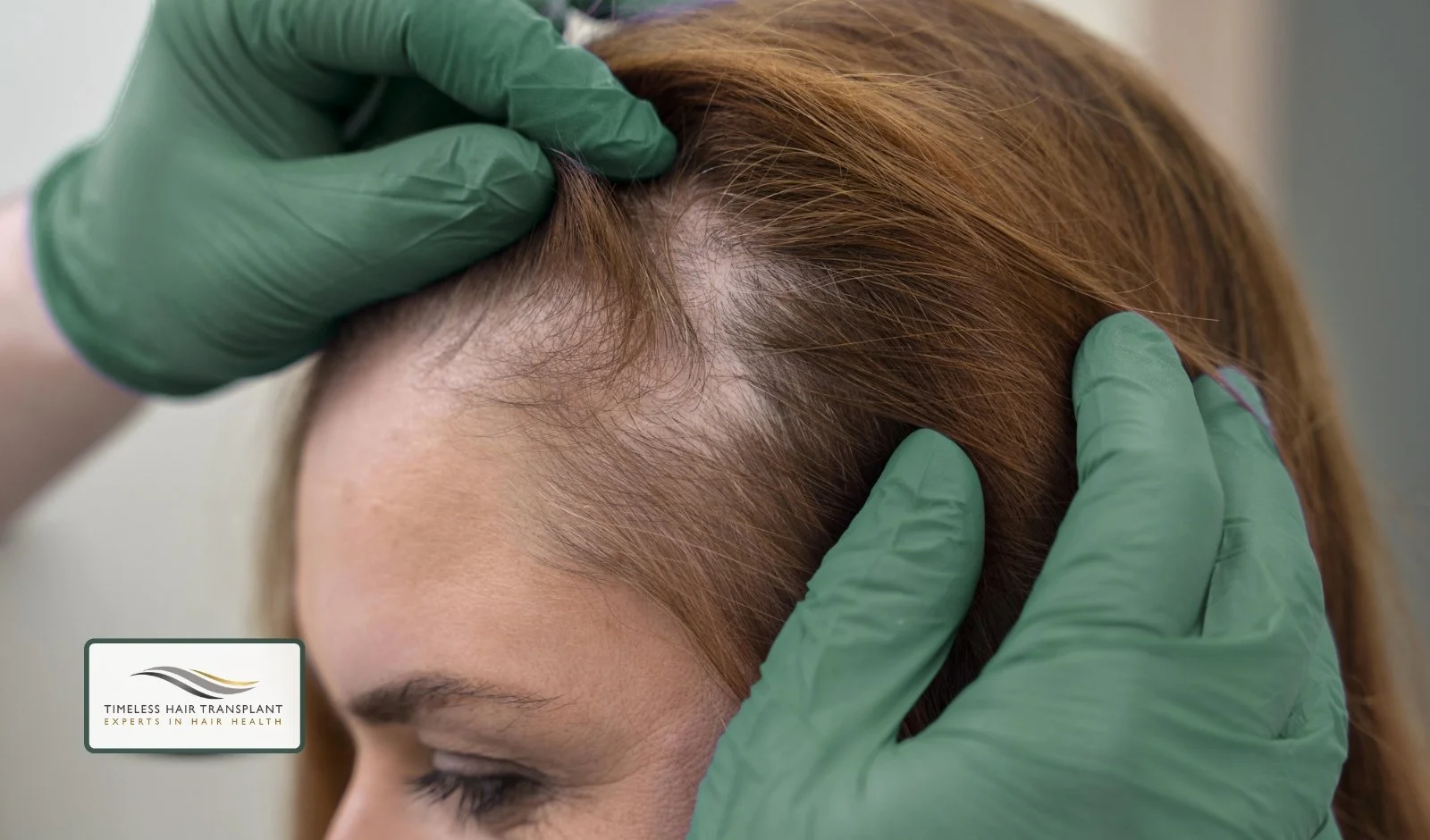
If hairfall continues, medical treatment may be necessary. A doctor can recommend hair loss treatments based on your condition.
Treatment for hair loss may include topical or oral medications designed to slow hair loss and support hair growth. For individuals with female pattern hair loss or androgenetic alopecia, early treatment can help maintain existing hair and reduce further thinning.
Advanced Options for Hair Restoration
When hair loss becomes more noticeable, advanced options may be considered.
Hair transplantation is one option that can restore areas affected by thinning. This procedure moves healthy hair follicles to areas where hair is thinning or missing. While not everyone needs this treatment, it can be an effective solution for long-term hair restoration in suitable candidates.
When to Seek Professional Help
If you are losing your hair consistently or notice significant thinning, it is important to seek professional advice.
A specialist can review your medical history, examine your scalp, and identify possible causes of hair loss. Early diagnosis improves the chances of successful treatment and helps protect your hair follicles.
Final Thoughts
Learning how to prevent hair loss in women involves understanding the cause and taking the right steps early.
From improving nutrition and managing stress to exploring medical treatments, there are many ways to support hair growth and reduce hair shedding. Because hair loss in women can vary from person to person, a personalised approach often works best. With the right care and guidance, it is possible to improve hair health and regain confidence.
Take the First Step Toward Healthier Hair
If you are experiencing hair loss in women and want to explore effective solutions, professional guidance can help.
At Timeless Hair Transplant, we assess your hair condition, family history, and type of hair loss to recommend personalised treatment options. Call +44 (0) 7516294471 today or book a free consultation to learn more about your options for managing hairfall and restoring hair growth.
Frequently Asked Questions
-
The best approach depends on the cause, but healthy habits and proper treatment can help reduce hair shedding.
-
Yes. Stress can disrupt the hair growth cycle and lead to temporary hair shedding.
-
While it may not be fully reversible, treatment can slow hair loss and support hair growth.
-
If hairfall becomes excessive or continues for several months, consult a specialist.
-
Yes. Poor nutrition can weaken hair follicles and lead to increased hair loss.
-
Common types include female pattern hair loss, alopecia areata, and stress-related shedding.
