
Eyebrow Scar Transplant: What to Expect
Quick Answer
Can an eyebrow scar hair transplant restore hair over a scar?
An eyebrow scar hair transplant can restore eyebrow hairs in areas affected by an eyebrow scar, depending on the condition of the scar tissue. During the eyebrow transplant procedure, hair grafts are taken from a donor area and placed into the eyebrow area to encourage hair growth. While results can be long-term, success depends on scar quality and realistic expectations.
Key Takeaway
Eyebrow scar transplant can help restore hair in scarred areas
Healthy donor area hair is used for the procedure
Scar tissue must have enough blood supply for hair growth
Transplanted hairs can grow long-term
Regular trimming may be needed after healing
Results depend on proper technique and realistic expectations
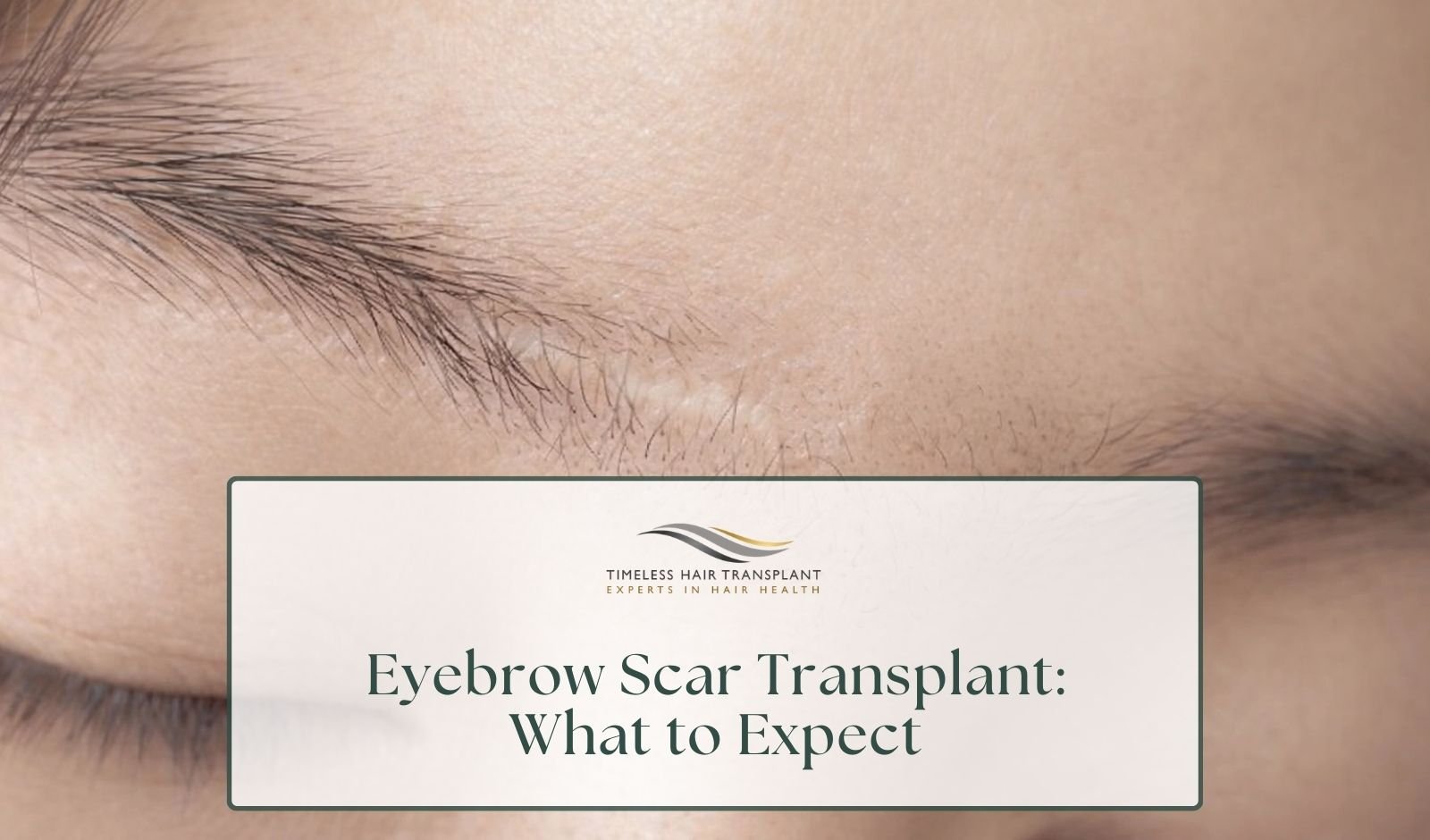
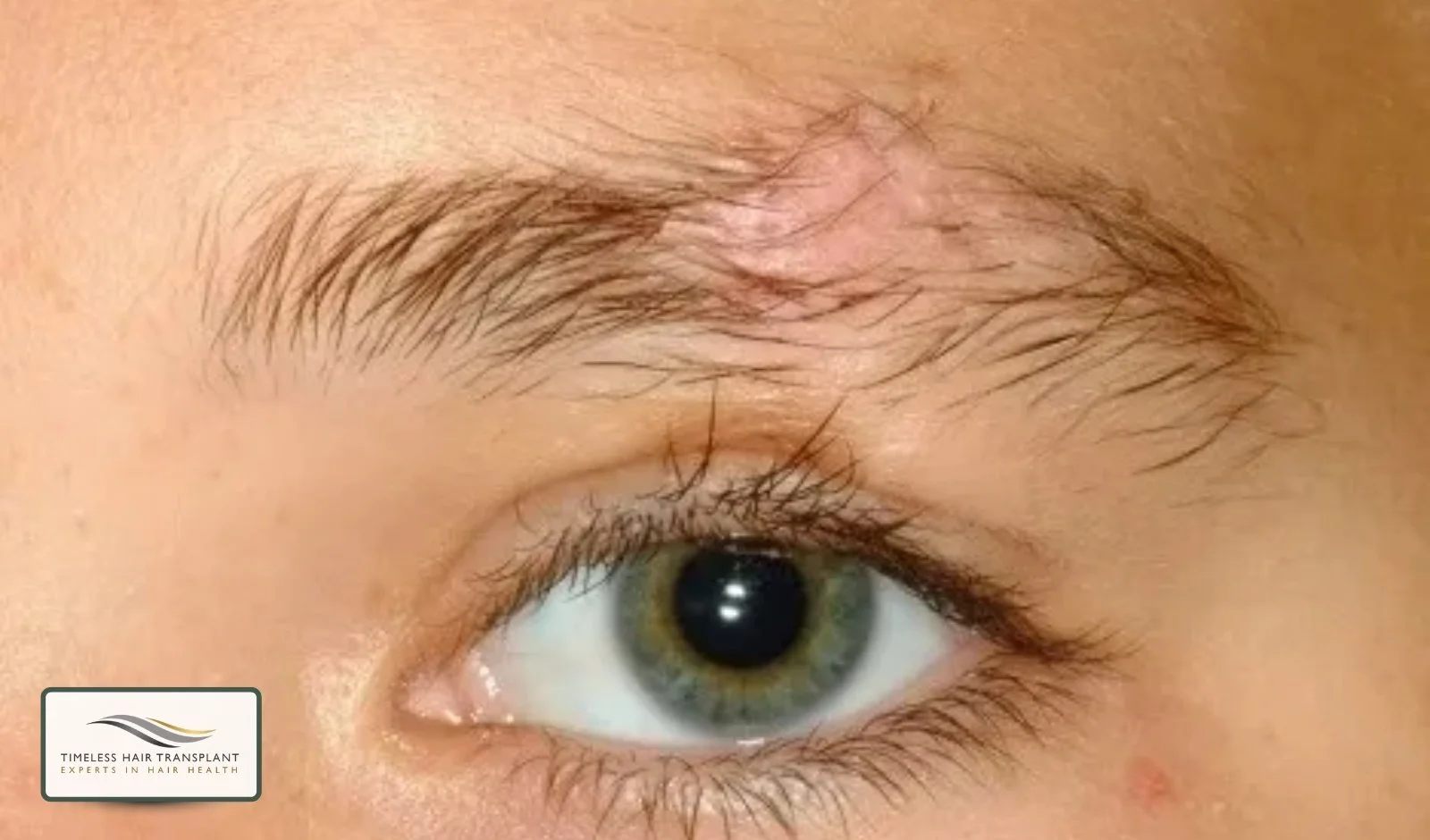
Scars in the eyebrow area can happen for many reasons. Injury, burns, surgery, or medical conditions may leave visible scarring and gaps in eyebrow hairs. Because eyebrows frame the face, even a small eyebrow scar can feel noticeable.
Many people with thin eyebrows caused by scarring ask whether hair can grow again in that area. An eyebrow scar transplant is a specialised form of eyebrow restoration designed to address this concern.
Unlike temporary cosmetic procedures, transplant surgery aims to restore natural eyebrow hair by placing new follicles directly into the scarred region. But can hair really grow through scar tissue? Let’s explore how the process works and what results you can expect.
Can Hair Grow in Scar Tissue?
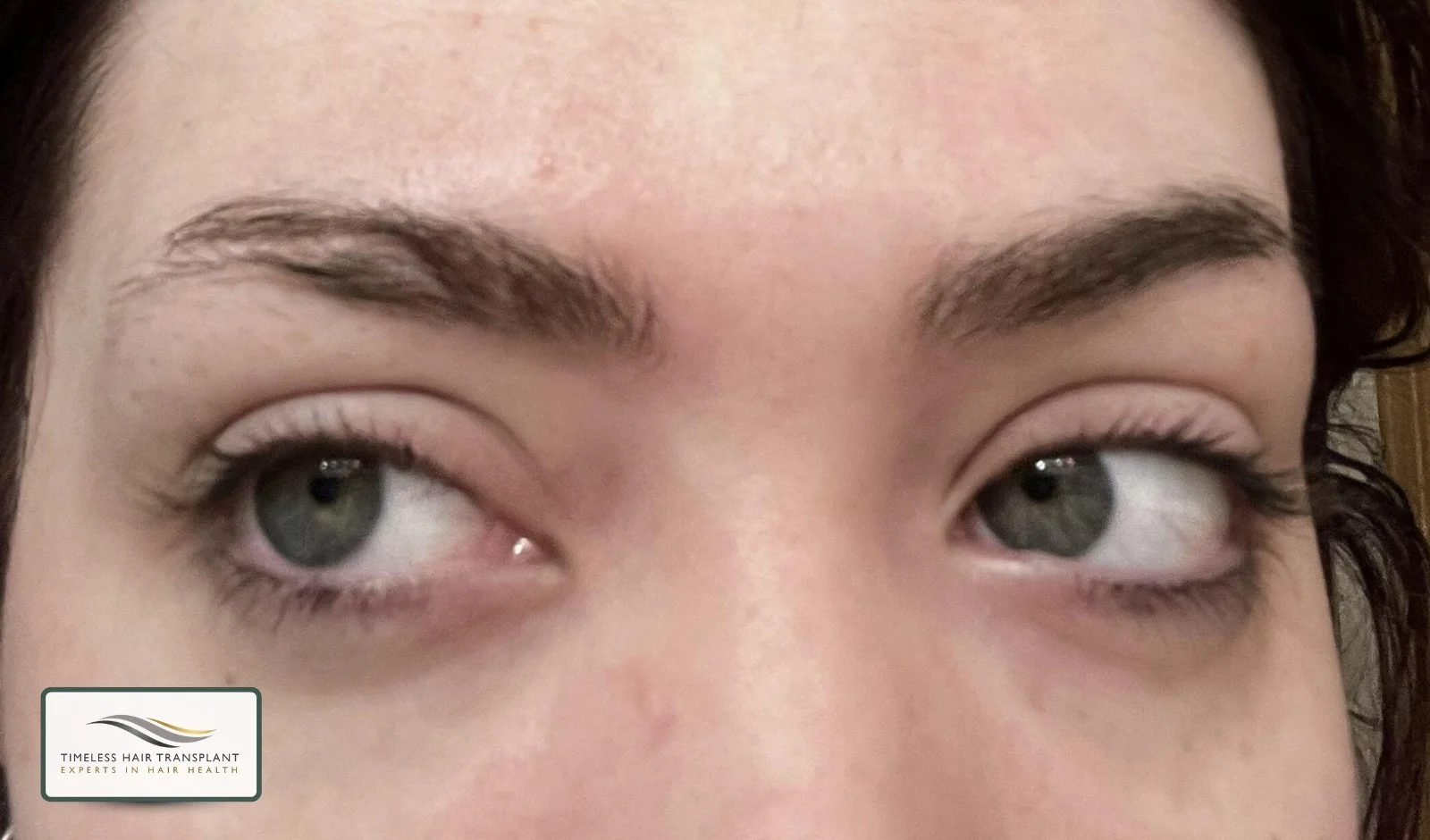
Scar tissue is different from normal skin. It may have reduced blood flow and a firmer texture. For hair growing successfully after transplant surgery, the area must have adequate circulation.
Before recommending an eyebrow transplant procedure, a surgeon carefully evaluates the eyebrow scar. If the scar tissue has a good blood supply and is stable, transplanted hairs can often grow successfully.
In some cases, additional preparation of the transplant areas may be needed to improve results.
How the Eyebrow Scar Hair Transplant Works
An eyebrow scar hair transplant involves removing healthy hair grafts from a donor area, usually the back of the scalp. These grafts contain strong hair follicles capable of long-term hair growth.
The surgeon then creates tiny openings in the eyebrow area, including within the scar tissue. Each graft is placed carefully to match the direction and angle of natural eyebrow hairs.
Precision is important. Eyebrow hairs grow at a flatter angle than scalp hair, so careful placement helps achieve a natural eyebrow appearance.
The procedure is performed as an outpatient treatment and typically takes a few hours, depending on the size of the scar and the number of hair grafts required.
What Results Can You Expect?
After the eyebrow hair transplant procedure, newly transplanted hairs may shed within the first few weeks. This is normal and part of the natural hair growth cycle.
New hair growth usually begins within three to four months. Full results often become visible between six and twelve months.
Because the transplanted hairs come from the scalp, they may grow longer than natural eyebrow hair. Regular trimming is usually required to maintain shape.
With proper placement and healing, most patients achieve a fuller and more balanced eyebrow restoration.
Is It a Permanent Solution?
Yes, in many cases, eyebrow scar transplant surgery offers a long-term solution. Once the transplanted hairs establish a blood supply in the transplant areas, they continue to grow naturally.
However, success depends on:
The condition of the scar tissue
The skill of the surgeon
Proper aftercare
Overall health
Realistic expectations are essential. While most patients see improvement, very dense growth may not always be possible in areas with significant scar tissue.
Who Is a Good Candidate?
You may be a good candidate for eyebrow scar hair transplant if you:
Have stable scar tissue in the eyebrow area
Experience thin eyebrows due to injury or surgery
Want a natural eyebrow appearance
Understand realistic expectations
A consultation helps determine whether transplant surgery is appropriate for your specific case.
Are There Risks?
Like all cosmetic procedures, there are potential risks, though serious complications are rare.
Possible concerns include:
Temporary redness or swelling
Mild discomfort
Limited hair growth if scar tissue has poor circulation
Choosing an experienced surgeon reduces the likelihood of visible scarring or uneven results.
How Does It Compare to Other Cosmetic Procedures?
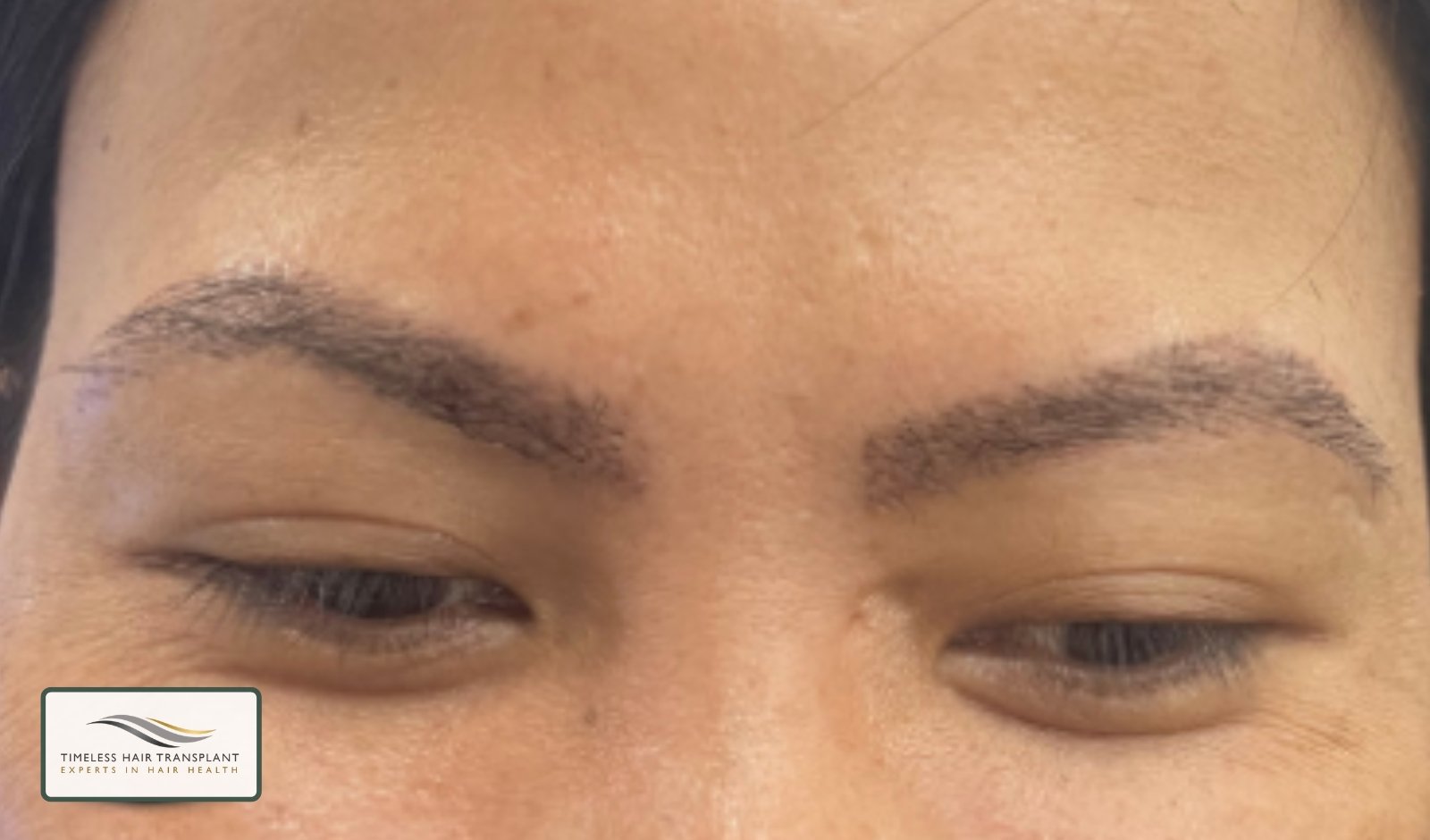
Some people choose temporary cosmetic procedures such as eyebrow tattoos or microblading to hide visible scarring.
While these options can improve appearance, they do not restore real hair. An eyebrow scar transplant offers actual hair growth in the affected area.
For those seeking a natural eyebrow with real eyebrow hairs rather than pigment, transplant surgery may provide a more durable solution.
Final Thoughts
An eyebrow scar hair transplant can be an effective way to restore hair over an eyebrow scar. While scar tissue presents unique challenges, many patients achieve meaningful improvement with proper technique and planning.
Transplanted hairs can grow long-term, blend with existing brows, and improve the appearance of thin eyebrows caused by injury or surgery.
The key is careful evaluation, realistic expectations, and choosing a qualified professional experienced in eyebrow restoration.
If you are concerned about visible scarring and want to explore your options, a professional consultation is the best first step.
Restore Confidence After an Eyebrow Scar
If you are considering an eyebrow scar transplant, expert guidance can help you make the right decision.
At Timeless Hair Transplant, we specialise in eyebrow restoration procedures tailored to each patient’s unique needs.
Call +44 (0) 7516294471 today or book a free consultation to discuss your goals and learn whether an eyebrow scar hair transplant is right for you.
Frequently Asked Questions
-
Yes, if the scar tissue has an adequate blood supply, transplanted hairs can grow successfully.
-
In most cases, transplanted hairs continue to grow long-term once established.
-
Most patients recover within one to two weeks, with hair growth beginning a few months later.
-
Yes, when placed carefully, they blend with existing brows to create a natural eyebrow appearance.
-
Yes. Because the hair comes from the scalp, regular trimming is usually necessary.
-
The procedure is generally well tolerated and performed under local anaesthesia.
-
Not all scars are suitable. A consultation determines whether the eyebrow scar is appropriate for transplant surgery.
-
Temporary cosmetic procedures like microblading can improve appearance, but do not provide real hair growth.
