
Eyebrow Transplant Aftercare Process Explained
Quick Answer
What is the eyebrow transplant aftercare process?
Eyebrow transplant aftercare focuses on protecting newly placed hair follicles in both the donor area and eyebrow area. The healing process includes gentle cleaning, avoiding sun exposure, and following your surgeon’s instructions to support proper hair growth. Careful transplant aftercare helps ensure transplanted hairs grow successfully for long-term results.
Key Takeaway
Follow all post-surgery instructions carefully
Keep the eyebrow area clean and protected
Avoid sun exposure during early healing
Do not touch or scratch the transplant area
Expect temporary shedding before hairs to grow again
Proper aftercare supports long-term hair growth
Eyebrow transplant surgery can restore shape and fullness to thin or patchy brows. However, the final result depends not only on the eyebrow transplant procedure itself, but also on proper transplant aftercare.
After hair transplants, the healing process is delicate. Newly placed hair follicles need time to settle into the brow area and establish a blood supply. Without careful aftercare, transplanted hairs may not grow as expected.
Understanding the eyebrow transplant aftercare process can help protect your results and reduce the risk of complications.
The First 48 Hours
The first two days after eyebrow transplant surgery are crucial. During this time, the transplanted hairs are still adjusting to the transplant area.
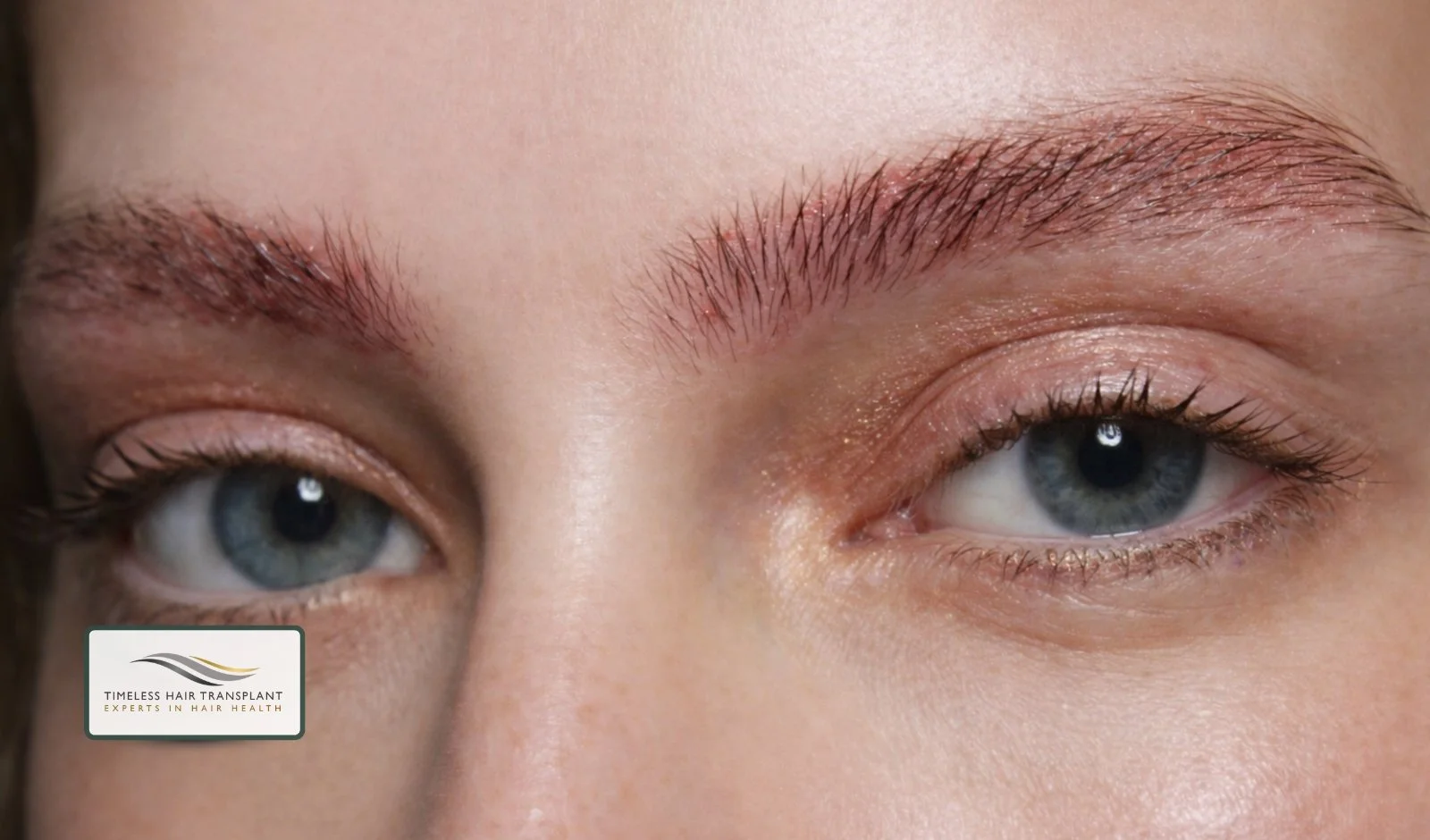
You may notice mild redness, swelling, or small scabs around the eyebrow area and donor area. These are normal signs of healing.
Avoid touching, rubbing, or scratching the brow area. Even light pressure could disturb the hair follicles before they secure in place.
Sleeping with your head slightly elevated can help reduce swelling.

Cleaning and Washing Your Face
One of the most common concerns is washing your face after surgery.
Your surgeon will provide specific instructions, but generally, you should avoid direct water pressure on the transplanted eyebrows for several days. When washing your face, be gentle and avoid harsh rubbing near the eyebrow area.
A mild cleanser may be recommended. Keeping the transplant area clean supports the eyebrow transplant healing process and lowers the risk of infection.
Protecting the Donor Area
The donor area, usually located at the back of the scalp, also needs care.
You may experience mild soreness or tightness. Follow cleaning instructions carefully and avoid strenuous activity for the first few days.
Most patients recover quickly, and the donor area heals within one to two weeks.
Managing Swelling and Discomfort
Some swelling around the brow area or forehead is common after eyebrow transplant surgery.
Cold compresses applied carefully (not directly on transplanted eyebrows) may help reduce swelling. Over-the-counter pain relief is usually enough to manage mild discomfort.
If you notice unusual pain or prolonged redness, contact your clinic promptly.
Avoiding Sun Exposure
Sun exposure can irritate the healing skin and affect transplanted eyebrows.
During the early stages of the healing process, avoid direct sunlight on the eyebrow area. If you must go outside, wear a hat that does not press against the brows.
Protecting the area helps support healthy hair growth and reduces the risk of pigmentation changes.
Shedding Phase and Hair Growth
A few weeks after the eyebrow hair transplant procedure, transplanted hairs may shed. This can be concerning, but it is completely normal.
This temporary shedding makes room for new hairs to grow from the transplanted hair follicles. New hair growth usually begins within three to four months.
Full results develop gradually. Transplanted eyebrows continue to improve over time, offering long-term enhancement of your facial features.
Long Term Care
Once healing is complete, transplanted hairs behave like natural scalp hair. This means they may grow longer than the original eyebrow hairs.
Regular trimming may be necessary to maintain shape. Gentle grooming helps preserve the natural appearance of the brows.
Maintaining overall scalp health and addressing any underlying hair loss concerns can also protect results.
Final Thoughts
Eyebrow transplant aftercare plays a major role in the success of your procedure.
By protecting the eyebrow area, following cleaning instructions, and avoiding sun exposure, you support the healing process and encourage healthy hair growth.
Patience is important. While results take time, careful transplant aftercare increases the likelihood of strong, natural-looking transplanted eyebrows that enhance your facial features for the long term.
Support Your Healing With Expert Guidance
If you are preparing for eyebrow transplant surgery or have questions about the eyebrow transplant aftercare process, professional guidance is essential.
At Timeless Hair Transplant, we provide detailed aftercare instructions and ongoing support to ensure optimal results.
Call +44 (0) 7516294471 today or book a free consultation to discuss your treatment plan and recovery expectations.
Frequently Asked Questions
-
Initial healing takes about one to two weeks, while full hair growth develops over several months.
-
Your surgeon will advise you, but gentle washing is usually allowed after a few days.
-
Yes, mild swelling around the brow area is common and temporary.
-
Shedding is part of the normal healing process before new hairs grow.
-
New hair growth usually begins within three to four months.
-
Yes, direct sun exposure can irritate healing skin and should be avoided early on.
-
Yes, because the hair comes from the scalp, regular trimming is often needed.
-
Contact your clinic immediately if you notice severe pain, infection, or unexpected changes.
