
Eyebrow Transplant Healing Process: What to Expect
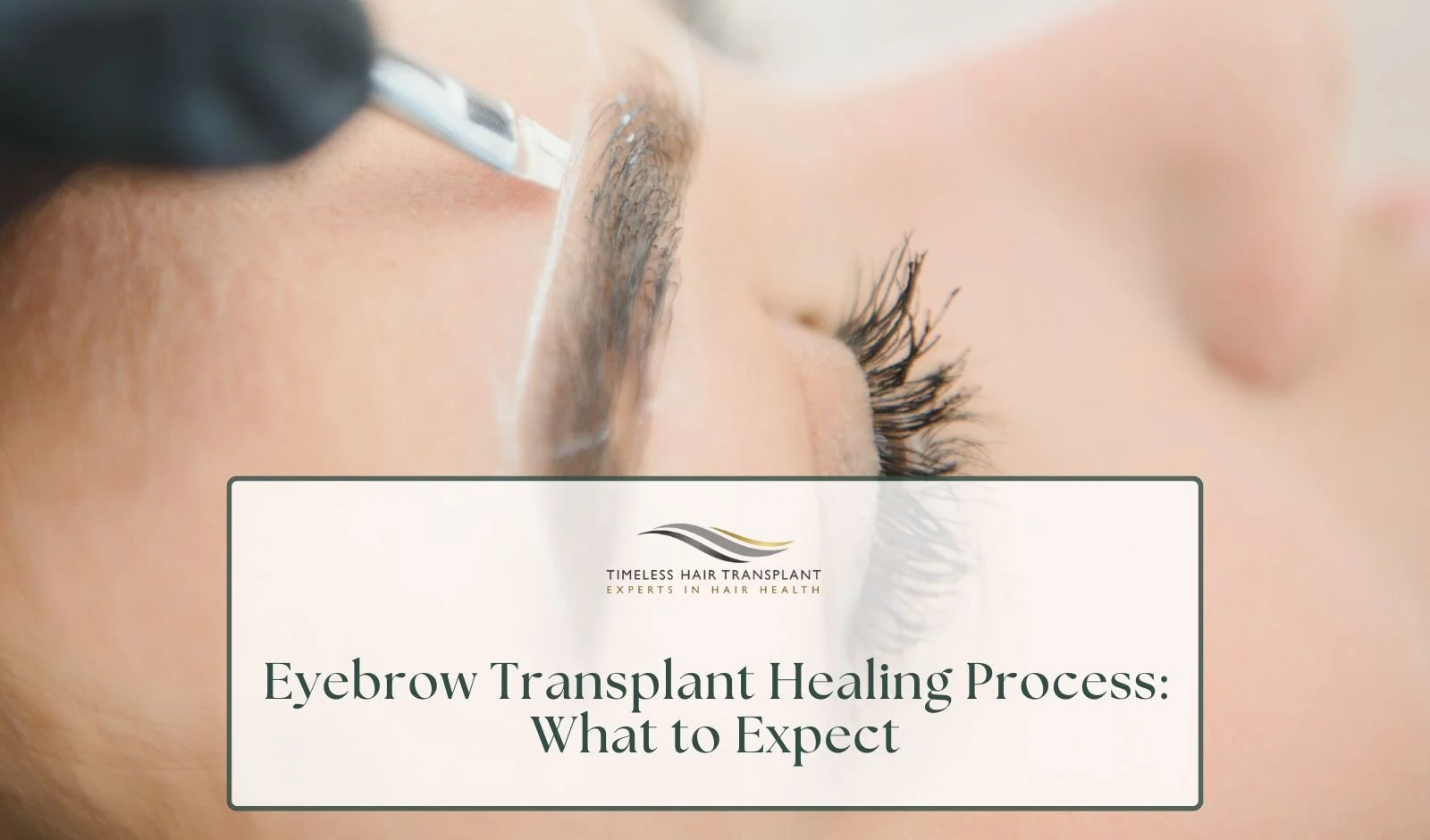
Eyebrow hair loss can happen for many reasons, including overplucking, ageing, genetics, or medical conditions. As more people look for long term ways to restore fuller eyebrows, eyebrow hair transplants have become a trusted option. Before getting the procedure, many simply want to understand what the healing journey looks like and how long recovery usually takes.
Knowing what to expect at each stage helps you feel prepared and confident throughout the process. This guide walks you through the healing timeline, from the first few days after surgery to the moment your final results begin to appear.
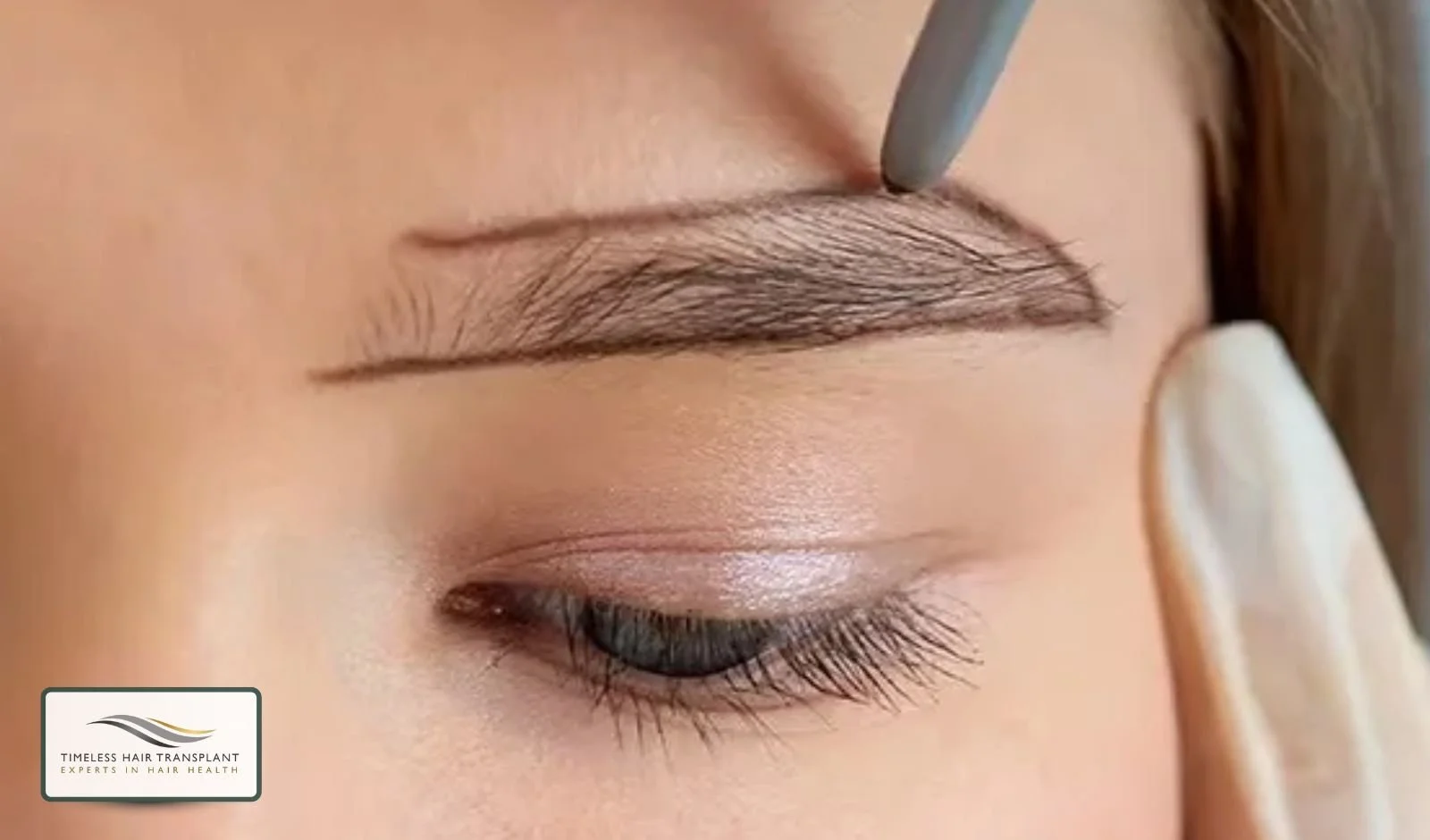
Why People Choose Eyebrow Hair Transplants
Many people experience thin eyebrows or patchy areas that do not improve on their own. Eyebrow hair transplants offer a long term and natural-looking fix because they use real hair from your own donor area. Once healed, the transplanted hair blends seamlessly with your natural brows and continues to grow just like normal eyebrow hair.
Eyebrow hair transplants are part of modern hair transplant procedures, making them a reliable option for anyone wanting a permanent solution to eyebrow thinning or eyebrow hair loss.
How the Eyebrow Transplant Procedure Works
Most eyebrow restoration procedures use the Follicular Unit Extraction (FUE) method. This technique involves removing tiny groups of hairs, called hair grafts, from the donor area. These hairs are then implanted into the brow area one by one to create a natural shape.
Here’s how the procedure typically works:
Your surgeon maps out your ideal brow shape
Individual follicles are extracted using FUE
Tiny openings are created in the brow area
Each follicle is placed at the correct angle and direction
Healing begins immediately after the procedure
Because FUE is minimally invasive, it supports a smoother healing process and shorter recovery time.
Eyebrow Transplant Healing Timeline: What Happens Next
Healing happens in stages, and each phase is a normal part of the process. If you’re wondering how long eyebrow transplant healing takes, this timeline shows what to expect from start to finish.
Days 1 to 3: Early Healing Begins
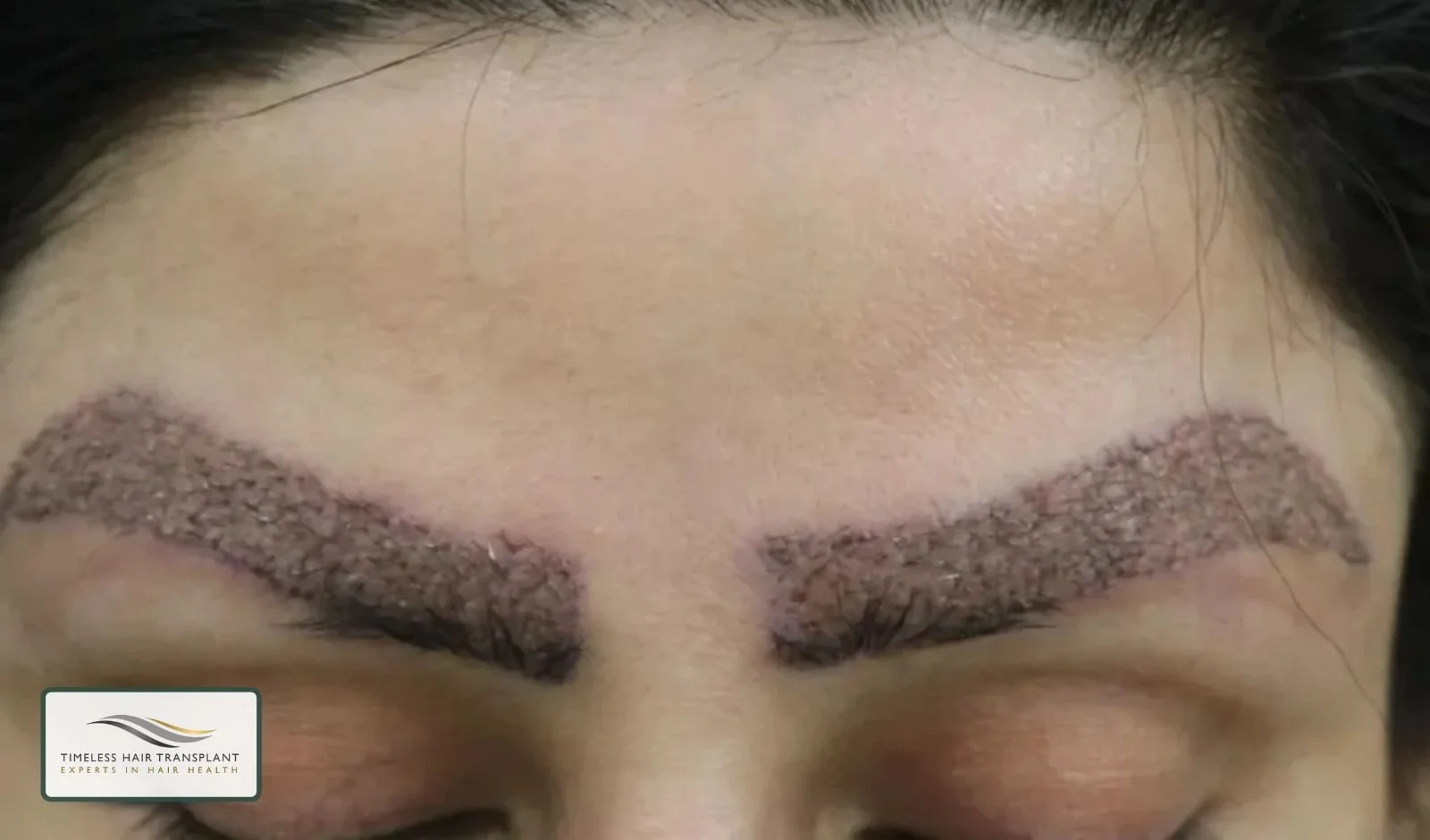
Right after the procedure, the brow area may look slightly red or swollen. Small scabs form around each graft, which is your body’s natural healing response.
Mild sensitivity or tightness is normal
Scabs protect the newly implanted grafts
The donor area may feel slightly tender
During this time, gentle care is essential to protect the follicles.
Days 4 to 7: Scabs Begin to Settle
By the end of the first week, the scabs begin to dry out and become less noticeable. The brows may appear darker or fuller than usual because the grafts are still settling.
Avoid scratching or rubbing
Keep the brow area clean and dry
FUE helps the donor area heal quickly
Most people can comfortably return to regular activities during this stage.
Weeks 2 to 3: Shedding Phase
Many people worry during this stage, but shedding is expected. Some of the transplanted hair will fall out as the follicles enter a resting phase.
Shedding is temporary
Follicles remain in place under the skin
New hair growth will replace the shed hairs
This is one of the most important parts of the healing process.
Months 2 to 3: Early Growth Begins
After the shedding phase, new hair growing starts to appear. Early hairs may be soft, light, or thin at first, which is normal.
This is a sign that the transplant is taking hold and the follicles are adjusting to their new location.
Months 4 to 6: Brows Become Thicker
Your eyebrows begin to fill out during this stage. You’ll notice more density and shape as the hairs strengthen and grow.
Brows look fuller and more defined
New hairs blend with your existing brows
Growth becomes more consistent
This is when most people start feeling excited about the transformation.
Months 9 to 12: Final Results Fully Develop
By this point, your eyebrows reach their full appearance. The transplanted follicles are fully settled, and the brow area develops natural texture and thickness.
Brows look balanced and complete
Growth is stable and long term
Hair behaves like natural eyebrow hair
Eyebrow transplants are a long term solution, and once the final results appear, they remain stable for years.
How Long Does Eyebrow Transplant Take to Heal?
Most of the visible healing takes place in 7 to 14 days, while the full transformation takes 9 to 12 months.
Here’s a quick summary:
Initial healing: 1 to 2 weeks
Shedding phase: Weeks 2 to 4
Early growth: Months 2 to 3
Thickening stage: Months 4 to 6
Final results: Months 9 to 12
Every stage brings you closer to fuller eyebrows that look natural and continue to grow.
Tips for a Smooth Healing Process
Following proper aftercare can help protect your new brows and support healthy growth:
Avoid rubbing, scratching, or touching the brow area
Do not pick at scabs
Avoid sweating heavily for the first few days
Protect the brows from sun exposure
Follow all post surgery instructions carefully
Keep expectations realistic during shedding and early growth
Good aftercare helps the healing process stay on track.
Your Trusted Choice for Natural Eyebrow Restoration
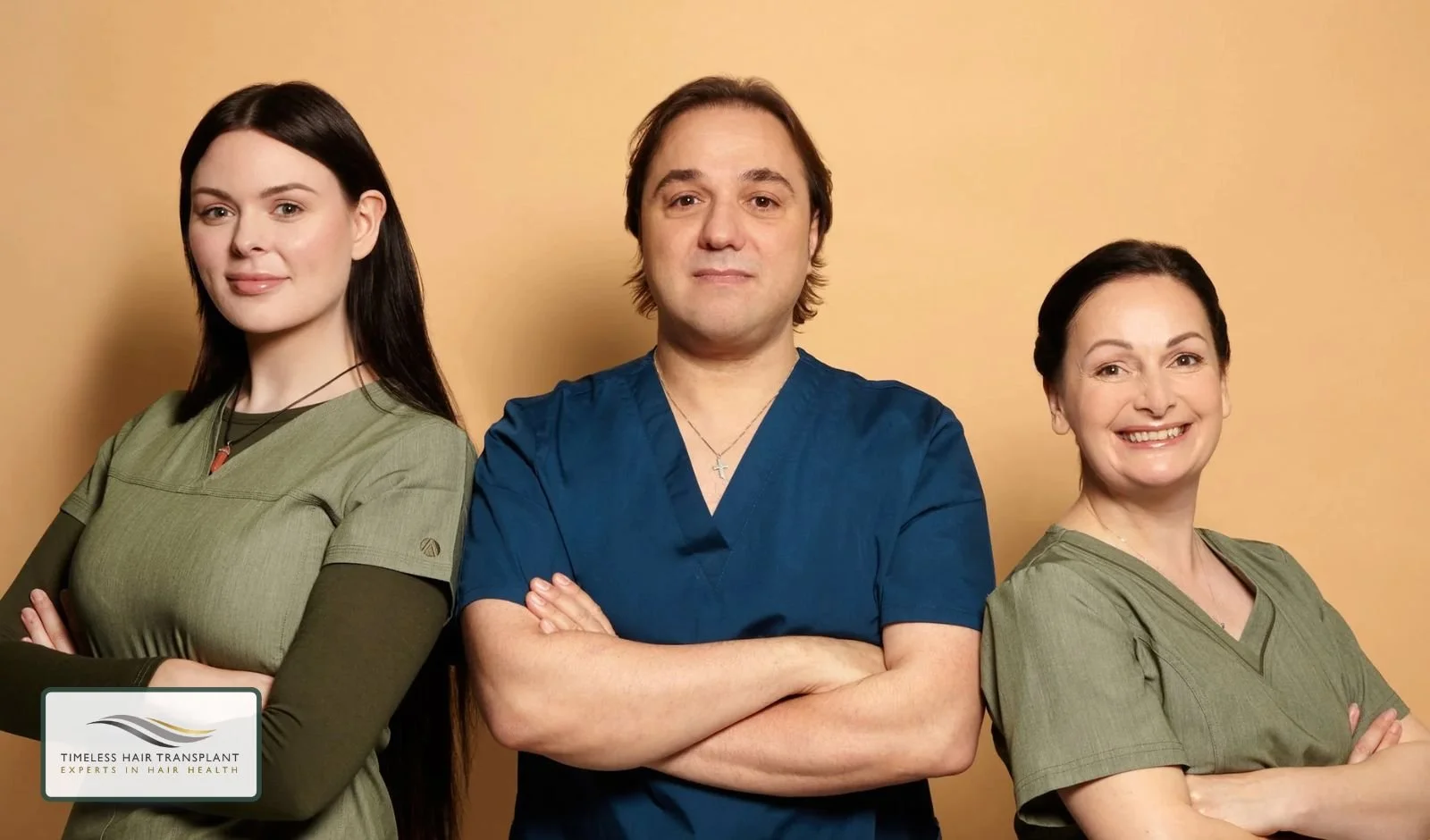
Choosing the right team is essential for achieving long term, natural-looking results. At Timeless Hair Transplant, every eyebrow transplant is performed with careful brow design, precise follicle placement, and a focus on healthy growth. This ensures your restored brows look soft, natural, and perfectly balanced with your facial features.
From your first consultation to your final follow-up, you receive personalised care that supports every stage of healing, helping you achieve long term confidence and results that truly last.
Call us today +44 (0) 7516294471 to book your free consultation.
