
How Long Do Beard Transplants Last? Understanding Results
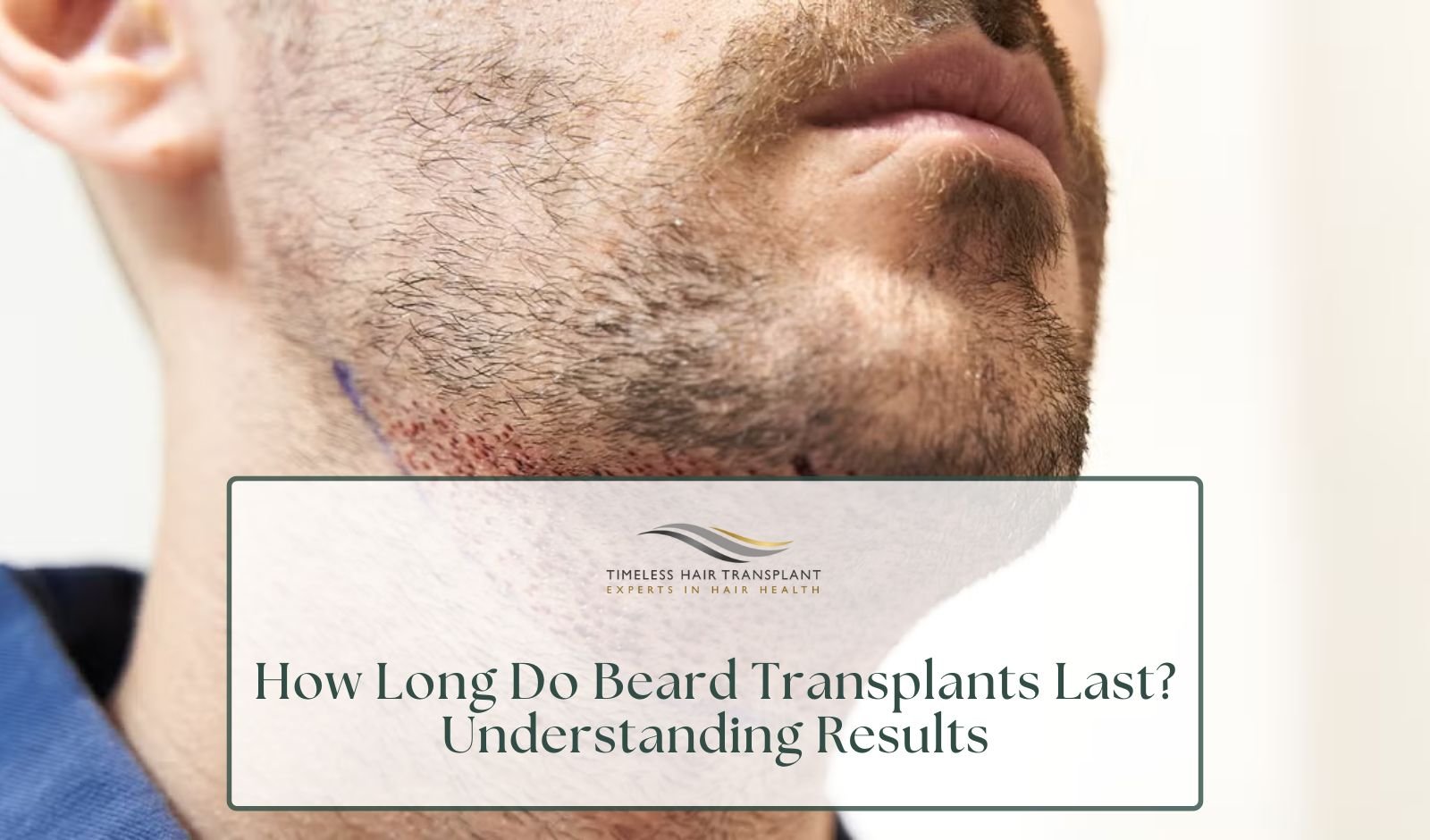
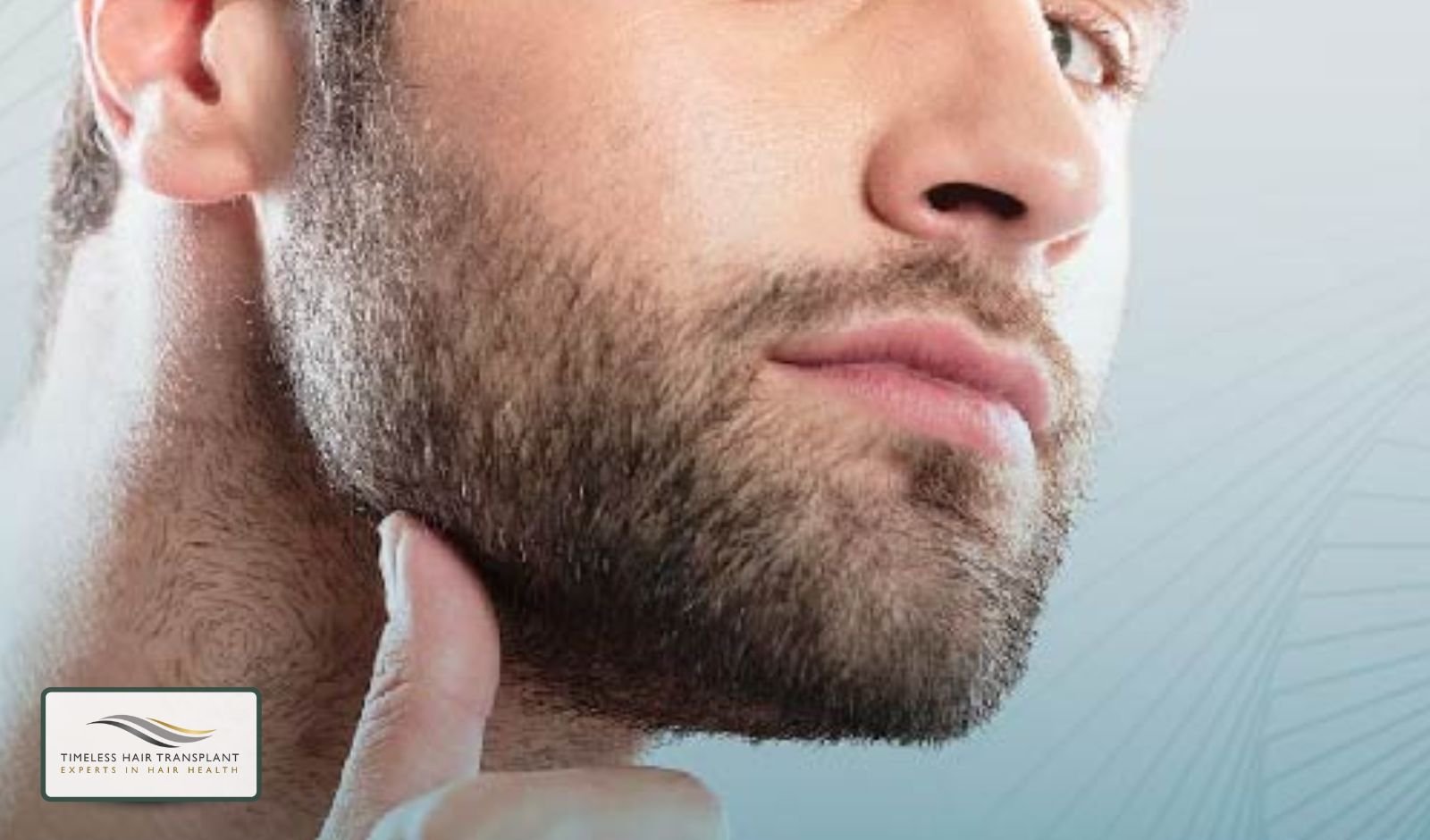
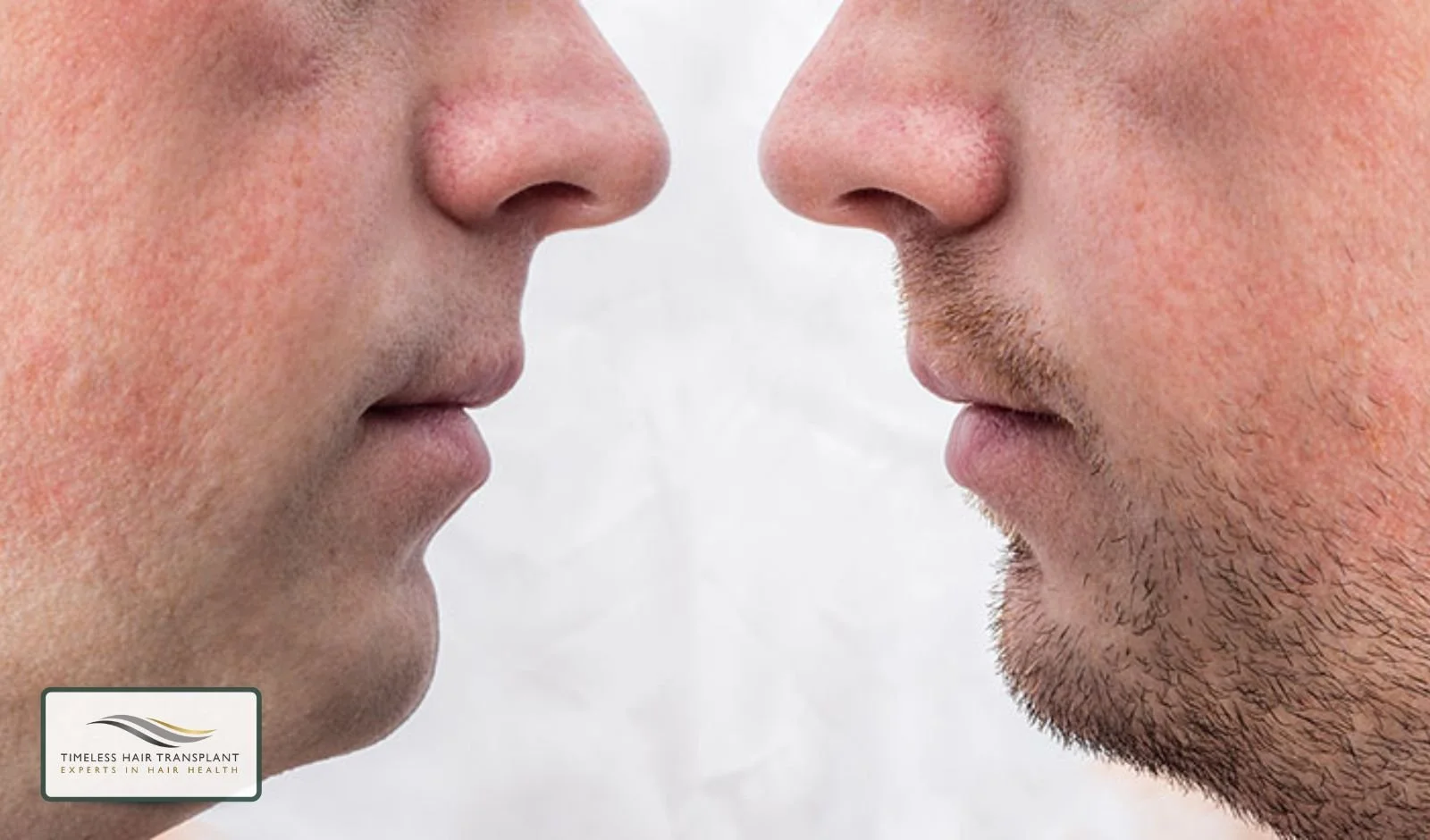
A full, well-shaped beard has become a strong style statement for many men. But not everyone can grow dense, even facial hair naturally. Genetics, scars, uneven hair growth, and different types of hair loss can lead to gaps or patchy areas in the beard. Because of this, many men consider beard transplants to achieve long term, natural-looking facial hair that grows just like a real beard.
One of the first things people ask is how long do beard transplants last, and whether the results stay permanent. The short answer is that beard transplants offer reliable, long term results when performed by a skilled surgeon and cared for properly.
This guide explains how the procedure works, how long the results last, what affects beard growth after surgery, and how to take care of the transplanted hair follicles for the best outcome.
Understanding Beard Transplants
A beard hair transplant works by taking healthy donor hairs from the donor area, usually the back of the scalp, and implanting them into thin or patchy spots in the beard area. These hairs are naturally stable and resistant to hair loss, which is why they continue to grow long term once transplanted.
Beard transplants help men who want:
A fuller beard
Better beard density
To correct patchiness
To fill gaps from scars
Improved beard shape and definition
After healing, the transplanted hair blends with your natural facial hair, creating a seamless and natural look. Surgeons match the angle and direction of each graft to the natural hair pattern, which ensures a realistic result.
How Long Do Beard Transplants Last?
Most patients want to know how long a beard transplant lasts, and the truth is that the results are designed to be long term. Once the transplanted hair follicles settle into the skin and begin growing, they behave like natural beard hair. They continue to grow and can be trimmed, shaped, and styled the same way as the rest of your beard.
Because these hairs come from scalp hair that is genetically stable, they continue growing for many years. For most people, beard transplant results are considered permanent, especially when the procedure is performed well and proper care is followed during healing.
Why Beard Transplants Last Long Term
Beard hair transplants remain effective for many years due to several factors.
1. Strong, Stable Donor Hairs
The donor hairs taken from the back of the scalp are naturally resistant to thinning. When moved to the beard area, they keep those same characteristics.
2. Natural Hair Growth Cycle
Once healed, transplanted hairs follow a normal hair growth cycle. They shed, rest, and regrow just like real beard hair.
3. Permanent Root Placement
Correct implantation allows each follicle to anchor securely in the recipient area, ensuring long term growth.
4. Seamless Blend With Natural Beard Hair
Because the grafts are placed at the correct angle and direction, the new hair looks natural and blends with your existing beard hair.
How the Beard Transplant Procedure Works
Understanding the steps makes it easier to see why results last so long.
Consultation and Beard Planning
Your surgeon evaluates your beard, discusses your goals, and determines the number of grafts needed to achieve good density.
Follicular Unit Extraction (FUE) Technique
Most modern beard transplants are performed using the Follicular Unit Extraction method. With FUE, individual follicles are removed one by one from the donor area, allowing for precise control and natural placement. This minimally invasive technique avoids a linear scar and is ideal for creating realistic facial hair patterns.
Harvesting Donor Hairs
Individual follicles are taken from the donor area using a gentle method designed to protect the strength and quality of each graft.
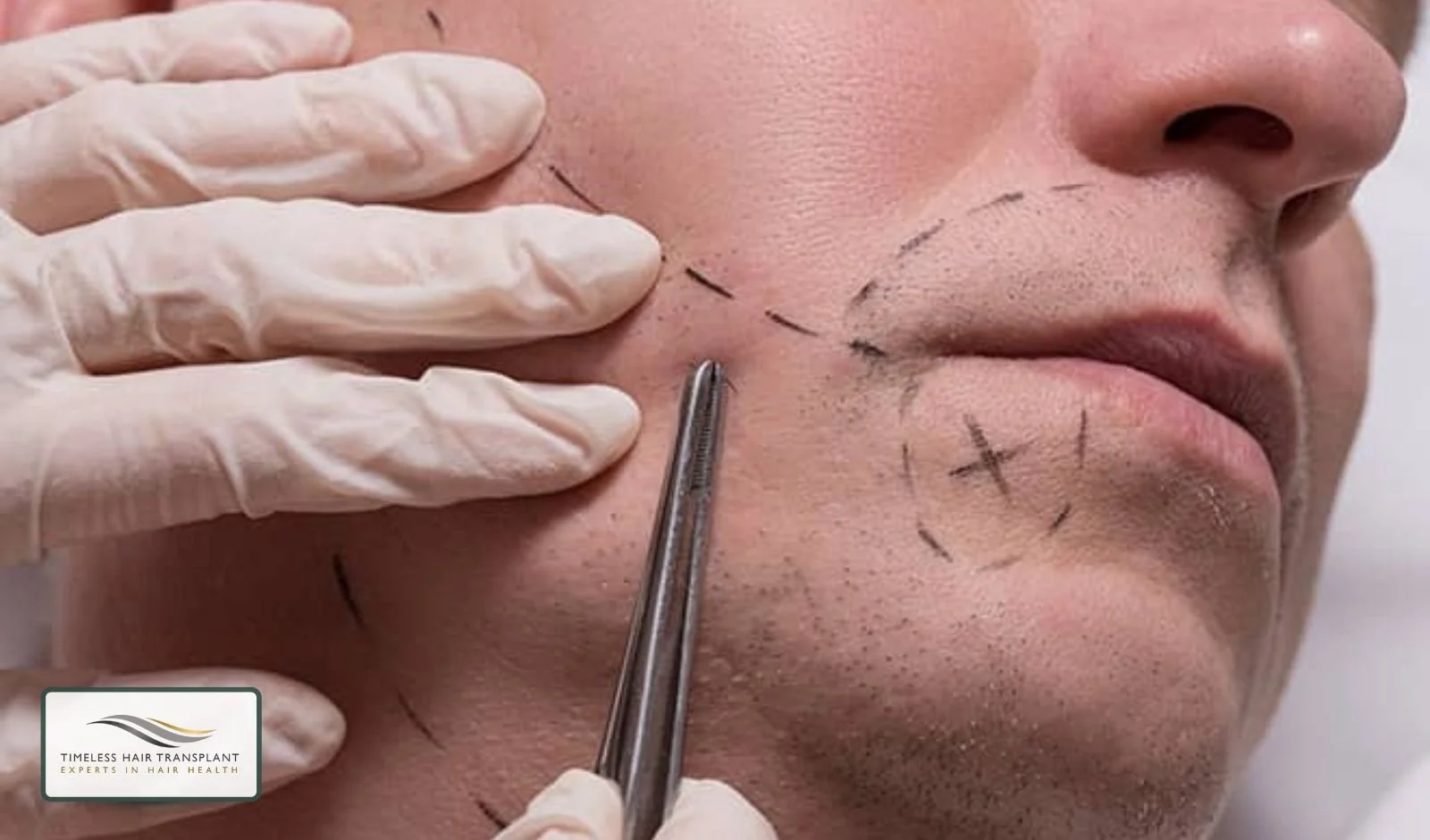
Designing the Beard
The surgeon outlines your new beard shape to match your facial structure, ensuring proper symmetry and a natural appearance.
Implanting the Grafts
Each graft is placed manually into the beard area. The surgeon adjusts the angle, direction, and density of every hair to match your natural beard growth for a seamless blend.
Post Procedure Recovery
After the procedure, mild redness and tiny scabs appear in the treated areas. This is normal and improves quickly with good aftercare.
What to Expect After the Procedure
Knowing the healing stages helps set realistic expectations.
1. First Week: Healing Starts
Redness, swelling, and scabbing may appear in the transplant area. The donor area may also feel slightly tender.
2. Weeks 2 to 4: Temporary Shedding
Some transplanted hairs fall out due to shock loss. This is completely normal and part of the growth cycle.
3. Months 2 to 3: New Hair Begins to Grow
Early hair growth starts. Hairs may seem fine or soft at first, but they thicken with time.
4. Months 4 to 6: Noticeable Growth
The beard begins to appear fuller as more hairs grow in the recipient area.
5. Months 9 to 12: Final Results
Your beard reaches its full appearance. The transplanted hairs behave and grow like natural beard hair.
Long Term: Once fully healed, beard transplants last for many years and often permanently. The transplanted follicles continue to grow just like natural facial hair.
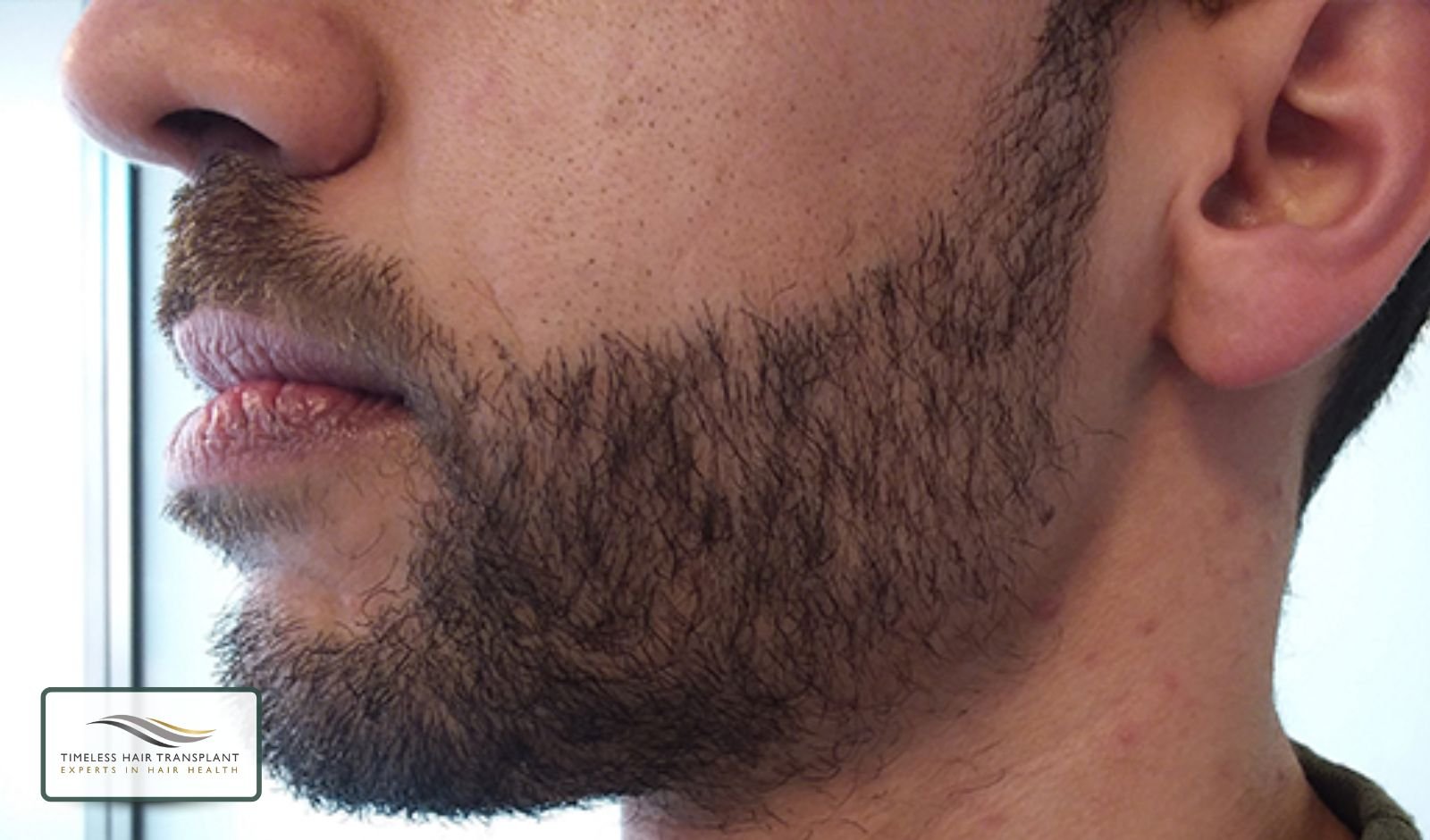
Factors That Influence How Long Results Last
Although beard transplants are designed to be long term, several factors shape the final outcome:
Strength and quality of the donor hairs
The surgeon’s experience and technique
Your overall skin and hair health
How closely you follow aftercare instructions
The density achieved based on the number of grafts
A strong combination of skill and proper healing leads to the best possible long term results.
Maintaining Your Beard After a Transplant
Proper aftercare protects the transplanted follicles and supports healthy growth.
During Early Healing:
Avoid scratching or touching the beard
Follow all aftercare instructions
Avoid sweating heavily for the first week
Keep the beard clean and dry
Do not pick at scabs
After Full Healing:
Trim and shape the beard normally
Keep your skin moisturised
Use gentle grooming products
Maintain a consistent skin care routine
Good care helps your beard stay strong, healthy, and full.
Your Trusted Partner for Natural Beard Restoration
At Timeless Hair Transplant, choosing an experienced team means you are supported by specialists who focus on long term, natural-looking beard results. With careful planning, precise follicle placement, and a commitment to natural growth, we aim to help you achieve a fuller, well-balanced beard that enhances your appearance. From your first consultation to full recovery, you receive personalised care throughout every stage of your treatment.
Call us today +44 (0) 7516294471 to book your free consultation.
Frequently Asked Questions
-
Beard transplants are designed to be long term. Once healed, the transplanted hairs continue to grow naturally for many years.
-
Initial healing takes one to two weeks. Full results usually appear between nine and twelve months.
-
Yes. Shock loss happens during the first few weeks and is part of the natural growth cycle.
-
Yes. Beard transplants effectively correct uneven growth, gaps, and scars.
-
When done correctly, transplanted hairs match the angle and flow of real beard hair.
-
Absolutely. Strong donor hairs lead to stronger, longer lasting beard growth.
-
Most patients wait about two weeks, but timing depends on your healing progress.
