
How Long Does a Beard Transplant Take to Heal? Explained
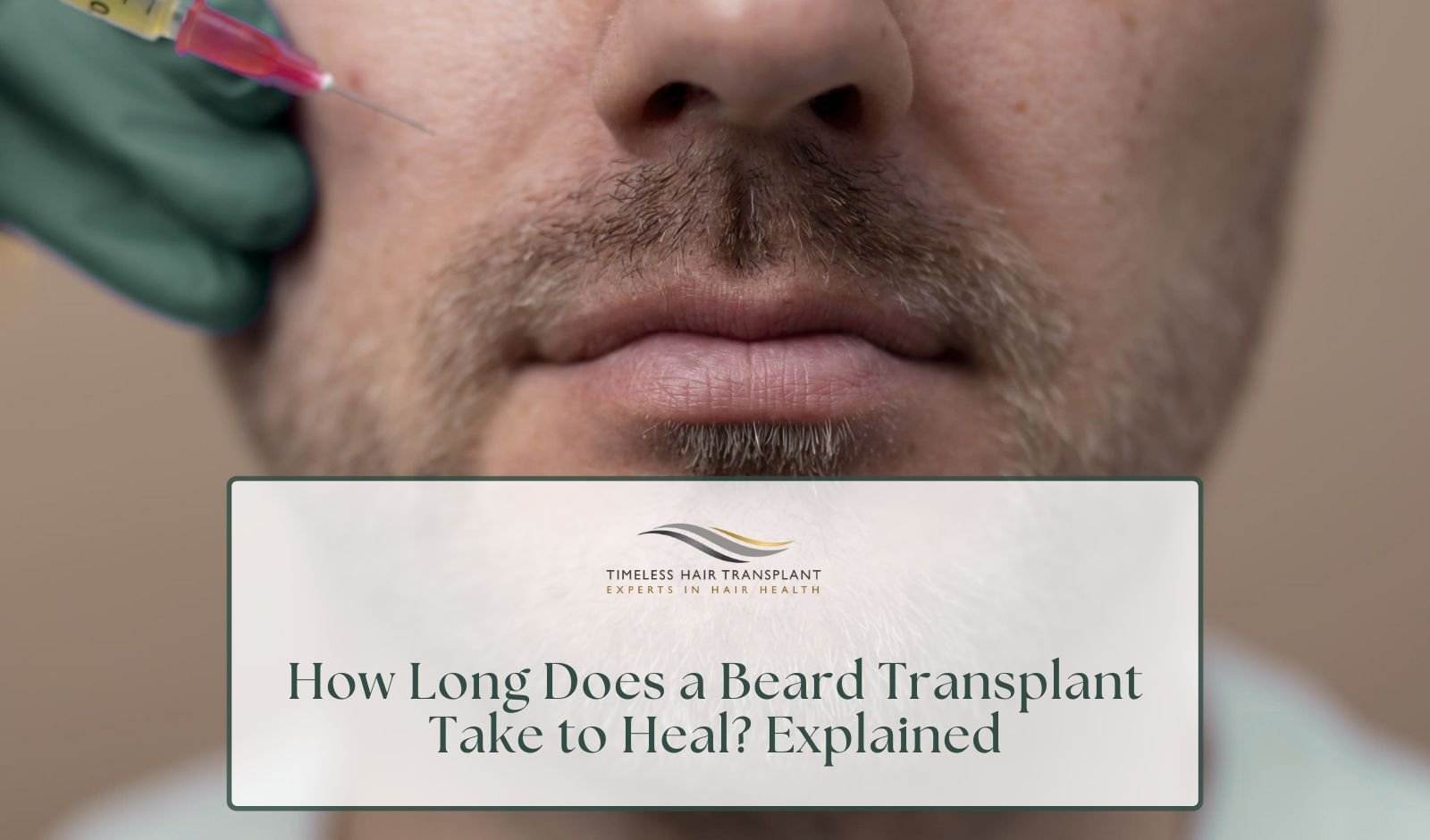
A full, well-shaped beard is something many men want, but natural beard growth does not always develop evenly. Patchy areas, thin beard hair, or gaps caused by hair loss often lead people to explore long-term solutions like beard hair transplants. Before scheduling the procedure, most patients want to know how long a beard transplant takes to heal and what the recovery process looks like.
Understanding the healing timeline helps you feel prepared, confident, and comfortable with what to expect. This guide breaks down each stage of beard transplant recovery, explains why healing times vary, and outlines how to care for the transplanted hairs to support strong beard growth and long-term results.
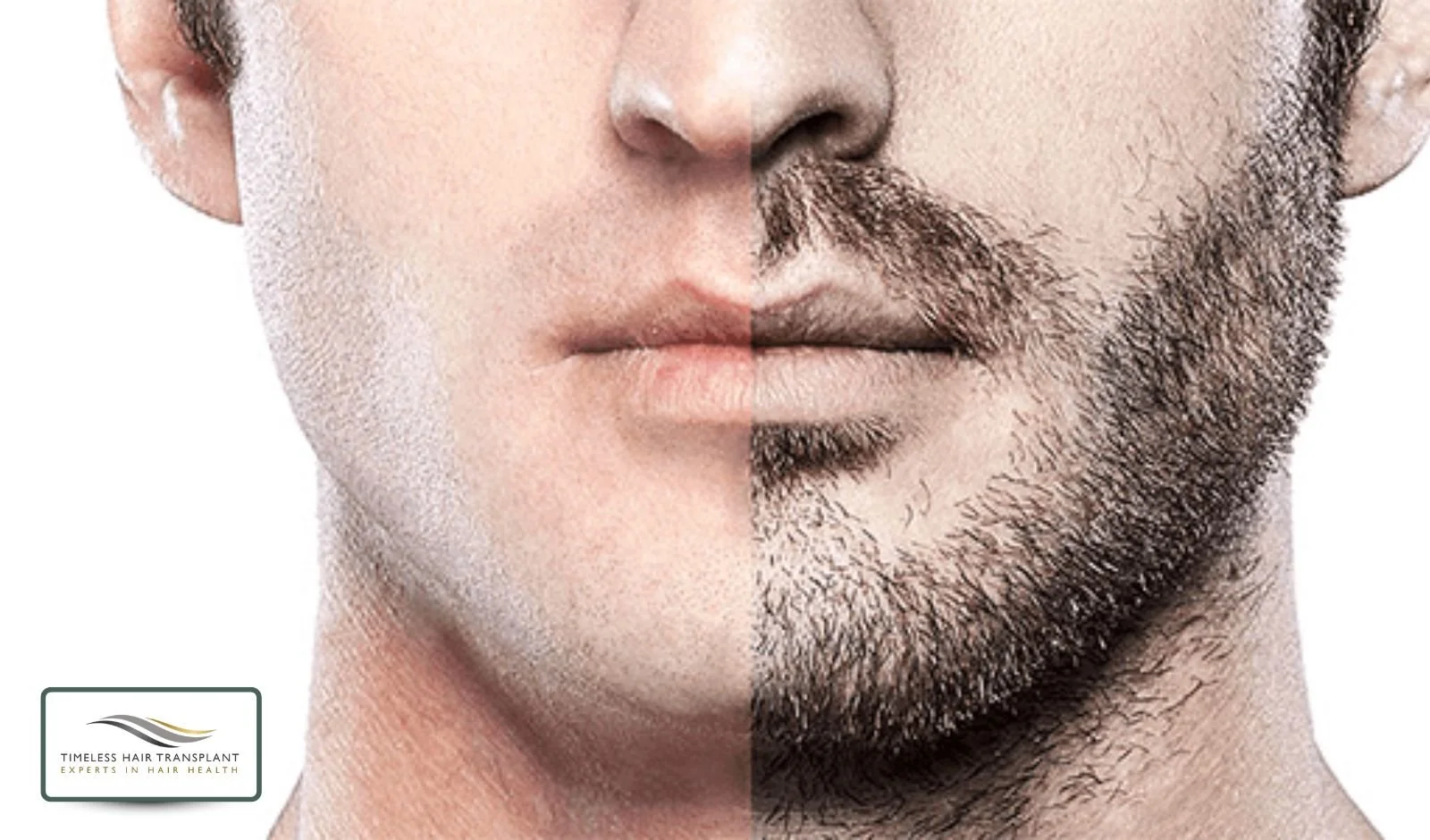
Why Healing Time Matters in Beard Transplants
The beard hair transplant healing timeline affects how soon you can return to normal activities, when you will see new beard growth, and when the final results appear. Like any hair restoration procedure, your skin and hair follicles need time to settle before the beard begins to thicken.
Although beard transplants are similar to scalp hair transplants, the beard area heals differently because the skin is more sensitive and facial movements are constant. This makes proper care important during early healing. Most modern beard transplants are performed using the Follicular Unit Extraction (FUE) technique, a minimally invasive method that allows surgeons to remove individual follicles with precision. Because FUE reduces trauma to the skin, it supports smoother healing and helps the transplanted hairs adapt well to their new location.
Beard transplants use modern techniques that protect the donor area, preserve the hair grafts, and help the transplanted hairs survive in their new location. When the procedure is done by an experienced team, healing progresses smoothly and results last long term.
What to Expect During Beard Transplant Recovery
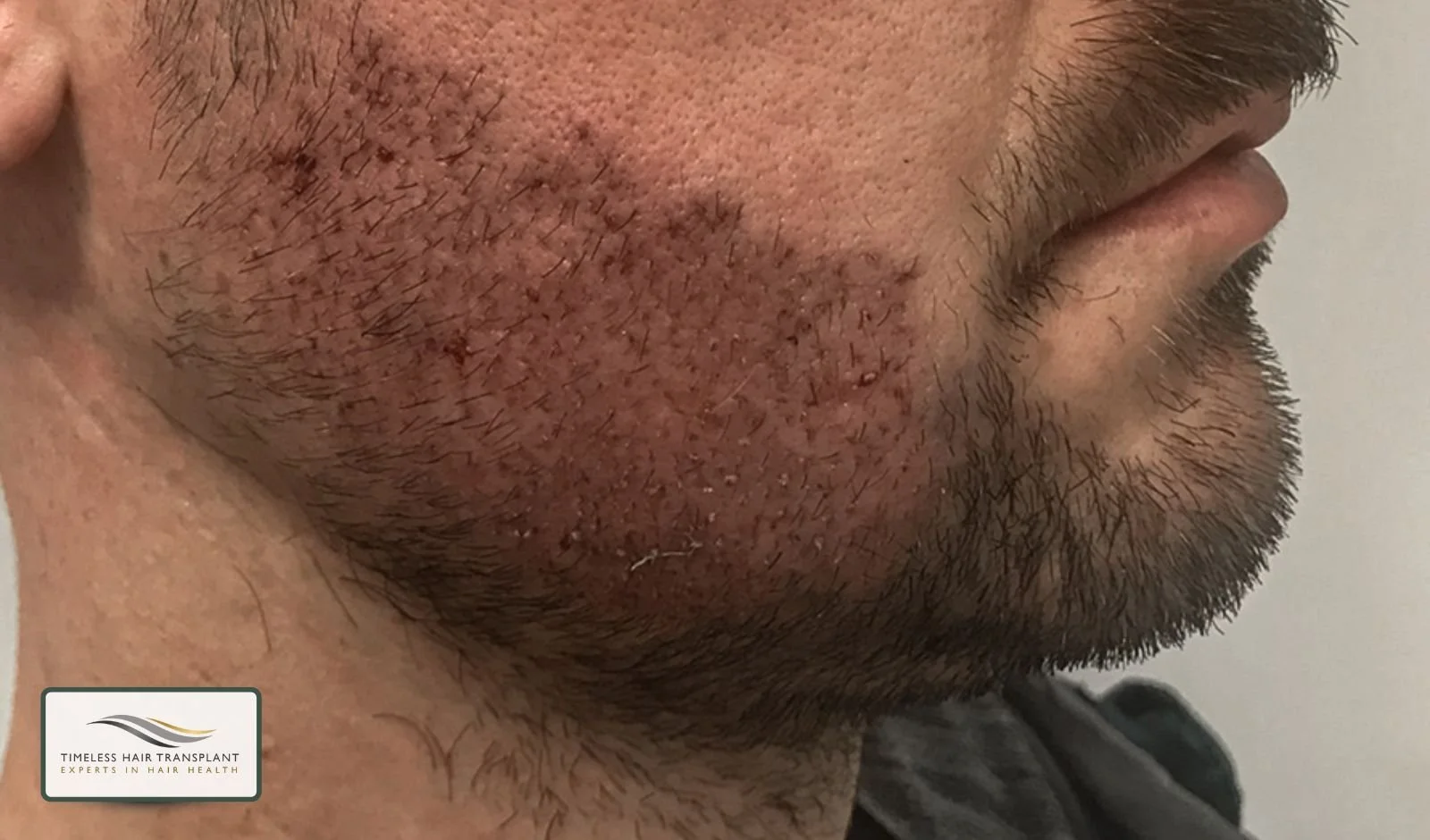
In general, beard transplant recovery happens in stages. Initial healing takes about one to two weeks, which is when redness, scabbing, and swelling settle. After this, the beard enters a natural growth cycle, and full healing continues over the next few months as the transplanted hair follicles strengthen and settle into the skin. Most patients begin noticing new growth by month three, while final results typically appear between nine and twelve months.
Your healing timeline may vary based on the number of grafts used, your skin sensitivity, and how closely you follow aftercare instructions.
Beard Transplant Recovery Timeline
Day 1 to Day 3: Early Healing Begins
Right after the transplant procedure, the beard area and donor area may feel tender. Tiny scabs form around each graft, which is normal. Mild swelling or redness may occur, especially if many grafts were placed.
Your surgeon will give post-procedure instructions such as:
How to wash your face gently
How to protect the transplant area
When to resume light activities
Since the transplanted follicles are fragile during this stage, avoiding friction or pressure is essential.
Days 4 to 7: Scabbing Starts to Fade
Scabs begin to fall off naturally. Redness begins to fade, and the beard area looks less irritated. You may return to work or light daily routines as long as they do not involve sweating, heavy exercise, or touching the transplant area.
Most patients feel comfortable being seen in public by the end of week one.
Week 2 to Week 4: Shock Loss Stage
Some transplanted hairs fall out due to shock loss, a normal part of healing. Although it may feel concerning, this shedding happens because the transplanted hair follicles temporarily enter a resting phase. The follicles remain intact under the skin and will produce new beard growth in the coming months.
This stage occurs in most hair transplants, including scalp and beard procedures.
Months 2 to 3: Early Hair Growth
Early signs of new beard growth begin. The hairs often grow unevenly at first, appearing soft, thin, or slightly wiry. This is normal and temporary. The follicles are still adjusting and strengthening.
Growth becomes more consistent as the months progress.
Months 4 to 6: Beard Becomes Thicker
This is one of the most exciting stages for many patients. The beard begins to fill out as the new hairs grow longer and blend with natural beard hair. Density improves, and the beard looks more defined.
During this time, some patients feel confident trimming or shaping their beard lightly.
Months 9 to 12: Final Results Appear
By this stage, the beard has reached its final results. The texture, thickness, and density look natural and balanced. The transplanted hairs behave like natural beard hair, meaning they continue to grow and can be styled freely.
Once fully healed, the results are long-term and stable.
Common Side Effects During Healing
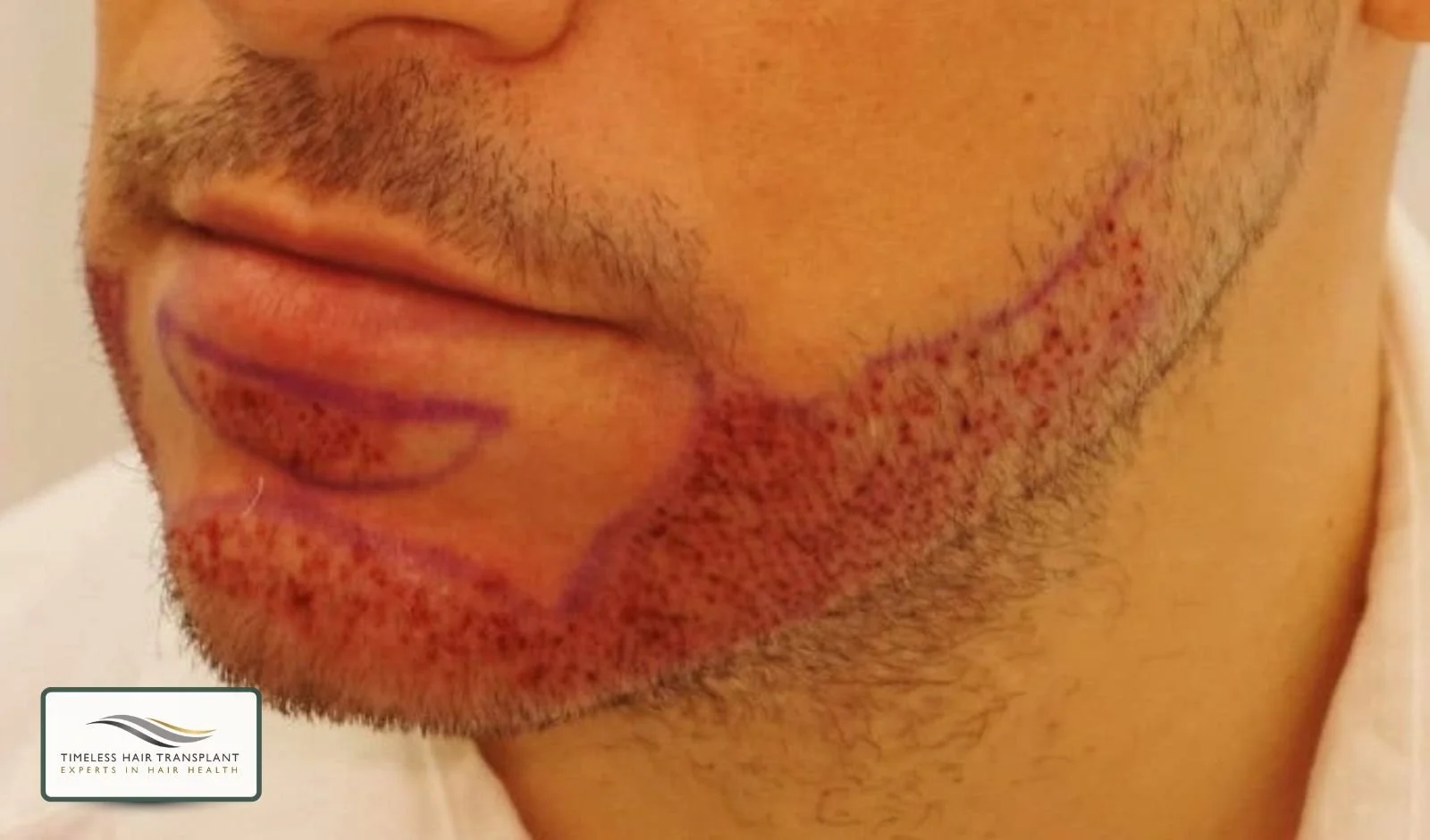
Beard transplant recovery is usually smooth, but like any hair transplant, temporary side effects may occur:
Redness
Mild swelling
Tiny scabs
Itchiness
Tightness in the donor area
Shock loss
These effects typically fade within the first one to two weeks. Following your aftercare plan helps minimise discomfort and supports a smooth recovery.
If anything feels unusual or persists longer than expected, always contact your hair transplant clinic for reassurance and guidance.
What Affects Healing Time?
Several factors influence how long beard transplant healing takes:
1. Skin Type and Sensitivity
Some people experience more redness or swelling due to naturally sensitive skin.
2. Number of Hair Grafts
More grafts mean more small incisions in the transplant area, which may extend the healing period slightly.
3. Donor Area Health
Stronger donor hairs produce stronger transplanted hairs and help support long-term results.
4. Overall Health and Lifestyle
Healthy habits improve healing. Smoking, alcohol, and lack of rest can slow the process.
5. Proper Aftercare
Following cleaning instructions, avoiding scratching, and protecting the beard area helps the transplanted follicles settle properly.
6. Surgeon’s Technique
Experienced surgeons minimise trauma to the skin, which speeds up healing and improves long-term outcomes.
How to Support Faster Healing
Here are helpful tips to support recovery and protect your transplanted hairs:
Avoid sweating, heavy exercise, and hot environments for several days
Do not scratch or rub the beard area
Sleep with your head elevated to reduce swelling
Follow your washing instructions carefully
Avoid direct sun exposure during early healing
Stay hydrated and eat nutrient-rich foods
Your skin and transplanted follicles will heal more effectively with the right care.
When You Can Expect Long-Term Results
Once fully healed, the transplanted hairs continue to grow naturally for many years. Beard hair transplants work by relocating permanent hair follicles from the donor area, so the results remain stable long-term.
You can trim, shape, or style your beard however you like. The transplanted hairs will behave exactly like your natural beard hair.
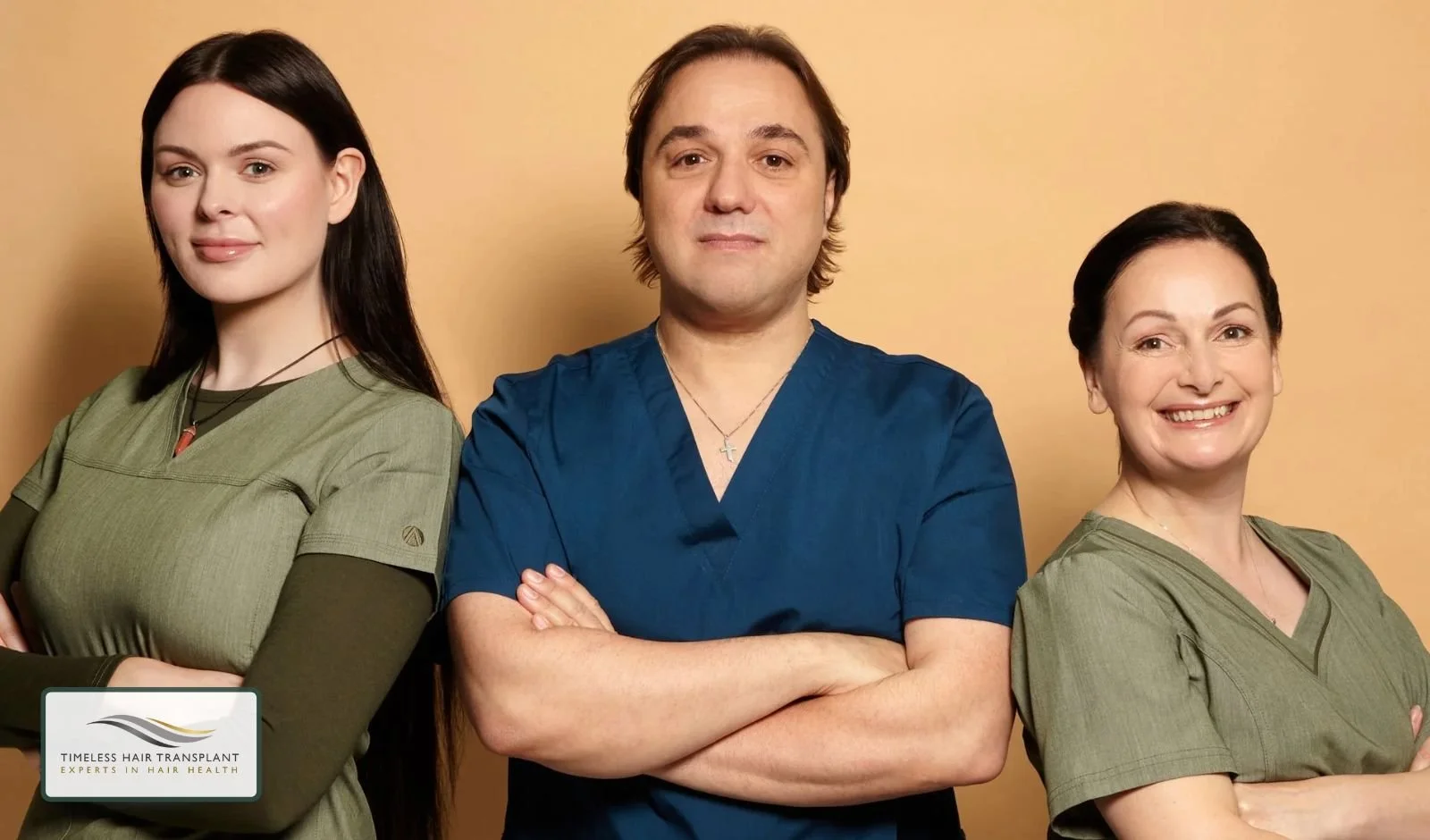
Your Trusted Partner in Beard Restoration
At Timeless Hair Transplant, you receive expert care from consultation to final results. With advanced techniques, precise placement of hair grafts, and a focus on natural growth, we help you achieve a fuller, well-shaped beard with long-term confidence. Our team guides you through every stage of the healing process to ensure a smooth and successful recovery. Call us today +44 (0) 7516294471 to book your free consultation.
