
Eyebrow Transplant Side Effects: What You Should Know
Quick Answer
What are the side effects of an eyebrow transplant?
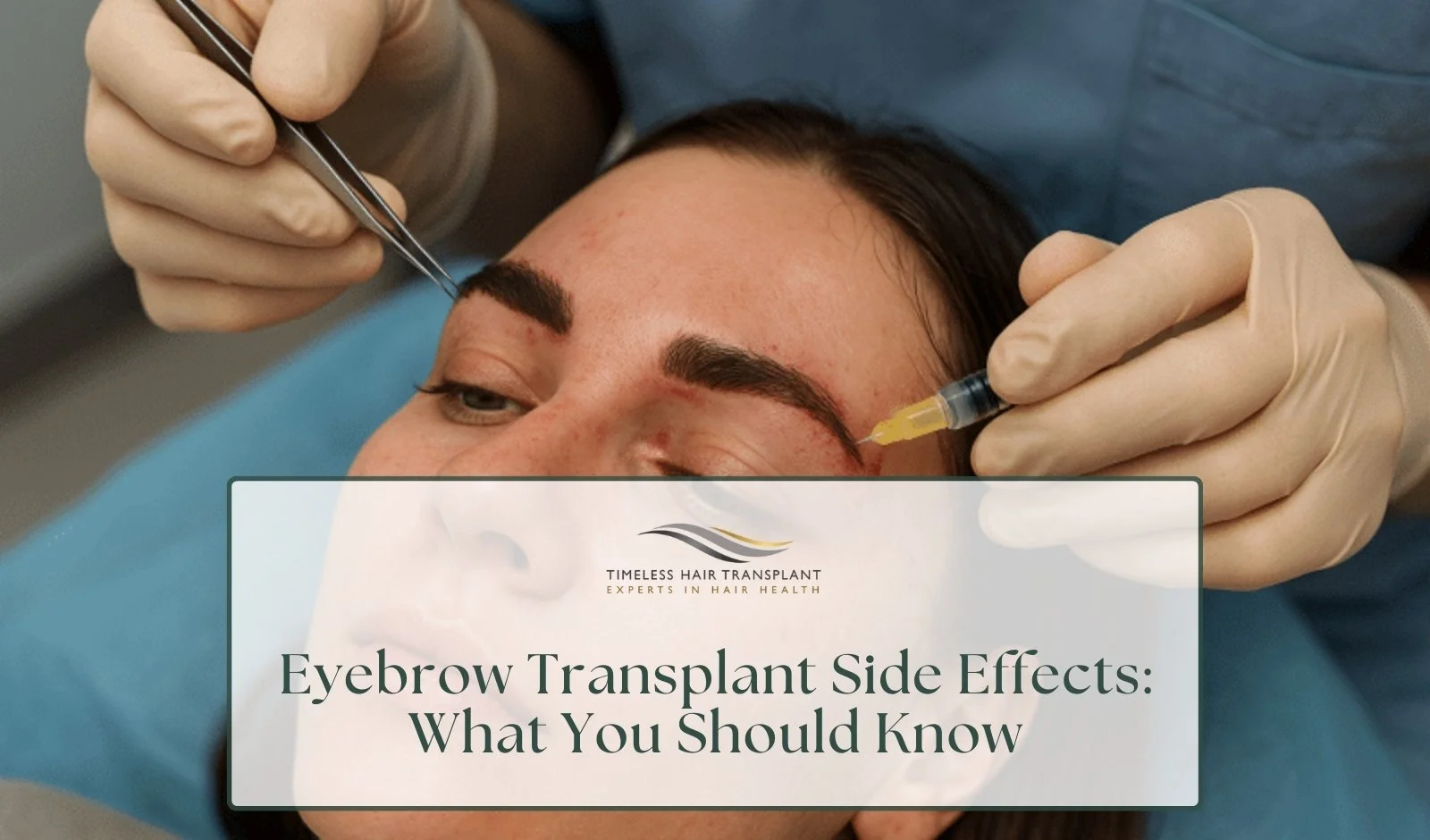
Eyebrow transplant side effects are usually mild and temporary. Common side effects include redness, swelling, scabbing in the eyebrow area, and temporary shedding of transplanted hair. Because the eyebrow transplant procedure is minimally invasive, serious complications are rare when the procedure is performed by an experienced specialist.
Key Takeaway
Eyebrow transplant surgery is generally safe and minimally invasive
Mild redness and swelling in the eyebrow area are common
Temporary shedding of transplanted hair is part of the healing process
Proper care of the donor area and transplant area supports recovery
Choosing an experienced clinic reduces risks
Most side effects improve within a few days to weeks
Eyebrows play an important role in shaping facial features and framing the eyes. When eyebrow hairs become thin or sparse because of over-plucking, ageing, injury, or medical conditions, many people consider eyebrow hair restoration.
Eyebrow transplant surgery is a cosmetic procedure designed to restore natural eyebrow hairs using your own hair follicles. While the results can be long-lasting and natural-looking, it is normal to wonder about eyebrow transplant side effects before undergoing treatment.
Understanding possible side effects, the healing process, and how the procedure works can help you make an informed decision about eyebrow hair transplant surgery.
How the Eyebrow Transplant Procedure Works
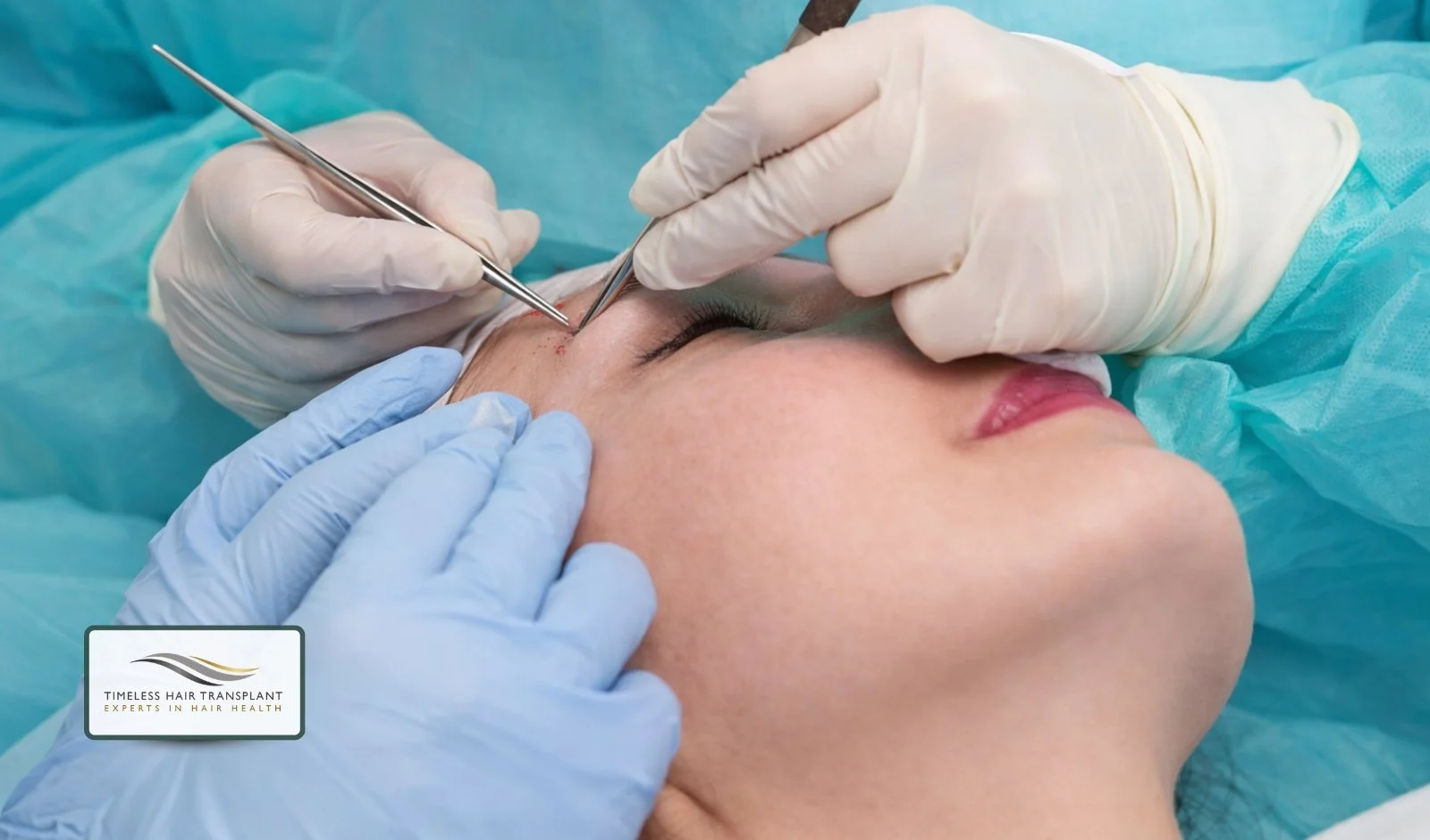
The eyebrow transplant procedure involves taking hair follicles from a donor area, typically the back of the scalp, and transplanting them into the eyebrow area.
Most clinics use follicular unit extraction FUE, a technique that removes individual hair grafts rather than a strip of scalp. This method is considered minimally invasive and allows for the precise placement of transplanted hair.
During the hair transplant procedure, each hair graft is carefully positioned to follow the natural direction of eyebrow hairs. The goal is to achieve natural-looking results that complement your facial features.
Common Side Effects After Eyebrow Transplant Surgery
Like any cosmetic procedure, eyebrow hair transplant surgery can involve temporary side effects. These are generally mild and part of the normal healing process.
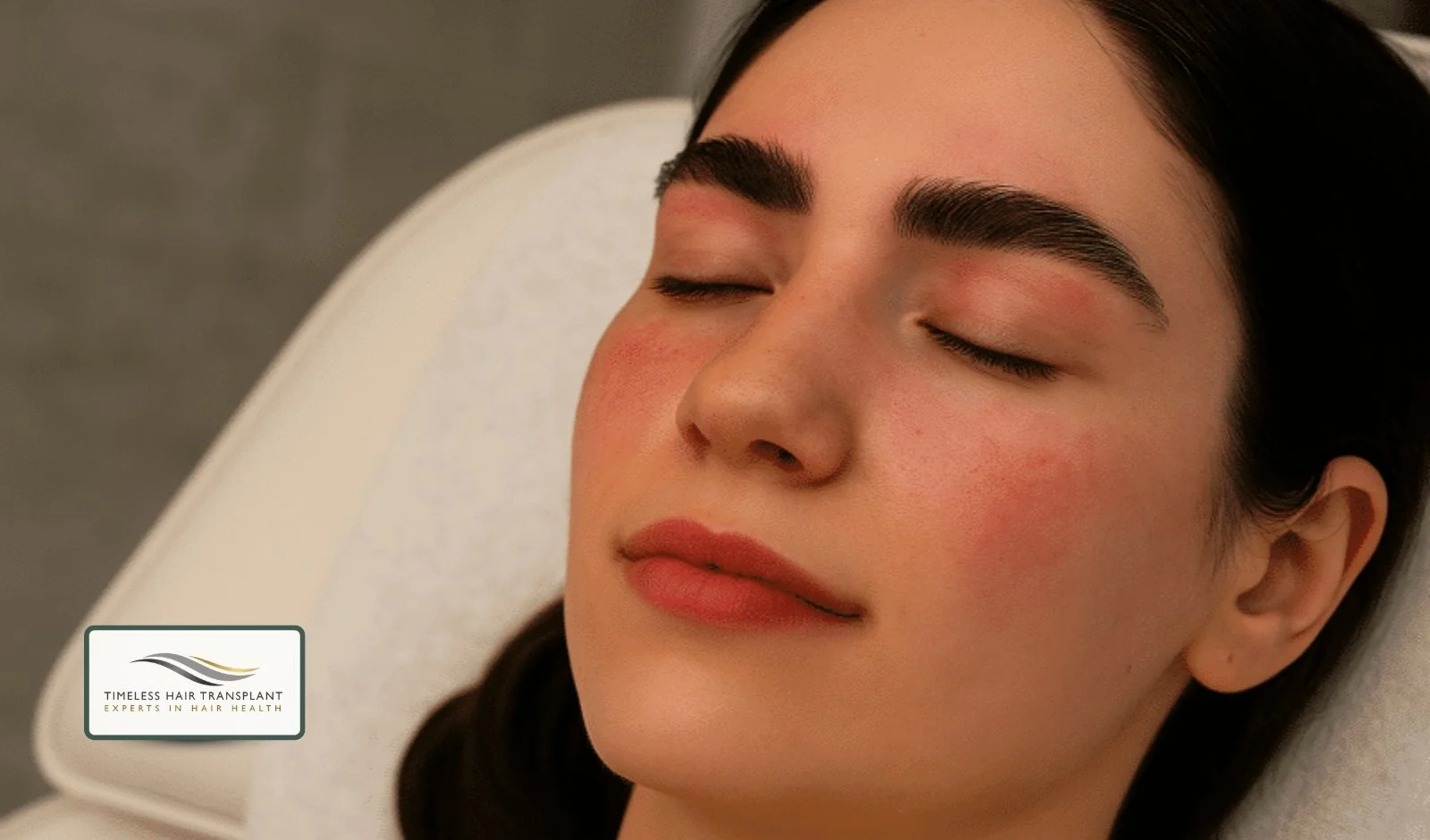
The most common side effect is mild redness in the eyebrow area and donor area. This typically fades within several days.
Swelling may also occur around the brow or forehead. This is temporary and usually resolves within a few days after the hair transplant procedure.
Small scabs may form in the transplant area where hair grafts were placed. These scabs naturally fall off as the skin heals.
Temporary Hair Shedding
One side effect that surprises many patients is the temporary shedding of transplanted hair.
After the eyebrow transplant procedure, the newly transplanted hair may fall out within the first few weeks. This does not mean the transplant failed.
The hair follicles remain under the skin and begin producing new hair during the healing process. New eyebrow hairs usually begin growing within a few months.
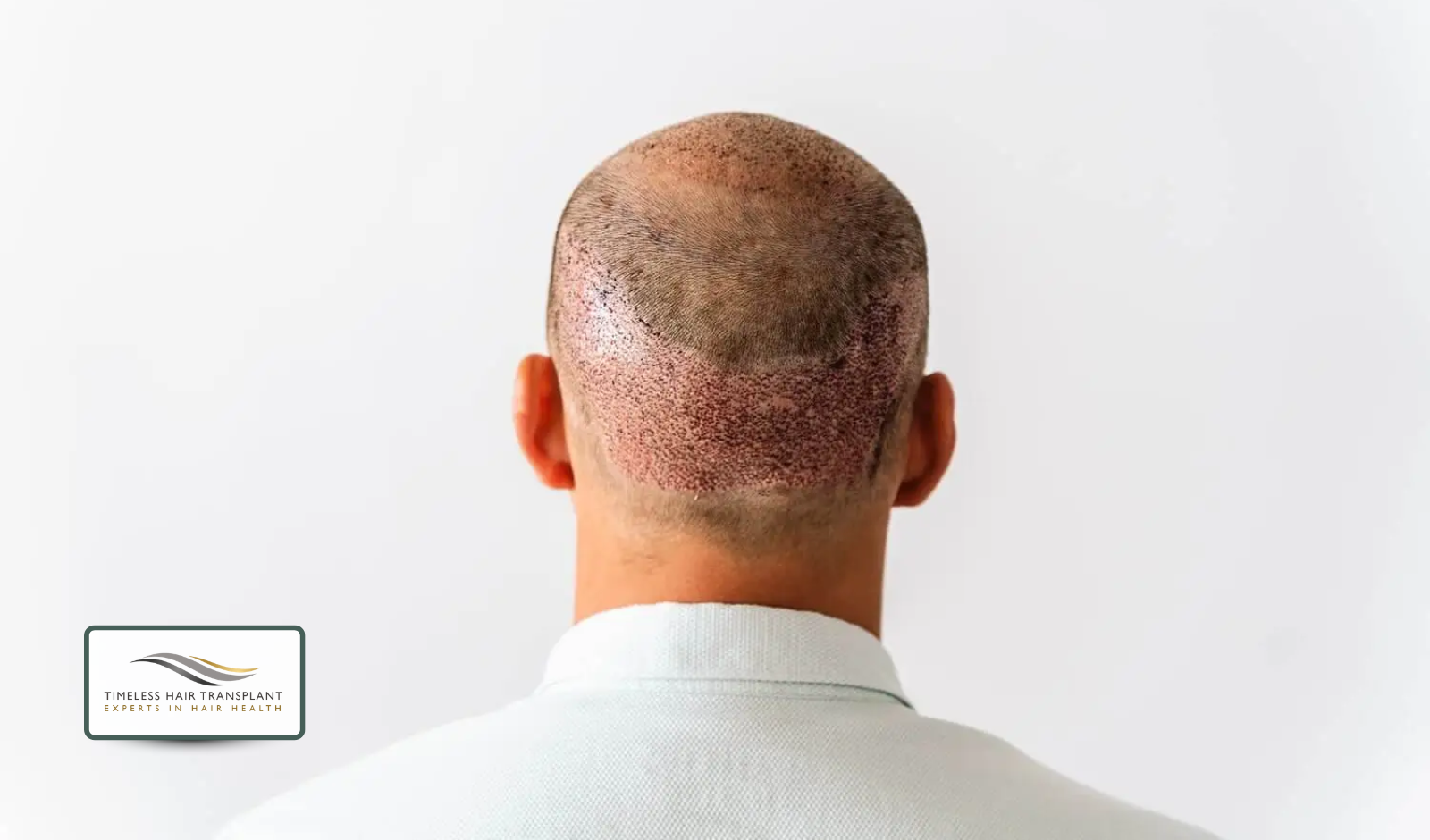
Donor Area Sensitivity
The donor area, where hair follicles are removed, may feel slightly sore or tight after the procedure.
This discomfort is typically mild and improves within a few days. Because follicular unit extraction FUE removes hair grafts individually, scarring in the donor area is minimal.
Most patients find the recovery process manageable.
Possible Infection or Complications
Serious complications from eyebrow hair transplant side effects are uncommon. However, like any medical procedure, there is a small risk of infection.
Signs of infection may include unusual swelling, severe pain, or discharge from the transplant area. Following aftercare instructions and maintaining proper hygiene helps reduce these risks.
Working with an experienced clinic greatly improves safety and reduces complications.
Uneven Hair Growth
In some cases, eyebrow hairs may grow at slightly different angles during the early stages of hair growth.
This is why surgeon experience is important. Skilled specialists carefully place hair grafts to match the natural direction of eyebrow hairs.
As transplanted hair grows and matures, the eyebrows typically become more uniform and natural-looking.
Long-Term Considerations
For most patients, eyebrow hair transplant side effects are temporary and resolve during the healing process.
Once the transplanted hair follicles settle and begin producing hair, the results can be long-lasting. However, transplanted hair may grow longer than natural eyebrow hairs because it originates from the scalp.
Regular trimming may be needed to maintain the desired shape.
Patients with certain medical conditions, such as alopecia areata, should discuss their situation with a specialist before treatment, as these conditions may affect hair restoration outcomes.
Are Eyebrow Transplants Safe?
Overall, eyebrow transplant surgery is considered a safe cosmetic procedure when performed by trained professionals.
The minimally invasive nature of follicular unit extraction FUE allows surgeons to restore eyebrow hairs with minimal downtime.
Choosing a reputable clinic like Timeless Hair Transplant, following aftercare instructions, and attending follow-up appointments all help ensure a smooth recovery and optimal results.
Final Thoughts
Eyebrow transplant side effects are usually mild and temporary. Most patients experience redness, swelling, or scabbing during the healing process, which improves within days or weeks.
Understanding what to expect after an eyebrow transplant procedure helps reduce anxiety and prepares you for recovery.
When performed by experienced specialists using modern techniques such as follicular unit extraction FUE, eyebrow hair transplant surgery can be a reliable and effective method of hair restoration.
If you are considering treatment, speaking with a qualified professional is the best way to understand the benefits and possible risks.
Speak With a Specialist About Eyebrow Restoration
If you are thinking about eyebrow transplant surgery and want to understand potential side effects, professional guidance is important.
At Timeless Hair Transplant, our experienced team provides advanced hair restoration procedures designed to deliver natural results while prioritising safety and patient comfort.
Call +44 (0) 7516294471 today or book a free consultation to learn more about the eyebrow transplant procedure and whether it is right for you.
Frequently Asked Questions
-
The most common side effect is mild redness, swelling, and small scabs in the eyebrow area.
-
Yes. Temporary shedding of transplanted hair is part of the natural healing process.
-
Most side effects improve within several days to a few weeks.
-
The procedure is typically performed under local anaesthesia, making discomfort minimal.
-
Infections are rare but possible. Proper aftercare helps reduce the risk.
-
Yes, when placed correctly, transplanted hair blends with natural eyebrow hairs.
-
People with certain medical conditions, such as alopecia areata, should consult a specialist first.
-
New hair growth usually begins within a few months after the healing process.
