
Eyebrow Transplant: Where Does Hair Come From?
Quick Answer
Where does eyebrow transplant hair come from?
In an eyebrow transplant, the hair usually comes from the donor area at the back of the scalp. These hair follicles are carefully removed and transplanted into the eyebrow area during eyebrow transplant surgery. Because donor hair is your own natural hair, transplanted hairs can grow naturally and support long-term eyebrow restoration.
Key Takeaway
Eyebrow transplant hair usually comes from the scalp
The donor area is typically the back of the head
Individual hair follicles are transplanted into the eyebrow area
Follicular unit extraction FUE is commonly used
Transplanted hairs continue normal hair growth
Proper technique helps create a natural eyebrow appearance
Eyebrows are an important part of facial expression and balance. They frame the eyes and play a major role in defining facial features. When eyebrow hair becomes thin or sparse, many people look for ways to restore fullness and shape.
Eyebrow transplant surgery is a form of hair transplant designed specifically for eyebrow restoration. It involves transplanting healthy hair follicles into areas where eyebrow hair is missing or thin.
One of the most common questions patients ask before the procedure is: eyebrow transplant, where does hair come from?
Understanding the source of donor hair and how the transplant procedure works can help you feel more confident about the process and the results.
The Donor Area: Where the Hair Comes From
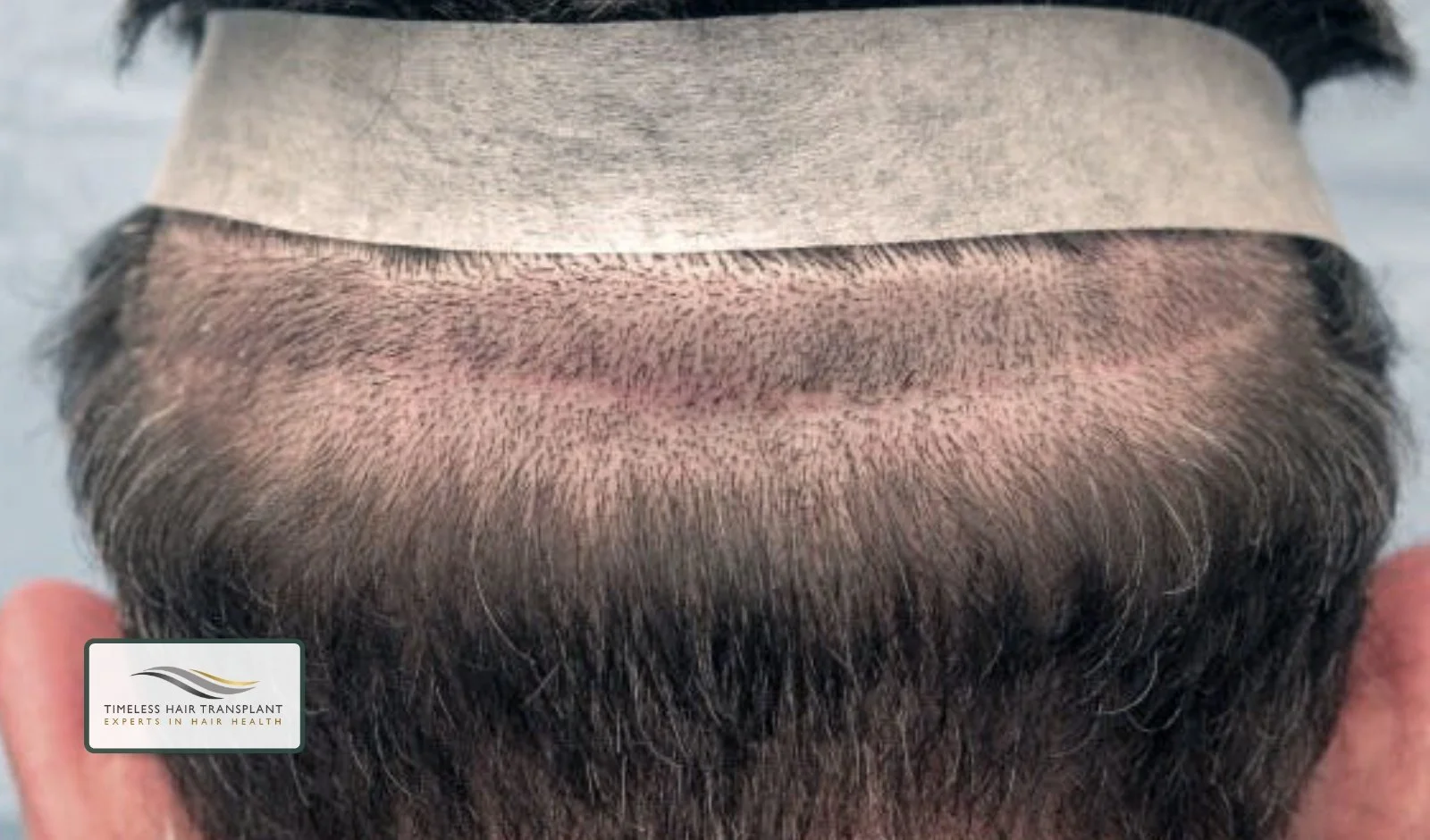
During an eyebrow transplant, the hair used for the procedure comes from a donor area on the scalp. This is usually located at the back of the head.
The donor site is chosen because scalp hair in this region tends to be strong and resistant to hair loss. These hair follicles can continue to grow even after they are moved to a new location.
Using donor hair from your own scalp ensures that the transplanted eyebrow hairs match your natural hair colour and texture.
Why Scalp Hair Is Used
Many people wonder why scalp hair is used instead of eyebrow hair.
In most cases, the eyebrow area does not contain enough healthy hair follicles to serve as a donor source. Instead, surgeons use scalp hair because it provides a reliable supply of hair grafts.
Although scalp hair grows differently from eyebrow hair, skilled surgeons carefully select single hair follicles and position them in a way that mimics natural eyebrow growth.
With proper technique, transplanted hairs can blend naturally with existing eyebrow hair.
How the Transplant Procedure Works
The eyebrow transplant procedure works by carefully moving hair grafts from the donor area to the eyebrow area.
One of the most common methods used today is follicular unit extraction FUE. This technique removes individual hair follicles from the scalp without removing a strip of skin.
Each hair graft typically contains one hair follicle. These single hair follicles are important for creating a natural eyebrow appearance.
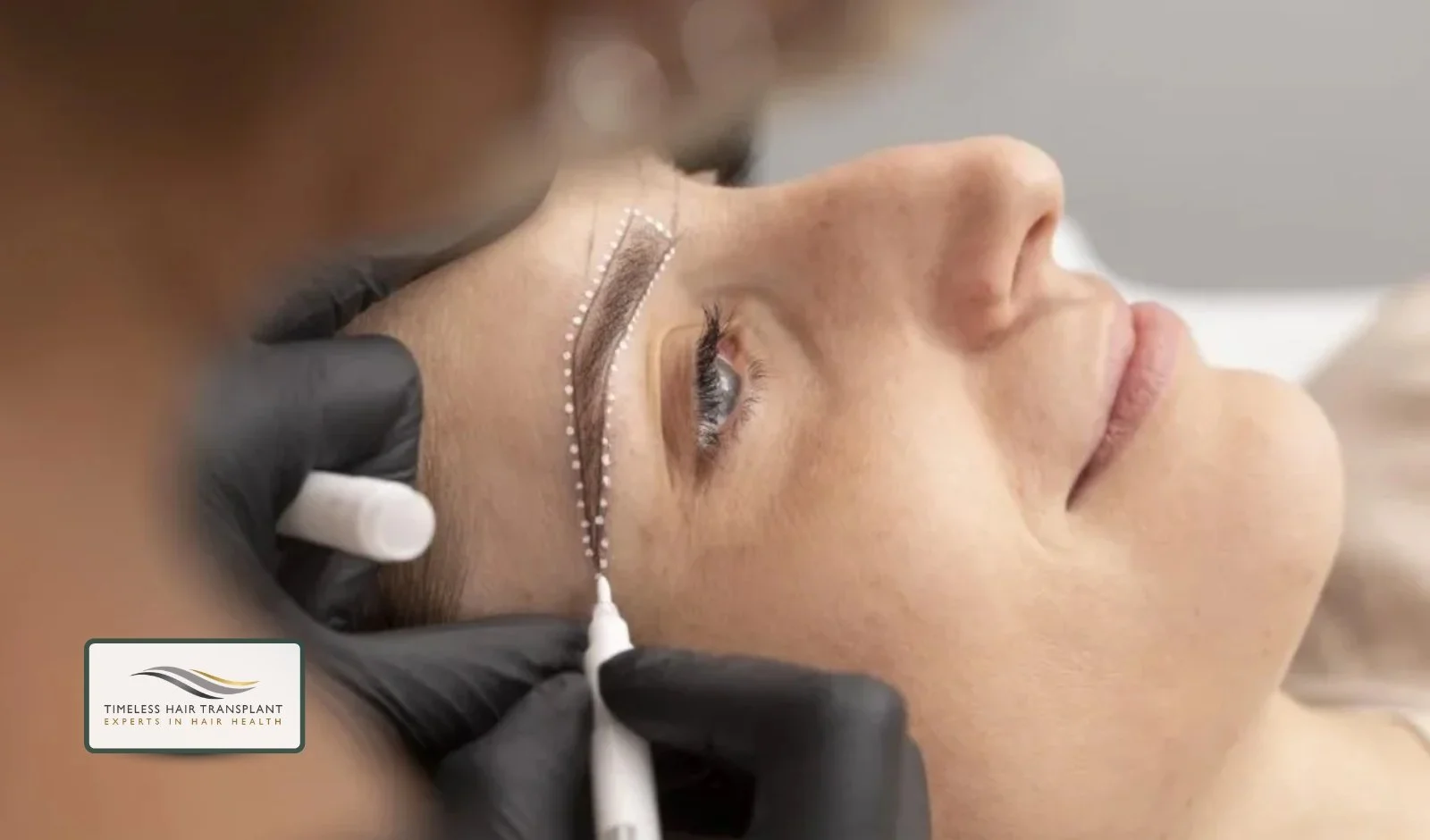
During the procedure, the surgeon creates tiny openings in the eyebrow area and places the grafts at precise angles. The direction and spacing of each follicle are carefully planned to match the natural eyebrow pattern.
How Many Grafts Are Needed?
The number of grafts needed depends on the extent of eyebrow restoration required.
Patients with thin eyebrows may need fewer grafts, while those with larger gaps or scars may require more.
In many cases, between 200 and 400 hair grafts are used to restore one or both eyebrows. The number of grafts is determined during consultation after evaluating the eyebrow area and donor site.
Careful planning ensures that the donor area remains healthy and that the final result looks natural.
What Happens to the Donor Site?
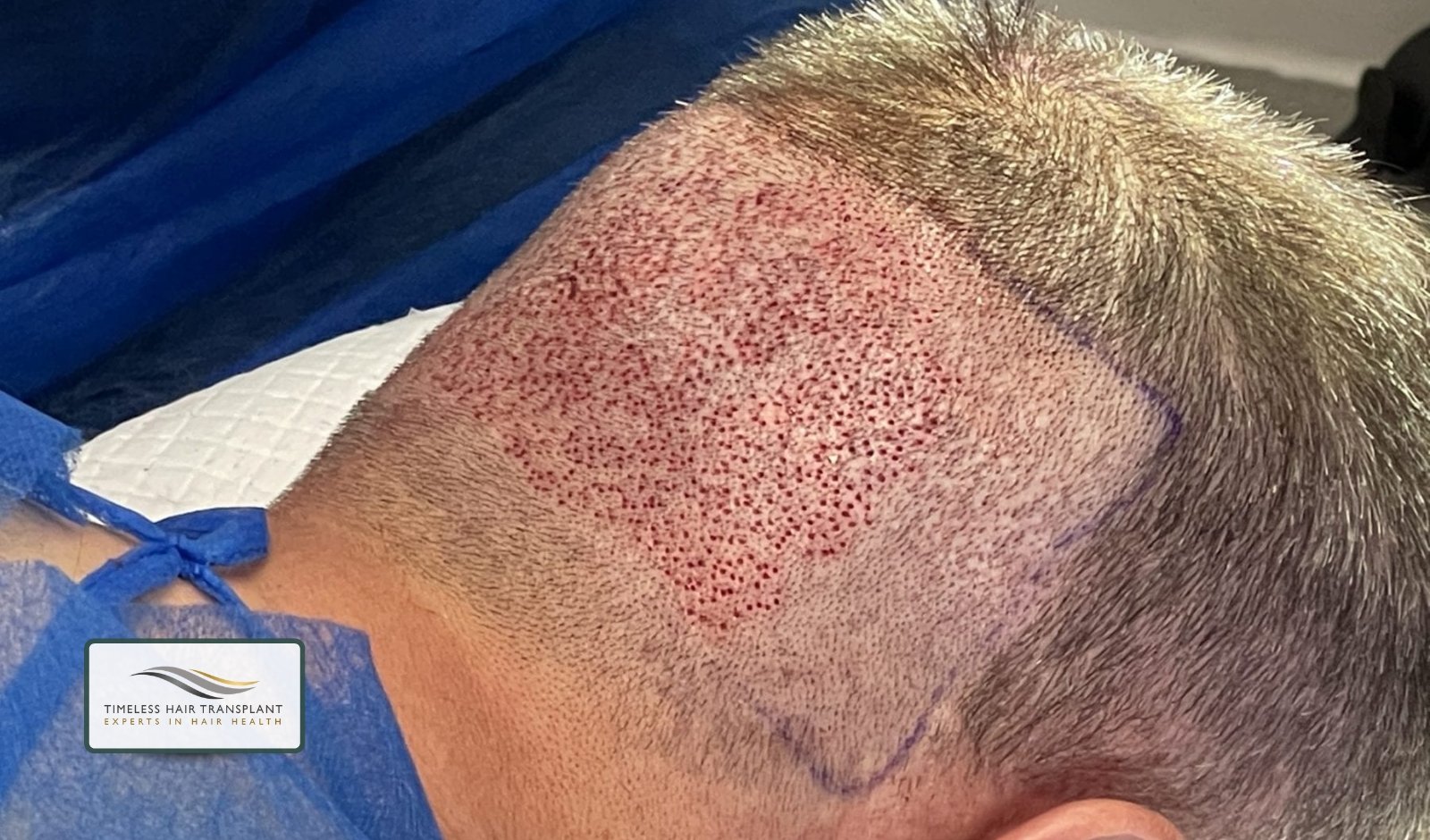
After the hair follicles are removed from the donor site, the area heals gradually.
Because follicular unit extraction FUE removes hair grafts individually, scarring is minimal and usually difficult to see. The surrounding scalp hair helps conceal the tiny extraction points.
Most patients recover quickly, and the donor area returns to normal within a short period.
How Transplanted Hair Grows
Once the transplanted hairs are placed in the eyebrow area, they go through a natural healing process.
In the first few weeks, the transplanted hairs may shed. This is normal and part of the hair growth cycle.
The hair follicle remains under the skin and begins producing new hair after several months. Over time, the transplanted eyebrow hair grows naturally and becomes part of your brows.
Because the donor hair comes from the scalp, it may grow longer than natural eyebrow hair. Regular trimming is often needed to maintain the desired shape.
Setting Realistic Expectations
While eyebrow transplant surgery can significantly improve eyebrow fullness, it is important to maintain realistic expectations.
Hair growth occurs gradually and may take several months before noticeable changes appear. Full results often develop within six to twelve months.
The goal of the procedure is to create a natural eyebrow appearance that complements your facial features.
Working with an experienced specialist helps ensure that the transplanted eyebrow hairs are placed correctly for balanced and natural-looking results.
Final Thoughts
Understanding eyebrow transplant where hair comes from, helps patients feel more confident about the procedure.
In most cases, donor hair from the scalp is used because it provides strong, healthy hair follicles that can continue to grow in the eyebrow area. Modern techniques such as follicular unit extraction FUE allow surgeons to place single hair follicles with precision.
When performed by skilled professionals, eyebrow transplant surgery can provide long-term eyebrow restoration and natural-looking results.
If you are considering this treatment, speaking with an experienced clinician can help determine whether the procedure is right for you.
Start Your Eyebrow Restoration Journey
If you are considering eyebrow transplant surgery and want to learn more about where donor hair comes from, professional guidance is essential.
At Timeless Hair Transplant, we specialise in advanced eyebrow restoration procedures designed to create natural and balanced results.
Call +44 (0) 7516294471 today or book a free consultation to discuss your goals and learn whether an eyebrow transplant is the right option for you.
Frequently Asked Questions
-
Most eyebrow transplants use donor hair from the back of the scalp because it provides strong hair follicles for transplantation.
-
Yes. Once the hair follicles settle into the eyebrow area, they continue normal hair growth.
-
Yes. Skilled surgeons place single hair follicles at precise angles to create a natural eyebrow appearance.
-
The number of grafts depends on the size of the area being treated and the desired density.
-
With follicular unit extraction FUE, scarring is minimal and usually hidden by surrounding scalp hair.
-
Yes. Because it comes from the scalp, transplanted eyebrow hair may grow longer and require trimming.
-
New hair growth usually begins within several months after the transplant procedure.
-
In many cases, transplanted hairs continue to grow long-term once they establish themselves in the eyebrow area.
