
Eyebrow Transplant Recovery: What to Expect
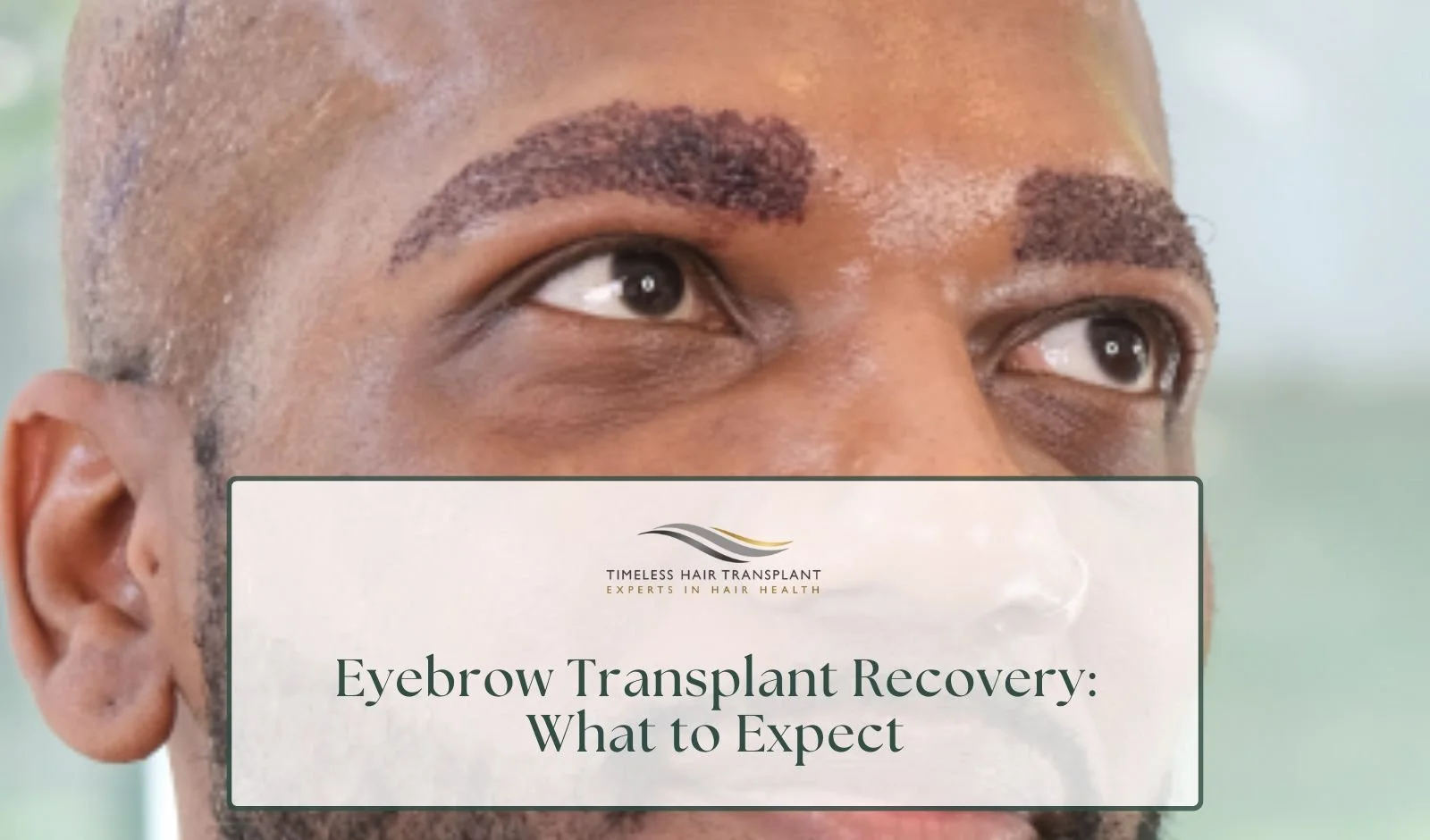
Undergoing an eyebrow hair transplant is an exciting step toward restoring fuller, natural-looking brows. However, understanding the eyebrow transplant recovery process is just as important as the procedure itself. Knowing what happens during healing helps set realistic expectations and ensures the best possible outcome.
This guide explains the eyebrow transplant recovery time, what happens during each stage, and how proper aftercare supports healthy hair growth and long-term results.
Understanding Eyebrow Transplant Recovery
Eyebrow transplant surgery is a precise surgical procedure that involves relocating healthy hair follicles from a donor area, usually the back of the scalp, to the brow area. Because the skin around the eyebrows is delicate, recovery requires patience and careful attention.
While healing is generally straightforward, the eyebrow transplant recovery process happens in stages. Each phase plays a role in how well the transplanted follicles settle and begin to grow.
The First Few Days After Surgery
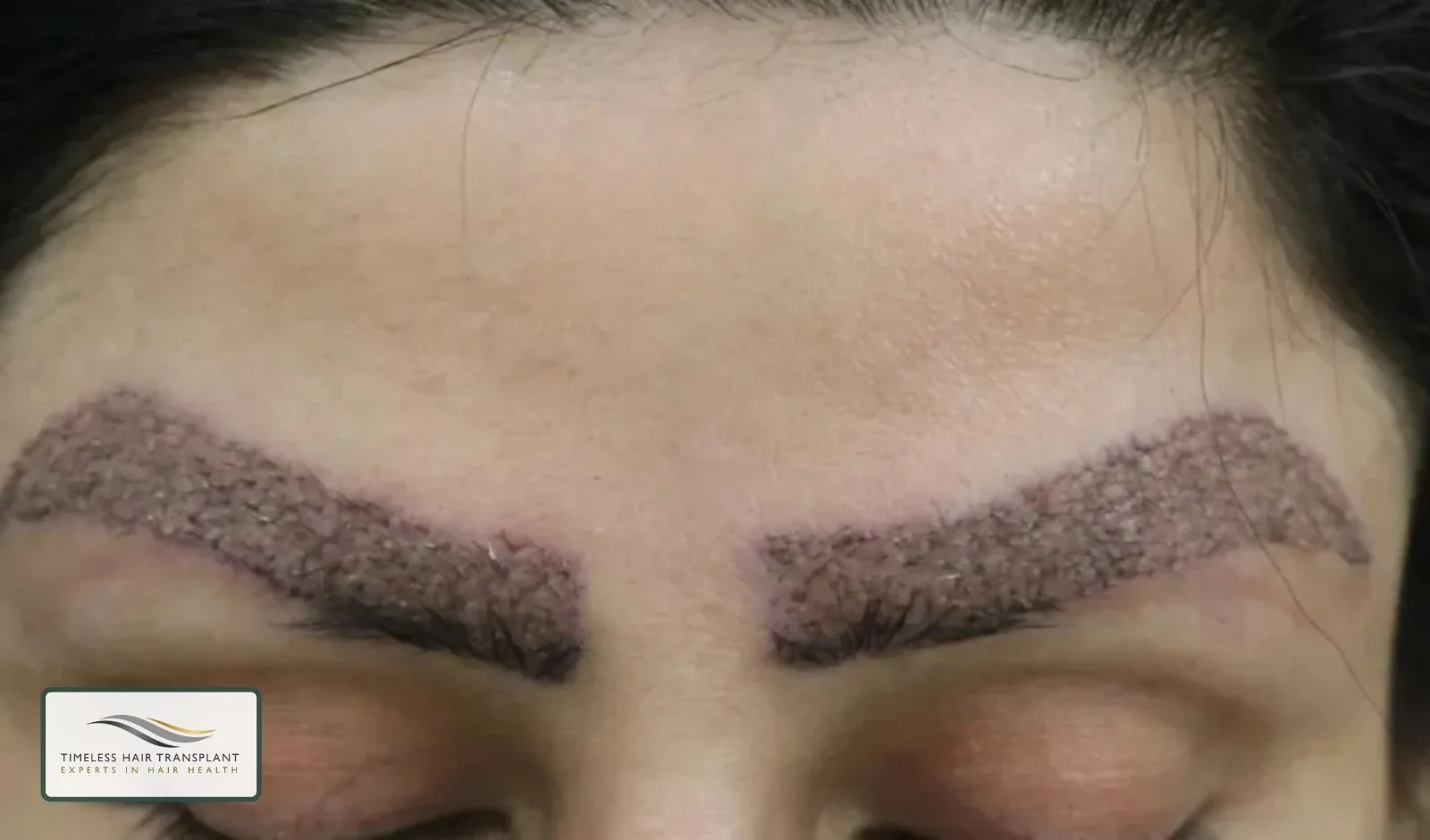
Immediately after an eyebrow transplant procedure, the brow area may appear slightly red or swollen. Tiny scabs form around the implanted hairs, which is a normal part of the healing process. The donor area may also feel mildly tender for a short time.
During this early stage, the transplanted hair remains visible, but it is important not to touch or scratch the area. The focus during the first few days should be keeping the brows clean and protected.
Eyebrow Transplant Recovery Time: Week by Week
Weeks 1 to 2: Early Healing
During the first one to two weeks, redness and scabbing gradually improve. The scabs fall away naturally as the skin heals. This stage is crucial for allowing transplanted follicles to anchor securely in the brow area.
Weeks 2 to 6: Temporary Shedding
Many patients notice that some transplanted hair sheds during this time. This is completely normal and part of the hair growth cycle. Although the eyebrow hairs fall out, the hair follicles remain healthy beneath the skin.
Months 2 to 3: New Hair Growth Begins
Early hair growth usually starts around the second or third month. The new hairs may appear fine or soft at first, especially in patients with thin eyebrows, but they strengthen over time.
Months 4 to 6: Noticeable Improvement
As more hairs grow, the brows begin to look fuller. The transplanted hair blends with existing natural eyebrow hair, creating a more even shape.
Months 9 to 12: Final Result
Most patients see their final result within nine to twelve months. At this point, the eyebrows look natural, well balanced, and fully restored.
Why Transplanted Eyebrow Hair Continues to Grow
Eyebrow hair transplant surgery uses living transplanted follicles, which is why results are long lasting. The follicles are taken from a donor area where hair growth is stable. Once moved, they adapt to their new location and continue to grow just like natural eyebrow hair.
Because the hair originates from the scalp, occasional trimming may be needed. Over time, many patients find that the hair growth becomes easier to manage and looks increasingly natural.
The Role of FUE in Recovery
Most modern eyebrow transplants use Follicular Unit Extraction (FUE). This advanced technique removes individual hair follicles one at a time, minimising trauma to the skin.
FUE supports a smoother recovery because it:
Causes minimal disruption to surrounding tissue
Reduces visible scarring
Allows faster healing in both the donor area and brow area
This approach makes the overall hair transplant procedure more comfortable and predictable during recovery.

Proper Aftercare for Best Results
Following eyebrow transplant aftercare instructions is essential for protecting transplanted hair and supporting healthy healing.
Key aftercare tips include:
Keep the brow area clean and dry as advised
Avoid touching, rubbing, or scratching the eyebrows
Let scabs fall off naturally
Avoid heavy sweating during early recovery
Protect the brows from direct sun exposure
Trim transplanted hair gently once growth begins
Consistent proper aftercare helps ensure transplanted hair survives and grows successfully.
Is Eyebrow Transplant Recovery a Long Term Process?
While initial healing happens within a few weeks, full recovery takes several months. This does not mean discomfort lasts that long. Instead, it reflects the time needed for natural hair growth and maturation.
Because eyebrow transplant surgery delivers a long term solution, patience during recovery is rewarded with permanent, natural-looking results.
When to Expect Natural Looking Eyebrows
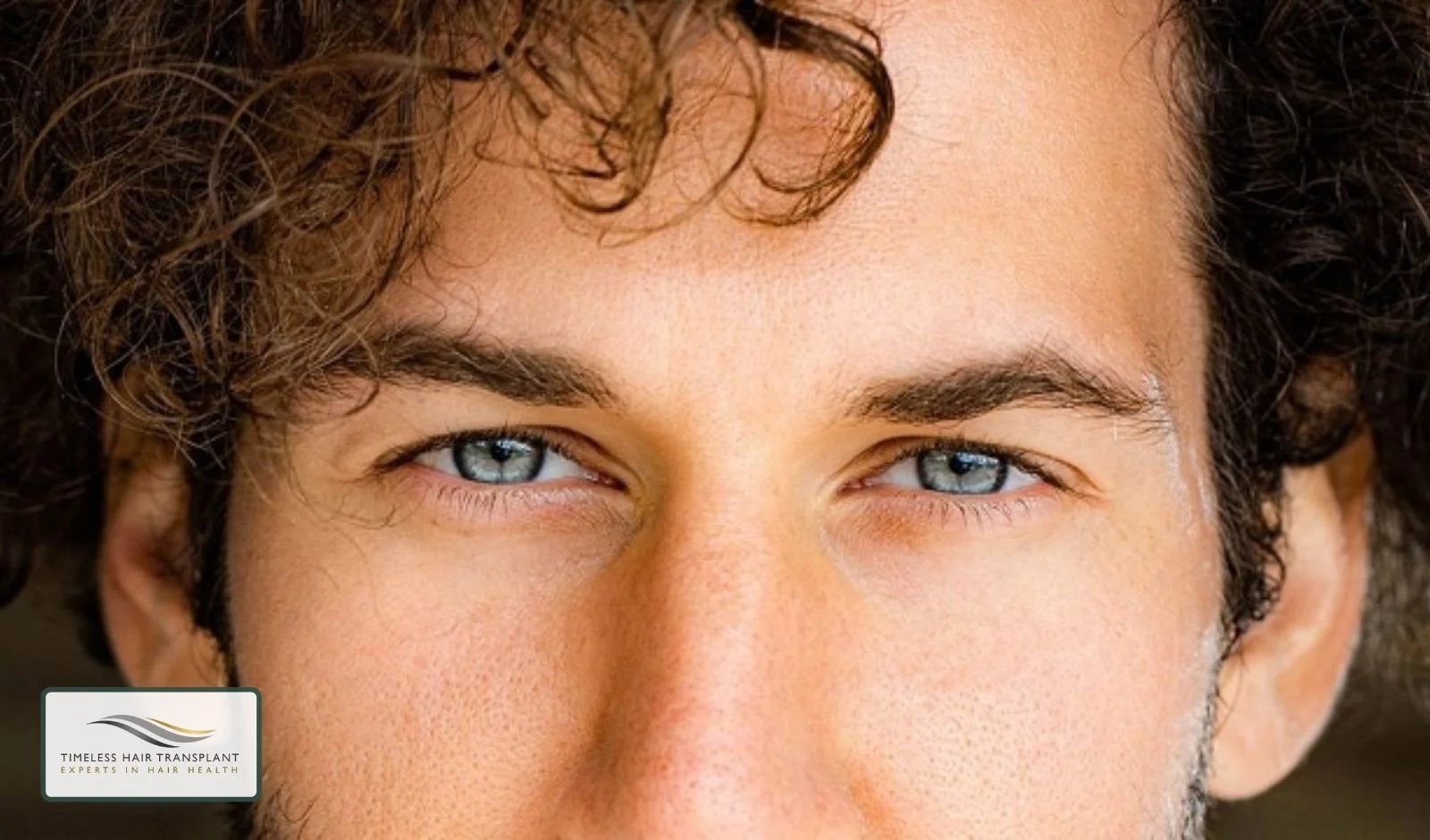
As healing progresses, the eyebrows gradually take on a soft, natural appearance. By the one-year mark, transplanted hair blends seamlessly with existing eyebrow hairs, creating balanced and realistic results.
Once fully healed, the eyebrows behave like natural brows and can be groomed normally.
Final Thoughts on Eyebrow Transplant Recovery
Understanding eyebrow transplant recovery time helps you feel confident and prepared throughout the process. Healing happens in stages, but each phase brings you closer to stronger, fuller brows.
With the right technique, careful handling of hair follicles, and consistent aftercare, eyebrow transplant recovery leads to natural, long-lasting results that enhance your appearance and confidence.
Start Your Eyebrow Restoration Journey Today
If you are considering an eyebrow hair transplant and want expert guidance on recovery, results, and suitability, Timeless Hair Transplant is here to help. A personalised consultation allows you to understand your options and plan the right approach for natural, long-term results. Call us today +44 (0) 7516294471 to book your free consultation.
