
Are Eyebrow Transplants Permanent? What You Should Know
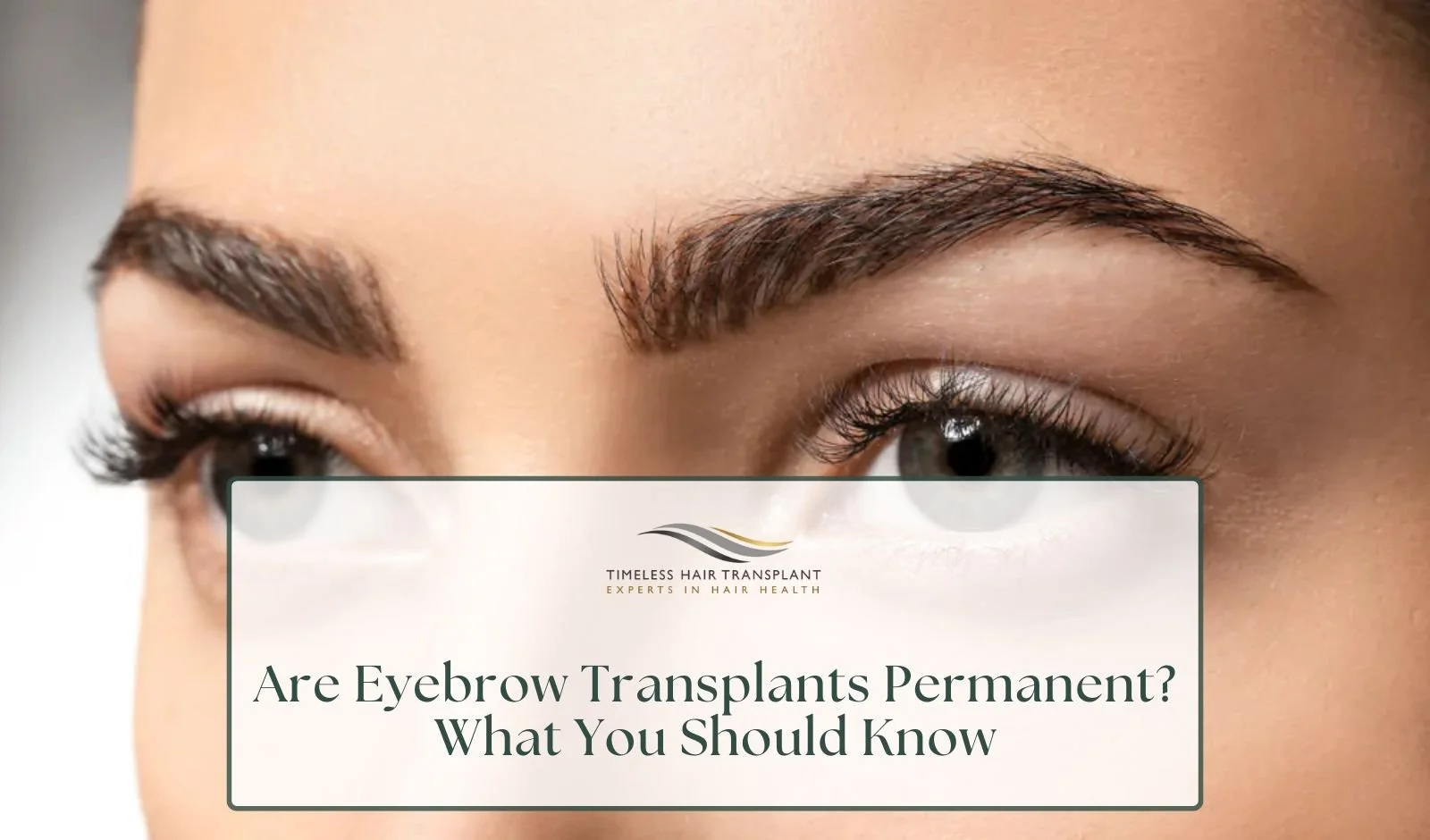
Eyebrows play a major role in facial balance and expression, which is why eyebrow hair loss can feel especially frustrating. Thinning brows, gaps, or uneven growth may occur due to overplucking, ageing, genetics, or a medical condition. As eyebrow restoration becomes more advanced, many people ask the same important question: Are eyebrow transplants permanent?
Understanding how eyebrow hair transplant procedures work and what makes the results last can help you decide if this treatment is the right long-term solution for you. This guide explains how eyebrow transplants work, how hair grows after the procedure, and whether the results are truly permanent.
Understanding Eyebrow Hair Loss
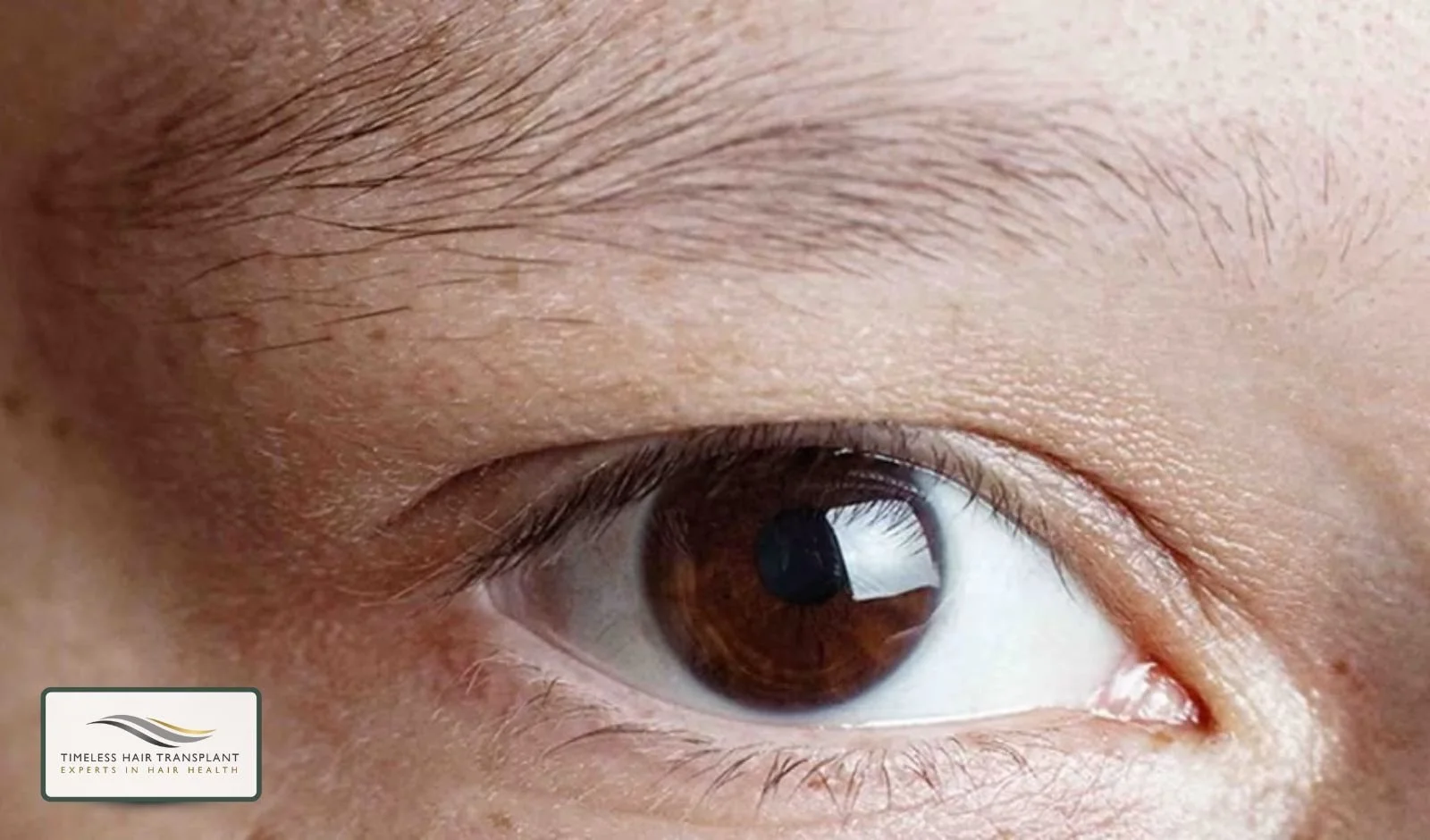
Eyebrow hair loss can happen gradually or suddenly, depending on the cause. Some people notice thinning brow hairs over time, while others experience patchy loss in the eyebrow area.
Common causes include:
Genetics and natural ageing
Overplucking or waxing
Hormonal changes
Scarring or injury
Medical conditions such as alopecia areata
When eyebrow hair loss becomes long-lasting or permanent, cosmetic cover-ups may no longer provide satisfying results. This is why many people turn to eyebrow hair transplant options for real, lasting improvement.
How Eyebrow Transplants Work
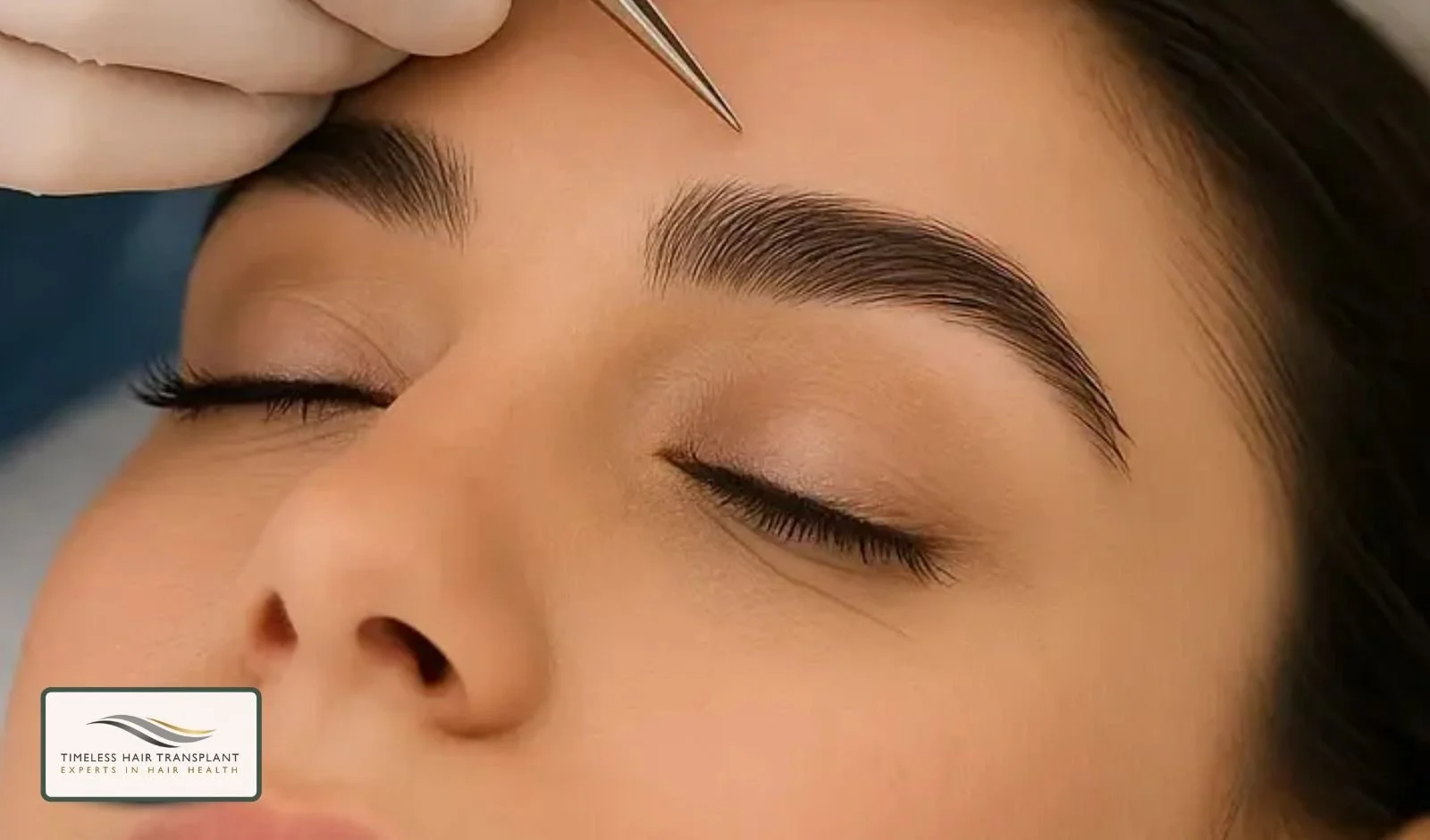
An eyebrow transplant procedure restores brows by relocating healthy hair from a donor area, usually the back of the scalp, into thinning or missing areas of the eyebrows. These transplanted hairs are living follicles, not artificial materials.
Most modern eyebrow hair transplant treatments use Follicular Unit Extraction (FUE). This minimally invasive technique removes individual hair follicles one at a time, helping protect surrounding tissue and support a smoother healing process.
Each hair follicle is carefully placed into the brow area to match the angle, direction, and spacing of existing eyebrow hair. This level of precision is essential for creating natural brows that blend seamlessly with your facial features.
Are Eyebrow Transplants Permanent?
Yes, eyebrow transplants are considered permanent when performed correctly and followed by proper aftercare.
The reason eyebrow restoration offers long-lasting results is that the transplanted hair comes from a donor area where hair growth is stable and resistant to thinning. Once the follicles settle into their new location, they continue to grow just as they did before.
This is why questions such as is eyebrow transplant permanent or is eyebrow hair transplant permanent are answered with confidence. For most suitable candidates, eyebrow transplants provide a permanent solution to eyebrow hair loss.
Why Transplanted Eyebrow Hair Lasts Long Term
Several key factors contribute to the permanence of eyebrow transplants.
Strong Donor Hair
Hair taken from the donor area is genetically programmed to grow for life. When moved, it retains these characteristics.
Secure Follicle Placement
Accurate placement allows each hair follicle to anchor properly in the skin, supporting reliable hair growth.
Natural Hair Growth Cycle
After healing, transplanted hair enters a normal growth cycle, shedding and regrowing just like natural brow hairs.
Blends With Existing Eyebrow Hair
Once established, transplanted hair integrates with existing eyebrow hair, creating balanced and natural-looking results.
What to Expect After an Eyebrow Hair Transplant
Understanding the recovery and growth process helps set realistic expectations.
Early Healing
During the first one to two weeks, mild redness and scabbing are common. The transplanted hair remains visible at this stage.
Temporary Shedding
Some transplanted hair falls out within the first few weeks. This is a normal part of the process and does not affect the hair follicle beneath the skin.
New Hair Growth
Hair growth usually begins around two to three months after the procedure. The hairs may appear fine at first but gradually become stronger.
Full Results
By nine to twelve months, most patients see full results. The eyebrows appear fuller, natural, and well defined.
At this stage, the eyebrow hair transplant outcome is considered stable and long term.
Does Transplanted Eyebrow Hair Grow Like Natural Hair?
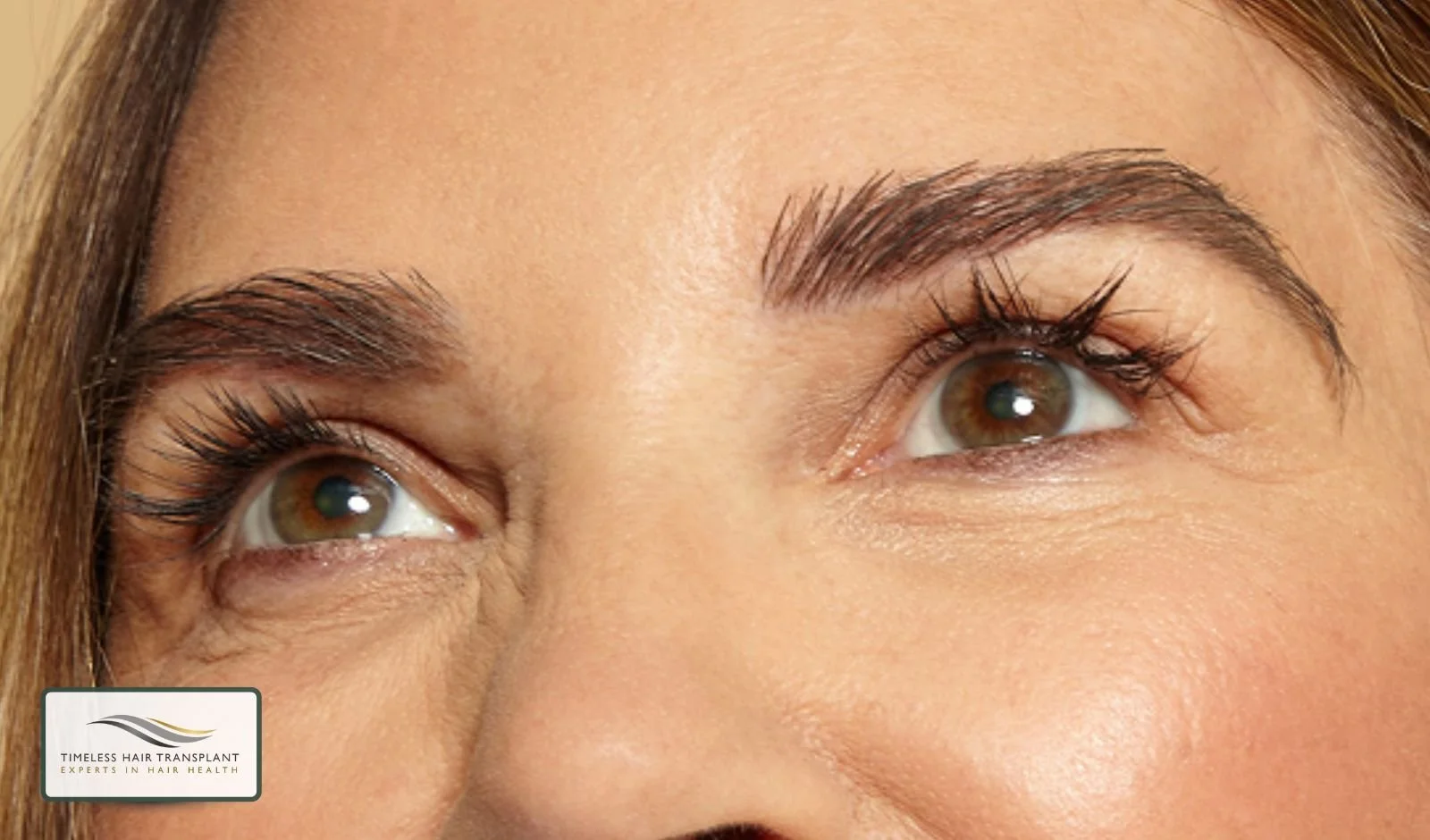
Yes. Transplanted hair behaves like natural hair because it is natural hair. Since donor hair typically comes from the scalp, it may grow slightly longer than traditional brow hairs.
This is easy to manage with occasional trimming. Over time, many people find that the transplanted brow hairs become easier to maintain and blend naturally with surrounding brow hairs.
Who Is a Good Candidate for a Permanent Eyebrow Hair Transplant
You may be suitable for a permanent eyebrow hair transplant if you:
Have stable eyebrow hair loss
Have a healthy donor area
Want natural brows rather than cosmetic solutions
Have realistic expectations
People with conditions such as alopecia areata may still be candidates if the condition is stable. A consultation helps assess hair growth patterns and suitability.
Are There Side Effects or Risks
Eyebrow transplants are generally safe when performed by experienced professionals. As with all hair transplant procedures, mild side effects may occur, including:
Temporary redness or swelling
Minor scabbing
Short-term sensitivity in the eyebrow area
These effects usually resolve within a few weeks. Because FUE is minimally invasive, recovery tends to be smooth and predictable.
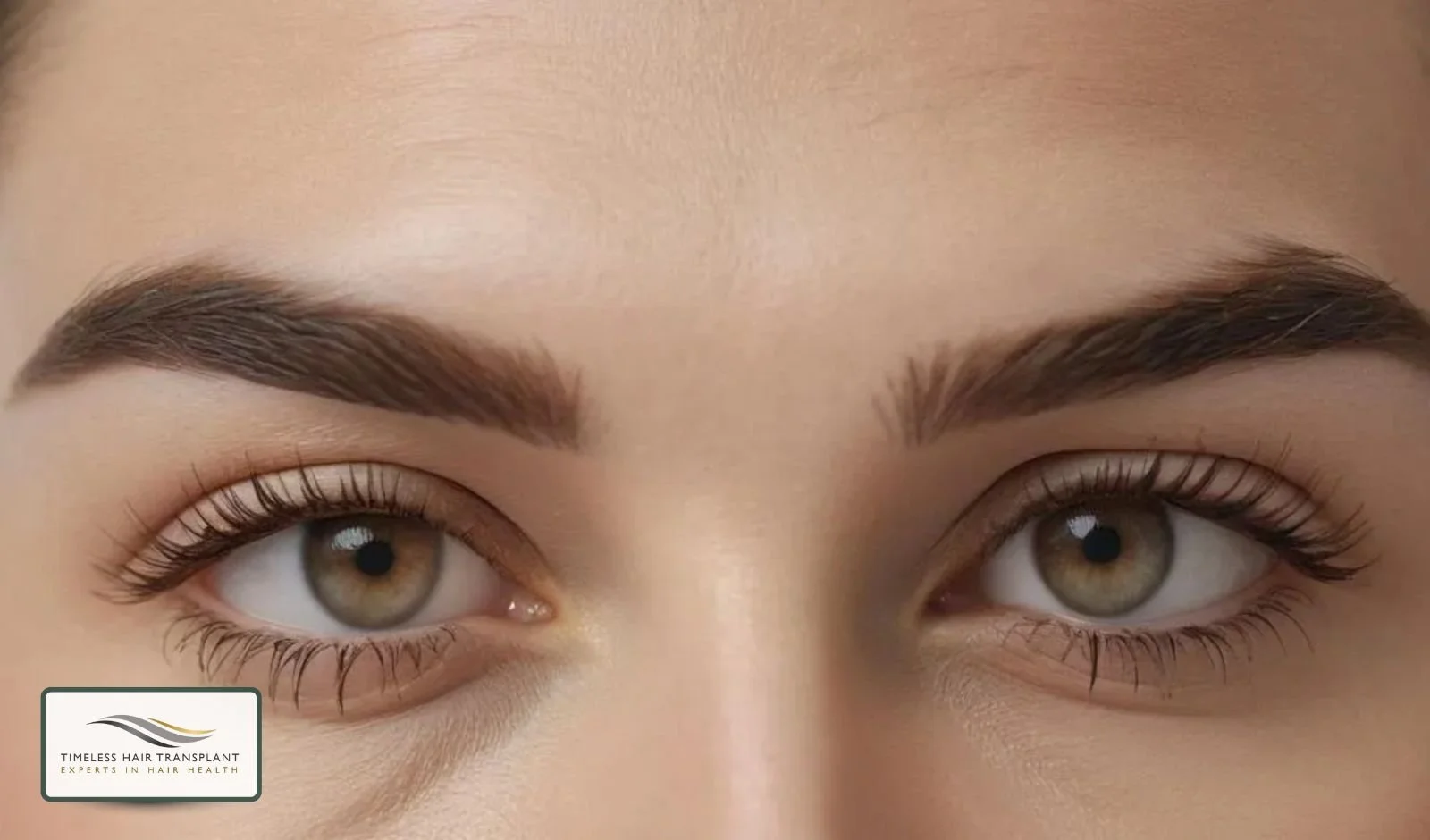
Maintaining Permanent Eyebrow Transplant Results
Although eyebrow transplants are permanent, good habits help protect the results.
Helpful tips include:
Following aftercare instructions carefully
Avoid rubbing the brows during early healing
Trimming transplanted hair when needed
Maintaining overall skin and hair health
With proper care, transplanted hair continues to grow naturally for many years.
Why Eyebrow Restoration Is a Long Term Solution
Unlike makeup, tattooing, or microblading, eyebrow restoration using hair transplant techniques creates real hair that grows and behaves naturally.
Because eyebrow transplants work with living follicles, the results do not fade over time. This makes a permanent eyebrow hair transplant an effective choice for those seeking a true solution rather than ongoing maintenance.
Your Trusted Partner in Permanent Eyebrow Restoration
At Timeless Hair Transplant, eyebrow restoration is performed with careful planning, advanced techniques, and a strong focus on natural results. Each eyebrow hair transplant procedure is tailored to your facial structure and existing eyebrow hair to achieve balanced, long-term outcomes.
If you are considering eyebrow restoration and want to know whether the results are permanent, expert guidance can help you make an informed decision.
Call us today +44 (0) 7516294471 to book your free consultation and explore your options for natural, lasting brows.
Frequently Asked Questions
-
Yes. Eyebrow transplants are considered permanent because the transplanted hair comes from a donor area where hair growth is stable. Once healed, the follicles continue to grow long-term.
-
For most suitable candidates, the results are permanent. Factors such as overall health, a stable donor area, and proper aftercare all play a role in long-term success.
-
Eyebrow transplants work by relocating healthy hair follicles from the donor area to the eyebrow area. These follicles then grow naturally, just like existing eyebrow hair.
-
Yes. When placed correctly, transplanted hair blends with natural brows in direction, shape, and density, creating natural brows rather than an artificial look.
-
Yes. Transplanted hair continues to grow because it is living hair. Occasional trimming may be needed, especially in the first year.
