
Things Not to Do After a Hair Transplant: Recovery Tips
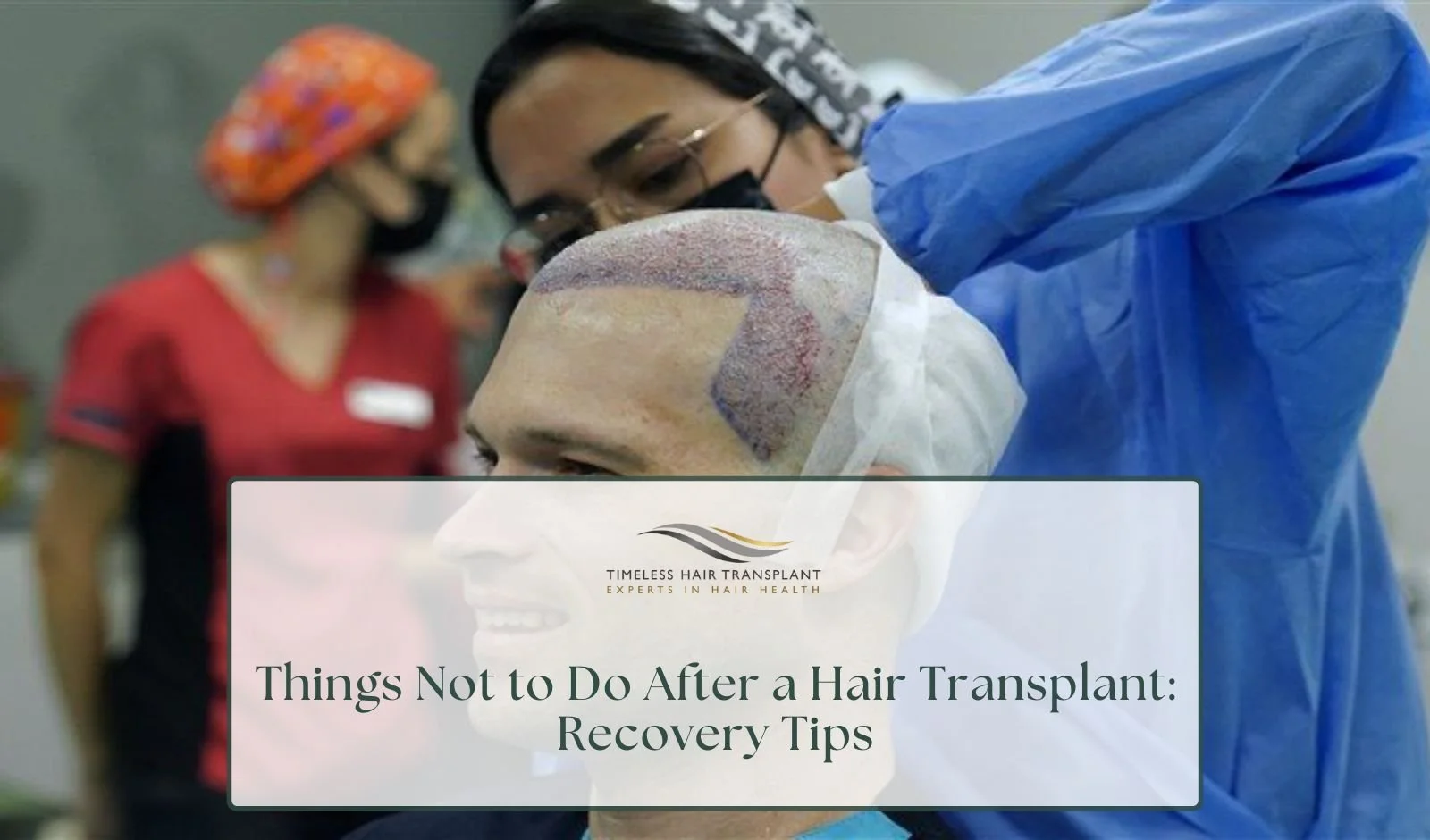
A hair transplant is a major step toward restoring confidence and addressing hair loss, but the success of the procedure does not end in the operating room. What you do during the recovery process plays a critical role in how well your transplanted follicles survive and how strong your final hair growth becomes.
Many patients ask what not to do after a hair transplant because small mistakes in the days and weeks after surgery can affect results. This guide explains the most important things not to do after hair transplant surgery, why they matter, and how to protect your new hair during healing.
Why Aftercare Matters After a Hair Transplant
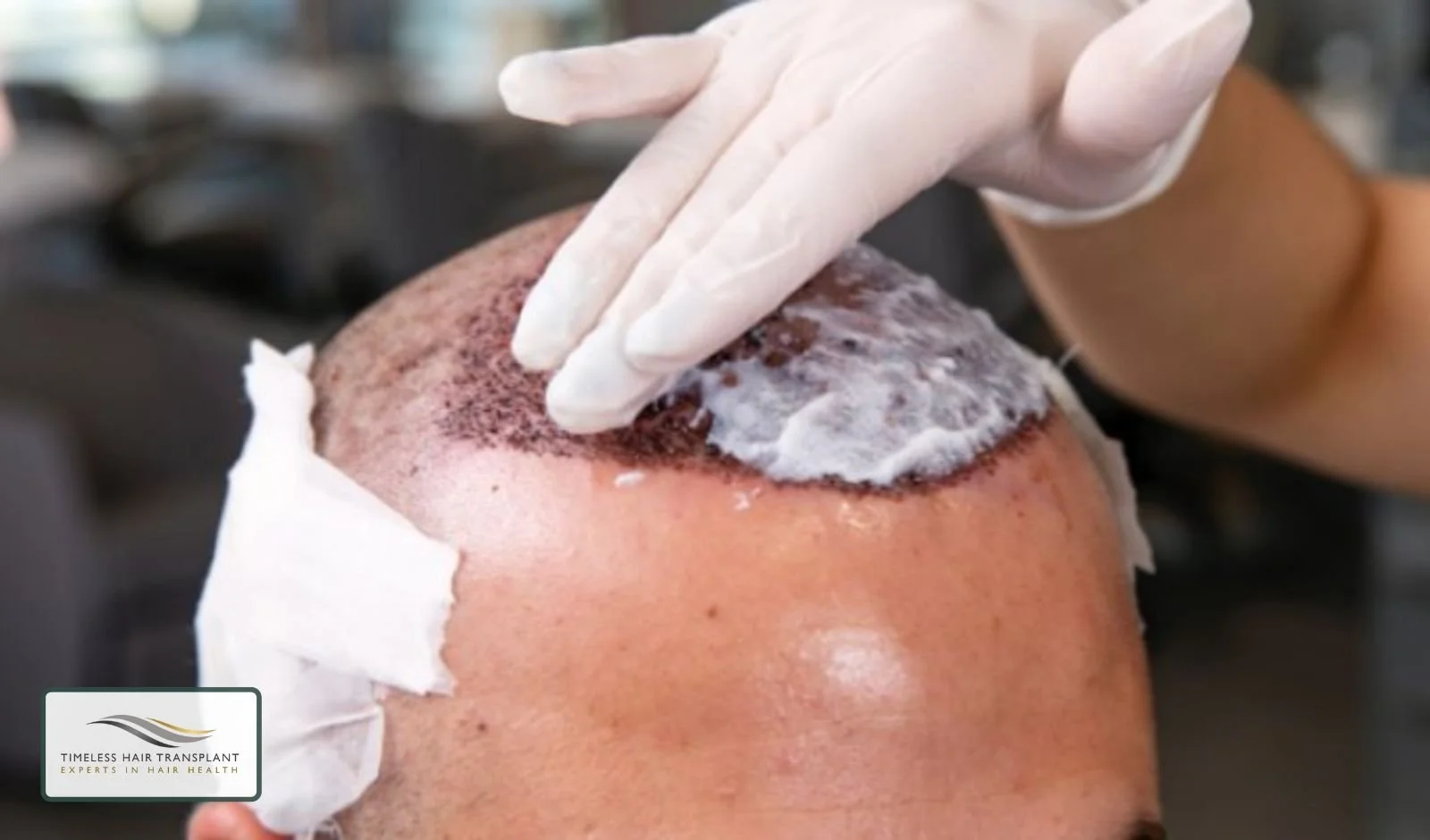
After a hair restoration procedure, newly implanted hair grafts need time to settle into the scalp. During the early healing process, the transplanted area is sensitive, and the hair follicles are still anchoring themselves.
Whether you have undergone a FUE hair transplant procedure or other hair transplant techniques, following proper aftercare advice helps reduce complications and supports healthy, long-term growth.
Do Not Touch, Scratch, or Pick the Transplanted Area
One of the most important things not to do after a hair transplant is touch the transplanted area unnecessarily.
In the first few days after a hair transplant, tiny scabs form around the hair grafts. Scratching or picking at these scabs can dislodge transplanted follicles before they fully settle.
Even if itching occurs during the healing process, avoid scratching. If discomfort persists, follow the guidance provided by your hair transplant surgeon.
Do Not Wash Your Hair Too Soon or Too Roughly
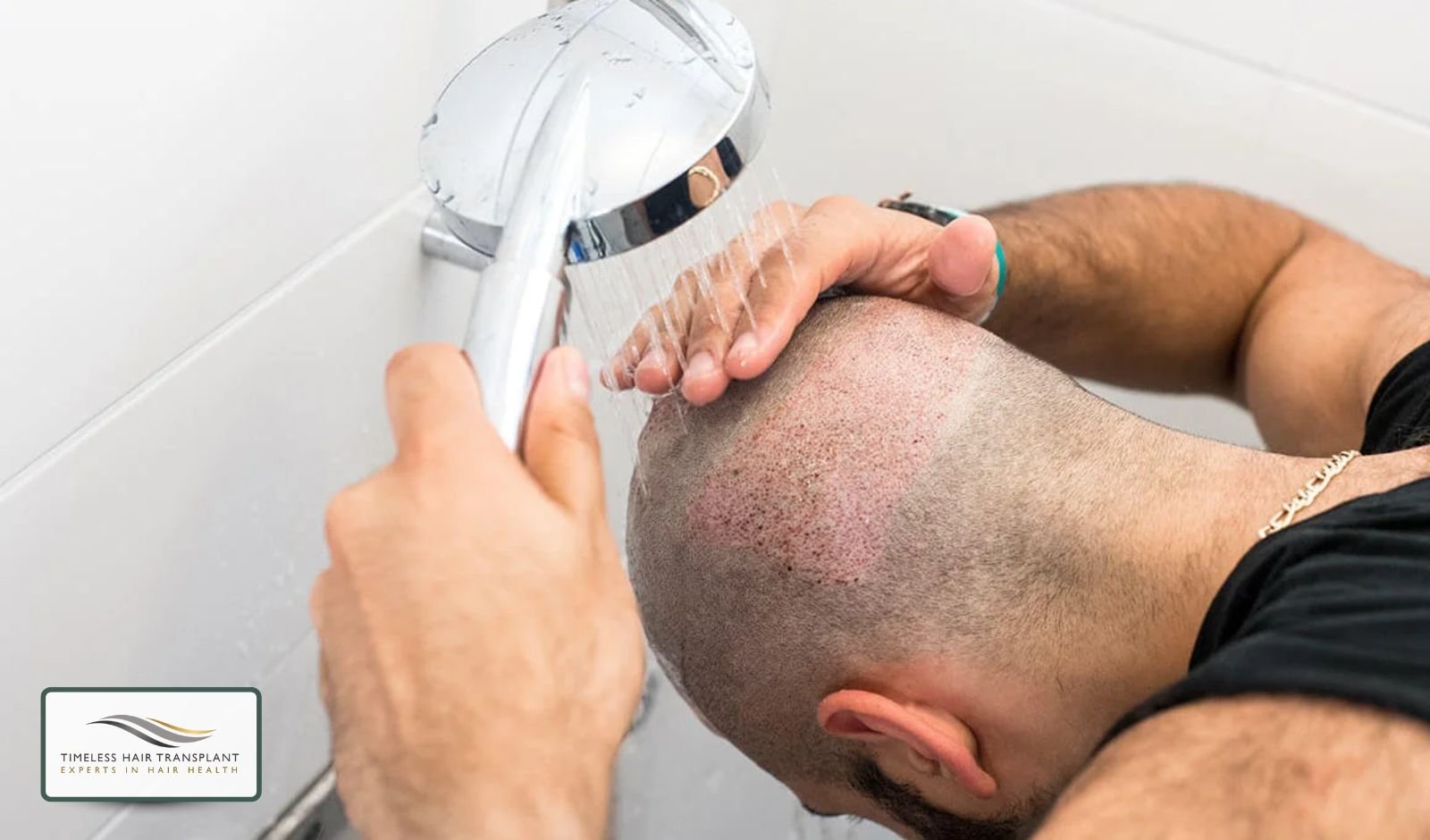
Many patients are unsure when they can wash their hair after surgery. Washing too early or using harsh pressure can damage newly implanted grafts.
During the first few days after a hair transplant, the scalp should remain dry unless otherwise instructed. When washing is allowed, it must be done gently using recommended products and techniques.
Avoid:
Hot water
Strong water pressure
Rubbing or scrubbing the scalp
Gentle washing supports the recovery process and helps protect transplanted follicles.
Do Not Sleep Flat on Your Head
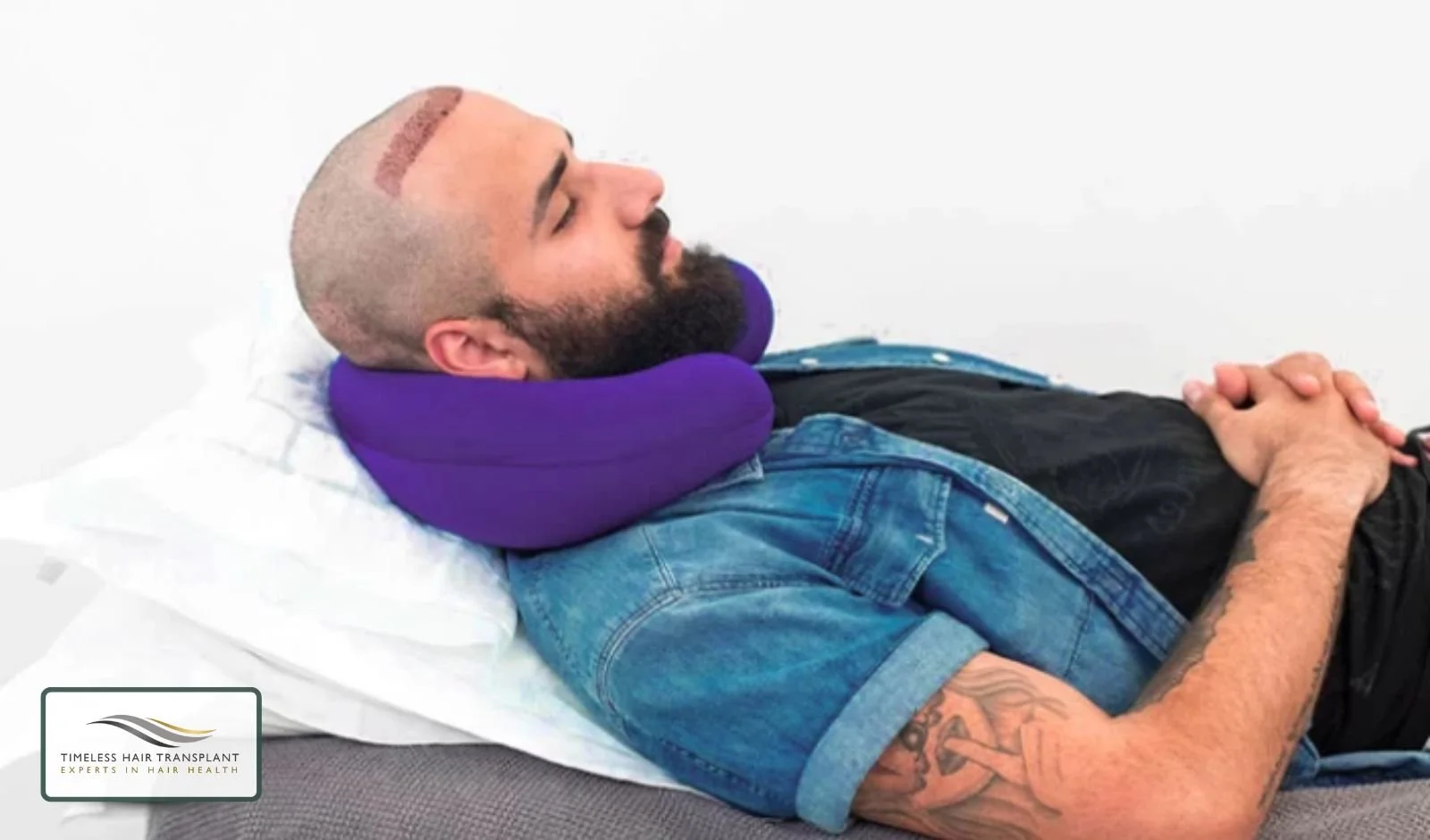
Sleeping position matters more than many people realise.
In the first days after a hair transplant, sleeping flat can increase swelling and place pressure on the transplanted area. Keeping your head elevated helps reduce swelling and protects grafts.
Use extra pillows or sleep in a reclined position during the early post op phase. This simple step supports comfort and healing.
Do Not Exercise Too Soon
Strenuous exercise is one of the key things not to do after a hair transplant, as it can disrupt healing and affect graft survival.
Sweating, increased blood pressure, and friction can disrupt hair grafts during the early recovery process. Heavy exercise should be avoided for at least the first one to two weeks, depending on your surgeon’s advice.
Light walking is usually fine, but avoid:
Weightlifting
Running
Contact sports
Activities that cause heavy sweating
Returning to exercise gradually supports healthy hair growth.
Do Not Wear Tight Hats or Helmets Early On
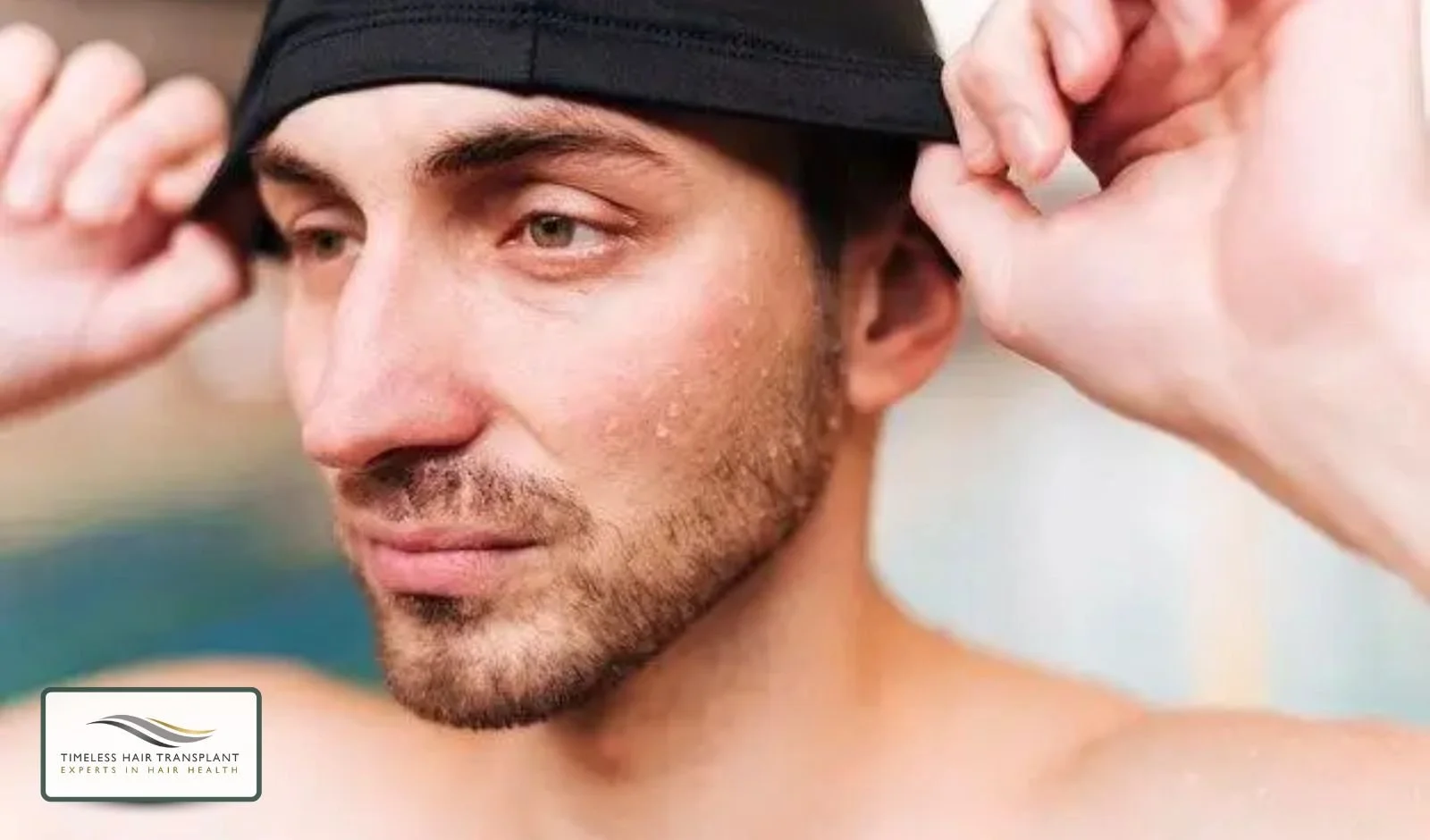
Covering your head may feel tempting, especially in public, but tight headwear can press against transplanted follicles.
In the days after a hair transplant, avoid hats, helmets, or anything that rubs the transplanted area. Once healing progresses, your surgeon may allow loose-fitting headwear.
Always follow personalised aftercare advice before covering your scalp.
Do Not Expose Your Scalp to Direct Sunlight
Sun exposure can irritate healing skin and damage sensitive hair follicles.
In the weeks after your hair transplant, avoid direct sunlight on the scalp. If you must go outside, limit exposure and follow protective guidance from your clinic.
Sun protection supports the healing process and reduces unnecessary inflammation.
Do Not Smoke or Drink Alcohol During Early Healing
Smoking and alcohol can slow down healing and reduce blood flow to the scalp. This affects how well transplanted follicles receive oxygen and nutrients.
For best results, avoid smoking and alcohol during the early recovery process, especially in the first week post hair transplant. This gives your scalp the best chance to heal efficiently.
Do Not Panic About Shedding
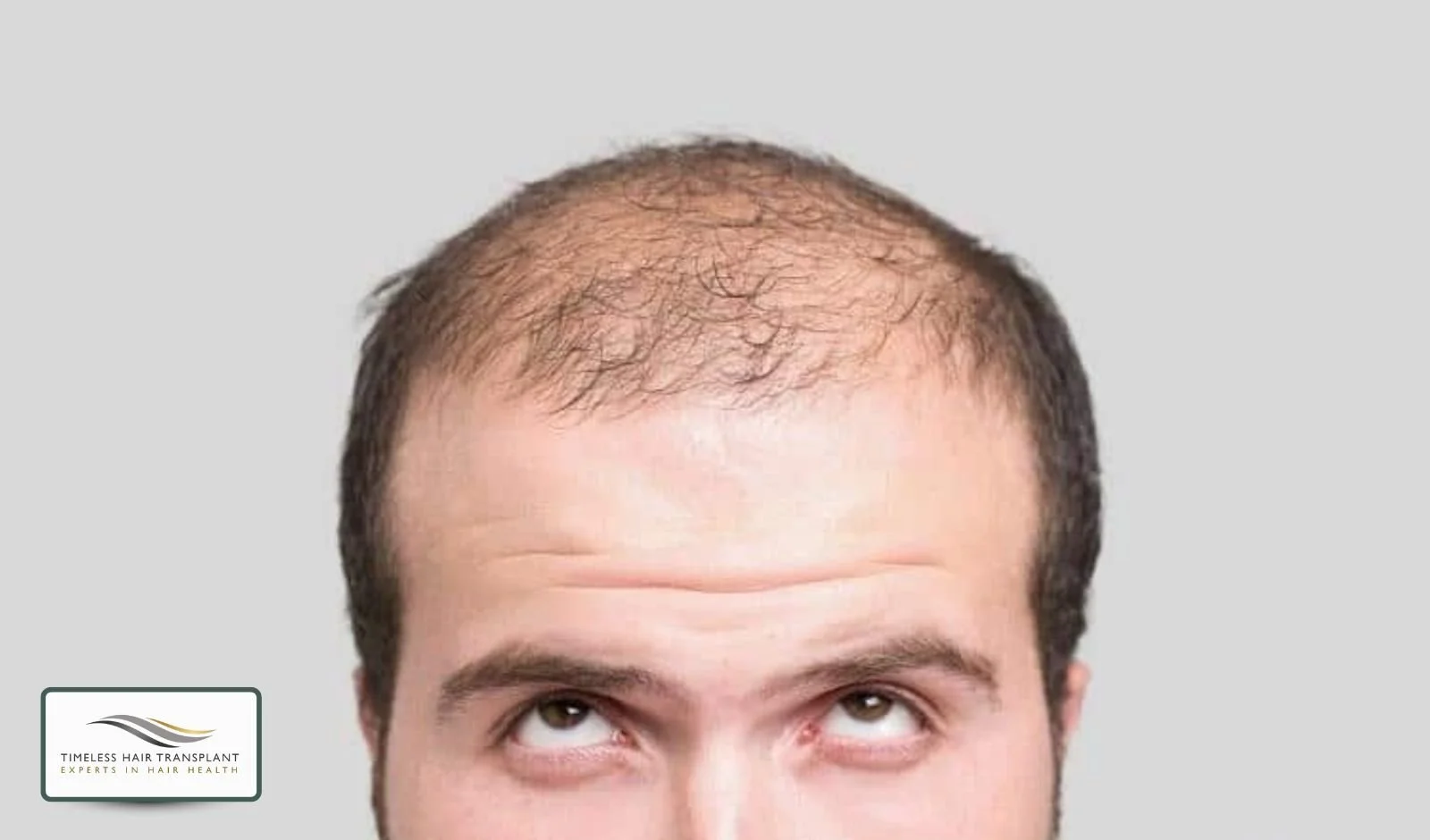
Many patients worry when transplanted hair falls out a few weeks after surgery. This is completely normal.
Shock shedding often occurs weeks after your hair transplant. This temporary shedding phase can happen after both FUE hair transplants and FUT hair transplant procedures. While the visible hair falls out, the transplanted follicles remain healthy beneath the scalp and will begin producing new hair as the recovery process continues.
Understanding this phase helps reduce stress and sets realistic expectations for hair growth.
Do Not Ignore Your Surgeon’s Instructions
Every patient heals differently, and your hair transplant surgeon provides guidance based on your specific procedure.
Ignoring post op instructions is one of the most common mistakes patients make. Always follow personalised advice related to:
Washing routines
Medications
Sleeping position
Activity restrictions
Clear communication with your clinic supports a smooth recovery.
What You Should Do Instead
While knowing what not to do after a hair transplant is important, positive habits also matter.
Helpful actions include:
Keeping the transplanted area clean
Staying hydrated
Eating a balanced diet
Being patient during the healing process
Attending follow-up appointments
These steps help protect hair follicles and support strong, natural hair growth.
When to Expect Visible Results
Hair transplant results take time. In the weeks after your hair transplant, the scalp focuses on healing. New growth typically begins around three to four months.
By six months, noticeable improvement appears. Full results usually develop between nine and twelve months, especially after FUE hair transplants.
Patience is key to successful hair restoration.
Final Thoughts on Post-Hair Transplant Care
Knowing the right things not to do after hair transplant surgery helps protect your investment and ensures the best possible outcome. Small mistakes during the early days after a hair transplant can affect long-term results.
By following proper aftercare advice, avoiding risky habits, and giving your scalp time to heal, you support a smooth recovery process and healthy hair growth.
Start Your Hair Restoration Journey Today
If you are planning a hair transplant or need expert guidance on post-hair transplant care, Timeless Hair Transplant is here to help. A personalised consultation allows you to understand the recovery process and how to achieve the best results.
Call us today +44 (0) 7516294471 to book your free consultation.
