
Is Eyebrow Transplant Painful? Setting Expectations
Quick Answer
Is eyebrow hair transplant surgery painful?
Most patients report minimal discomfort. Eyebrow transplant surgery is performed under local anaesthetic, which numbs both the donor area and the eyebrow area. You may feel slight pressure during the hair transplant procedure, but sharp pain is uncommon. Mild soreness or swelling can occur afterwards, depending on the number of grafts placed.
Key Takeaway
Eyebrow hair transplantation is performed under local anaesthetic
Most patients experience mild discomfort, not severe pain
Temporary swelling or tenderness is a common side effect
Pain levels vary depending on the number of grafts
Choosing an experienced surgeon reduces discomfort
Recovery is usually smooth with proper aftercare
If you are considering eyebrow transplant surgery, one of the first questions you may ask is, is it painful?
Pain is a natural concern before any hair transplant procedure. Because the eyebrow area is visible and sensitive, many people worry that the transplant area might be uncomfortable during or after treatment.
The good news is that modern hair transplant surgery techniques are designed to minimise discomfort. With proper use of local anaesthetic and careful planning, most patients describe the experience as manageable and far less painful than expected.
Understanding what happens during eyebrow hair transplantation can help ease anxiety and prepare you for recovery.
How the Procedure Is Performed
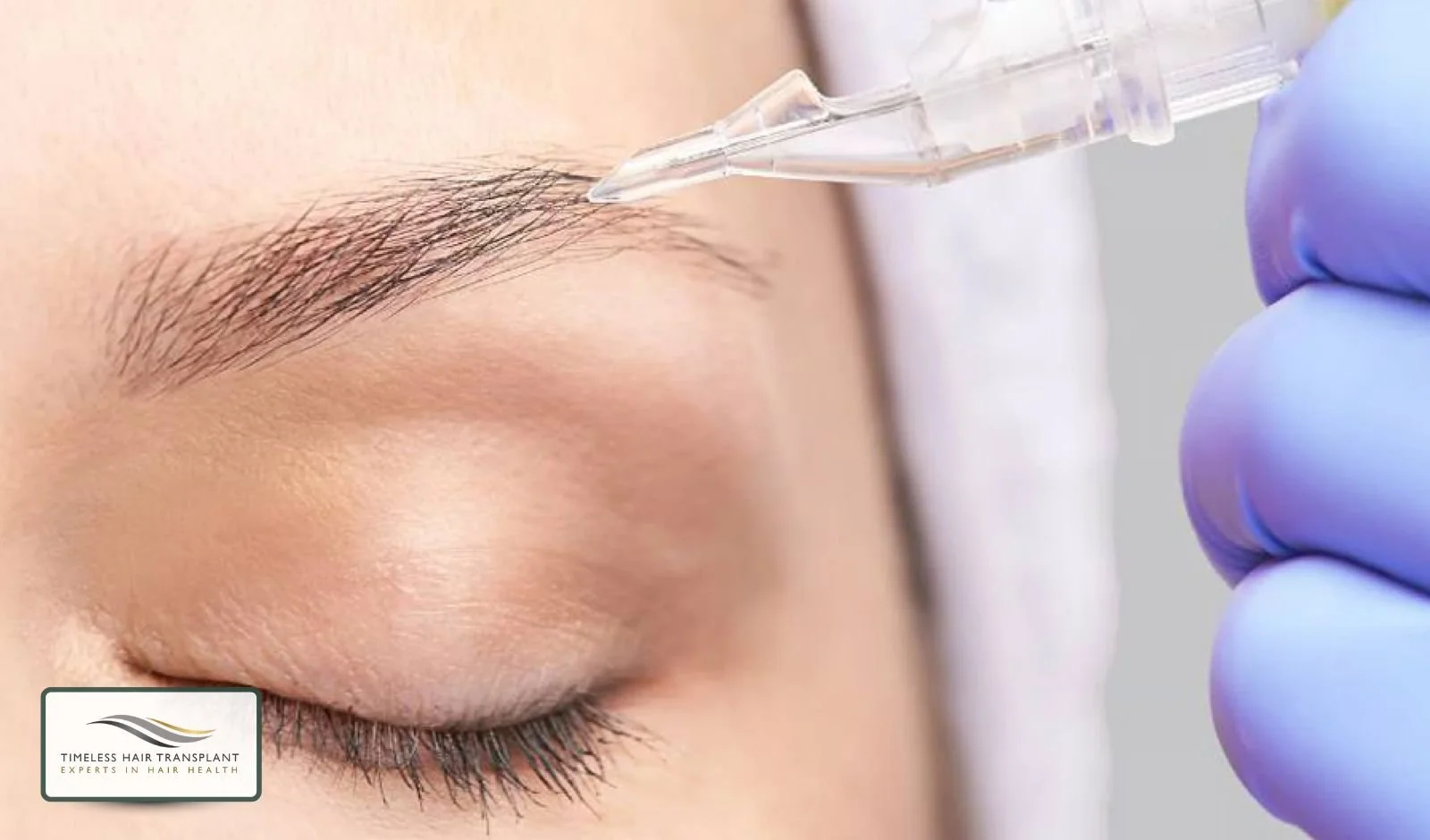
Eyebrow transplant surgery is typically performed under local anaesthesia. This means the treated areas are numbed while you remain awake.
The surgeon first numbs the donor area, usually located at the back of the scalp. Hair follicles are then carefully extracted, often using follicular unit extraction FUE. In this method, individual hair grafts are removed one by one to reduce scarring and promote smoother healing.
After harvesting the hair grafts, the surgeon prepares the recipient area within the eyebrow. Tiny incisions are made to place each hair follicle at the correct angle and direction.
Because the procedure is performed under local anaesthesia, patients usually feel pressure or mild movement rather than sharp pain.
Is the Injection of Local Anaesthetic Painful?
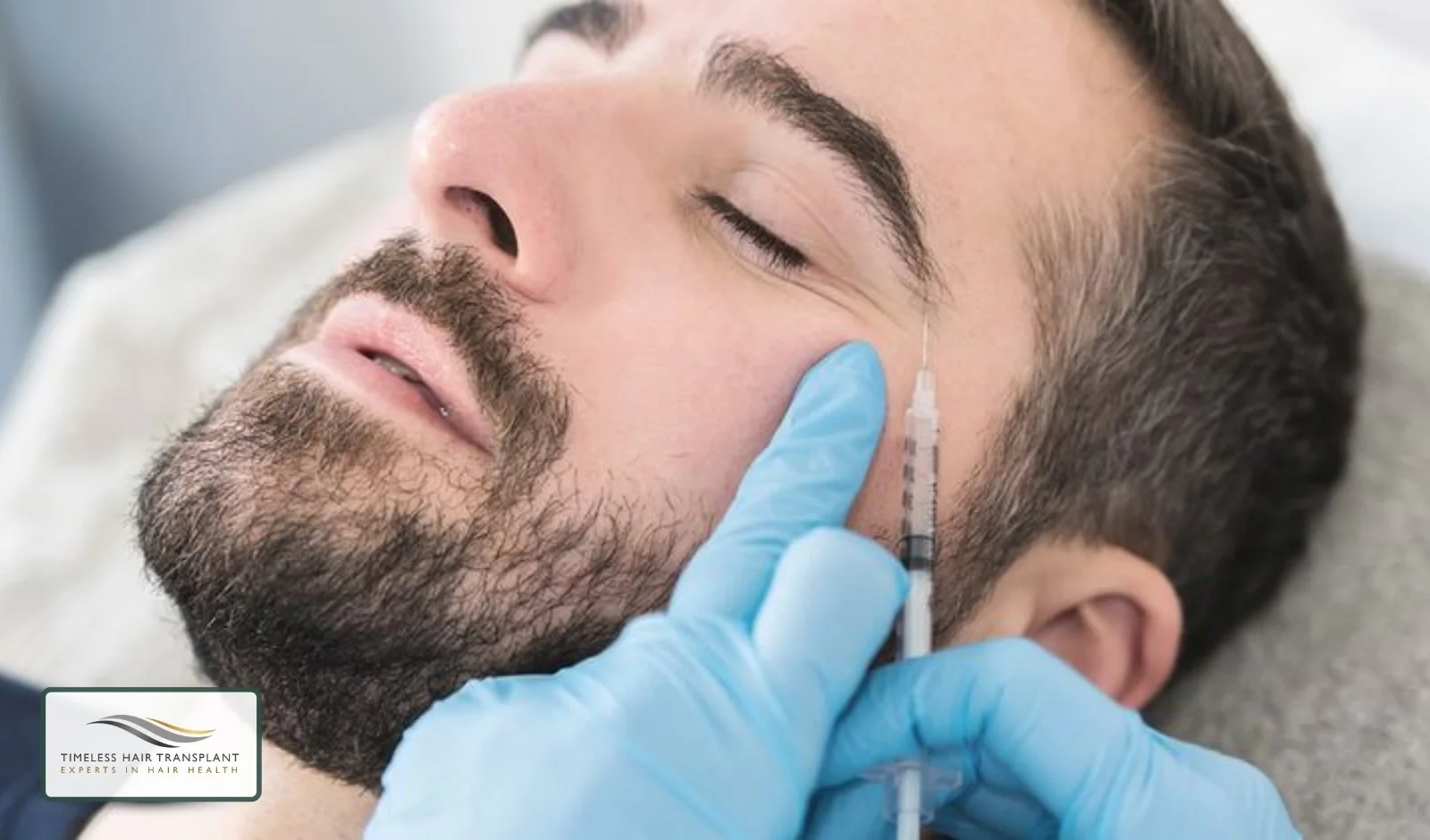
For many patients, the most noticeable discomfort comes from the initial injection of local anaesthetic. This may feel like a quick sting or pinch.
However, once the anaesthetic takes effect, the transplant area becomes numb. The remainder of the hair transplant procedure is generally comfortable.
An experienced surgeon uses careful technique to reduce discomfort during this step.
Does the Number of Grafts Affect Pain?
Pain levels can vary depending on the number of grafts needed. A small eyebrow restoration requiring fewer grafts will usually involve less overall discomfort.
Depending on the number of hair grafts placed, the procedure may take several hours. Longer sessions may lead to mild soreness afterwards, but severe pain is rare.
Your surgeon will explain the expected number of grafts during consultation.
What Does Recovery Feel Like?
After eyebrow hair transplantation, it is normal to experience mild swelling, redness, or tenderness in the eyebrow area and donor area.
This is considered a temporary side effect and typically resolves within a few days. Some patients describe the sensation as similar to a mild sunburn or tightness.
The recipient area may form small scabs where the hair follicle was placed. These naturally fall off as healing progresses.
Over-the-counter pain relief is usually sufficient if needed. Most people return to normal activities within a few days.
When Should You Be Concerned?
Serious complications are uncommon when eyebrow transplant surgery is performed by an experienced surgeon.
However, patients with a medical condition affecting healing or blood clotting should inform their doctor beforehand. Proper screening reduces risk.
If unusual swelling, severe pain, or signs of infection appear, contacting your clinic promptly is important.
Does It Hurt More Than Scalp Hair Transplant Surgery?
Many people ask whether eyebrow transplant surgery is more painful than standard hair transplant surgery on the scalp.
In reality, both procedures are similar in comfort levels. The eyebrow area is more delicate, but modern techniques such as follicular unit extraction FUE allow for precise placement with minimal trauma.
Most patients find the experience manageable and are pleasantly surprised by how tolerable it feels.
How Long Before Hair Growth Begins?
Pain is temporary, but hair growth is long-term. After surgery, transplanted hairs may shed within a few weeks. This is a normal part of the process.
New hair growth typically begins after three to four months. Full results often become visible within several months, depending on the individual’s eyebrow transplant healing and the number of grafts placed.
Final Thoughts
So, is eyebrow transplant painful?
For most patients, the procedure involves mild and manageable discomfort rather than significant pain. Because it is performed under local anaesthetic, the transplant area remains numb during treatment.
Some temporary swelling or tenderness may occur, especially depending on the number of grafts, but serious pain is uncommon.
Choosing an experienced surgeon, following aftercare instructions, and attending follow-up appointments all contribute to a smooth recovery and successful eyebrow hair transplantation outcome.
Speak With an Expert About Your Eyebrow Restoration
If you are considering eyebrow transplant surgery and want honest answers about comfort and recovery, expert guidance is essential.
At Timeless Hair Transplant, our experienced surgeon performs advanced eyebrow hair transplantation procedures with patient comfort as a priority.
Call +44 (0) 7516294471 today or book a free consultation to discuss your concerns and receive a personalised treatment plan.
Frequently Asked Questions
-
Most patients feel minimal discomfort because the procedure is performed under local anaesthesia.
-
Mild tenderness may last a few days, depending on the number of grafts.
-
Temporary redness, swelling, or scabbing in the recipient area are common and usually resolve quickly.
-
Yes. Follicular unit extraction FUE is minimally invasive and typically results in less discomfort and faster healing.
-
The donor area may feel slightly sore, but discomfort is usually mild and temporary.
-
Most patients resume light activities within a few days after the hair transplant procedure.
-
You should inform your surgeon about any medical conditions before treatment to ensure safety.
-
New hair growth usually begins within a few months, with fuller results appearing later.
