
Can I Use Nizoral Shampoo After Hair Transplant? Your Guide
Quick Answer
Can I use Nizoral shampoo after a hair transplant?
Yes, Nizoral shampoo can be used after a hair transplant, but only at the right time. Because it is a medicated shampoo containing ketoconazole, most hair transplant surgeons recommend waiting until the scalp has healed before introducing it to avoid irritation to transplanted hairs and sensitive skin.
Key Takeaways
Nizoral shampoo contains ketoconazole, an anti-inflammatory ingredient.
It can support scalp and hair health, especially for androgenetic alopecia.
Nizoral shampoo should not be used immediately post op.
Waiting until the healing process is stable helps protect transplanted hairs.
Always follow the guidance from your hair transplant surgeon before use.
After a hair transplant procedure, many patients become extra cautious about what they apply to their scalp. One of the most common questions is whether Nizoral shampoo after hair transplant care is safe. Because Nizoral is a medicated shampoo often linked to hair growth support, it is understandable that patients want to use it as soon as possible.
However, timing matters. The scalp is sensitive during post-transplant healing, and using the wrong product too early may cause irritation or unwanted side effects. Understanding how Nizoral shampoo works, when it is safe to use, and how it interacts with transplanted hair follicles helps protect your results.
This guide explains when and how Nizoral shampoo can fit into your post-hair-transplant care routine.
What Is Nizoral Shampoo and How Does It Work
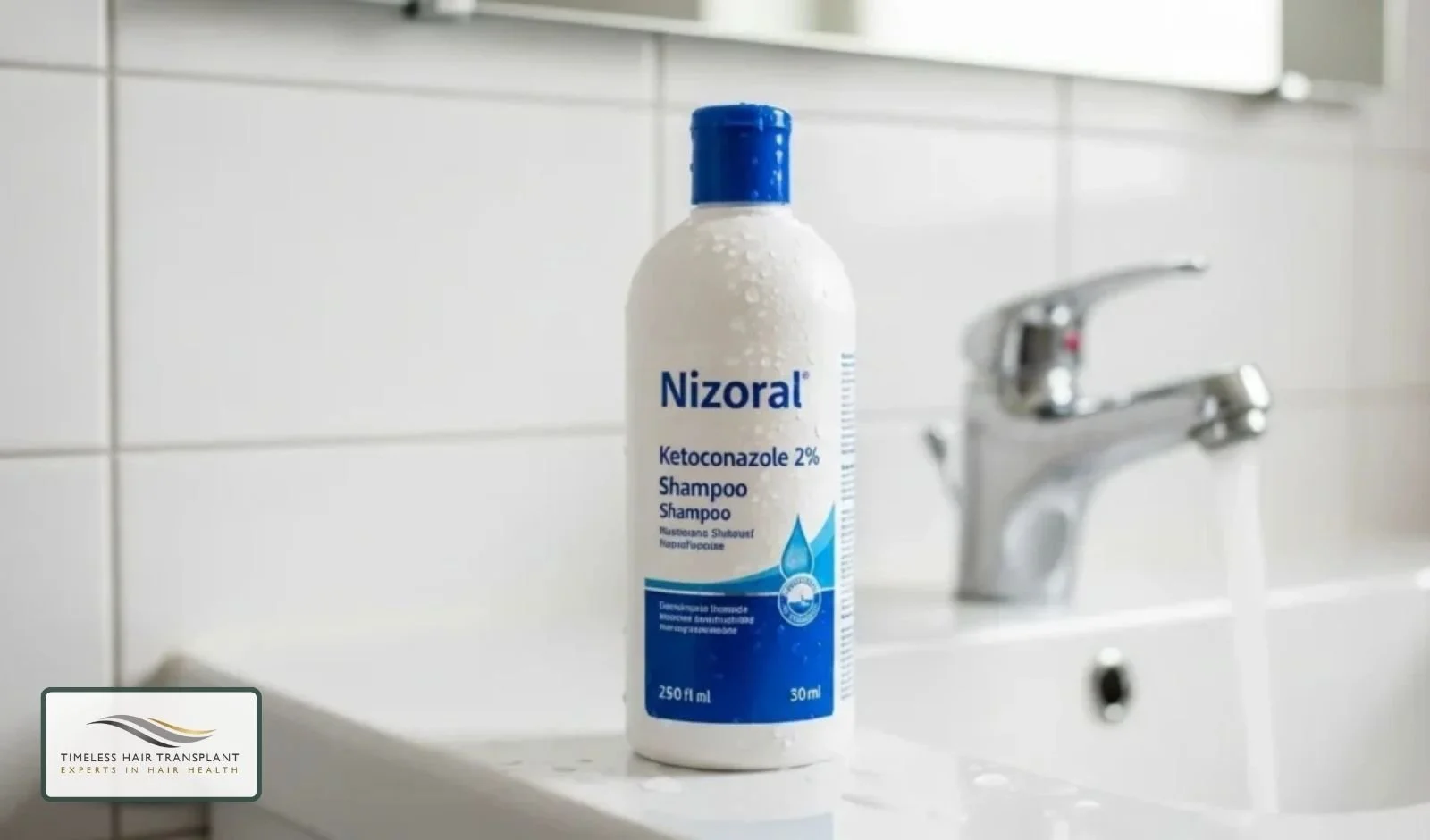
Nizoral shampoo is a ketoconazole shampoo designed to treat scalp conditions such as dandruff and inflammation. Ketoconazole is known for its anti-inflammatory and antifungal properties.
In hair restoration care, ketoconazole shampoo is sometimes used because it can help reduce scalp irritation and may play a role in blocking the 5-alpha reductase enzyme. This enzyme contributes to androgenetic alopecia, which is a common cause of hair loss in both men and women.
By calming the scalp and reducing inflammation, Nizoral shampoo can support a healthier environment for hair follicles, but it must be used correctly after surgery.
Why Shampoo Choice Matters After a Hair Transplant
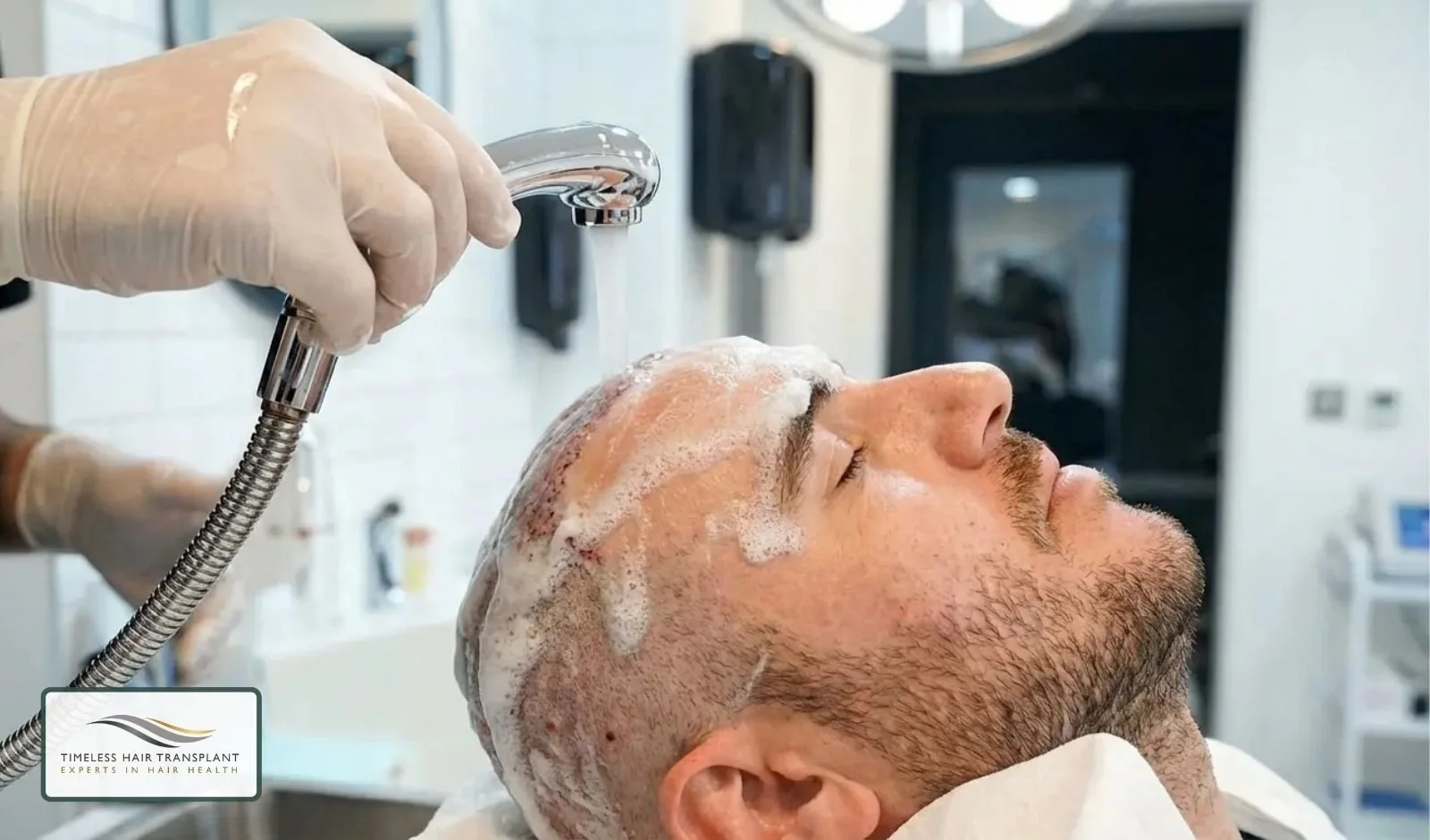
During the early post op phase, the scalp is healing from tiny incisions made during the hair transplant procedure. The donor and recipient areas are delicate, and transplanted hairs are still anchored into the skin.
This is especially important after an FUE hair transplant, where individual follicles are placed through tiny openings that need time to heal properly.
Using strong or medicated products too soon can:
Irritate sensitive skin
Slow the healing process
Causes dryness or redness
Affect transplanted hairs before follicles remain fully secure
This is why most surgeons recommend starting with a gentle, non-medicated shampoo before introducing products like Nizoral.
Can I Use Nizoral Shampoo After Hair Transplant Surgery
Yes, but not immediately.
Most hair transplant surgeons advise waiting at least 2 to 4 weeks after surgery before using Nizoral shampoo. This allows:
The healing process must progress
Scabs to fall off naturally
Transplant hair follicles to stabilise
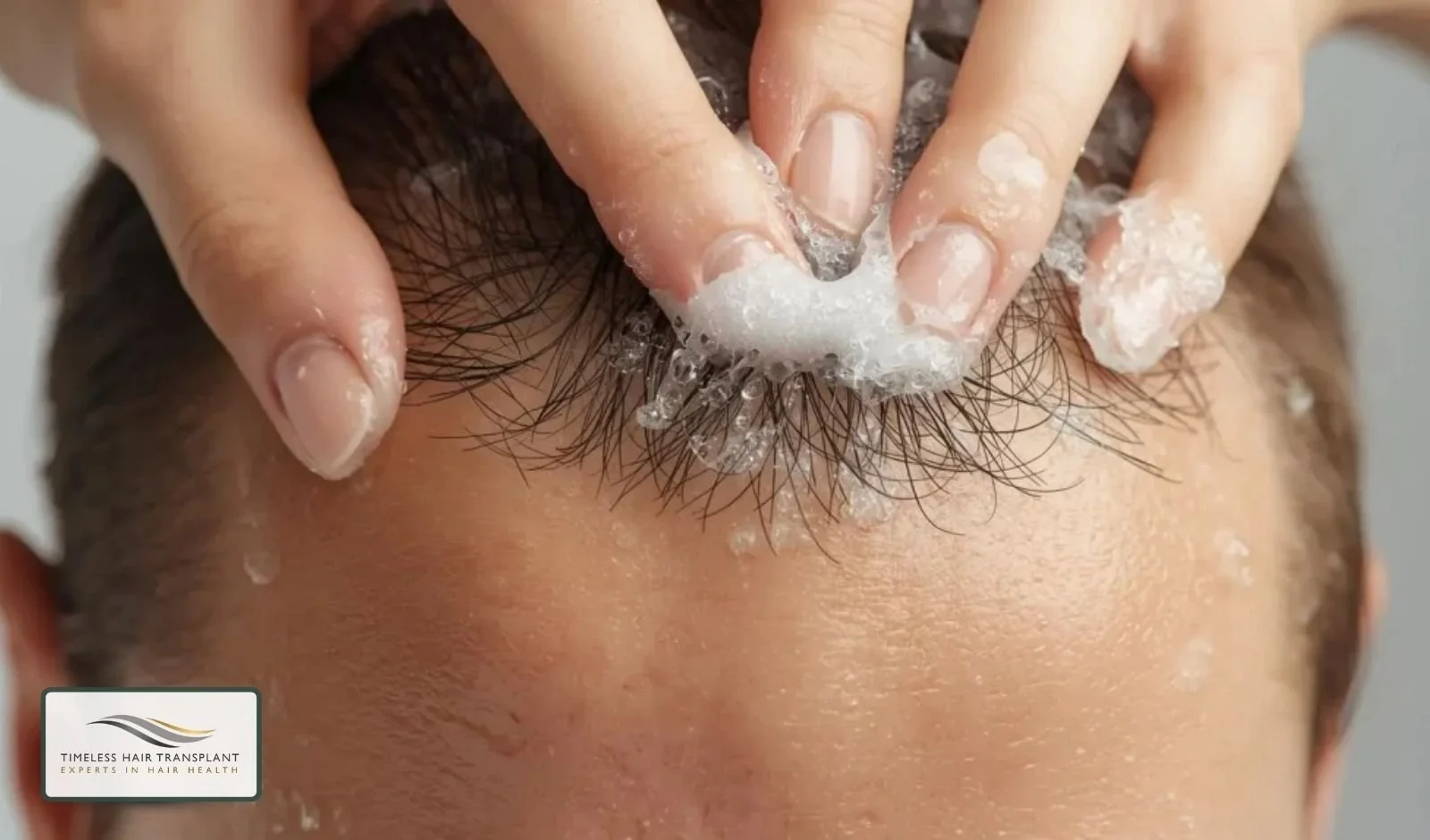
Once the scalp has healed and redness has reduced, Nizoral shampoo may be introduced slowly, usually once or twice per week.
When Is the Right Time to Start Using Nizoral
The right timing depends on individual healing, but general guidance includes:
Patients who have had a FUT hair transplant may need to be extra cautious, as both the donor and recipient areas require sufficient healing before using medicated shampoos.
First 7 to 14 Days
Avoid medicated shampoo
Use only surgeon-approved, gentle shampoo
Focus on protecting transplanted hairs
Weeks 3 to 4
Healing improves in the donor and recipient areas
Scalp sensitivity reduces
Some patients may be cleared to use Nizoral shampoo
After One Month
Nizoral shampoo is often safe if approved
Use sparingly to avoid dryness
Monitor for any side effects
Always confirm with your clinic before starting.
Benefits of Nizoral Shampoo After Hair Transplant
When used at the right stage, Nizoral shampoo may offer several benefits:
Helps reduce scalp inflammation
Supports scalp and hair health
May assist patients with androgenetic alopecia
Can complement topical minoxidil when advised
Helps manage dandruff during recovery
A calm scalp supports healthy hair growth over time.
Possible Side Effects to Watch For
Although Nizoral shampoo is widely used, side effects may occur, especially on sensitive skin.
Possible side effects include:
Dryness
Mild irritation
Redness
Temporary itching
If irritation occurs, stop using the product and contact your hair transplant surgeon. Side effects usually improve once use is paused.
Nizoral Shampoo and Hair Growth Expectations
Nizoral shampoo alone does not cause new hair growth, but it supports a healthy scalp environment. Reducing inflammation and addressing scalp conditions, it may help transplanted hairs grow more comfortably.
Many clinics use it as part of a broader post-transplant plan that may include topical minoxidil, lifestyle guidance, and regular follow-ups.
The goal is to support follicles to remain healthy long term, not to rush products too early.
Using Nizoral Safely After Hair Transplant
To use Nizoral shampoo safely:
Wait until your surgeon approves
Use only once or twice weekly
Massage gently without scrubbing
Avoid hot water
Rinse thoroughly
Gentle handling protects recipient areas and prevents unnecessary stress on hair follicles.
Who May Benefit Most From Nizoral Shampoo
Nizoral shampoo is often recommended for patients who:
Have androgenetic alopecia
Experience dandruff or scalp inflammation
Have female pattern hair loss
Are prone to oily scalp conditions
Not every patient needs it, which is why professional guidance matters.
Final Thoughts
So, can I use Nizoral shampoo after a hair transplant? Yes, but timing is key. While Nizoral shampoo offers scalp benefits, using it too early may disrupt healing. Waiting until the scalp recovers ensures transplanted hairs remain protected and hair growth progresses naturally.
Following personalised advice from experienced hair transplant surgeons is the safest way to care for your scalp after surgery.
Start Your Post-Transplant Care the Right Way
At Timeless Hair Transplant, we provide clear aftercare guidance tailored to your recovery stage. From shampoo choices to long-term scalp care, our team supports you through every step of your hair restoration journey.
Call us today +44 (0) 7516294471 to book your free consultation and receive expert post transplant advice.
Frequently Asked Questions
-
No. It is best to wait until your scalp has healed, usually a few weeks after surgery.
-
If scabs are gone and redness has settled, your surgeon may approve its use.
-
It does not speed up growth but helps create a healthier scalp environment.
-
Yes, many patients use both, but timing and frequency should be guided by your clinic.
-
It can be, but start slowly and stop if irritation occurs.
-
Usually once or twice a week, unless advised otherwise.
-
Not when used correctly and at the right time.
-
Yes, gently, but only after your surgeon confirms it is safe.
-
It may support scalp health in some cases, but results vary.
-
Stop using it and contact your hair transplant clinic for advice.
