
Should I Wash My Hair Everyday After a Hair Transplant?
Quick Answer
Should I wash my hair everyday after hair transplant?
In the early recovery phase, washing your hair every day is not recommended. Daily washing too soon can irritate the scalp and affect transplanted follicles. As healing progresses, your surgeon may allow more frequent washing using gentle techniques.
Key Takeaways
Washing every day is usually not advised immediately after a hair transplant
The scalp needs time to heal before frequent washing
Gentle hair washing helps protect hair after a hair transplant
Proper washing helps remove scabs safely without damaging grafts
Medicated shampoos should only be used when approved by your surgeon
Always follow personalised washing instructions from your surgeon
After a hair transplant, many patients focus on aftercare, especially hair washing. One of the most common questions is whether it is safe to wash hair every day after surgery. Knowing when and how often to wash your hair is important for protecting grafts and supporting long term hair restoration.
Daily habits that worked before surgery may not be suitable for hair after a hair transplant. Understanding the healing process helps you care for both your hair and scalp properly.
Why Hair Washing Matters After a Hair Transplant
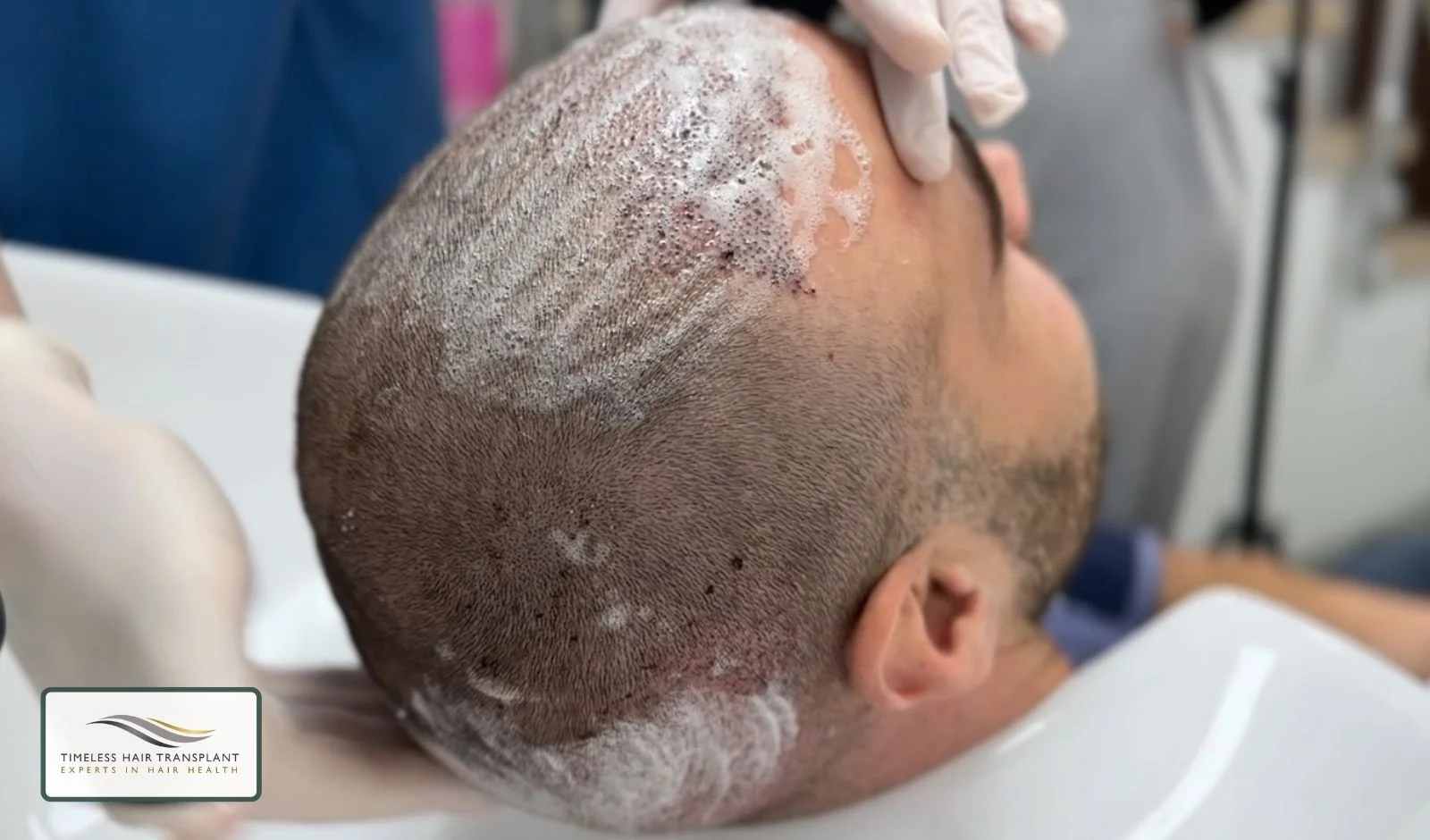
Hair transplant surgery creates tiny openings in the scalp where hair follicles are placed. During the early post hair transplant stage, both the donor and recipient areas are sensitive.
Washing too often can:
Irritate the scalp
Remove scabs too early
Disrupt transplanted follicles
Not washing properly can also cause buildup that affects healing. The goal is gentle, controlled washing that supports recovery.
Should I Wash My Hair Everyday After Hair Transplant Surgery?
In most cases, the answer is no, at least not at first.
During the first 48 hours, patients are usually advised to avoid washing completely. After this period, gentle washing may begin based on your surgeon’s guidance.
In the early days post hair transplant, washing every day is usually avoided. The focus should be protecting hair after a hair transplant rather than washing frequency.
Washing Hair During the First 14 Days
Days 1 to 2
Avoid washing
Protect donor and recipient areas
Keep the scalp dry
Days 3 to 7
Gentle washing may begin if approved
Use a mild shampoo only
Do not rub or scratch
Avoid trying to remove scabs manually
Days 8 to 14
Scabs begin to loosen naturally
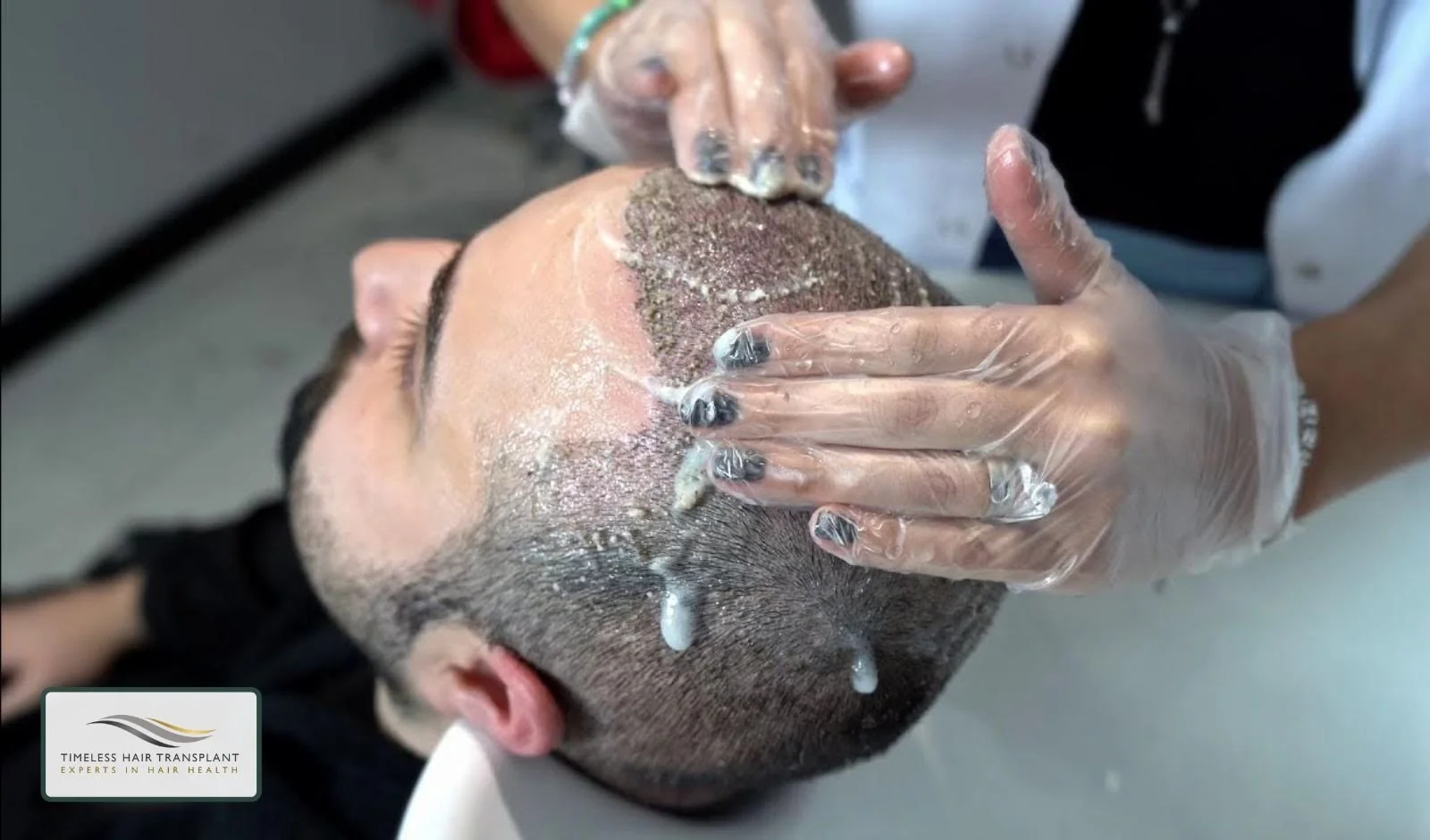
Washing helps remove scabs safely
Washing frequency may increase gradually
At this stage, regular shampoo is still usually avoided unless your surgeon confirms it is safe.
When Can I Wash My Hair More Frequently?
After around 14 days, most patients can slowly return to a more regular hair washing routine. At this stage:
Scabs have mostly fallen away
The scalp feels less tender
Transplanted follicles are more stable
Some patients may be allowed to switch from a gentle post transplant cleanser to a regular shampoo, provided the scalp shows no irritation.
Differences Between FUE and FUT Hair Transplant Washing
With an FUE Hair Transplant, there are many small extraction points. Washing is usually easier, but the scalp still needs time to heal.
With a FUT Hair Transplant, there is a linear donor area. Washing must be especially gentle to avoid tension or discomfort.
Both procedures require careful washing, but instructions may differ slightly depending on the technique used.
Shampoo Choice After a Hair Transplant
During early recovery, most surgeons recommend avoiding medicated shampoos, anti dandruff shampoo and other treatment formulas, as they can be too harsh for healing skin.
Instead:
Use only surgeon approved gentle shampoo
Avoid medicated shampoos unless specifically advised
Delay using regular shampoo until healing is stable
Once the scalp has recovered, medicated shampoos may be introduced if needed for scalp conditions, but only with professional guidance.
Shampoo and Hair Washing Technique
During early recovery:
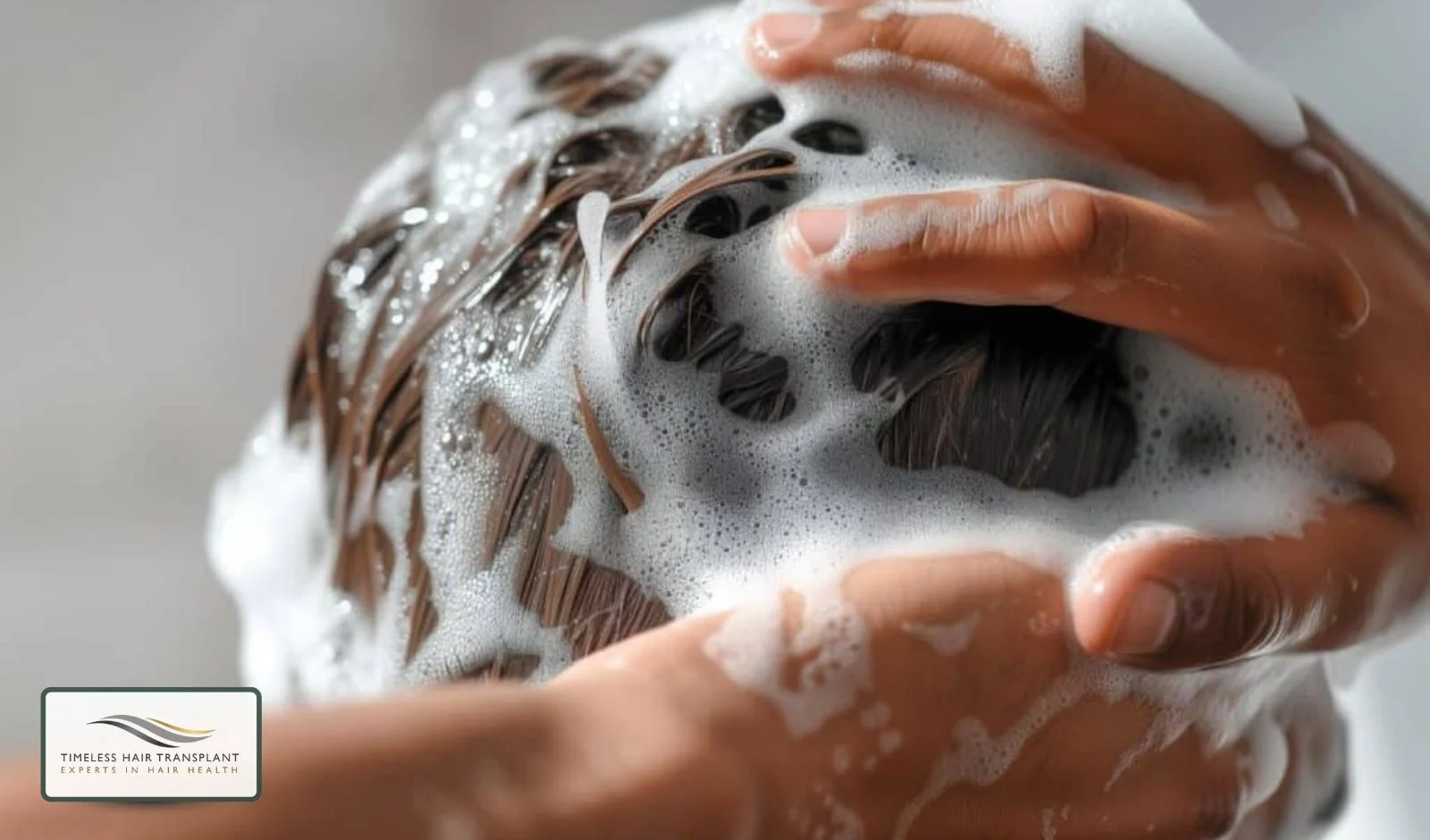
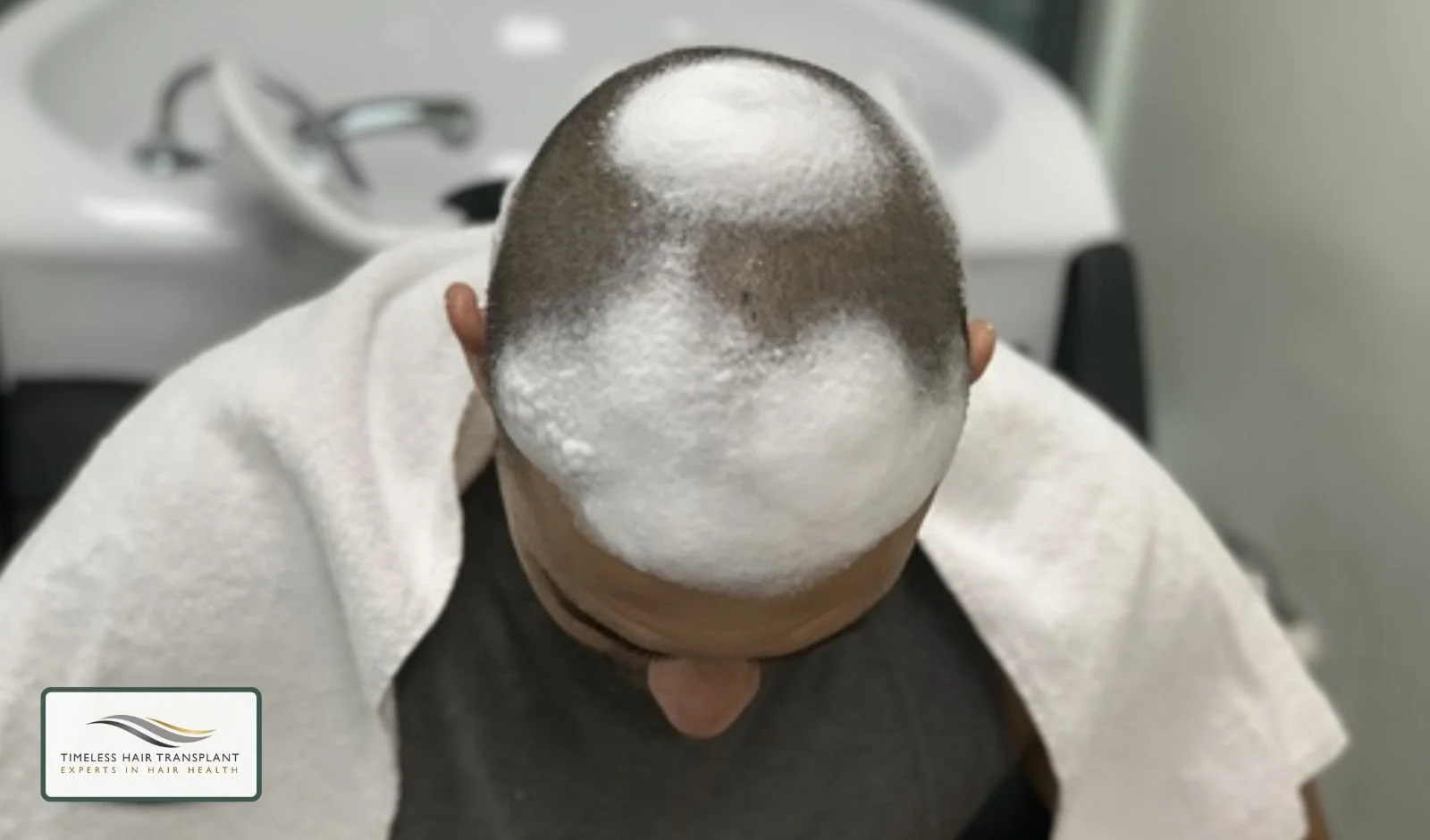
Apply shampoo gently using fingertips
Do not scrub the scalp
Let water flow lightly over the head
Pat gently to dry your hair with a soft towel
Avoid using a hair dryer unless advised
Harsh rubbing, heat, or strong products can irritate healing skin and affect transplanted follicles.
Can Washing Everyday Affect Hair Loss Results?
Yes. Washing too often too soon may affect hair transplant results. Excessive washing can irritate healing skin and stress hair follicles.
Once healing is complete, regular washing does not cause hair loss and helps maintain a healthy hair and scalp environment.
Hair Care After the Initial Healing Process
Once the scalp has healed:
You may wash your hair more often
Resume normal hair care gradually
Introduce regular shampoo if approved
Use medicated shampoos only if necessary
Focus on long term hair restoration
By this stage, hair after a hair transplant behaves more like natural hair and is easier to manage.
Final Thoughts
So, should you wash your hair everyday after hair transplant surgery? In the early stages, no. Giving your scalp time to heal is essential for protecting transplanted follicles and achieving the best results.
As healing progresses, washing frequency can increase based on comfort and professional advice. Gentle washing supports healthy growth and long term success.
Start Your Recovery the Right Way
If you are unsure about washing instructions or shampoo choices after a hair transplant, expert guidance makes a difference. Timeless Hair Transplant provides personalised aftercare support to protect your results and support healthy recovery.
Call us today +44 (0) 7516294471 to book your free consultation and receive tailored post hair transplant advice.
Frequently Asked Questions
-
No. Daily washing is usually avoided during the early healing phase.
-
Scabs should fall off naturally. Gentle washing helps remove scabs safely over time.
-
Regular shampoo is usually allowed after healing improves, often after two weeks, but only if approved by your surgeon.
-
Medicated shampoos should only be used when your surgeon confirms the scalp is ready.
-
Washing too soon or too aggressively can affect healing, but proper washing does not cause long term hair loss.
