
What Is Traction Alopecia? Causes and Hair Loss Explained
Quick Answer
What is traction alopecia?
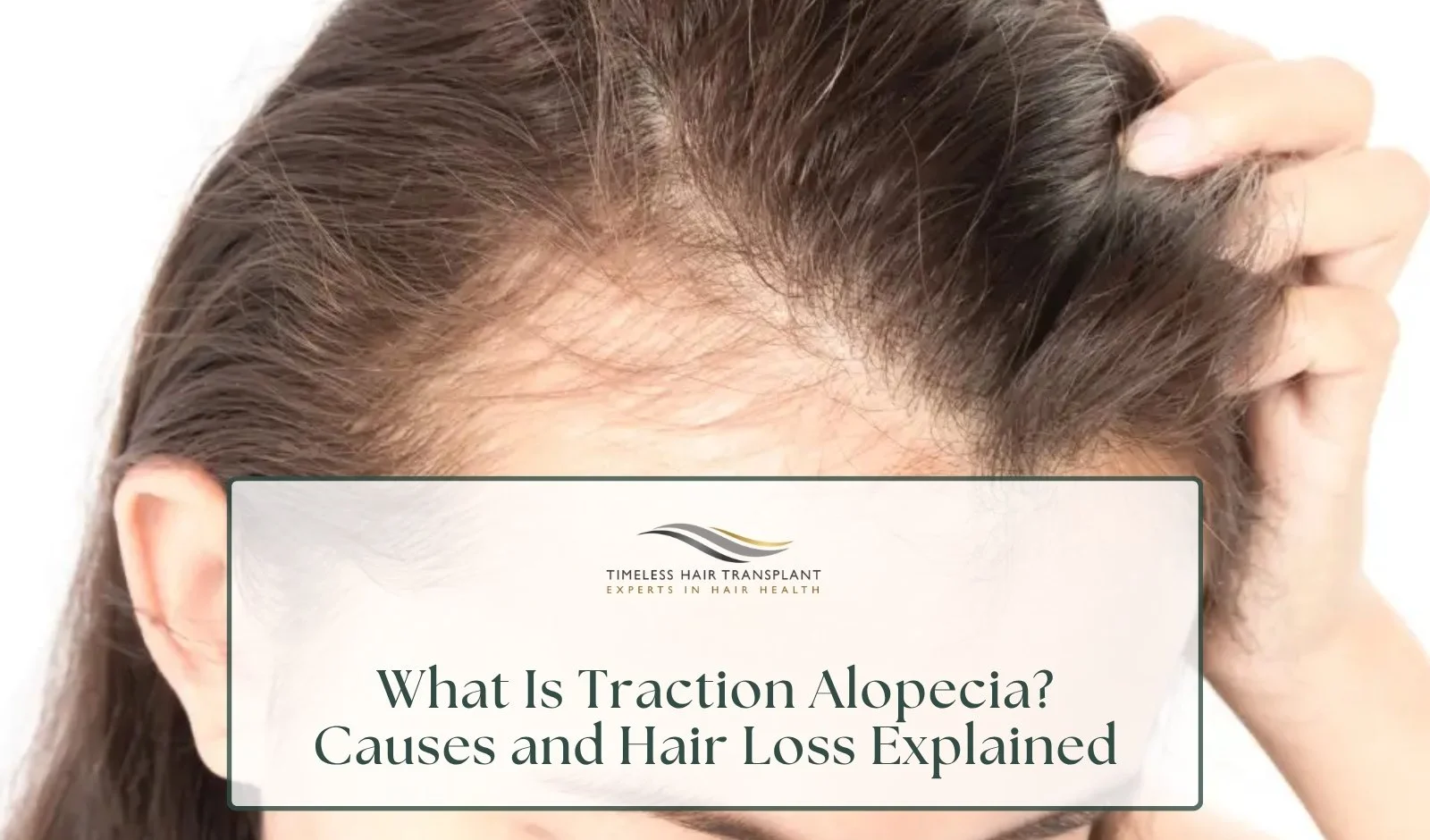
Traction alopecia is a type of hair loss caused by constant pulling on the hair over time. It often results from tight hairstyles such as tight ponytails, tight braids, or hair extensions. This repeated tension can damage the hair follicle and lead to thinning, especially along the front and side of the scalp. If not addressed early, it may result in permanent hair loss.
Key Takeaway
Traction alopecia is caused by constant pulling on the hair
Tight hairstyles are a common cause
It often affects the front and side of the scalp
Early stages may be reversible with proper care
Long-term damage can lead to permanent hair loss
Changing hair styling habits is key to prevention
Hair loss can happen for many reasons, but not all causes are related to genetics or medical conditions. One preventable form of hair loss is traction alopecia.
This condition develops gradually and is often linked to how a person wears their hair. Styles that place tension on the scalp over time can weaken the hair follicle and disrupt normal hair growth. Understanding what traction alopecia is and how it develops can help you take early steps to protect your hair and prevent long-term damage.
What Causes Traction Alopecia?
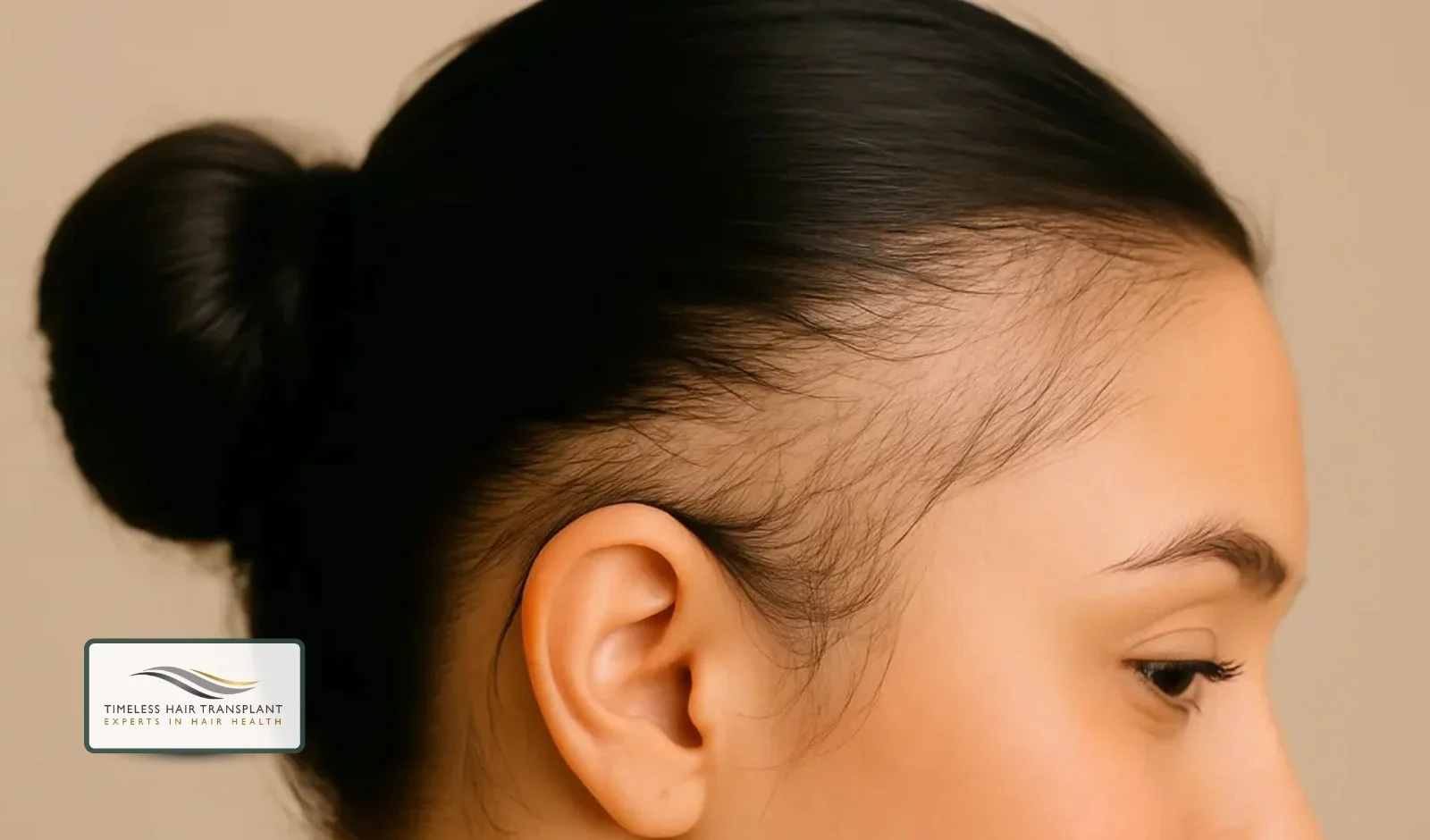
Traction alopecia is caused by repeated tension from certain hair styling practices. The main issue is constant pulling on the hair, which stresses the hair follicle over time.
Common causes include:
Tight ponytails
Tight braids
Tight buns
Hair extensions
Frequent use of hair clips that pull on the hair
When the hair is pulled too tightly for long periods, it weakens the roots and disrupts normal hair growth.
How Traction Alopecia Develops
This type of alopecia develops slowly. In the early stages, you may notice mild thinning or breakage along the hairline.
Over time, constant pulling can damage the hair follicle, making it harder for hair to grow back. If the tension continues, the damage can become permanent. This is why early recognition is important. Making changes to hair styling habits can help stop further hair loss.
Common Signs and Symptoms
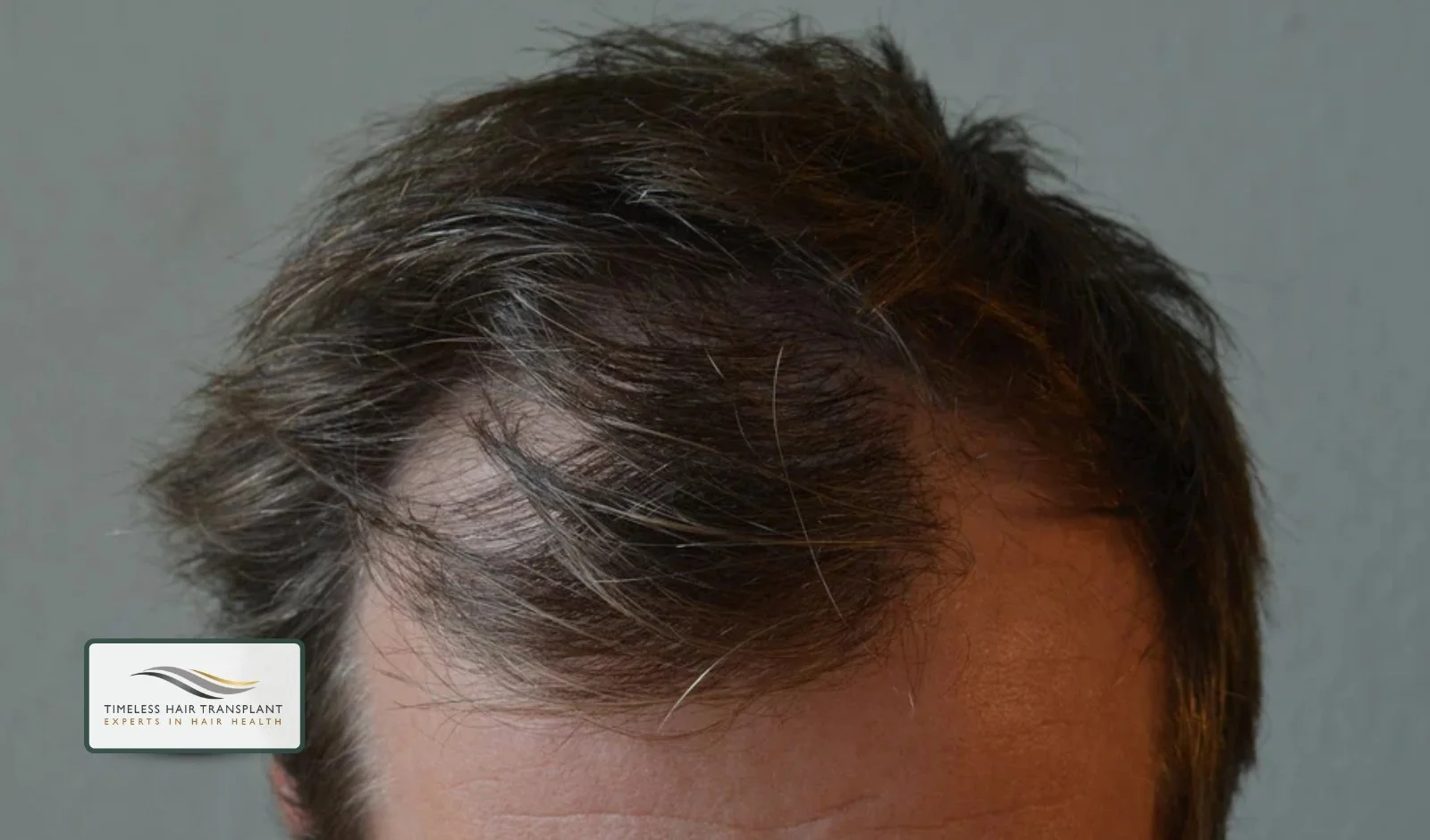
Traction alopecia often affects specific areas of the scalp, especially the front and side.
Signs may include:
Thinning hair along the hairline
Small bald patches
Hair that appears shorter or broken
Scalp tenderness or discomfort
In some cases, the scalp may feel sore due to constant tension.
Who Is at Risk?
Anyone who frequently wears tight hairstyles is at risk of developing this form of hair loss.
People with long hair or those who regularly use hair extensions may be more likely to experience traction alopecia. This condition is also common in individuals who prefer styles that require pulling the hair tightly for long periods. The way a person wears their hair plays a major role in determining risk.
Is Traction Alopecia Permanent?
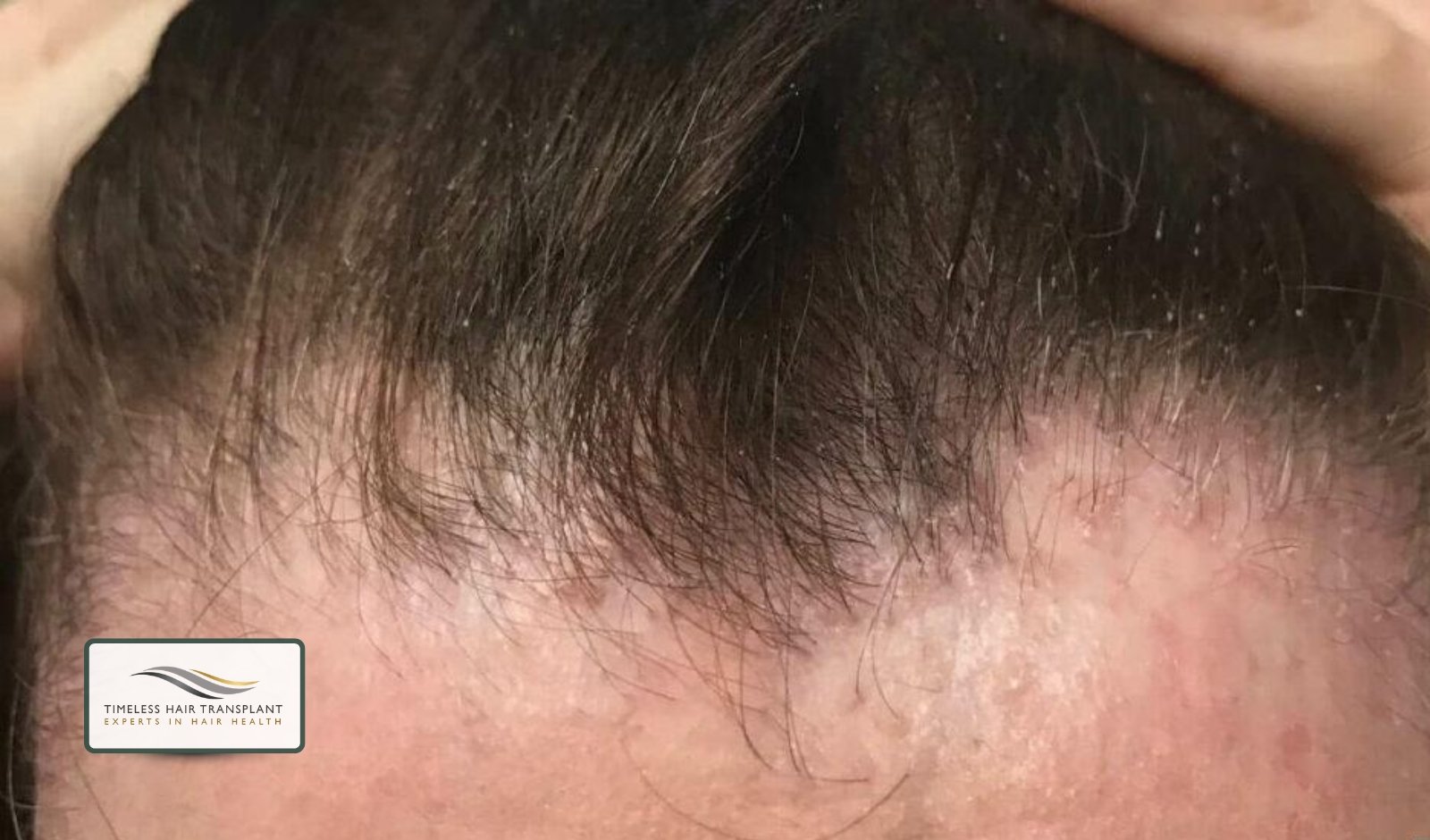
In the early stages, traction alopecia is often reversible. Once the tension on the hair is reduced, hair growth can gradually return.
However, if the condition continues for a long time, the hair follicle may become permanently damaged. This can lead to permanent hair loss in affected areas. That is why early intervention is important to protect the scalp and support recovery.
Treatment Options
Treatment for traction alopecia depends on the severity of the condition.
In many cases, simple changes can help:
Avoid tight hairstyles
Reduce pulling on the hair
Choose looser styles
Limit the use of hair extensions
For more advanced cases, medical treatments or procedures such as FUE hair transplantation may be considered to restore hair in affected areas.
Prevention Tips
Preventing traction alopecia involves making small changes to daily hair care routines.
Helpful tips include:
Avoid tight ponytails and tight buns
Give your hair regular breaks from styling
Use gentle hair accessories
Avoid excessive tension from hair clips
These steps can help protect the hair follicle and support healthy hair growth.
Other Related Conditions
Traction alopecia is one type of alopecia, but there are other forms of hair loss as well. For example, central centrifugal cicatricial alopecia is another type of alopecia that affects the scalp differently and may require medical treatment.
Understanding the difference between these conditions helps ensure proper diagnosis and care.
Final Thoughts
Traction alopecia is a preventable form of hair loss caused by repeated tension from tight hairstyles. By recognising the early signs and reducing constant pulling on the hair, you can protect your hair follicles and maintain healthy hair growth.
If left untreated, traction alopecia may lead to permanent hair loss. However, with early action and proper care, it is possible to restore hair and prevent further damage.
Protect Your Hair With Expert Guidance
If you are experiencing signs of traction alopecia or want to explore treatment options, professional advice can help.
At Timeless Hair Transplant, we assess your scalp condition and recommend personalised solutions, including advanced hair restoration options when needed. Call +44 (0) 7516294471 today or book a free consultation to protect your hair and explore effective treatment options.
Frequently Asked Questions
-
It is a form of hair loss caused by repeated tension from tight hairstyles.
-
Yes, if caught early and the tension on the hair is reduced.
-
Tight ponytails, tight braids, tight buns, and hair extensions are common causes.
-
It often affects the front and side of the scalp.
-
It can become permanent if the hair follicle is damaged over time.
-
Hair growth may return if the condition is treated early.
-
Treatment may include changing hairstyles or, in advanced cases, hair transplantation.
