
The Best Hair Transplant Method: What You Need to Know
Quick Answer
What is the best hair transplant method?
The best hair transplant method depends on your level of hair loss, donor hair availability, and long-term goals. For many patients, an FUE Hair Transplant is preferred because it is minimally invasive and offers quicker recovery. However, an FUT Hair Transplant may be more suitable for patients who require a higher number of grafts in one session.
Key Takeaway
The best hair transplant method depends on individual hair loss patterns
FUE Hair Transplant is minimally invasive and leaves no linear scar
FUT Hair Transplant can provide a higher graft yield in one procedure
Donor supply and long-term planning determine the right method
A professional consultation is essential before choosing
Intro
Choosing a hair transplant technique can feel overwhelming, especially with different options available. Each method offers distinct advantages, and the right choice depends on your hair characteristics, the extent of thinning, and your expectations for recovery and results.
Learning how each procedure works and understanding what suits your situation best can help you move forward with clarity and confidence.
Understanding the Two Main Hair Transplant Methods
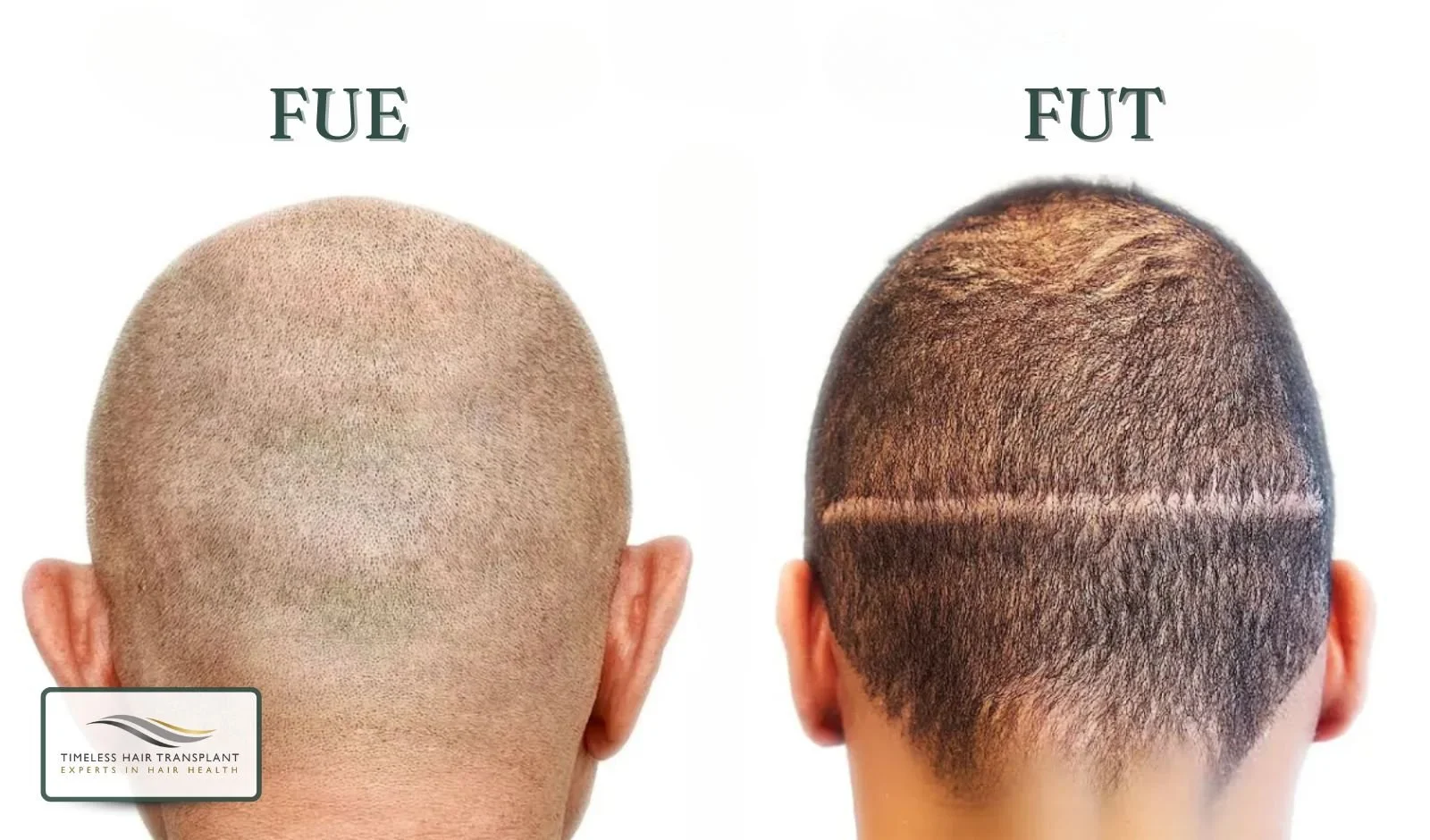
Modern hair restoration primarily involves two techniques: FUE Hair Transplant and FUT Hair Transplant. Both procedures relocate healthy hair follicles from a donor area to thinning or balding areas of the scalp. The main difference lies in how the donor hair is extracted.
FUE Hair Transplant
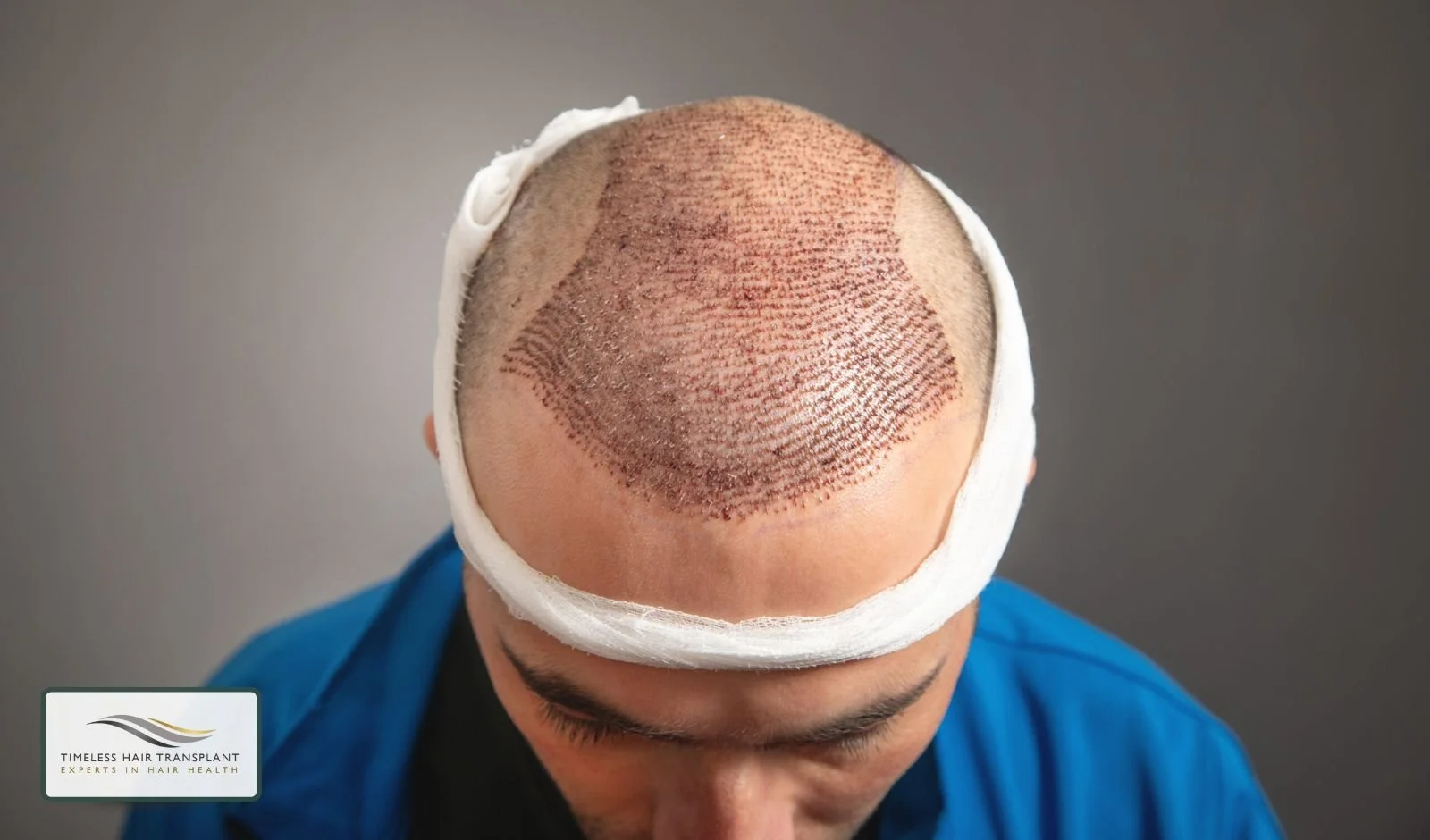
An FUE Hair Transplant involves extracting individual hair follicles directly from the donor area, typically the back or sides of the scalp. These follicles are then carefully implanted into recipient areas.
Benefits of FUE:
Minimally invasive procedure
No linear scar
Faster healing time
Suitable for patients who prefer shorter hairstyles
Because FUE does not require stitches, many patients resume normal activities relatively quickly. It is often recommended for individuals seeking a discreet recovery period.
However, patients with extensive hair loss may require multiple sessions to achieve full coverage.
FUT Hair Transplant
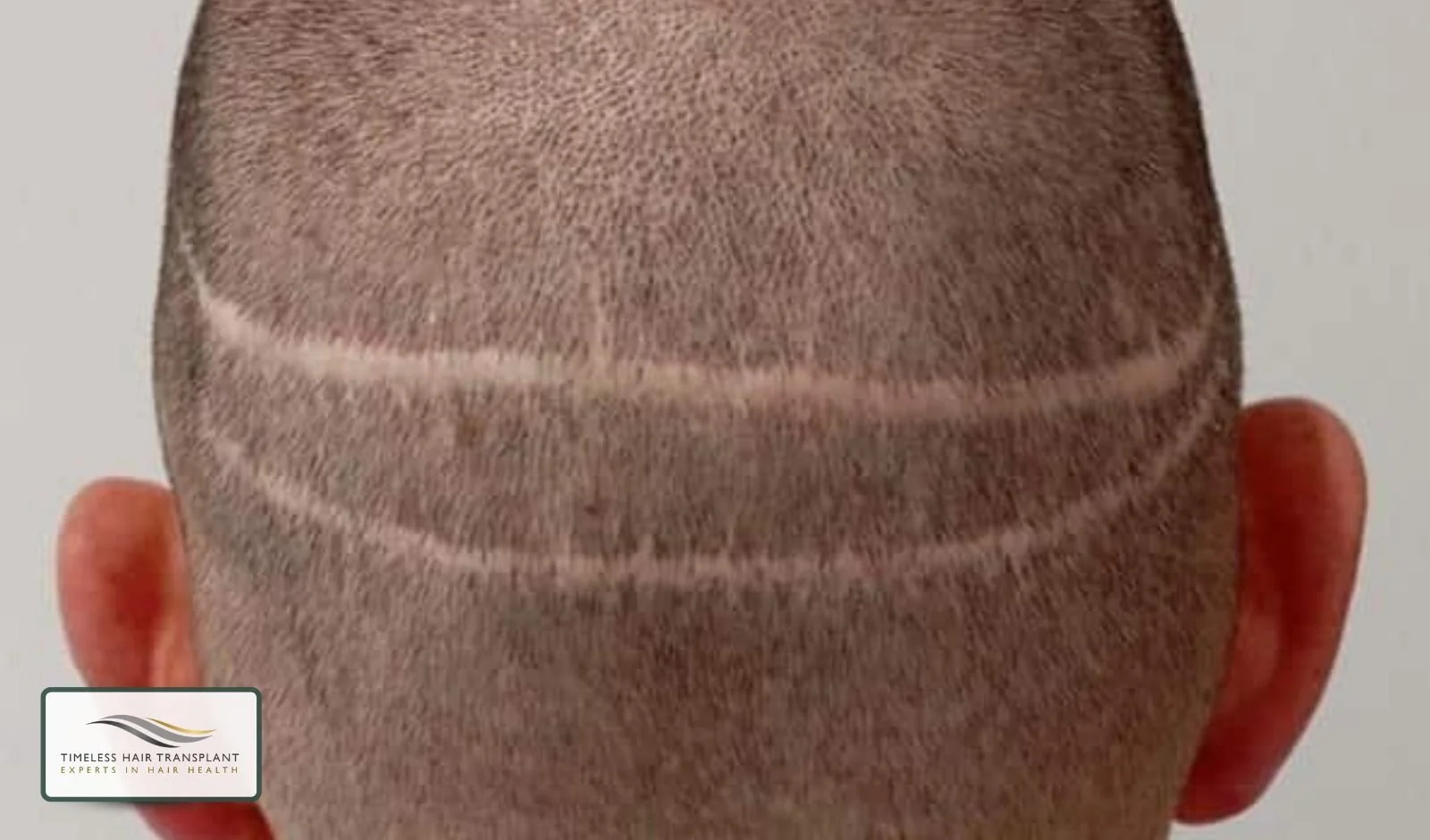
An FUT Hair Transplant, sometimes referred to as strip surgery, involves removing a small strip of scalp from the donor area. The strip is then divided into individual grafts before being transplanted into thinning areas.
Benefits of FUT:
Higher graft yield in one session
Efficient for advanced hair loss
Often more cost-effective for large procedures
FUT may be recommended for patients who require significant coverage in a single procedure. Although it leaves a linear scar, it is usually concealed beneath surrounding hair.
What Determines the Best Method for You
Several factors influence which approach may be most appropriate:
Extent of Hair Loss
Patients with mild thinning may benefit from FUE, while those with more advanced hair loss may require FUT to maximise graft numbers.
Donor Hair Density
A strong and stable donor area allows greater flexibility in choosing between techniques.
Recovery Preferences
If avoiding a linear scar is important, FUE may be preferred. If maximising graft numbers in one session is a priority, FUT may be suitable.
Long-Term Planning
Hair loss can progress over time. A carefully designed strategy ensures your results remain balanced and natural in the future.
There is no universal solution. The most effective method is the one tailored to your scalp condition and long-term goals.
Are Results Different Between FUE and FUT
Both FUE Hair Transplant and FUT Hair Transplant can produce natural-looking results when performed by an experienced surgeon. The appearance of the outcome depends more on hairline design, graft placement, and surgical precision than on the extraction method itself.
Patients often focus on the technique, but artistry and planning are equally important for achieving a natural result.
Final Thoughts
The best hair transplant method is not the same for everyone. While FUE Hair Transplant offers a minimally invasive approach with quicker recovery, FUT Hair Transplant may be better suited for patients requiring a higher number of grafts in a single session.
A personalised assessment ensures your treatment plan aligns with your level of hair loss, donor supply, and long-term expectations.
Start Your Consultation With Expert Guidance
If you are considering hair restoration and want to understand which method suits you best, professional evaluation is essential. Timeless Hair Transplant provides personalised consultations to assess your donor area and recommend the most appropriate treatment approach.
Call +44 (0) 7516294471 or book a free consultation today to explore your hair restoration options with confidence.
Frequently Asked Questions
-
The best option for me depends on my hair loss pattern, donor density, and recovery preferences. When asking what is the best method of hair transplant, I need to consider the type of hair transplant procedure, expected hair growth, and whether FUE or FUT is more suitable for my scalp.
-
If I want to reduce visible scarring, a procedure based on FUE follicular unit extraction may be the better option. Unlike FUT, which involves removing a strip of skin, FUE avoids a linear scar and typically offers shorter recovery time.
-
FUE and FUT both work well, but the choice depends on my needs. Follicular unit extraction FUE is minimally invasive, while follicular unit transplantation FUT may allow more grafts in one session. My surgeon will recommend what fits my level of hair loss.
-
An FUT procedure, also known as follicular unit transplantation FUT, often allows more grafts to be harvested at once because it involves removing a strip of skin from the donor area before extraction and implantation.
-
Yes. Both FUE and FUT can deliver natural-looking hair growth when performed correctly. Modern techniques such as using an implanter pen during the extraction and implantation stage can improve precision and overall success rate.
-
FUE and DHI are related techniques. DHI is a variation of follicular unit extraction that may use an implanter pen for direct placement, while traditional FUE separates the extraction and implantation steps.
-
The success rate depends on surgeon skill, donor quality, graft handling, and how well I follow aftercare instructions during recovery time.
