
Quick Answer
What is the best non-surgical hair loss treatment?
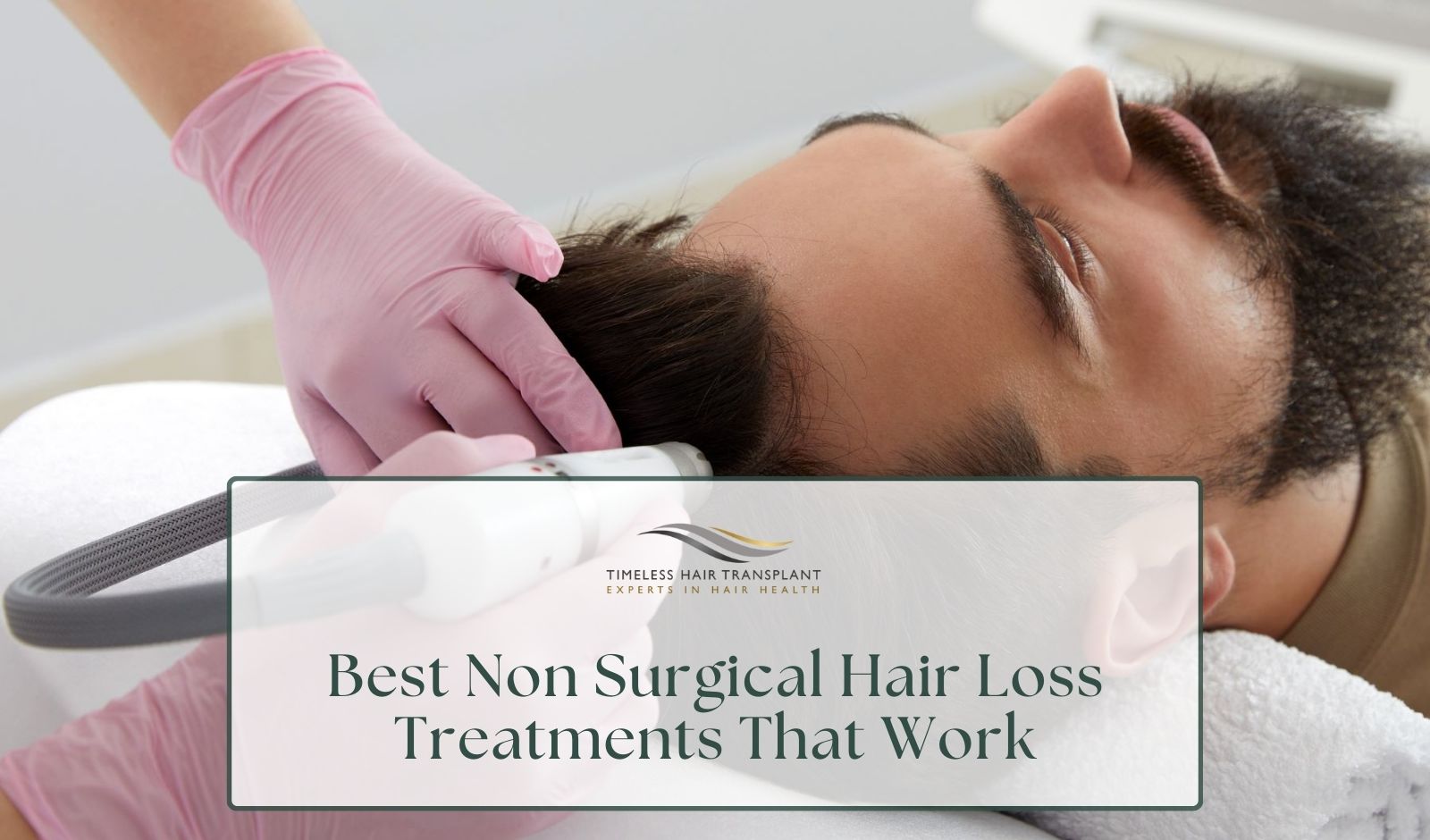
The best non-surgical hair loss treatment depends on the cause of your hair thinning. Popular options include level laser therapy LLLT, mesotherapy, scalp micropigmentation, and prescription medications. These hair loss treatments help improve blood flow, support hair regrowth, or improve the appearance of hair density without surgery.
Key Takeaway
- Non-surgical hair loss treatment options are available for men and women
- Treatments can help slow hair thinning and support healthy hair
- Many options work by improving blood circulation to the hair roots
- Level laser therapy LLLT is a popular non-invasive choice
- Mesotherapy may help support an increasing blood supply to the scalp
- Scalp micropigmentation improves the look of hair density
- Early treatment for hair loss often leads to better results
Hair loss can affect men and women at different stages of life. You may notice thinning hair, a receding hairline, or less hair density over time. For some people, this happens because of genetics, stress, female pattern baldness, or conditions like alopecia areata.
Not everyone wants surgery. The good news is that many hair loss non-surgical treatments are available to help slow hair thinning and support hair regrowth. Choosing a hair loss treatment non-surgical approach can be a safe and effective way to manage early or moderate hair loss without going through a surgical procedure.
Many of these treatments focus on improving blood flow, improving blood circulation, and strengthening the hair roots.
Understanding your type of hair and the cause of your thinning hair is the first step in choosing the right treatment for hair loss.
1. Level Laser Therapy LLLT
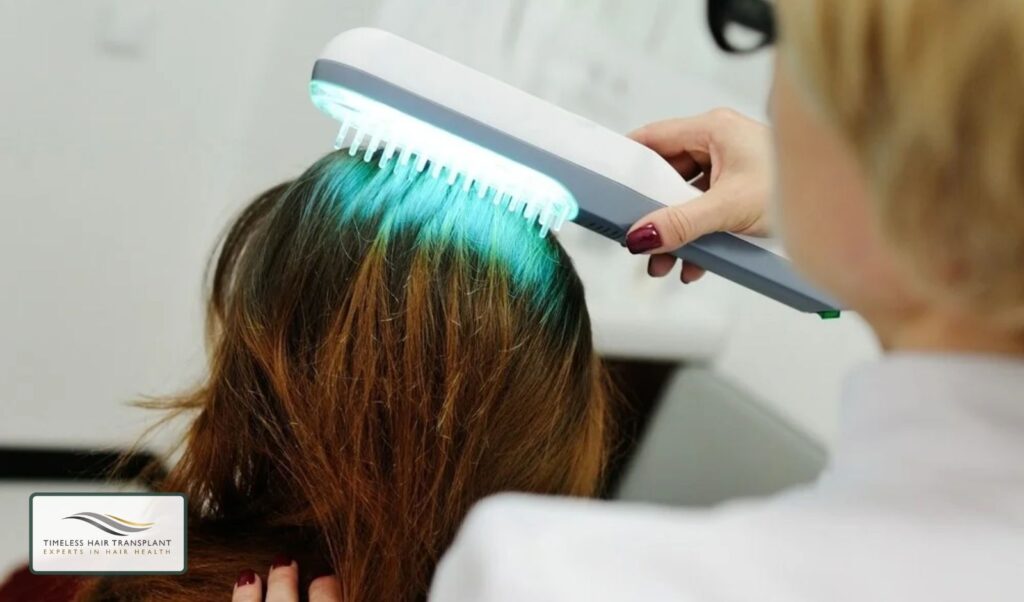
Level laser therapy LLLT is a popular non-surgical hair loss treatment that uses low-level light energy to stimulate the scalp.
It helps improve blood circulation and increase blood supply to weak hair follicles. By improving blood flow, LLLT may support hair regrowth and improve hair density over time.
LLLT devices come as laser caps or helmets. The treatment is painless, requires no downtime, and has minimal side effects, making it a convenient option for men and women.
2. Mesotherapy for Hair Loss
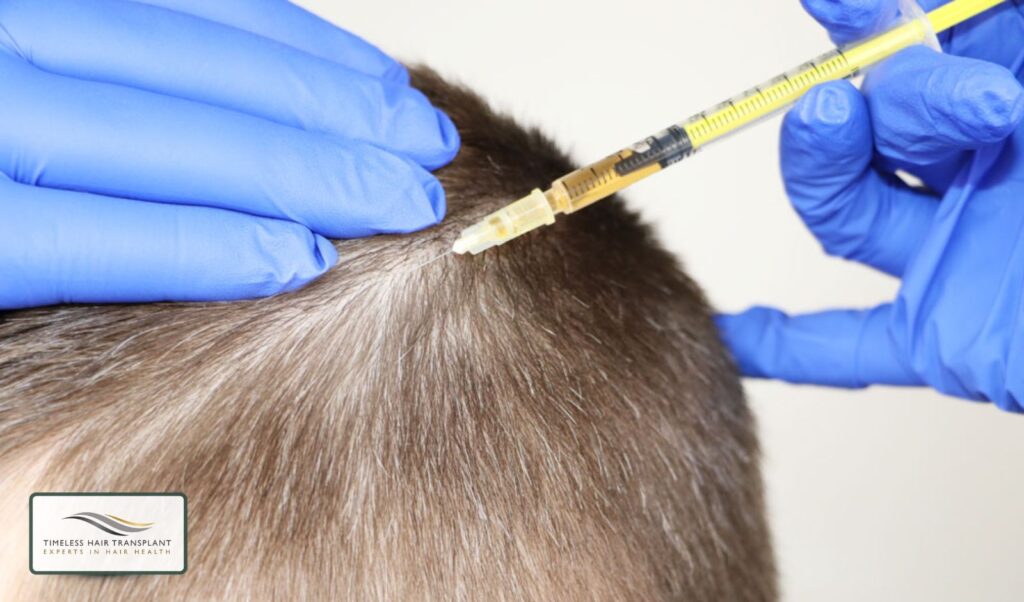
Mesotherapy is a hair loss treatment non-surgical option that involves injecting vitamins and growth-supporting ingredients into the scalp.
It helps nourish the hair roots and improve blood circulation in targeted areas. By increasing blood supply, mesotherapy may support healthy hair growth and reduce hair thinning.
Multiple sessions are usually needed. Mild redness or tenderness may occur, but serious side effects are uncommon when performed by a trained professional.
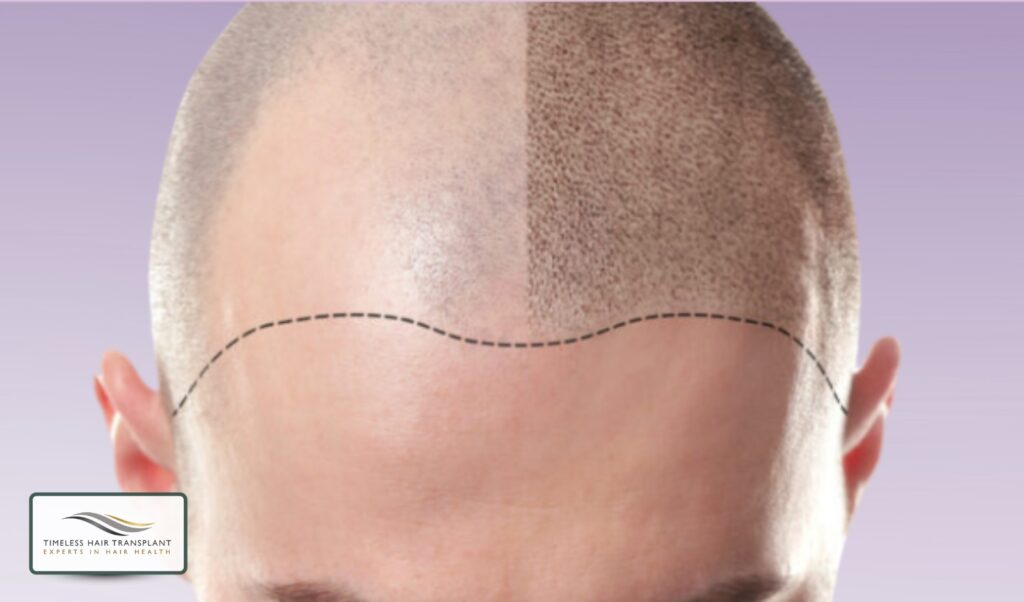
3. Scalp Micropigmentation
Scalp micropigmentation focuses on improving appearance rather than hair regrowth.
Tiny pigment deposits are placed into the scalp to create the look of natural hair follicles. This improves the appearance of fuller hair and better hair density.
It is popular among men and women who want quick visual results. While it does not treat hair roots or improve blood flow, side effects are usually mild and temporary.

4. Oral Medications
Prescription medications are another non-surgical option for treating hair loss. They work by blocking hormones that cause hair thinning.
Often used for male and female pattern baldness, these medications can help slow further thinning hair and support long-term hair regrowth.
Because side effects are possible, a medical consultation is recommended before starting treatment.
Choosing the Right Non-Surgical Treatment
The best hair loss treatment non-surgical plan depends on your hair loss pattern, type of hair, and overall health.
For example:
- Early hair thinning may respond well to LLLT or mesotherapy
- Female pattern baldness may benefit from medical guidance
- Alopecia areata may require specialist care
- Advanced thinning may benefit from non-surgical hair replacement
Many treatments focus on improving blood flow and supporting healthy blood circulation in the scalp. A professional consultation can help you choose the right treatment for hair loss based on your needs.
Final Thoughts
Hair loss can feel stressful, but surgery is not your only option. Many hair loss non-surgical treatments can help slow hair thinning and improve the appearance of hair density.
Whether you choose level laser therapy LLLT, mesotherapy, scalp micropigmentation, or medication, starting early often leads to better outcomes.
The right hair loss treatment non-surgical option depends on the cause, your expectations, and your health. Getting expert advice ensures you choose the safest and most effective plan.
Take the First Step Toward Hair Confidence
If you are exploring the best non-surgical hair loss treatment, expert guidance makes a difference.
At Timeless Hair Transplant, we assess your hair type, scalp health, and level of hair thinning to recommend the most suitable non-surgical options.
Call +441895248415 today to learn more or book a free consultation to discuss your personalised treatment plan.
Frequently Asked Questions
What is the best non-surgical hair loss treatment for me?
The best option for me depends on the cause of my hair thinning. LLLT, mesotherapy, scalp micropigmentation, or medication may be recommended.
Do non-surgical hair loss treatments work?
Yes. Many men and women see improved hair density and reduced thinning hair with consistent treatment.
Are there side effects with non-surgical treatments?
Some treatments may cause mild side effects like redness or scalp tenderness. A professional consultation helps reduce risks.
How long does it take to see hair regrowth?
Most treatments require three to six months before noticeable improvement.
Can women use non-surgical hair loss treatments?
Yes. Many non-surgical hair loss treatments are suitable for women, especially those with female pattern baldness.
Does scalp micropigmentation grow new hair?
No. It improves the appearance of hair density but does not stimulate hair roots.
How do I know which treatment for hair loss is right for me?
A professional consultation is the best way to identify the cause of your hair loss and determine the most suitable treatment plan. At Timeless Hair Transplant, a personalised assessment helps ensure your treatment is tailored to your hair type, scalp condition, and long-term goals.