
Cause of Traction Alopecia: What Leads to Hair Loss
Quick Answer
What causes traction alopecia?
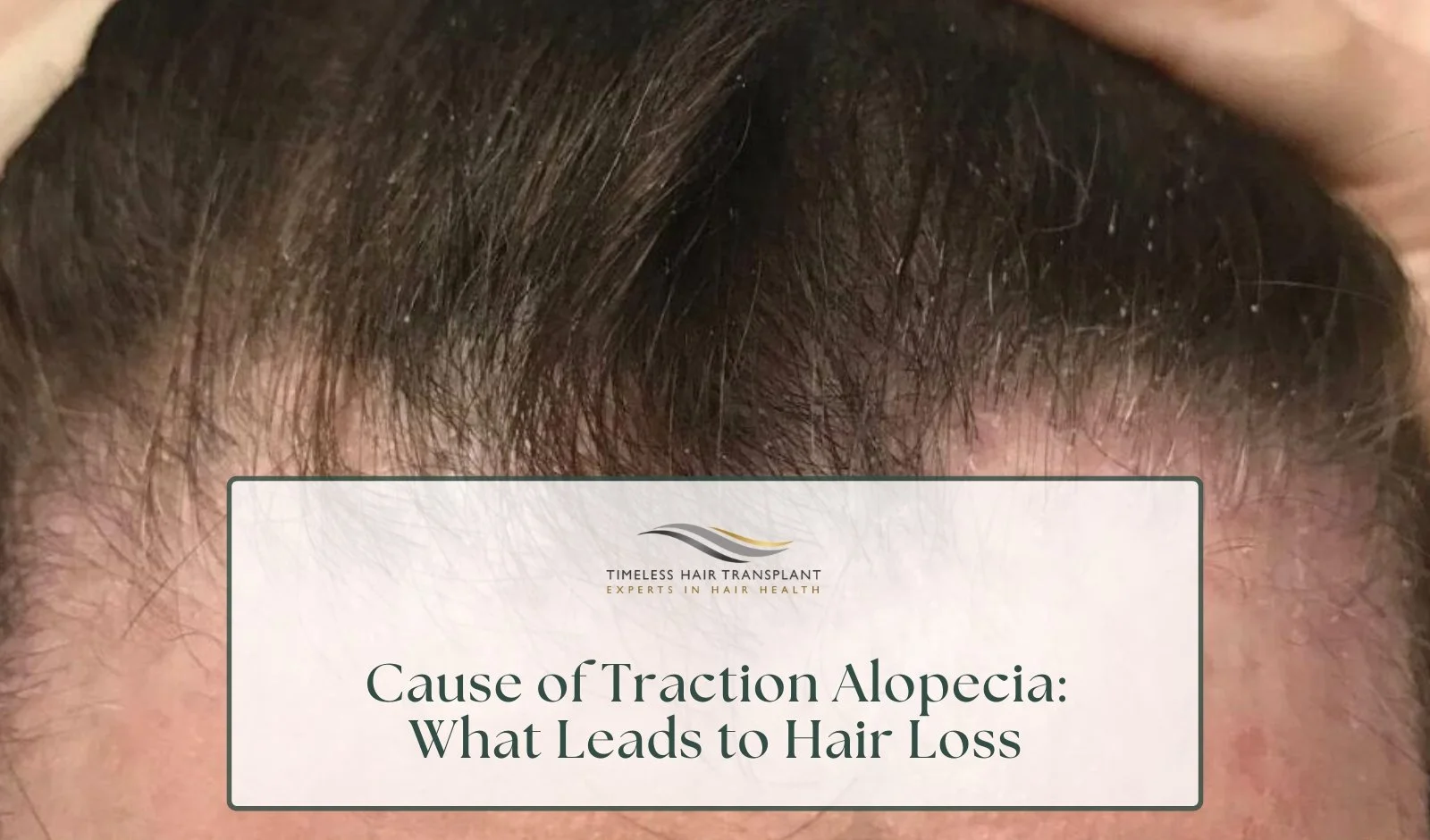
The main cause of traction alopecia is repeated tension on the hair over a long period of time. Wearing tight hairstyles such as tight ponytails, tight braids, or tight buns puts stress on the hair follicles and hair shafts. Over time, this constant pulling can lead to broken hairs, thinning, and patches of hair loss. If not addressed early, it may develop into permanent hair loss.
Key Takeaway
Traction alopecia is a type of hair loss caused by constant pulling
Tight hairstyles are the most common cause
Hair follicles become damaged over time
Early stages may allow hair regrowth
Long-term tension can lead to permanent hair loss
Changing hairstyles can help prevent further damage
Hair loss can happen for many reasons, and not all cases are linked to genetics or medical conditions. One preventable type of hair loss is traction alopecia, which develops gradually due to repeated tension on the hair and scalp.
Many people may not notice the damage until thinning or bald patches appear. Understanding the causes of traction alopecia can help with early prevention and treatment, reducing further damage and supporting healthy hair regrowth.
What Is Traction Alopecia?
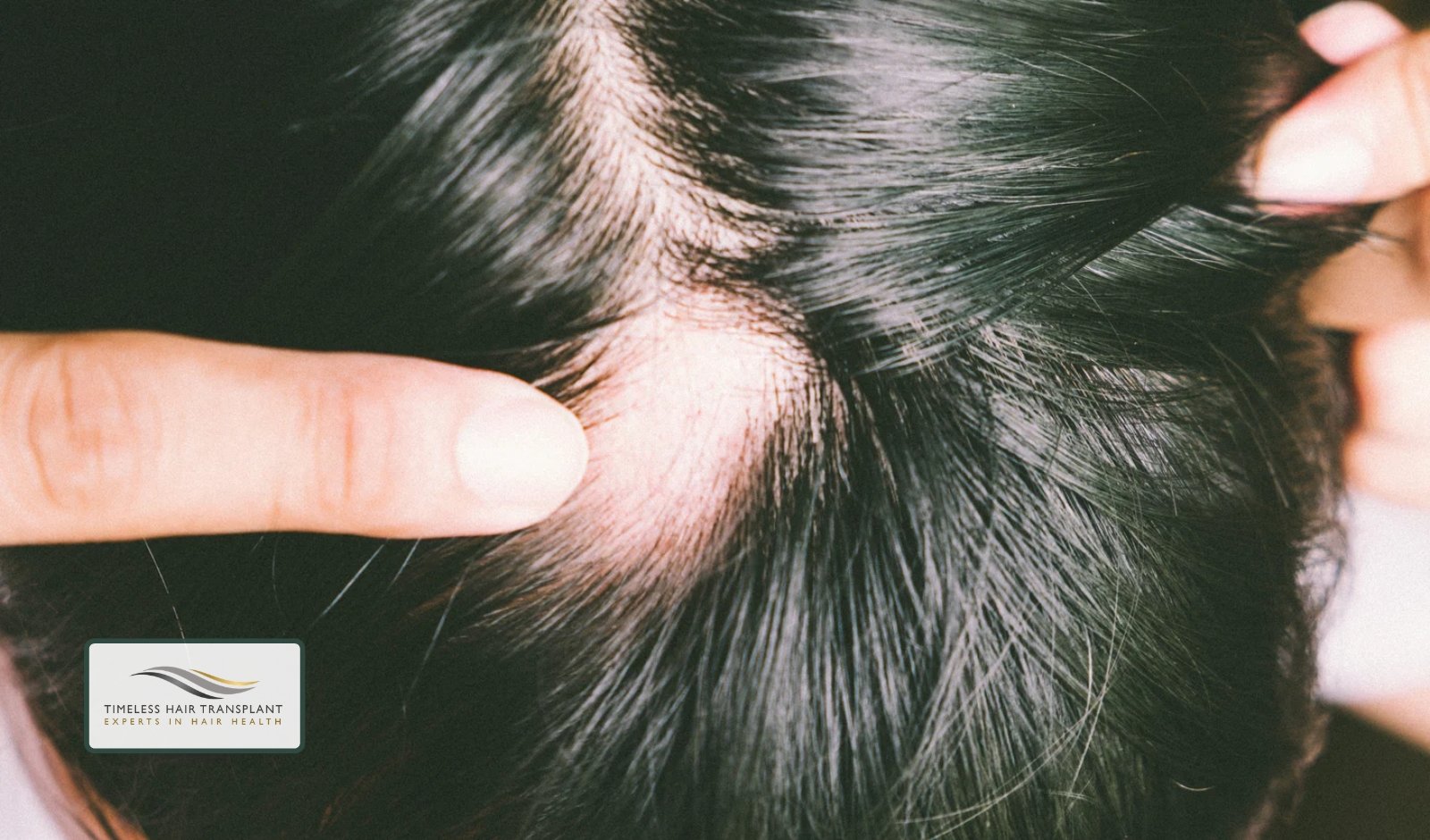
Traction alopecia is a type of hair loss caused by repeated tension on the hair follicles. The term alopecia refers to hair loss that can occur for various reasons, but traction alopecia is specifically linked to external pulling forces.
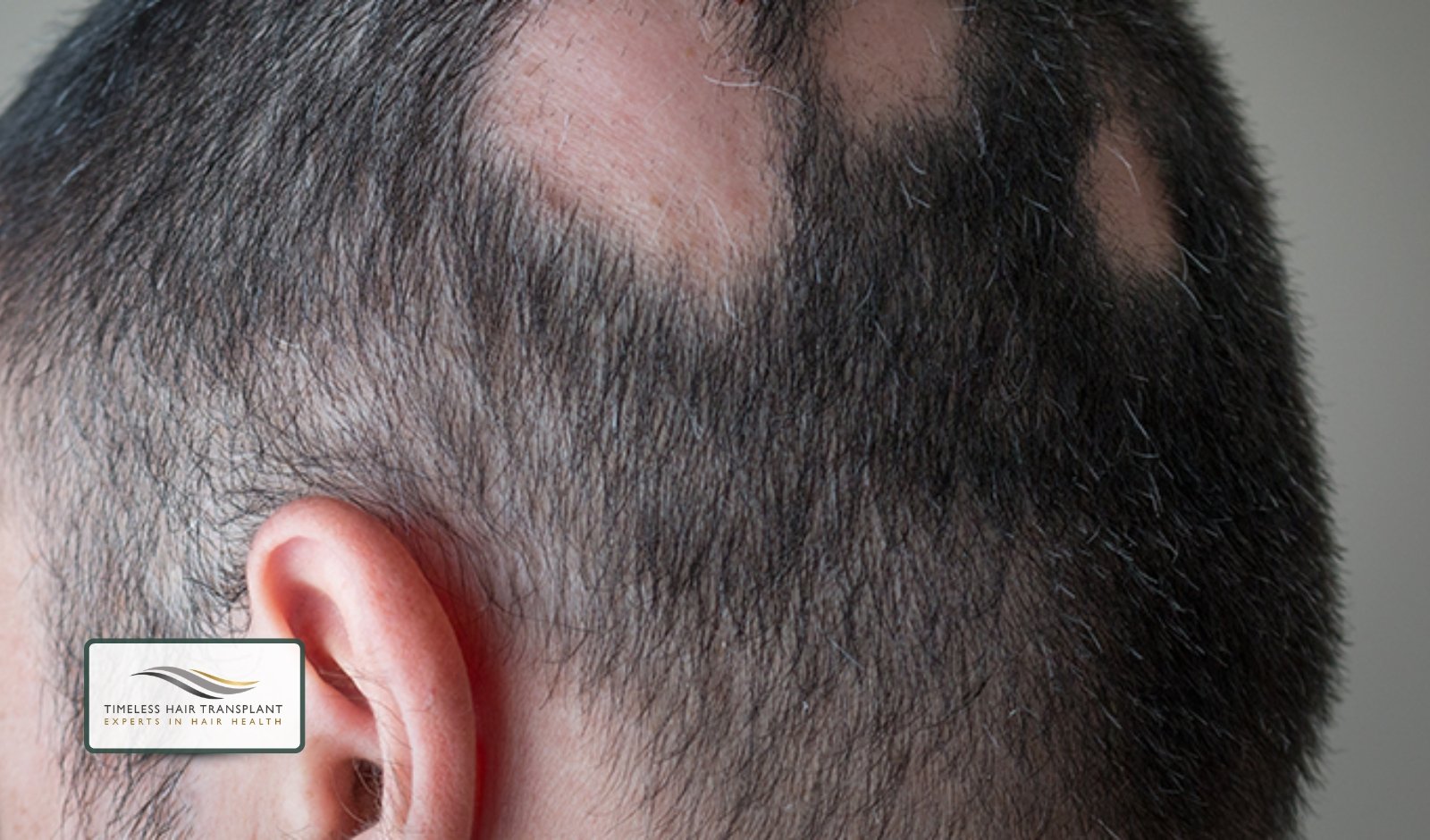
Unlike conditions such as alopecia areata, which is caused by immune system activity, traction alopecia results from physical stress placed on the hair.
Main Causes of Traction Alopecia
Tight Hairstyles
One of the most common causes is wearing tight hairstyles for extended periods.
Examples include:
Tight ponytails
Tight braids
Tight buns
These styles place constant stress on the scalp and weaken hair follicles over time.
Constant Pulling Over Time
Traction alopecia does not happen overnight. It develops over a long period of time due to repeated tension.
The more often the hair is pulled tightly, the greater the risk of damage to the hair follicles.
Hair Extensions and Styling Practices
Hair extensions can add weight to the hair, increasing tension on the scalp. Combined with tight styling, this can accelerate hair loss.
Frequent styling practices that involve pulling on the hair can also contribute to broken hair and weakened roots.
Chemical Treatments
Chemical relaxers and similar treatments can weaken the hair shafts. When combined with tight hairstyles, the risk of damage increases.
Weakened hair is more likely to break, contributing to patches of hair loss.
Who Is at Risk?
Anyone who regularly wears tight hairstyles may develop traction alopecia.
Certain groups may be more affected due to cultural or styling practices. For example:
Individuals with long hair who wear their hair tightly
People who frequently wear braids or extensions
Sikh men who tie their hair in tight styles for long periods
These habits increase the likelihood of developing traction alopecia.
Signs and Symptoms
Traction alopecia often begins with subtle signs.
Common symptoms include:
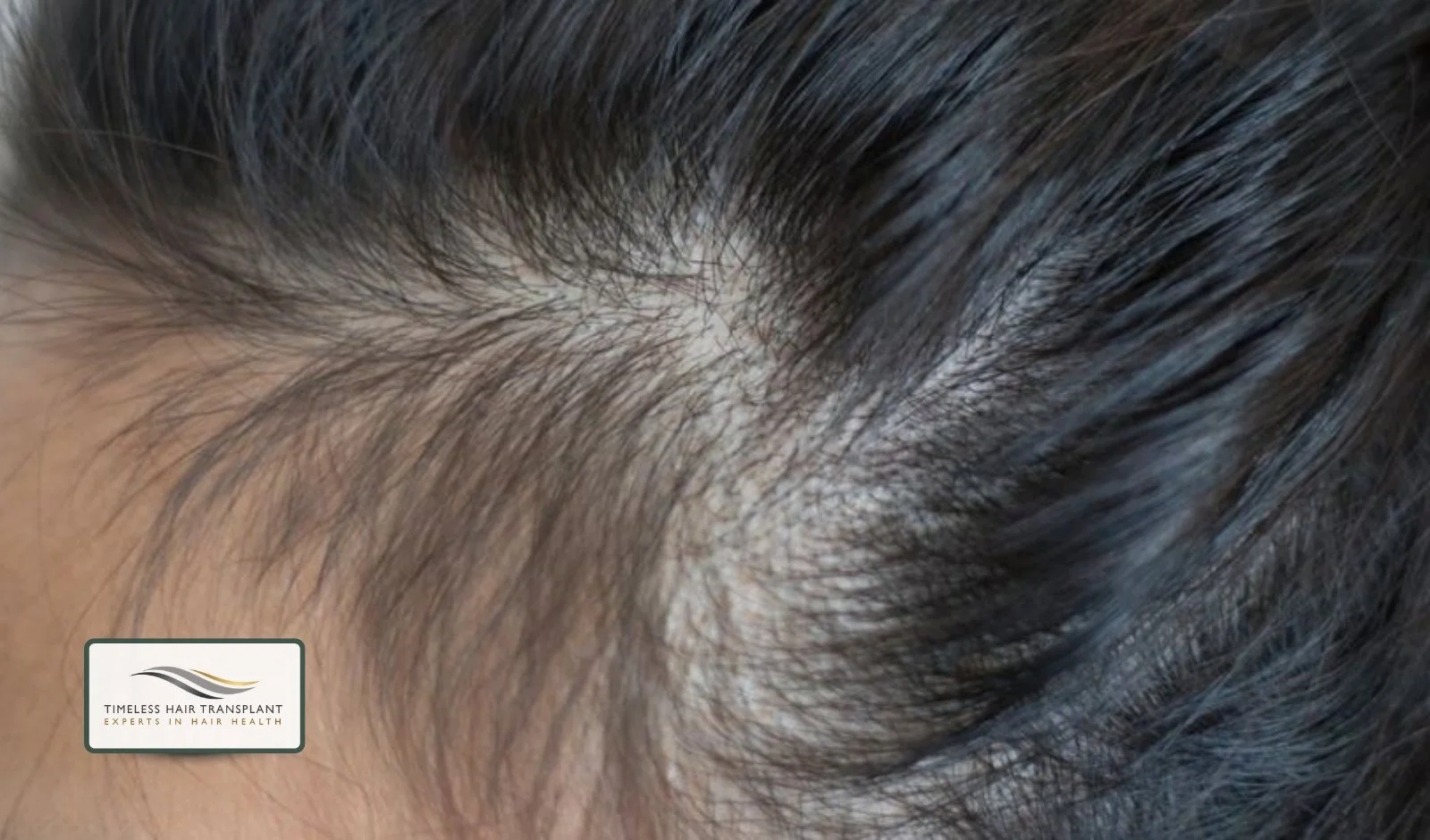
Broken hairs around the hairline
Thinning hair in affected areas
Small patches of hair loss
Scalp discomfort or tenderness
Over time, these symptoms may become more noticeable.
How Hair Follicles Are Affected
The hair follicles are responsible for producing new hair. When they are repeatedly stressed, they can become damaged.
In the early stages, follicles may recover if tension is reduced. However, prolonged stress can lead to permanent damage, making hair regrowth difficult.
Can Hair Grow Back?
Hair regrowth is possible if traction alopecia is identified early. Reducing tension on the hair and avoiding tight hairstyles can help the hair follicles recover and support healthy regrowth.
However, if the condition has been present for a long time, regrowth may be limited. In more severe cases, treatments such as hair transplant procedures may be considered.
Prevention Tips
Preventing traction alopecia involves changing daily hair habits.
Helpful steps include:
Avoid wearing tight hairstyles
Limit the use of extensions
Reduce tension on the scalp
Use gentle hair styling techniques
These changes help protect hair follicles and support long-term hair health.
When to Seek Professional Help
If you notice ongoing hair thinning or patches of hair loss, it may be time to consult a specialist.
A professional can:
Identify the cause of hair loss
Recommend treatment options
Monitor progress
Early intervention improves the chances of hair regrowth.
Final Thoughts
Traction alopecia is mainly caused by repeated tension from tight hairstyles and constant pulling on the hair. Although this type of hair loss is preventable, it can become permanent if it is not addressed early.
Recognising the signs and changing certain hair styling habits can help protect the hair follicles and reduce further damage. With proper care and early treatment, it is possible to support healthier hair regrowth.
Restore Your Confidence With Expert Hair Loss Support
If you are noticing signs of traction alopecia, early treatment can help prevent further hair loss and improve the chances of healthy regrowth. Professional advice can help you understand the condition and explore the most suitable treatment options for your needs.
At Timeless Hair Transplant, we provide personalised assessments and advanced hair restoration solutions tailored to your hair and scalp condition. Call +44 (0) 7516294471 today or book your free consultation to take the first step towards healthier, fuller-looking hair.
Frequently Asked Questions
-
The main cause is repeated tension on the hair from tight hairstyles.
-
Yes, tight ponytails can stress hair follicles and lead to traction alopecia.
-
It can become permanent if not treated early.
-
Hair regrowth is possible if the condition is caught early.
-
People who frequently wear tight hairstyles or use extensions.
-
Avoid tight hairstyles and reduce tension on the scalp.
-
No, alopecia areata is caused by immune factors, while traction alopecia is caused by physical tension.
-
If hair loss continues or worsens over time.
