
How to Remove Scabs After a Hair Transplant Safely
Quick Answer
How do you remove scabs after a hair transplant?
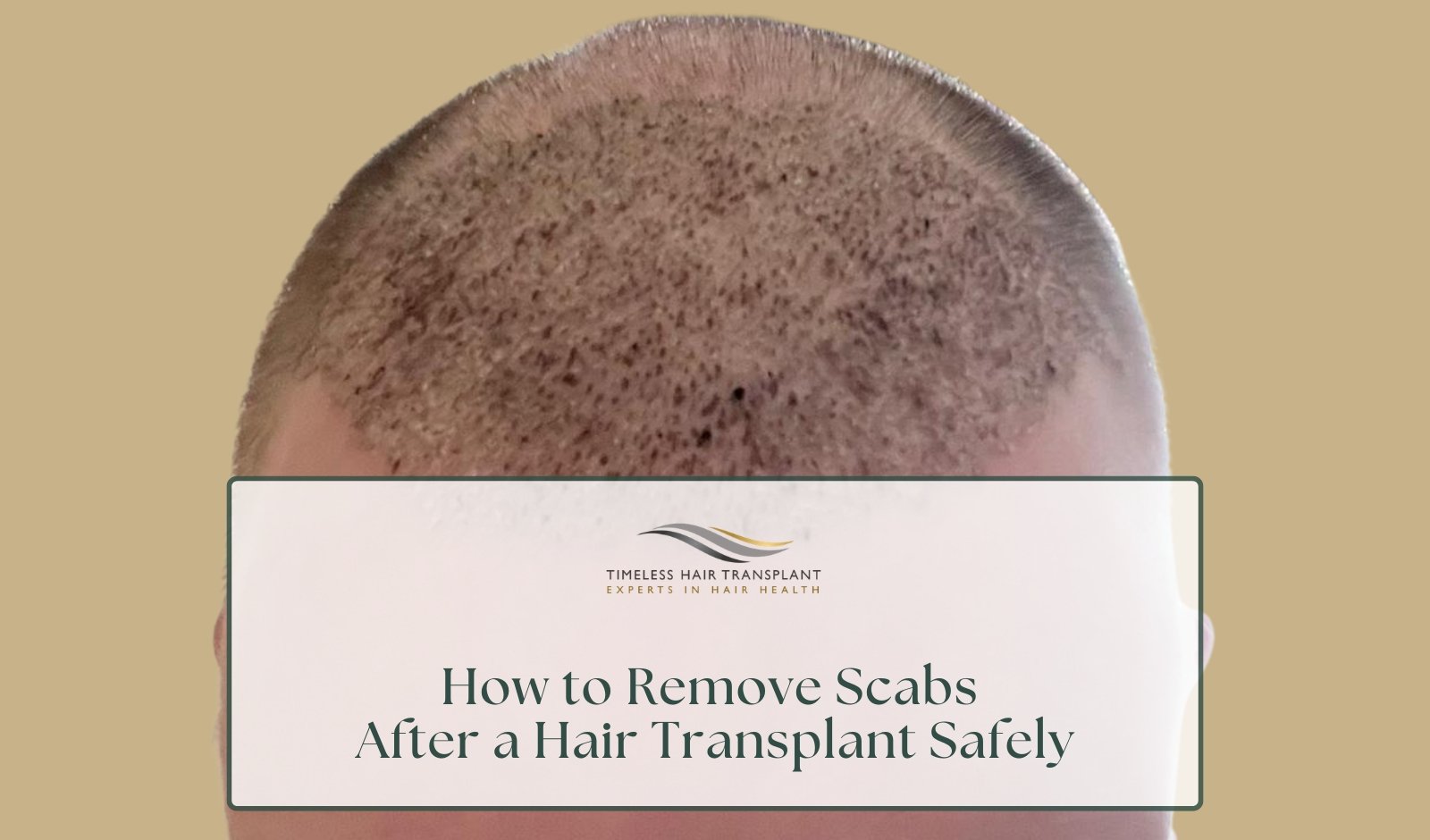
Scabs after a hair transplant should be removed gently during the healing process, usually after several days, once the hair grafts become more secure. The best way to remove scabs after hair transplant procedures is through gentle washing with lukewarm water and carefully softening the scabs before they fall off naturally. Avoid rubbing or picking at the recipient area, as this may damage hair grafts and affect hair growth.
Key Takeaway
Scabs form naturally after hair transplant surgery
Gentle washing helps soften the scabs safely
Avoid rubbing or scratching the recipient area
Most scabs fall off within 7 to 14 days
Proper scab removal supports healthy hair growth
Picking scabs too early may damage hair grafts
Scab formation is a normal part of hair transplant recovery. After hair transplant surgery, tiny incisions are made in the recipient area and donor area to place hair grafts. As the skin heals, small scabs form around the grafts as part of the body’s natural healing response.
Many patients become concerned when they notice visible scabs after a hair transplant. Some may wonder if they should remove them or allow them to fall off naturally. Understanding the proper way to manage scabs is important because incorrect handling can interfere with healing and affect the final results.
Learning how to remove scabs after hair transplant procedures safely can help protect the transplanted hair and support a smoother recovery.
Why Do Scabs Form After Hair Transplant Surgery?
Scabs form because the scalp is healing after the procedure. During hair transplant procedures, tiny incisions are created to place grafts into the scalp.
As healing begins:
Small blood clot formation occurs
The skin protects the grafted area
Scab formation helps shield healing tissue
These scabs are temporary and are a normal part of hair transplant recovery.
Are Scabs After a Hair Transplant Normal?
Yes, scabs after a hair transplant are completely normal.
Most patients experience:
Small crusts around hair grafts
Mild redness
Tightness in the scalp
Scabs are part of the healing process and usually improve within 7 to 14 days.
When Should Scab Removal Begin?
Scab removal should not begin immediately after surgery.
In the first few days:
Hair grafts are delicate
The recipient area is sensitive
The grafts need time to anchor securely
Most hair transplant clinics recommend waiting several days before attempting to soften the scabs by washing your hair. The exact timing may vary depending on your clinic’s aftercare instructions.
Best Way to Remove Scabs After Hair Transplant
The safest approach is gradual and gentle.
Step 1: Use Lukewarm Water
Start by washing your hair with lukewarm water. Avoid hot water because it may irritate the scalp. Lukewarm water helps soften the scabs naturally.
Step 2: Gentle Washing
Use gentle washing techniques recommended by your clinic.
This usually involves:
Applying shampoo softly
Avoiding pressure on the scalp
Cleaning the recipient area carefully
Do not scrub the scalp aggressively.
Step 3: Soften the Scabs
Allow water and shampoo to sit briefly on the scalp to soften the scabs. Softening the scabs helps them loosen naturally without damaging grafts.
Step 4: Gently Pat the Scalp
After washing your hair, gently pat the scalp dry using a clean towel. Avoid rubbing the scalp because this can disturb hair grafts.
Why You Should Avoid Picking Scabs
Picking or scratching scabs can be harmful during hair transplant recovery.
This may:
Damage to transplanted grafts
Increase irritation
Slow the healing process
Affect hair growth results
Allowing scabs to fall off naturally is the safest approach.
What Happens if Scabs Are Removed Too Early?
Removing scabs too early may disturb healing tissue and transplanted hair.
Possible problems include:
Dislodged hair grafts
Increased redness
Bleeding
Higher risk of infection
This is why careful scab removal is important.
How Long Do Scabs Last?
Most scabs after a hair transplant begin falling off within 7 to 14 days.
The timeline depends on:
Individual healing
Size of the procedure
Quality of aftercare
Some patients heal faster than others, but gradual improvement is expected.
Signs the Scalp Is Healing Properly
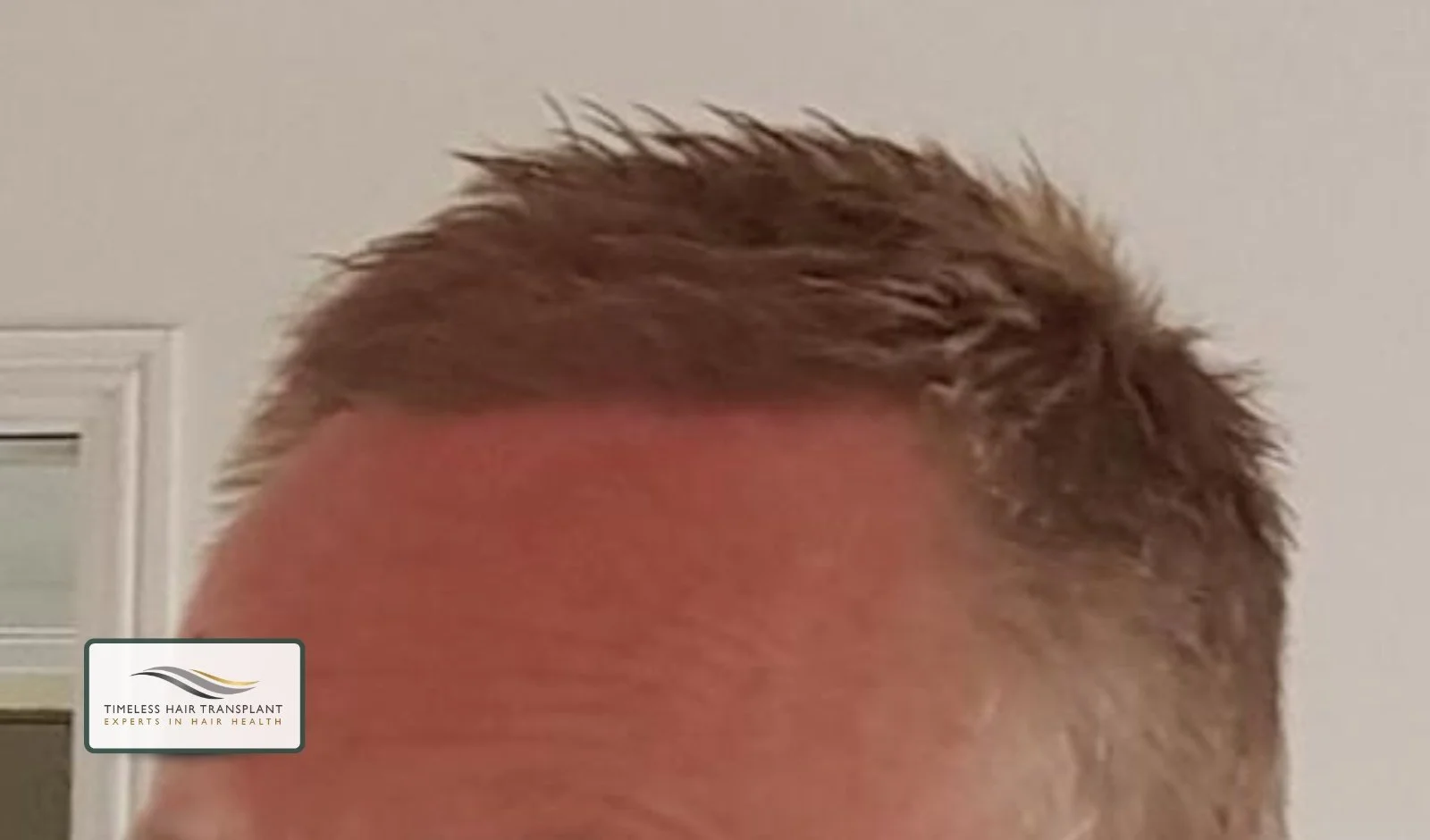
Healthy healing usually includes:
Reduced redness
Scabs loosening naturally
Minimal discomfort
Improved appearance of the scalp
These signs indicate that the recipient area is recovering normally.
What About the Donor Area?
The donor area also forms small scabs during healing. Gentle washing is equally important in this area to support proper recovery and reduce irritation.
The donor area typically heals slightly faster than the recipient area.
Common Mistakes During Scab Removal
Patients sometimes make mistakes that slow healing.
Common mistakes include:
Scratching the scalp
Using fingernails to remove scabs
Applying excessive pressure
Washing too aggressively
Avoiding these habits helps protect transplanted hair.
How Proper Scab Removal Supports Hair Growth
Safe scab removal helps maintain a healthy environment for hair growth.
When grafts remain secure:
Hair follicles settle properly
The scalp heals more efficiently
Long-term results improve
Proper aftercare is essential for successful recovery.
When to Contact Your Hair Transplant Clinic
You should contact your hair transplant clinic if you notice:
Severe redness
Swelling that worsens
Pain or unusual discharge
Persistent bleeding
These symptoms may require medical attention.
Long-Term Recovery After Scabs Fall Off
Once scabs fall off, the scalp continues healing beneath the surface.
Patients may still experience:
Mild redness
Temporary shedding
Early stages of hair growth
Full hair growth develops gradually over several months.
Final Thoughts
After a hair transplant, removing scabs should be handled carefully.
The best way to remove scabs after hair transplant procedures is to gently wash with lukewarm water and allow the scabs to soften and fall away naturally. Avoid rubbing, scratching, or picking at the recipient area, as this can damage hair grafts and affect recovery. With proper aftercare and patience, the scalp heals gradually, supporting healthy hair growth and long-term results.
Support Your Hair Transplant Recovery
If you have questions about hair transplant recovery or want expert guidance on aftercare, professional support can help protect your results.
At Timeless Hair Transplant, we provide detailed aftercare instructions and personalised support throughout the healing process. Call +44 (0) 7516294471 today or book a free consultation to learn more about hair transplant recovery and long-term hair restoration.
Frequently Asked Questions
-
Most patients can begin gentle washing and softening of scabs several days after the procedure, depending on the instructions provided by their hair transplant clinic. During the early stages of recovery, the hair grafts are still settling into the scalp, so it is important not to disturb them too soon. Always follow your clinic’s recommended timeline to protect the transplanted area and support proper healing.
-
The safest method is gentle washing using lukewarm water and mild shampoo recommended by your clinic. Allowing the water and shampoo to soften the scabs naturally helps them loosen over time without damaging the grafts. Avoid rubbing, scratching, or forcing the scabs off, as this may interfere with hair transplant recovery and affect hair growth results.
-
Yes, scab formation is a completely normal part of the healing process after hair transplant procedures. Small scabs form around the tiny incisions made during surgery as the scalp heals and protects the transplanted grafts. These scabs are temporary and usually improve gradually during the first couple of weeks after the procedure.
-
Yes, picking scabs can damage or dislodge hair grafts before they become fully secure in the scalp. This may increase irritation, slow the healing process, and affect the final hair growth results. Allowing scabs to fall off naturally is the safest way to protect transplanted follicles and support healthy recovery.
-
Most scabs begin to loosen and fall off naturally within 7 to 14 days after surgery. The exact healing timeline varies depending on the size of the procedure, individual recovery speed, and how well aftercare instructions are followed. Gradual improvement during this period is considered normal.
-
No, the scalp should not be rubbed during the early stages of hair transplant recovery. Aggressive washing can disturb hair grafts and irritate the recipient area. Instead, use gentle washing techniques and carefully pat the scalp when drying to protect the transplanted follicles.
-
Lukewarm water is recommended because it helps soften the scabs without irritating the scalp or affecting the healing process. Hot water may increase sensitivity or redness, while very cold water may not clean the area effectively. Using lukewarm water supports gentle and safe washing during recovery.
-
Yes, small scabs can develop in both the donor area and the recipient area after hair transplant surgery. The donor area heals from the extraction of hair grafts, while the recipient area heals from graft placement. Gentle care and proper washing are important for both areas to support healthy recovery.
-
Minor spotting may occasionally happen during recovery, but persistent bleeding or severe irritation should not be ignored. If scabs bleed repeatedly or you notice pain, swelling, or unusual discharge, contact your hair transplant clinic for advice. Early guidance can help prevent complications and protect the healing grafts.
-
Yes, proper scab removal and aftercare help create a healthy environment for transplanted hair follicles. Gentle washing and avoiding irritation allow the grafts to settle securely into the scalp, which supports healthy hair growth and improves long-term results. Proper recovery care plays an important role in the success of hair transplant procedures.
