
Do Women Have to Shave Their Heads for a Hair Transplant?

Quick Answer
Can women get a hair transplant without shaving their heads?
Yes, women do not always need to shave their heads for a hair transplant. In many cases, hair transplant for women without shaving is possible using techniques such as follicular unit extraction FUE or partial shave methods. The exact approach depends on the type of hair loss, the number of hair grafts needed, and the recommendation of the hair transplant surgeon. Unshaven hair transplants are designed to preserve existing hair while allowing the procedure to be performed more discreetly.
Key Takeaway
Women do not always need to shave their heads for a hair transplant
Hair transplant without shaving is possible in many cases
Partial shave techniques help preserve existing hair
FUE hair transplant methods are commonly used for unshaven procedures
The best approach depends on the type of hair loss and donor hair availability
A consultation helps determine the most suitable treatment option
Hair loss can be a sensitive concern for many women, especially when thinning hair begins to affect confidence and everyday life. While hair transplantation surgery has become more common among female patients, many women hesitate to explore treatment because they worry they will need to shave their heads completely.
The good news is that modern techniques now make hair transplants for women without shaving possible in many cases. Options such as partial shave methods and unshaven hair transplants allow women to maintain much of their existing hair during recovery while still achieving natural-looking results. Understanding how these procedures work can help women feel more comfortable exploring treatment for hair loss and thinning hair.
Why Hair Shaving Is Sometimes Used in Hair Transplants
During some types of hair transplant procedures, shaving is used to improve visibility and access for the surgeon.
Shaving may help:
Improve placement accuracy
Allow easier extraction of donor hair
Keep the recipient area cleaner during the procedure
However, shaving the entire scalp is not always necessary, especially for women with longer existing hair.
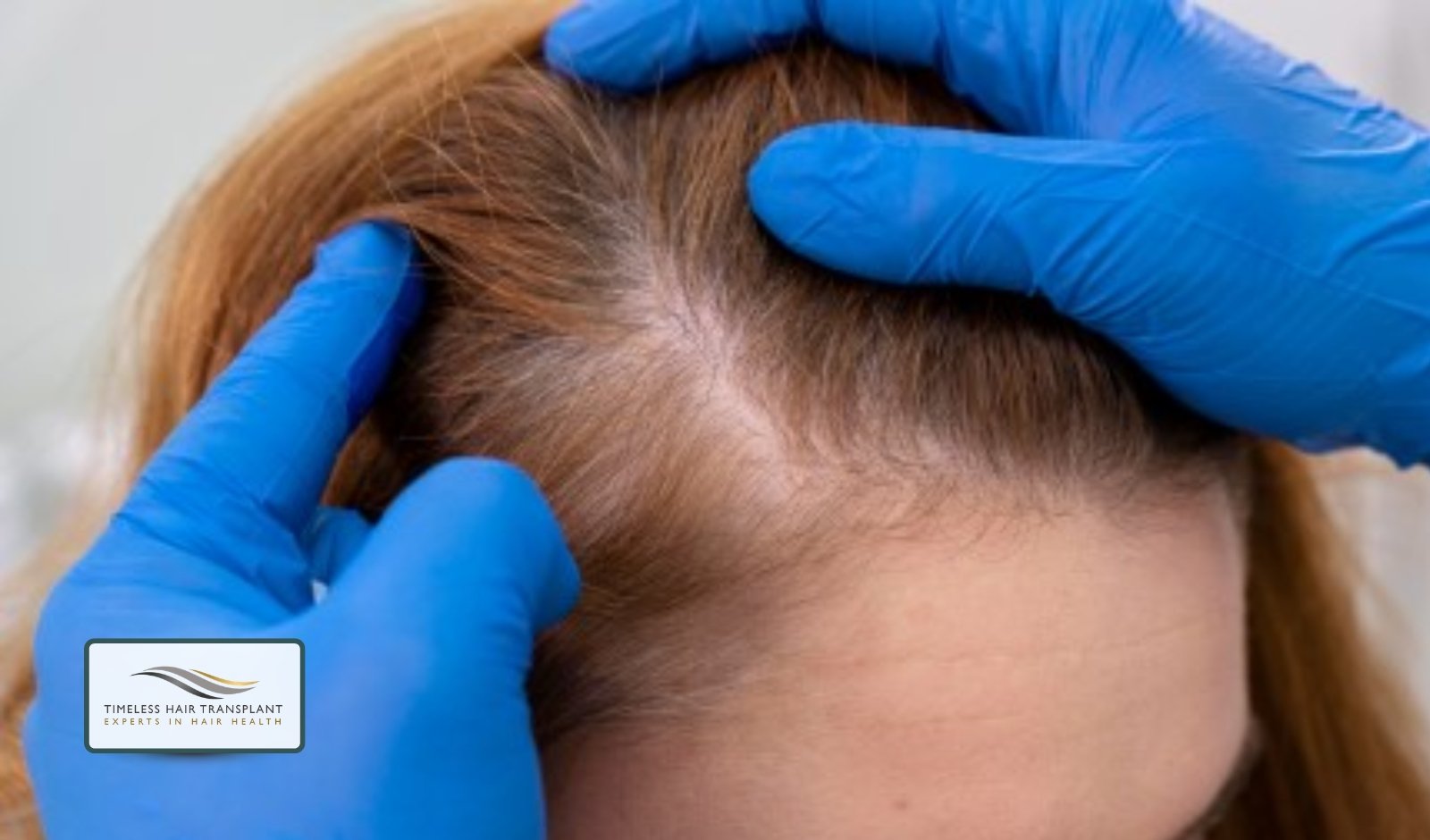
Can Women Have a Hair Transplant Without Shaving?
Yes, many women can undergo a hair transplant without shaving their entire head. Modern techniques allow surgeons to work around existing hair while still performing accurate graft placement.
This approach is commonly referred to as:
Hair transplant without shaving
Unshaven hair transplants
Partial shave hair transplant
These options are becoming increasingly popular among women who prefer a more discreet recovery process.
What Is a Partial Shave Hair Transplant?
A partial shave technique involves shaving only a small section of the scalp instead of shaving the entire head. The surrounding existing hair helps conceal the shaved area during recovery.
This approach may be suitable for women who:
Want to maintain their hairstyle
Prefer minimal visible signs of surgery
Have longer hair that can cover the donor area
Partial shave methods are commonly used during a FUE procedure.
FUE Hair Transplant for Women Without Shaving
One of the most common methods for hair transplants in women without shaving is the FUE technique.
Follicular unit extraction (FUE) involves removing individual hair grafts from the donor area and placing them into the recipient area. Because the procedure uses small extraction points, it allows greater flexibility for unshaven hair transplants.
Benefits of FUE may include:
Smaller extraction sites
Faster healing
Less visible scarring
More discreet recovery
This makes follicular unit extraction (FUE) a popular option for women seeking less noticeable treatment.
What About FUT Hair Transplant Methods?
Another method used in hair transplantation surgery is follicular unit transplantation (FUT).
During FUT procedures:
A strip of donor hair is removed
The area is closed with stitches
Hair grafts are prepared from the strip
Although FUT may still require some trimming, many women can conceal the donor area using surrounding hair. The choice between FUT and FUE depends on the patient’s goals, donor hair quality, and type of hair loss.
Who Is a Good Candidate for Unshaven Hair Transplants?
Hair transplant for women without shaving may work well for women who:
Have longer existing hair
Require a smaller number of grafts
Prefer a discreet recovery process
Have stable hair loss patterns
A consultation with a hair transplant surgeon helps determine whether this approach is suitable based on the patient’s condition and expectations.
Does the Recipient Area Need to Be Shaved?
In some cases, small sections of the recipient area may still require minor trimming to allow accurate graft placement. However, full shaving is often unnecessary for many female patients.
The amount of trimming depends on:
The number of hair grafts required
Hair density
Surgical technique used
The surgeon will recommend the most appropriate approach during the consultation.
Advantages of Hair Transplant Without Shaving
Many women prefer a hair transplant without shaving because it offers several benefits.
More Privacy During Recovery
Existing hair can help conceal the treated areas, making recovery less noticeable.
Greater Confidence
Women often feel more comfortable maintaining their normal hairstyle after surgery.
Less Visible Downtime
Because the scalp is not completely shaved, returning to work or daily activities may feel easier.
Are There Any Limitations?
Hair transplant without shaving may not be suitable for every patient.
Possible limitations include:
Longer procedure times
Increased technical complexity
Limited suitability for large transplant sessions
Patients with more advanced hair loss may still require larger shaved sections for effective treatment.
Recovery After an Unshaven Hair Transplant
Recovery after unshaven hair transplants is generally similar to standard hair transplant procedures.
Patients may experience:
Mild redness
Scab formation
Temporary shedding of transplanted hair
Following aftercare instructions carefully helps support healing and healthy hair growth.
How Hair Growth Develops After the Procedure
After the procedure:
Transplanted hair sheds temporarily
New hair growth begins after several months
Full results continue to develop gradually over time
The outcome depends on donor hair quality, healing, and the overall success of the procedure.
Choosing the Right Hair Transplant Surgeon
Selecting an experienced hair transplant surgeon is important for achieving natural-looking results.
An experienced surgeon can:
Recommend the best treatment method
Preserve existing hair effectively
Minimise visible signs of surgery
A personalised consultation helps determine the most suitable treatment plan based on the patient’s goals and type of hair loss.
Final Thoughts
Women do not always need to shave their heads for a hair transplant. Modern techniques such as FUE and partial shave methods make hair transplantation without shaving possible for many female patients.
The best approach depends on the type of hair loss, the number of hair grafts required, and the patient’s personal goals. With proper planning and guidance from an experienced hair transplant surgeon, women can undergo hair transplantation surgery while maintaining much of their existing hair. Exploring treatment options early can help support healthier hair growth and more natural-looking results.
Explore Hair Restoration Options for Women
If you are considering a hair transplant but are concerned about shaving your head, professional guidance can help you understand your options.
At Timeless Hair Transplant, we provide personalised consultations and advanced techniques, including unshaven hair transplants and FUE procedures designed for women. Call +44 (0) 7516294471 today or book a free consultation to learn more about discreet hair restoration solutions.
Frequently Asked Questions
-
No, many women can have a hair transplant without shaving the entire scalp.
-
It involves shaving only a small section of the scalp while leaving the surrounding hair intact.
-
Yes, follicular unit extraction FUE is commonly used for hair transplant without shaving procedures.
-
Yes, longer existing hair can often conceal the donor area during recovery.
-
Some minor trimming may be needed, but full shaving is often unnecessary.
-
Yes, they can provide natural-looking results when performed by an experienced surgeon.
-
Recovery is generally similar to standard hair transplant procedures.
-
They may require more time and technical precision, which can affect cost.
