
Signs of Traction Alopecia: Early Symptoms to Watch For
Quick Answer
What are the first signs of traction alopecia?
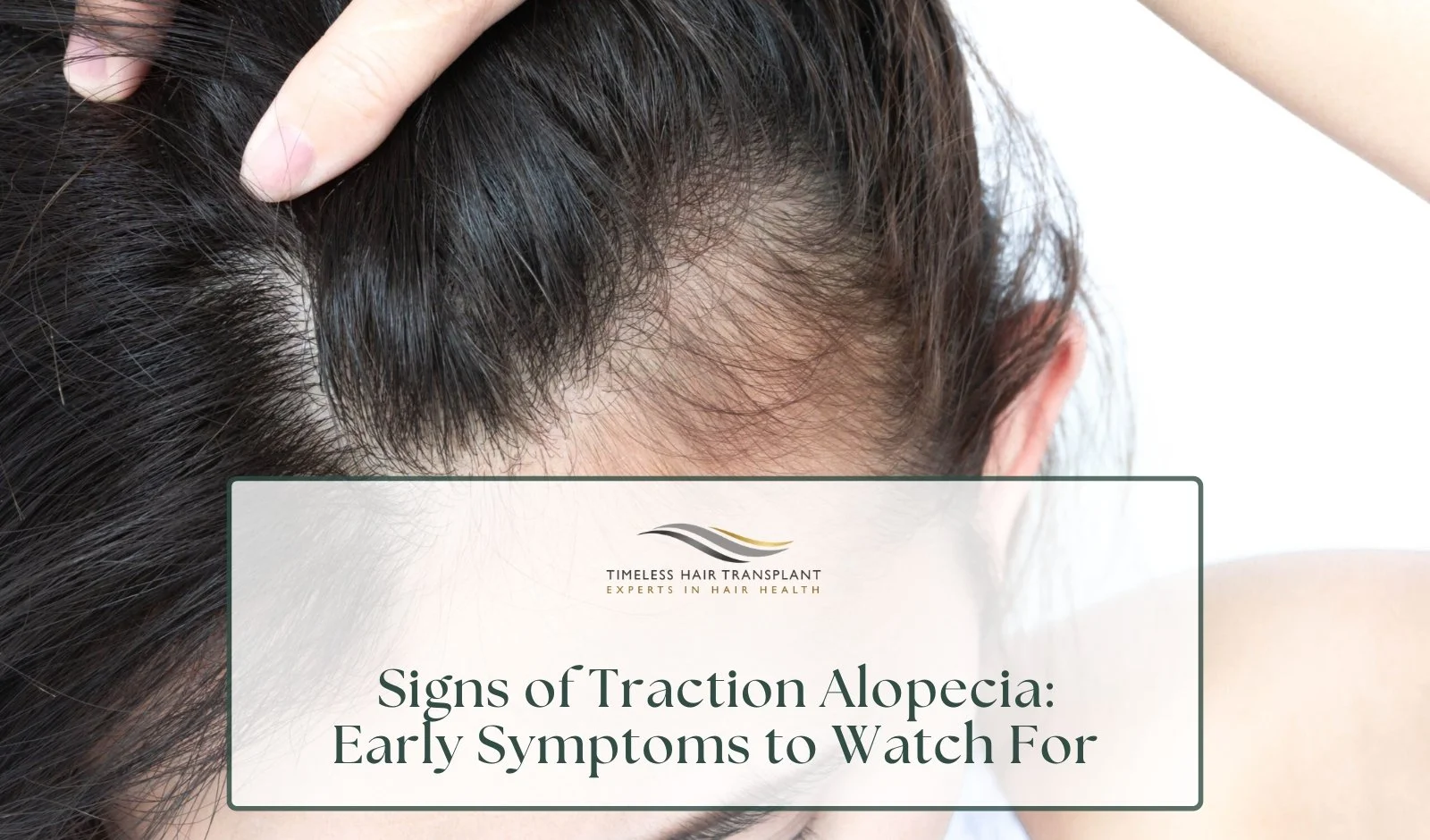
The first signs of traction alopecia often include thinning hair around the hairline, scalp tenderness, and small broken hairs in areas where hairstyles repeatedly pull on the hair. This type of hair loss is caused by constant tension from wearing tight hairstyles such as tight buns, braids, or styles that use tight hair clips. Recognising early signs is important because early treatment may help prevent traction alopecia from causing permanent damage to the hair follicle.
Key Takeaway
Traction alopecia is a type of hair loss caused by repeated tension
Early signs often appear around the hairline or temples
Wearing tight hairstyles can damage hair follicles over time
Broken hairs and scalp tenderness are common symptoms
Early action may help support hair regrowth
Long-term tension can lead to permanent damage
Hair loss can develop for many different reasons, but some forms are directly related to everyday styling habits. One common form of hair loss is traction alopecia, which occurs when repeated tension places stress on the scalp and hair follicles.
Many people do not notice the condition at first because the symptoms often develop gradually. However, understanding the signs of traction alopecia can help identify the problem early before long-term damage occurs.
Learning what traction alopecia includes in its early stages can help people change damaging hair habits and protect healthy hair growth.
What Is Traction Alopecia?
Traction alopecia is a type of hair loss caused by repeated pulling or tension on the hair. The condition develops slowly over time as hairstyles continue to stress the hair follicle.
Unlike other types of alopecia that may be linked to immune or hormonal factors, traction alopecia is mainly caused by external tension. This condition can affect people of different ages and hair types, especially individuals who frequently wear tight hairstyles.
What Causes Traction Alopecia?
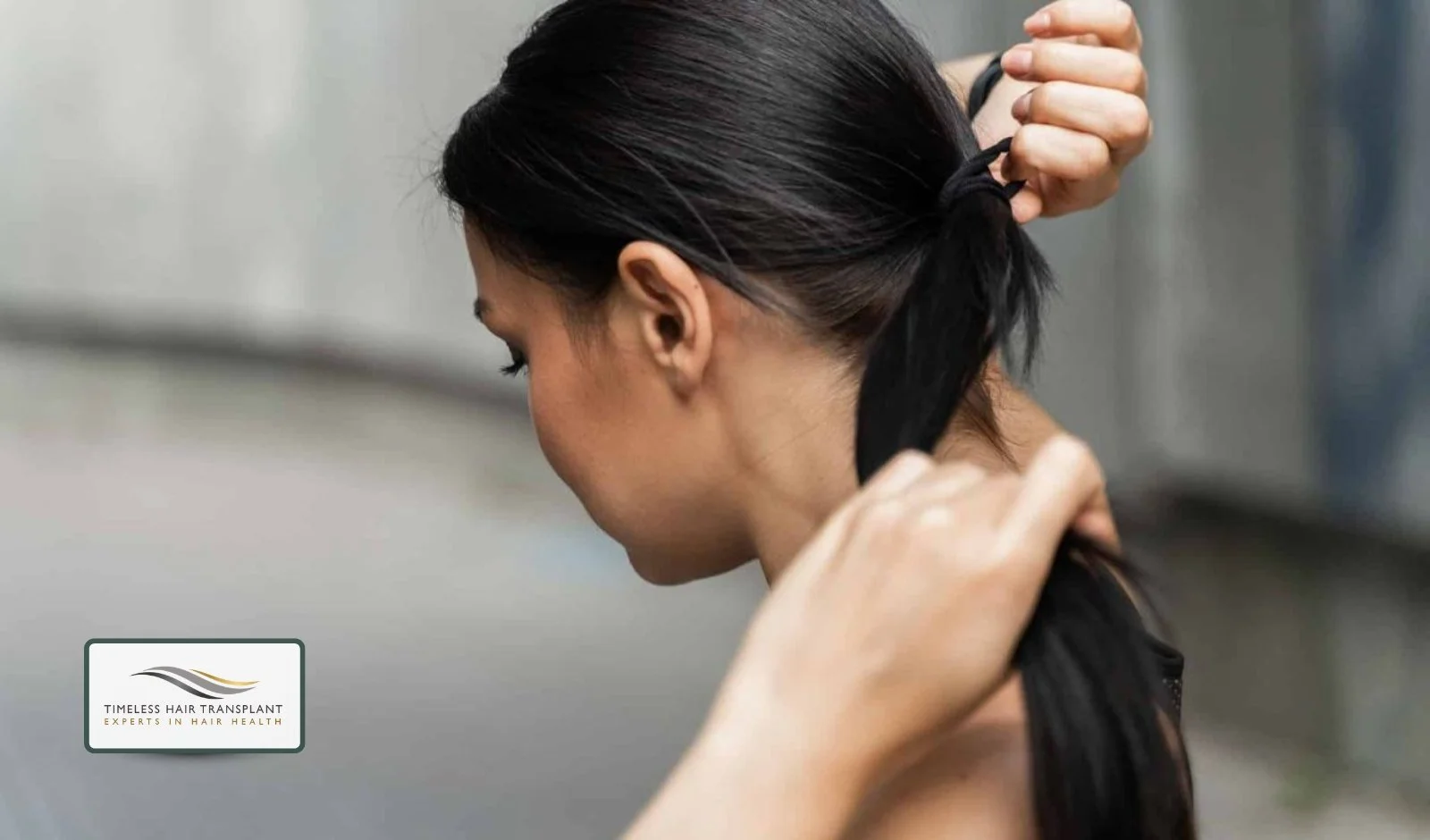
The condition develops when hairstyles repeatedly pull on the hair for long periods.
Common causes include:
Tight buns
Braids
Ponytails
Hair clips that place pressure on the scalp
The risk may depend on the type of hairstyle and how often tension is placed on the hair.
What Are the First Signs of Traction Alopecia?
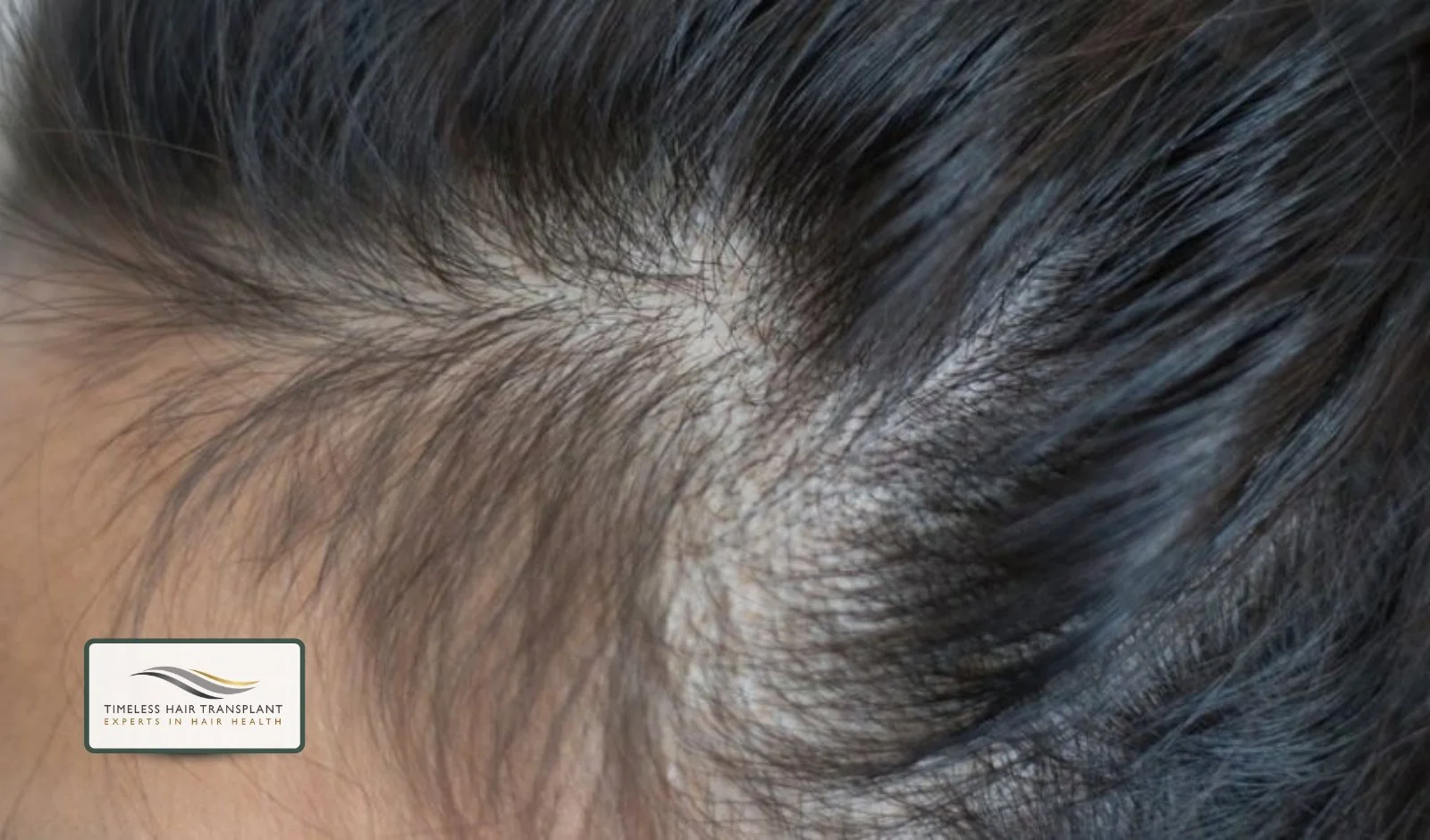
Thinning Around the Hairline
One of the earliest signs is thinning hair around the front or sides of the scalp.
This often appears gradually and may initially look like mild hair thinning rather than severe hair loss.
Broken Hairs
Small broken hairs near the hairline are another common symptom.
Constant tension weakens the hair shafts, making them more likely to break before full shedding occurs.
Scalp Tenderness or Irritation
People with traction alopecia may notice:
Itching
Redness
These symptoms can occur in areas where the hair is repeatedly pulled tightly.
Small Bald Patches
As the condition progresses, small bald patches may begin to appear.
These patches often develop near areas exposed to the most tension.
How Traction Alopecia Affects Hair Follicles
The hair follicle is responsible for producing new hair growth.
Repeated tension can:
Damage the follicle
Reduce healthy hair growth
Increase the risk of permanent damage
If the condition continues for a long period, some follicles may stop producing hair completely.
Who Is Most at Risk?
Traction alopecia can affect people with many different hair types and styling habits.
However, the condition is more common among:
Individuals with long hair
People who regularly wear tight hairstyles
Those who frequently use extensions or tight hair clips
Some individuals of African descent, due to certain cultural hair practices
The condition may also depend on the type of hairstyle worn regularly.
How to Prevent Traction Alopecia
Early prevention is important for protecting the hair follicle.
Helpful steps include:
Avoid wearing tight hairstyles frequently
Loosen ponytails and buns
Limit heavy extensions
Use gentler hair styling methods
These changes help prevent traction alopecia from progressing.
Can Hair Grow Back?
Hair regrowth may be possible if traction alopecia is identified early and tension on the scalp is reduced.
The chances of recovery are better when:
Hair follicles are not permanently damaged
Tight hairstyles are stopped early
Proper scalp care is followed
However, severe or long-term cases may require more advanced treatment.
Treatment Options for Traction Alopecia
Treatment depends on the severity of hair loss.
Options may include:
Lifestyle and hairstyle changes
Scalp care and hair growth support
Medical treatment in some cases
Hair transplant procedures for permanent damage
A professional evaluation helps determine the most effective treatment approach.
Traction Alopecia Compared With Other Types of Alopecia
There are several types of alopecia, and symptoms may sometimes appear similar.
For example:
Alopecia areata often causes sudden bald patches
Traction alopecia develops gradually from physical tension
Hormonal hair loss may affect the crown or scalp more diffusely
Understanding the form of hair loss is important for proper treatment.
When to Seek Professional Help
You should consider seeing a specialist if you notice:
Ongoing hair thinning
Bald patches
Increased hair breakage
Scalp discomfort
Early treatment can help reduce the risk of permanent damage.
Final Thoughts
The signs of traction alopecia often begin gradually with thinning hair, broken hairs, and scalp tenderness caused by repeated tension on the hair.
Because traction alopecia is a type of hair loss linked to wearing tight hairstyles, early awareness and prevention are important. Recognising symptoms early may help support hair regrowth and reduce the risk of permanent damage to the hair follicle. Changing daily styling habits and seeking professional advice when needed can help protect healthy hair growth over time.
Protect Your Hair Health Today
If you are noticing signs of traction alopecia or ongoing hair thinning, professional guidance can help you explore the right treatment options.
At Timeless Hair Transplant, we assess your scalp condition, hair follicles, and type of hair loss to recommend personalised hair restoration solutions. Call +44 (0) 7516294471 today or book a free consultation to learn more about preventing hair loss and supporting healthy hair growth.
Frequently Asked Questions
-
Early signs often include thinning around the hairline, broken hairs, and scalp tenderness.
-
It is caused by repeated tension from hairstyles that pull on the hair.
-
Yes, wearing tight hairstyles for long periods can damage hair follicles.
-
It may become permanent if the hair follicle is severely damaged over time.
-
Hair regrowth may be possible if the condition is treated early.
-
People who frequently wear tight hairstyles or heavy extensions are at greater risk.
-
Yes, the condition may affect people of African descent due to certain hairstyling practices.
-
Avoiding constant tension on the hair and changing styling habits can help prevent traction alopecia.
