
Treatment for Traction Alopecia: Can Hair Grow Back?
Quick Answer
What is the best treatment for traction alopecia?
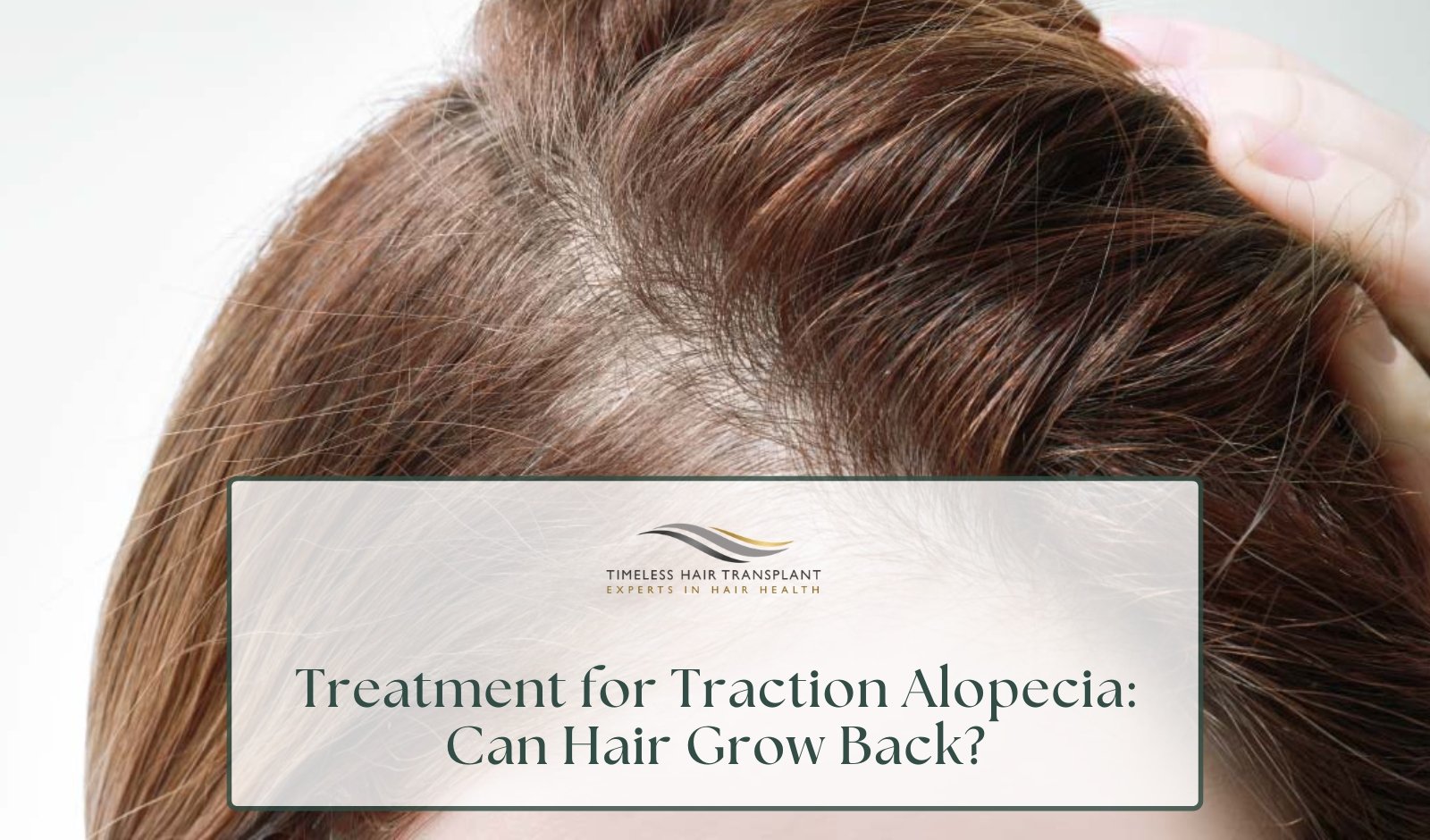
The best treatment for traction alopecia depends on how early the condition is identified and the extent of hair follicle damage. In many cases, traction alopecia can be reversed when caught early by stopping hairstyles that pull on the hair and adopting healthier hair care habits. Treatment options may include lifestyle changes, medical treatments, and, in advanced cases, hair transplants. Early intervention offers the best chance of promoting hair regrowth and preventing long-term hair loss.
Key Takeaway
Traction alopecia is a type of hair loss caused by repeated tension on the hair
Early treatment improves the chances of hair regrowth
Avoiding tight styles is often the first step in recovery
Medical treatments may support hair growth in some cases
Hair transplants may help restore hair in advanced cases
Recognising the signs of traction alopecia can help prevent permanent damage
Traction alopecia is a form of hair loss caused by repeated pulling or tension on the hair over time. It commonly develops in people who regularly wear tight hairstyles, such as braids, ponytails, or tight buns. Although the condition often begins gradually, it can lead to noticeable thinning and bald patches if left untreated.
The good news is that traction alopecia can often be managed successfully, especially when it is caught early. Understanding the available treatments for traction alopecia can help protect hair follicles, encourage hair regrowth, and reduce the risk of long-term damage.
What Is Traction Alopecia?
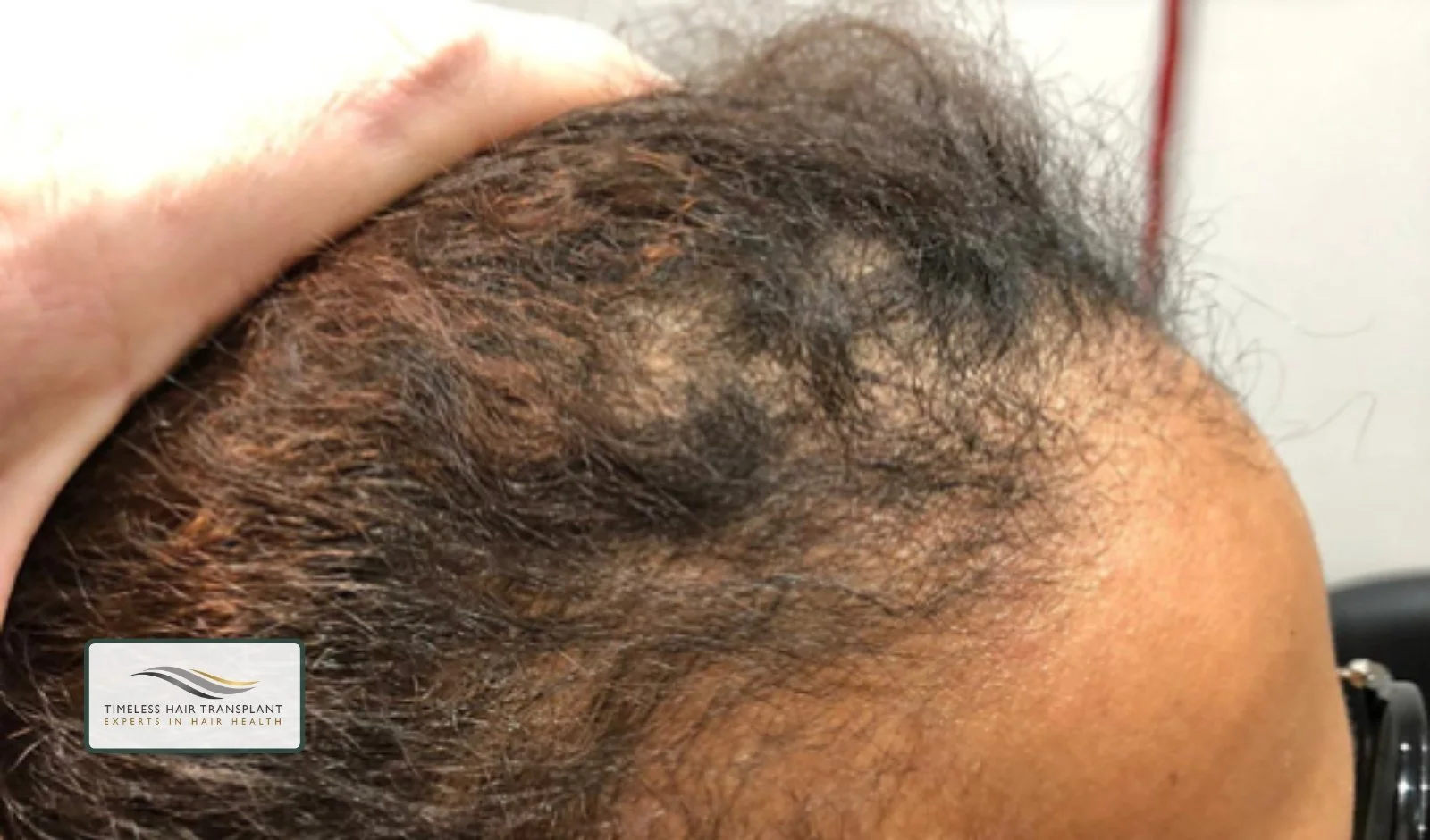
Traction alopecia is a type of hair loss that develops when repeated tension damages the hair follicles. Unlike some other forms of hair loss, this condition is caused by external stress rather than hormones or genetics.
Over time, hairstyles that consistently pull on the hair can weaken the follicles and reduce their ability to produce healthy hair growth. This makes early treatment important for preserving existing hair.
Recognising the Signs of Traction Alopecia
Before discussing treatment, it is important to recognise the signs of traction alopecia.
Common symptoms include:
Thinning around the hairline
Broken hairs
Scalp tenderness
Small bald patches
Reduced hair density
These symptoms often develop gradually and may worsen if the source of tension continues.
Why Early Treatment Matters
One of the most important factors in treating traction alopecia is timing.
When the condition is caught early:
Hair follicles may still be healthy
Hair regrowth is more likely
Permanent damage may be avoided
However, long-term tension can cause scarring and irreversible follicle damage, making treatment more challenging.
Stop Wearing Tight Hairstyles
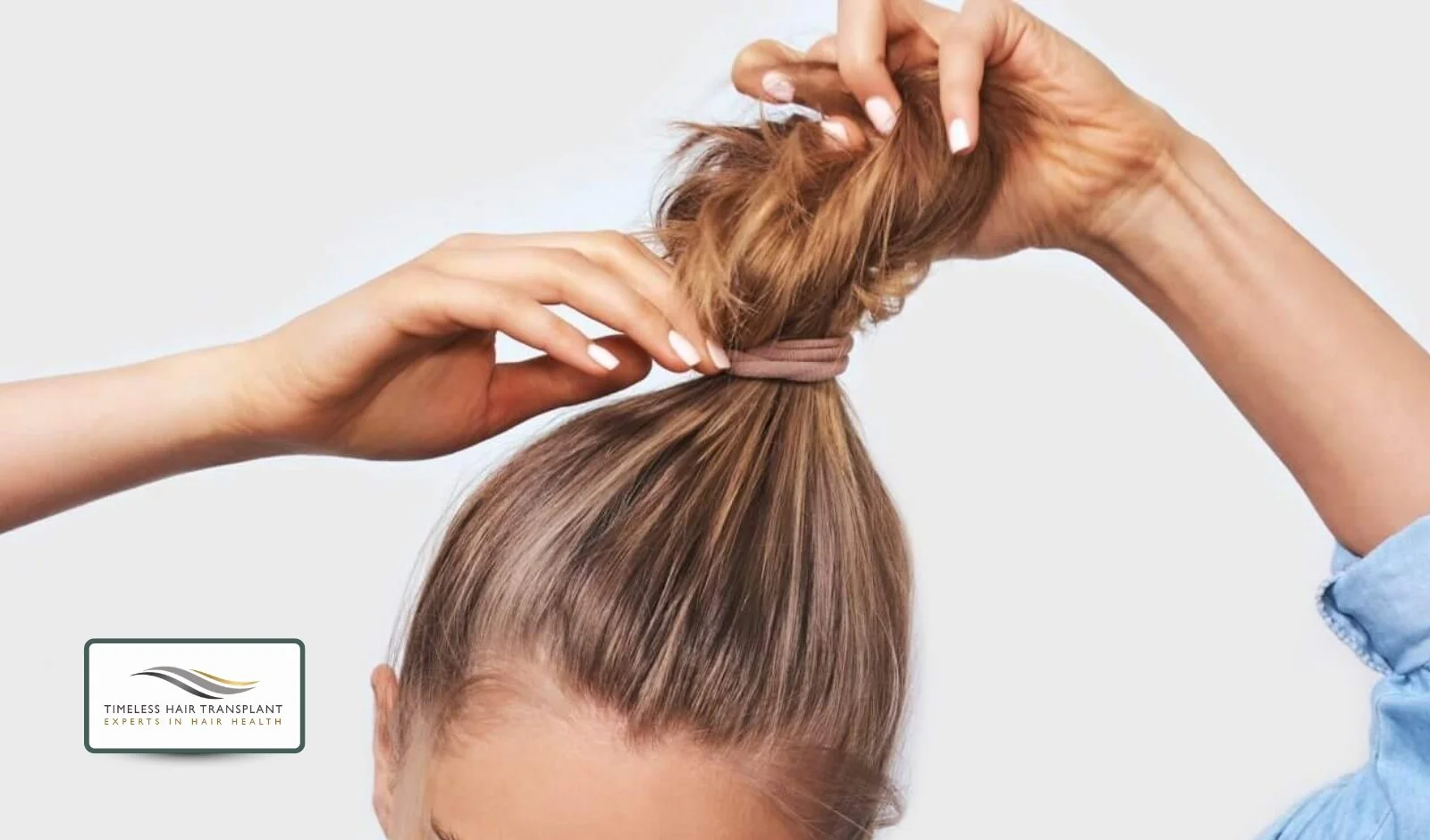
The first and most important step is removing the cause of the problem.
Many people develop traction alopecia because they:
Wear tight hairstyles frequently
Use heavy extensions
Regularly style their hair in tight buns
Consistently pull on the hair
Reducing tension allows the scalp and hair follicles to recover.
Choose Gentler Hair Styling Habits
Changing daily styling habits can help support recovery.
Helpful adjustments include:
Wearing looser hairstyles
Avoiding excessive tension
Limiting heavy accessories
Giving the scalp regular breaks from styling
These changes may help prevent traction alopecia from progressing further.
Support Healthy Hair Growth
Supporting overall scalp health can improve recovery.
Simple steps include:
Eating a balanced diet
Staying hydrated
Managing stress
Using gentle hair care products
Healthy habits create a better environment for hair regrowth and follicle recovery.
Medical Treatments for Traction Alopecia
In some cases, medical treatments may be recommended. A specialist may suggest treatment options designed to support hair growth and improve scalp health.
Potential medical treatments can include:
Prescription medications
Topical treatments
Anti-inflammatory therapies
The most appropriate approach depends on the severity of hair loss and the condition of the scalp.
Can Traction Alopecia Be Reversed?
Many people ask whether alopecia can be reversed. The answer depends on how much damage has occurred.
If traction alopecia is caught early and the follicles remain healthy, significant hair regrowth may be possible. However, if hair follicles have been permanently damaged, natural regrowth may be limited. This is why early treatment is so important.
Hair Transplants for Advanced Cases
For individuals with long-term traction alopecia and permanent hair loss, hair transplants may be an option.
Hair transplants involve moving healthy hair follicles from one area of the scalp to another.
Benefits may include:
Restoration of thinning areas
Improved hair density
Natural-looking results
A consultation is necessary to determine whether hair transplants are suitable.
Preventing Future Hair Loss
Even after treatment, prevention remains important.
To help prevent traction alopecia:
Avoid hairstyles that create excessive tension
Change hairstyles regularly
Limit the use of heavy extensions
Monitor early signs of hair thinning
Protecting the scalp can help preserve long-term hair health.
Factors That Affect Recovery
Recovery varies from person to person.
Factors that influence results include:
How early treatment begins
The severity of hair loss
The health of the hair follicles
Consistency with treatment
Patients who address the problem early often achieve better outcomes.
When to Seek Professional Help
You should consider professional evaluation if you notice:
Ongoing hair thinning
Bald patches
Increased hair breakage
Symptoms that continue despite changing hairstyles
A specialist can identify the cause and recommend the most effective treatment options.
Final Thoughts
Traction alopecia is a type of hair loss caused by repeated tension on the hair and scalp. When caught early, many cases can improve by changing styling habits and reducing stress on the hair follicles.
Whether through lifestyle changes, medical treatments, or hair transplants for advanced cases, early action can help support hair regrowth and prevent long-term damage.
Restore Your Hair Before Damage Becomes Permanent
If you are noticing hair thinning, broken hairs, or bald patches, don't wait for the condition to worsen. Early treatment can make a significant difference in preserving and restoring healthy hair growth.
At Timeless Hair Transplant, we offer personalised solutions for traction alopecia and other forms of hair loss. Call +44 (0) 7516294471 or book a free consultation today to explore your treatment options.
Frequently Asked Questions
-
The best treatment depends on how early the condition is identified. In many cases, stopping hairstyles that pull on the hair and reducing tension on the scalp can help support recovery and hair regrowth.
-
Yes, traction alopecia can often be reversed if it is caught early and the hair follicles have not been permanently damaged. Early treatment offers the best chance of successful recovery.
-
Traction alopecia is caused by repeated tension from hairstyles that pull on the hair, such as braids, ponytails, tight buns, and certain hair extensions.
-
Common signs of traction alopecia include thinning around the hairline, broken hairs, scalp tenderness, and small bald patches in areas exposed to tension.
-
Hair regrowth is possible if the follicles remain healthy and the source of tension is removed. Recovery depends on the severity and duration of the condition.
-
Yes, medical treatments may be recommended to support hair growth and scalp health, depending on the severity of the condition.
-
Hair transplants may be considered when traction alopecia has caused permanent hair loss and natural regrowth is unlikely.
-
Avoid wearing tight hairstyles regularly, reduce tension on the scalp, and monitor for early signs of hair thinning or breakage.
-
Long hair itself does not cause traction alopecia, but hairstyles that place constant tension on longer hair may increase the risk.
-
You should seek professional advice if you notice persistent hair thinning, bald patches, or signs of traction alopecia that continue despite changing your hair care habits.
