
Symptoms of Hair Loss Due to Stress: What to Watch For

Quick Answer
What are the symptoms of hair loss due to stress?
Symptoms of hair loss due to stress often include increased hair shedding, thinning hair, and noticeable hair falling during washing or brushing. Stress-induced hair loss commonly affects the hair growth cycle, causing more hair follicles to enter the resting phase. In some cases, emotional stress may also lead to bald patches or conditions such as telogen effluvium and alopecia areata. Early stress management and effective treatment can help support hair regrowth.
Key Takeaway
Stress can disrupt the normal hair growth cycle
Increased hair shedding is a common symptom
Telogen effluvium is a common form of hair loss due to stress
Emotional stress may trigger bald patches in some cases
Hair regrowth is possible with proper care and stress management
Early action may improve recovery and reduce further hair loss
Stress affects many parts of the body, including the hair and scalp. While occasional stress is normal, ongoing emotional stress or a major stressful event can sometimes lead to noticeable hair loss.
Many people experiencing stress-related hair concerns notice increased hair shedding, thinning hair, or more hair falling than usual during daily routines. These changes can feel alarming, especially when they happen suddenly. Understanding the symptoms of hair loss due to stress can help you recognise the early signs and take the right steps to support recovery and healthy hair growth.
How Stress Affects the Hair Growth Cycle
Hair naturally goes through a growth cycle that includes growing, resting, and shedding phases. Stress can interfere with this balance.
When the body experiences physical or emotional stress, stress hormone levels may rise. This can push more hair follicles into the resting phase earlier than normal.
As a result:
Hair shedding increases
Hair growth slows down
Hair thinning becomes more noticeable
This disruption is one of the main reasons stress-induced hair loss occurs.
Common Symptoms of Stress-Induced Hair Loss
Increased Hair Shedding
One of the earliest signs is excessive hair shedding. You may notice more hair on pillows, brushes, clothing, or in the shower.
This type of hair falling often appears suddenly after a stressful event.
Thinning Hair
Stress-induced hair can cause gradual thinning across the scalp. Unlike some other conditions, the thinning is usually diffuse rather than concentrated in one area.
Reduced hair density may become noticeable over time.
Changes in Hair Texture
Some people notice that their hair feels weaker, drier, or more fragile during periods of stress.
This happens because stress can affect the condition of the hair follicles and overall scalp health.
Bald Patches
In some cases, emotional stress may trigger alopecia areata, a condition where the immune system affects the hair follicles.
This can cause sudden bald patches on the scalp or other areas of the body.
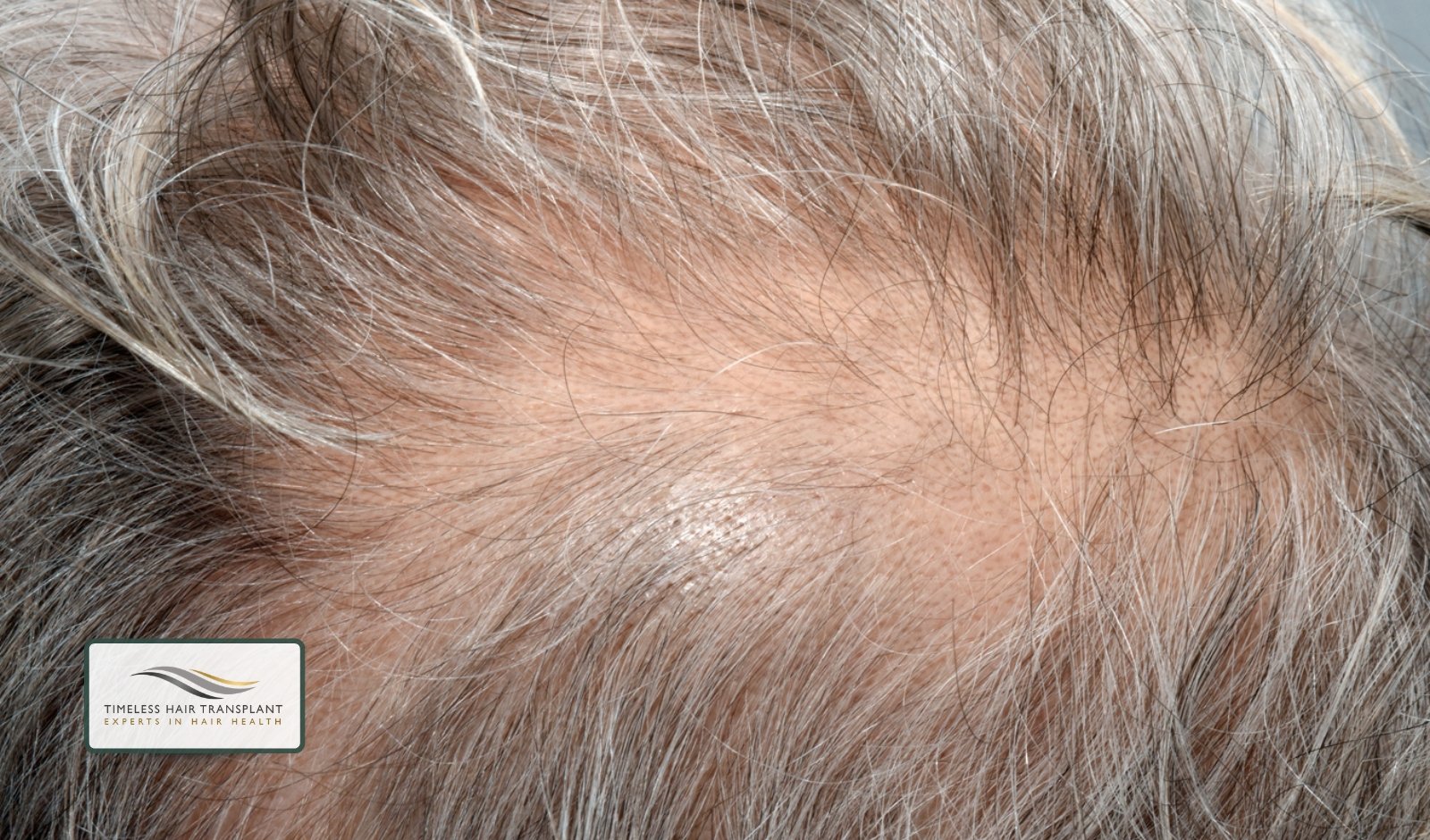
Telogen Effluvium and Stress
Telogen effluvium is one of the most common forms of hair loss due to stress.
This condition occurs when a large number of hair follicles enter the resting phase at the same time.
Common triggers include:
Emotional stress
Illness
Surgery
Major life changes
Hair shedding often begins a few weeks or months after the stressful event.
How Long Does Stress-Related Hair Loss Last?
The duration varies depending on the cause and severity of the stress.
For many people:
Hair shedding improves once stress levels reduce
Hair regrowth begins within a few months
Full recovery may take longer, depending on the hair growth cycle
Early stress management can help shorten recovery time.
Emotional Stress and Hair Loss in Women and Men
Hair loss due to stress affects both men and women.
However, hair loss in women may appear as overall thinning, while men may notice more visible changes around the hairline or crown. Stress-related hair changes can affect confidence regardless of gender.
Can Stress Cause Permanent Hair Loss?
In many cases, hair loss through stress is temporary.
However, ongoing stress over a long period may worsen existing conditions or contribute to more persistent hair thinning. Early treatment and stress management are important for protecting healthy hair growth.
Effective Treatment Options
There are several effective treatment approaches for stress-induced hair loss.
Stress Management
Reducing emotional stress is one of the most important steps.
Helpful strategies include:
Regular exercise
Improved sleep habits
Relaxation techniques
Healthy Hair Care
Gentle hair care routines help reduce additional strain on hair follicles.
Avoid excessive heat styling or harsh treatments during recovery.
Medical Treatment
In some cases, medical treatment may be recommended depending on the type of hair loss and overall health.
A specialist can help determine the most appropriate approach.
Supporting Hair Regrowth
To support hair regrowth:
Maintain a balanced diet
Stay hydrated
Reduce stress levels
Follow a healthy hair care routine
These steps help create a healthier environment for hair follicles.
When to See a Specialist
You should seek professional advice if:
Hair shedding becomes severe
Bald patches appear
Hair thinning continues for several months
A specialist can identify the form of hair loss and recommend effective treatment options.
Final Thoughts
Symptoms of hair loss due to stress can range from increased hair shedding to noticeable thinning and bald patches.
Conditions such as telogen effluvium and alopecia areata are common forms of stress-induced hair loss that may develop after emotional stress or a stressful event. The good news is that many cases improve with stress management, proper care, and early treatment. Understanding the symptoms early can help support hair regrowth and protect long-term hair health.
Support Your Hair Health Today
If you are experiencing stress-related hair loss or ongoing hair thinning, professional guidance can help you understand the cause and explore treatment options.
At Timeless Hair Transplant, we assess your scalp condition, hair follicles, and overall health to recommend personalised solutions for hair restoration and healthy hair growth. Call +44 (0) 7516294471 today or book a free consultation to learn more about effective treatment for stress-induced hair loss.
Frequently Asked Questions
-
Yes, emotional stress and physical stress can disrupt the hair growth cycle and increase hair shedding.
-
Telogen effluvium is a form of hair loss where more hair follicles enter the resting phase, leading to excessive shedding.
-
Sudden increased hair shedding after a stressful event is a common sign of stress-related hair loss.
-
Yes, stress may trigger alopecia areata, which can cause bald patches.
-
In many cases, stress-induced hair loss is temporary and improves once stress levels are managed.
-
Recovery varies, but hair regrowth often begins within a few months after stress levels improve.
-
Stress management, healthy habits, and proper hair care can support recovery and hair regrowth.
-
If hair loss becomes severe, persistent, or includes bald patches, professional advice is recommended.
