
FUE Beard Transplant Recovery Timeline & Results
Quick Answer
What is the FUE beard transplant recovery time?
FUE beard transplant recovery usually takes about 7 to 14 days for initial healing in the donor area and transplanted area. During this time, redness and scabbing gradually improve. After a few weeks, shock loss may occur as transplanted hair sheds temporarily. New facial hair growth typically begins around 3 to 4 months, with the final result visible between 9 and 12 months. Following proper aftercare supports long-term results.
Key Takeaway
Initial healing takes around 7 to 14 days
Redness, swelling, and scabbing are common early side effects
Shock loss is a normal stage of recovery
New beard growth starts after a few months
Final results appear between 9 and 12 months
Proper aftercare helps protect transplanted follicles
A FUE beard transplant is a popular option for men looking to improve beard density or fill in patchy areas. This advanced technique involves taking individual follicular units from a donor area and carefully implanting them into the beard region to create a natural-looking result.
Although the procedure is highly precise, the recovery period plays an important role in achieving the best outcome. Many patients want to know how long healing takes and what to expect after the procedure. Understanding FUE beard transplant recovery time helps set realistic expectations and ensures proper aftercare to protect the transplanted follicles and support healthy beard growth.
What Is FUE Beard Transplant Recovery?
FUE beard transplant recovery refers to the healing process after an FUE hair transplant used to restore facial hair. During the procedure, individual follicular units are extracted from the donor area and implanted into the transplanted area.
The goal of recovery is to allow the transplanted follicles to settle, heal, and begin producing new hair. Proper care during this phase is essential for long-term success.
Immediate Post-Procedure Stage
First Few Days
In the first few days after a facial hair transplant, the beard area may appear red and slightly swollen. Small scabs will also form around each graft, which is a normal part of the healing process.
The donor area may feel slightly tight or tender, but these effects are temporary and usually improve within a few days. It is important to avoid touching or scratching the treated areas during this stage to protect the grafts and support proper healing.
First 7 to 14 Days: Early Healing
Within the first 7 to 14 days, the healing process becomes more noticeable.
During this time:
Scabs begin to fall off naturally
Redness gradually reduces
Transplanted hair becomes more stable
By the end of this period, most patients feel more comfortable returning to normal daily activities. However, care should still be taken to avoid irritation.
Weeks 3 to 4: Shock Loss Phase
A key stage in FUE beard transplant recovery is shock loss.
During this phase:
Transplanted hair sheds temporarily
Hair grafts remain intact under the skin
New growth will follow in later months
Although it may seem concerning, shock loss is a normal response and does not affect the final result.
Months 2 to 4: Early Beard Growth
Around 2 to 4 months after the procedure, facial hair growth begins again.
The new hair may:
Appear thin or uneven at first
Grow slowly
Improve gradually over time
This stage marks the beginning of visible progress.
Months 5 to 8: Noticeable Improvement
During this phase, beard growth becomes more consistent.
Patients often notice:
Increased hair density
Better coverage in the beard area
Improved texture of transplanted hair
The beard starts to blend more naturally with existing facial hair.
Months 9 to 12: Final Result
The final result is typically visible between 9 and 12 months after the procedure.
At this stage:
The beard appears fuller
Hair grows more evenly
Transplanted follicles function like natural hair
Some patients may continue to see minor improvements beyond this period.
Factors That Affect Recovery Time
Recovery time can vary depending on several factors:
Number of grafts used
Individual healing response
Overall health
Following aftercare instructions
Patients who follow guidance from hair transplant clinics often experience a smoother recovery.
Common Side Effects
Mild side effects are expected during recovery.
These may include:
Redness in the transplanted area
Swelling
Scabbing
Temporary discomfort
These effects usually improve within the first few weeks.
How to Support the Healing Process
Proper aftercare helps protect transplanted follicles and improve outcomes.
Key tips include:
Avoid touching or scratching the beard area
Follow cleaning and care instructions
Avoid strenuous activities during early recovery
Protect the skin from irritation
These steps support healthy healing and facial hair growth.
Long-Term Beard Growth and Results
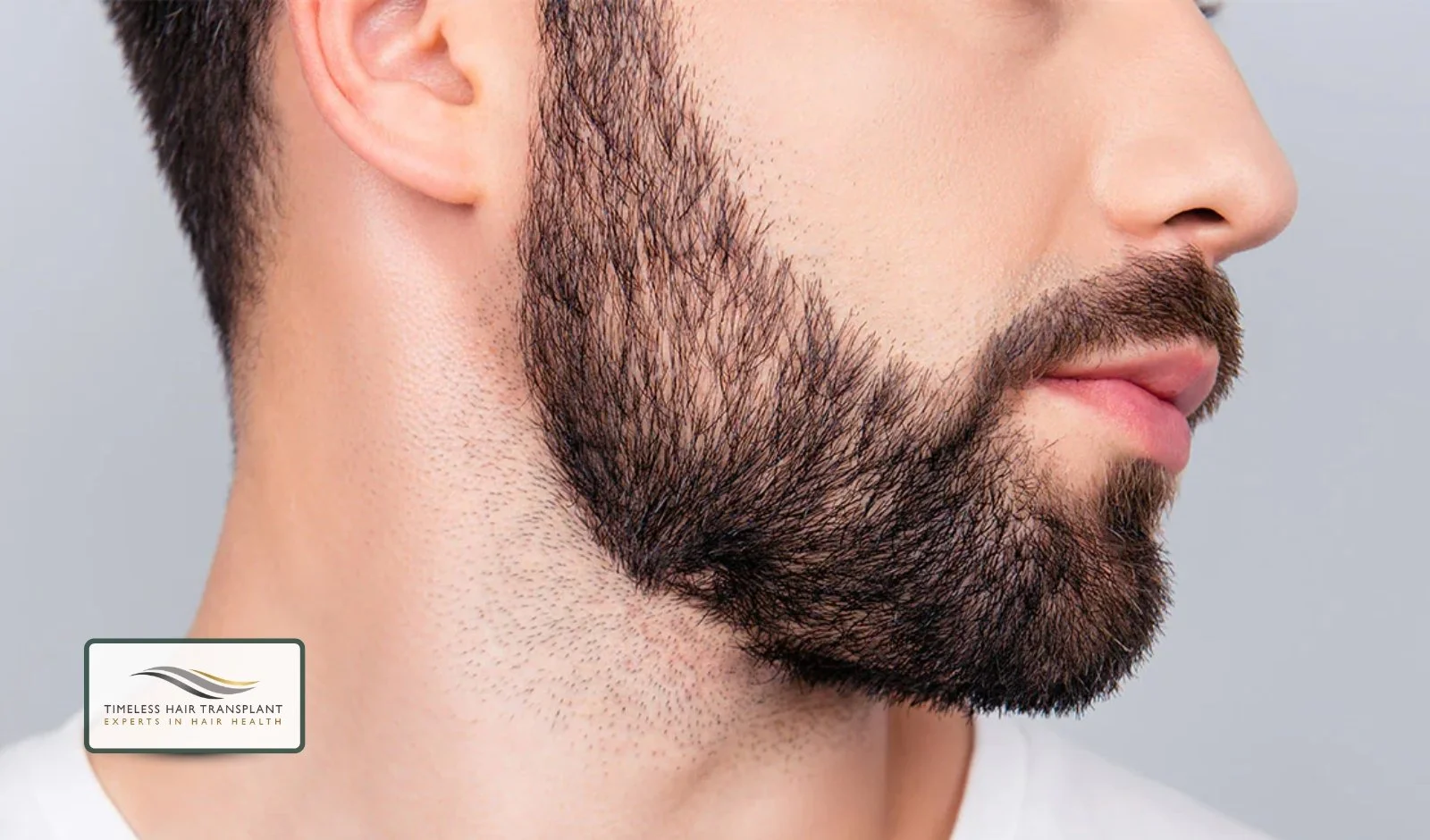
Once recovery is complete, the transplanted hair behaves like natural facial hair.
You can:
Trim and style your beard
Grow a full beard
Maintain your desired look
The results are long-term and provide a natural appearance.
Final Thoughts
Recovery after a FUE beard transplant is a gradual process that requires patience and careful aftercare. The initial healing phase typically takes around 7 to 14 days, but visible beard growth continues to develop over several months.
Understanding each stage of recovery from early shedding to final growth can help set realistic expectations and reduce uncertainty. With proper aftercare and professional guidance, you can achieve natural-looking, long-lasting facial hair results.
Achieve a Fuller Beard With Expert Hair Restoration Support
If you are considering a FUE beard transplant or want clear guidance on recovery, expert advice can help you achieve natural, lasting results. Understanding the process and following the right aftercare is key to supporting healthy growth and optimal healing.
At Timeless Hair Transplant, we provide personalised treatment plans and detailed aftercare support to guide you through every stage of your beard restoration journey. Call +44 (0) 7516294471 today or book your free consultation to explore your options for facial hair restoration.
Frequently Asked Questions
-
FUE beard transplant recovery usually takes about 7 to 14 days for the initial healing phase. During this time, the donor area and transplanted area begin to recover, and scabbing and redness gradually improve. However, full recovery takes longer, as the hair growth cycle continues over several months. Most patients begin to see noticeable beard growth after a few months, with full results developing between 9 and 12 months.
-
Shock loss is a temporary shedding of transplanted hair that typically occurs a few weeks after the procedure. This happens because the transplanted hair shafts fall out while the transplanted follicles remain intact beneath the skin. Although it may seem concerning, it is a normal part of the healing process, and new beard growth will begin once the follicles enter the active growth phase.
-
Beard growth usually begins around 3 to 4 months after the procedure. In the early stages, the new hair may appear thin, uneven, or lighter in texture. Over time, the transplanted hair becomes thicker and more consistent as the follicles mature. Continued growth and improvement can be seen over several months.
-
Yes, the results are generally long-term. The transplanted follicles are taken from areas that are resistant to hair loss, which means they continue to produce hair in the beard area. Once fully established, the transplanted beard behaves like natural facial hair and can be shaved, trimmed, and styled normally.
-
Common side effects include redness, swelling, and scabbing in the transplanted area, as well as mild discomfort in the donor area. These effects are expected during the early stages of recovery and usually improve within the first couple of weeks. Following proper aftercare instructions helps reduce these symptoms and supports a smoother healing process.
-
Shaving should be avoided during the early healing period to protect the transplanted follicles. Most patients are advised to wait until the skin is fully healed, which is typically after a few weeks. Light trimming may be allowed earlier, but using a razor directly on the beard area should only be done once your clinic confirms it is safe.
-
Yes, the number of grafts can influence recovery time. A higher number of grafts may lead to more noticeable redness or swelling and may slightly extend the healing process. However, with proper aftercare, most patients recover well regardless of the number of grafts used.
-
Final results are usually visible between 9 and 12 months after the procedure. By this stage, the transplanted hair has fully grown, thickened, and blended with existing facial hair. Some patients may continue to see minor improvements beyond this period as the hair continues to mature.
-
To protect transplanted follicles, it is important to follow all aftercare instructions provided by your clinic. This includes avoiding touching or scratching the area, keeping the skin clean, and protecting it from irritation. Proper care during the early stages helps ensure the grafts remain secure and supports healthy beard growth.
