
Receding Hairline in Women: Causes and Treatments
Quick Answer
What causes a receding hairline in women?
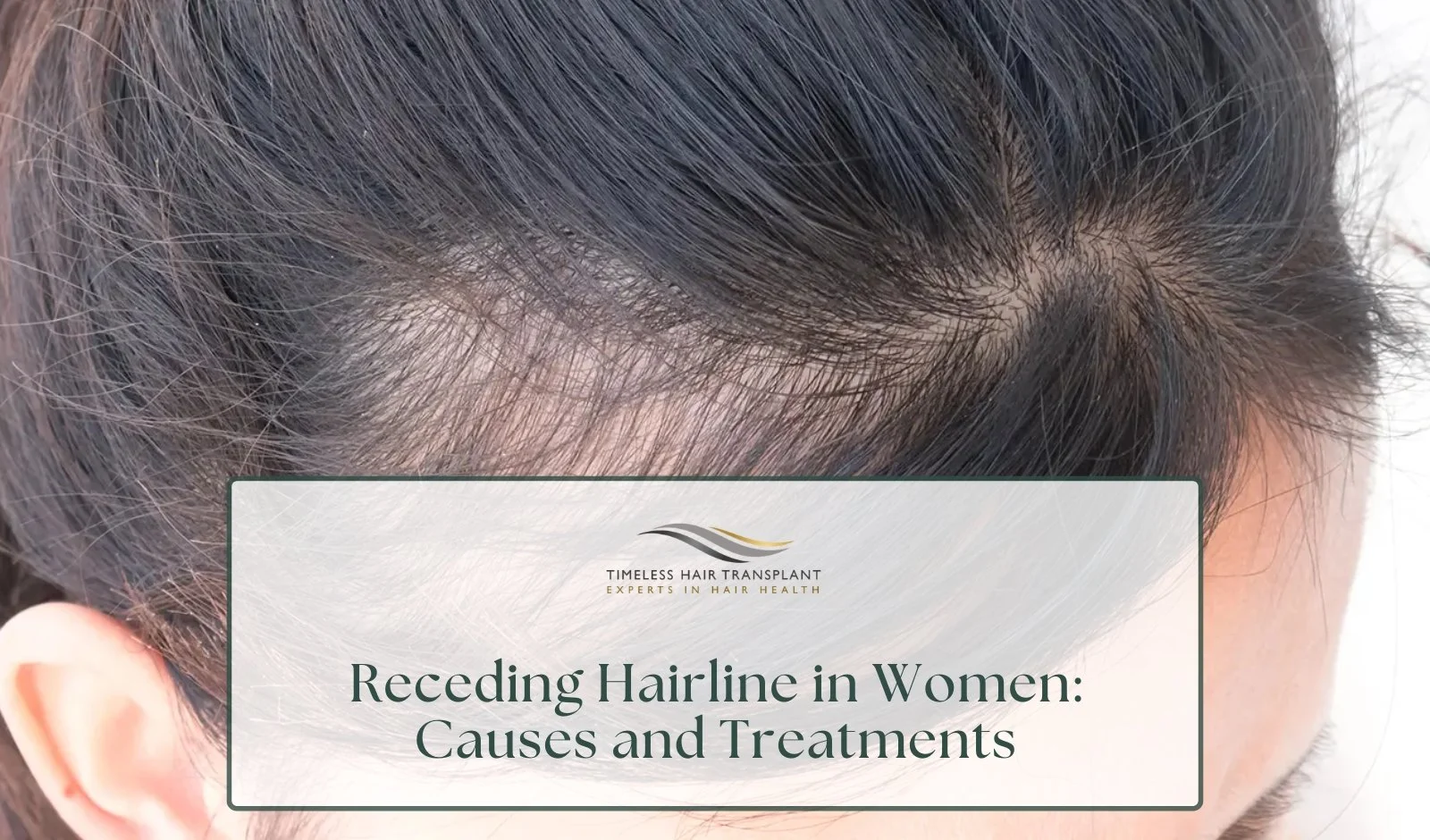
A receding hairline in women is usually caused by changes in hair follicles due to hormonal shifts, genetics, or certain conditions like androgenetic alopecia. It may also be linked to tight hairstyles, stress-related shedding such as telogen effluvium, or traction alopecia. While it can be concerning, there are treatment options available to help promote hair growth and improve hairlines in women.
Key Takeaway
Receding hairlines in women can be caused by hormonal and genetic factors
Female pattern hair loss is a common cause
Tight hairstyles and traction alopecia may contribute
Early signs include thinning hair along the hairline
Treatment options can help slow or improve hair loss
A professional evaluation helps identify the cause
Hair loss in women can appear in different ways, and one common concern is a receding hairline. Although it is often linked to male pattern baldness, women can also experience gradual changes in their hairline and overall hair density over time.
Women with a receding hairline may notice thinning around the front of the scalp, a widening part, or reduced hair volume. Understanding the causes and available treatment options can help support early action, protect the hair follicles, and encourage healthier hair growth.
What Is a Receding Hairline in Women?
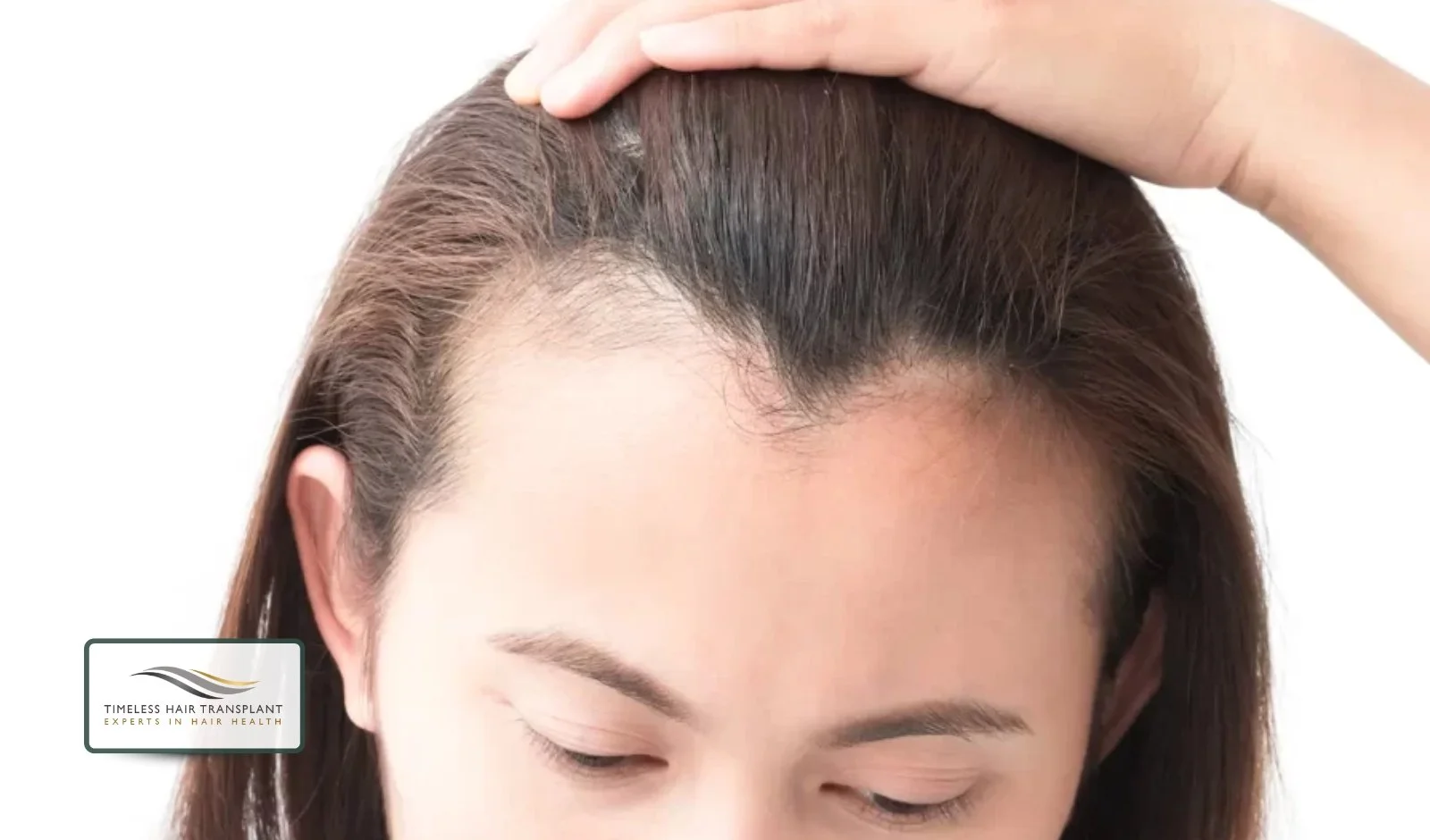
A receding hairline in women refers to the gradual thinning or loss of hair along the front or sides of the scalp. Unlike male pattern baldness, which often creates a distinct hairline shape, hairlines in women tend to thin more evenly.
This type of hair loss may occur slowly over time and can be part of a broader pattern of hair thinning.
Common Causes of Receding Hairlines in Women
Female Pattern Hair Loss
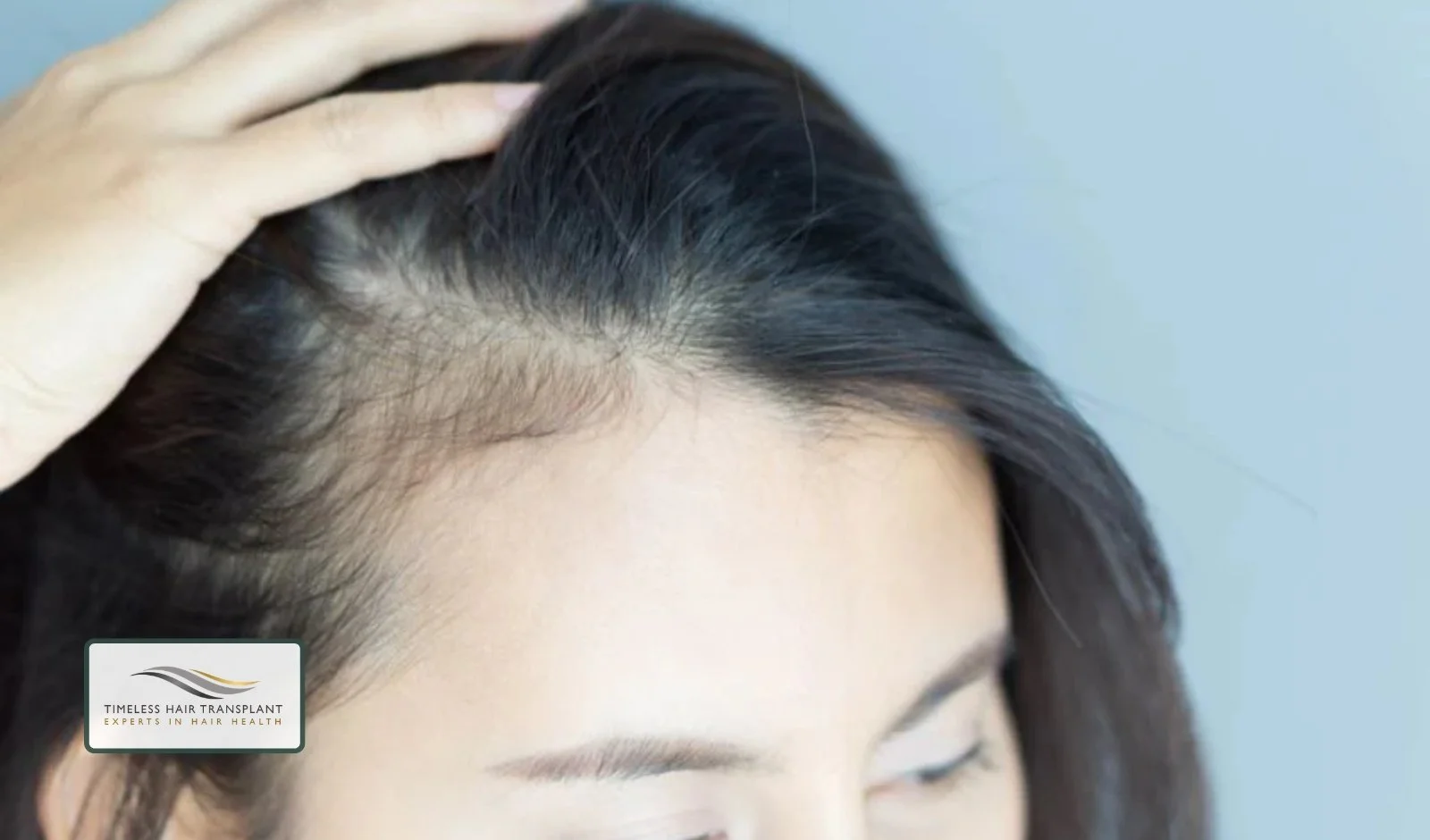
One of the most common causes is female pattern hair loss, also known as androgenetic alopecia. This condition affects the hair follicles and leads to gradual thinning.
Hormonal changes and genetics play a major role, and the condition can worsen over time without treatment.
Hormonal Changes
Changes in hormone levels can affect hair growth cycles. This includes shifts during menopause, pregnancy, or other hormonal imbalances. When hormone levels change, hair follicles may shrink, leading to thinner and weaker hair.
Traction Alopecia
Traction alopecia is caused by repeated tension from tight hairstyles.
Examples include:
Tight ponytails
Braids
Extensions
Over time, this stress can damage hair follicles and lead to receding hairlines in women.
Telogen Effluvium
Telogen effluvium is a temporary type of hair loss triggered by stress, illness, or lifestyle changes. It causes increased shedding, which can affect the hairline and overall hair density.
Frontal Fibrosing Alopecia
Frontal fibrosing alopecia (FFA) is a condition that causes hairline recession, particularly along the front of the scalp. It is more common in women and may lead to permanent hair loss if not treated early.
Signs of a Receding Hairline
Recognising early signs can help with timely treatment.
Common signs include:
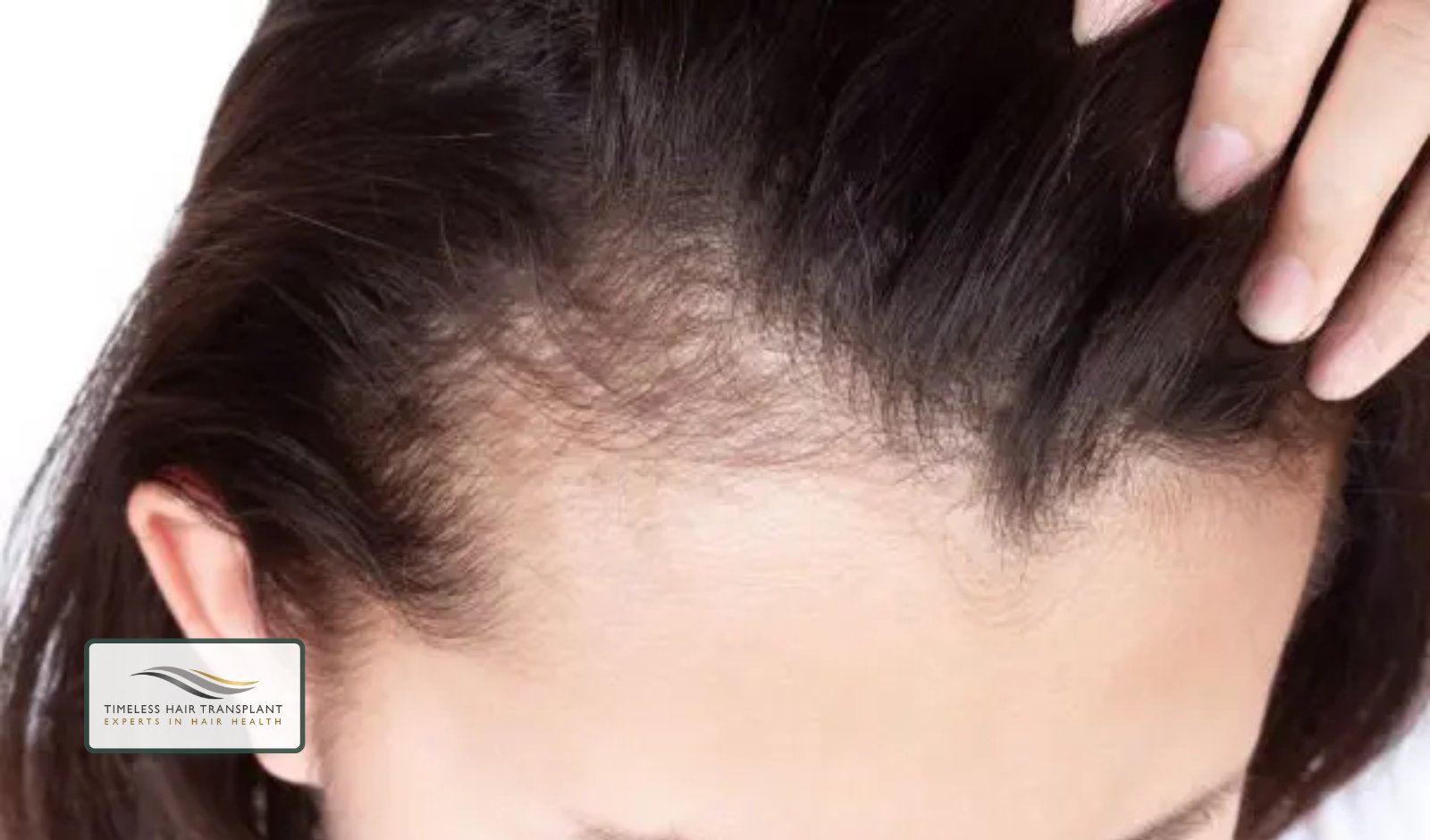
Thinning hair along the front hairline
Increased visibility of the scalp
Gradual change in hairline shape
Hair thinning around the temples
These changes may develop slowly, making early detection important.
How Hair Follicles Are Affected
Hair follicles play a key role in maintaining healthy hair. When affected by conditions like androgenetic alopecia or traction alopecia, follicles may shrink and produce thinner strands. Over time, this can lead to reduced hair density and visible hairline changes.
Protecting hair follicles is essential for promoting healthy hair growth.
Treatment Options for Receding Hairline
There are several treatment options available for managing receding hairlines in women.
Lifestyle and Hair Care Changes
Avoiding tight hairstyles and using gentle hair care routines can help reduce stress on the scalp.
Medical Treatments
Doctors may recommend treatments based on the cause of hair loss.
Hair Transplants
In more advanced cases, hair transplants like Follicular Unit Extraction (FUE) may be considered to restore the hairline. This involves relocating healthy hair follicles to thinning areas.
Supportive Hair Care
Using products designed for thinning hair can help improve the appearance of hair.
How to Promote Hair Growth
To support hair regrowth and improve hair health:
Maintain a balanced diet
Avoid excessive heat styling
Manage stress levels
Use gentle hair care products
These steps help create a healthy environment for hair follicles.
Preventing Further Hair Loss
Preventing further hair loss involves:
Reducing tension from tight hairstyles
Protecting hair from damage
Seeking early treatment
These actions help maintain healthy hair and reduce progression.
When to Seek Professional Help
If you notice persistent hair thinning or a receding hairline, it is important to consult a specialist.
A professional can:
Diagnose the cause
Recommend treatment options
Monitor progress
Early intervention improves outcomes.
Final Thoughts
Women's hairline receding is a more common concern than many realise. While the condition can be linked to several causes, including female pattern baldness, traction alopecia, and hormonal changes, early action can make a difference.
Understanding the type of hair loss and exploring suitable treatment options can help protect the hairline and support healthier hair growth. With the right care and professional guidance, many women can successfully manage hair thinning and maintain their confidence.
Restore Your Hairline With Personalised Expert Care
If you are experiencing hair loss or noticing changes in your hairline, early support can make a significant difference. Professional guidance can help identify the cause and recommend the most effective treatment options for healthier hair growth.
At Timeless Hair Transplant, we assess your hair follicles, scalp condition, and overall hair health to create a personalised treatment plan tailored to your needs. Call +44 (0) 7516294471 today or book your free consultation to explore effective solutions for restoring your hairline and confidence.
Frequently Asked Questions
-
A receding hairline in women is often caused by a combination of hormonal changes, genetics, and conditions such as androgenetic alopecia. Changes in hormone levels can affect the hair follicles, leading to thinning and slower hair growth. Other factors like stress, tight hairstyles, or underlying health conditions may also contribute to hair loss over time.
-
Yes, a receding hairline is more common in women than many people realise. While it may not follow the same pattern as male pattern baldness, many women experience gradual thinning along the hairline or temples as they age. These changes can develop slowly and may become more noticeable over time.
-
Hair regrowth may be possible depending on the cause and how early the condition is addressed. If the hair follicles are still active, treatments and proper care may help improve hair density and support new growth. However, in cases where follicles are severely damaged, regrowth may be limited without advanced treatment options.
-
Female pattern baldness is a common type of hair loss in women that causes gradual thinning across the scalp, especially near the crown and hairline. It is often linked to genetics and hormonal changes and tends to progress slowly over time. Early treatment may help manage the condition and slow further thinning.
-
Yes, tight hairstyles can lead to traction alopecia, which is caused by repeated tension on the hair. Styles such as tight ponytails, braids, or buns can stress the hair follicles and cause hair to thin or recede along the hairline. Reducing tension and changing styling habits can help prevent further damage.
